

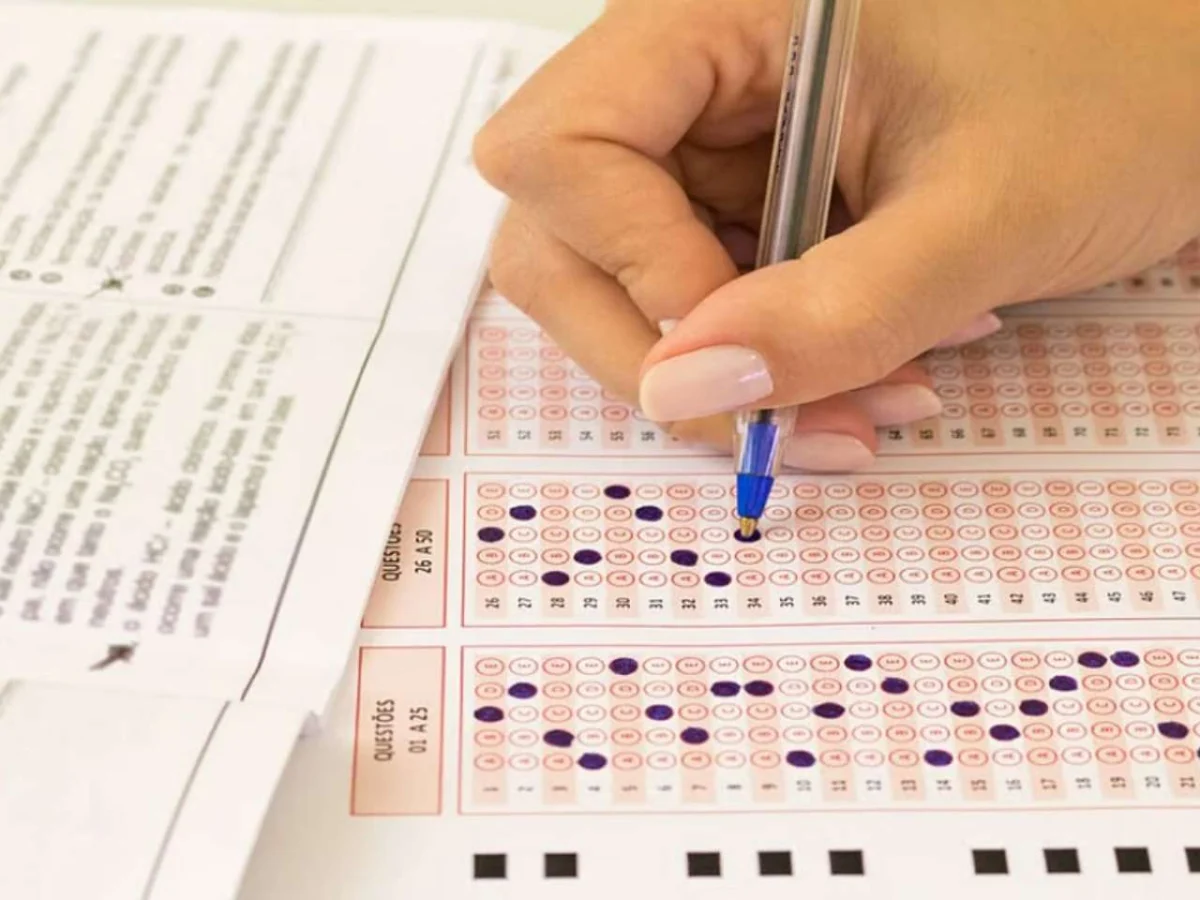
New Delhi, India – July 19, 2026 – The National Testing Agency (NTA) has issued a stark warning to candidates and parents involved in the NEET UG 2026 examination, addressing a disturbing trend of submitting counterfeit or artificially generated OMR (Optical Mark Recognition) response sheets for result scrutiny. The agency’s firm stance emphasizes that only original OMR sheets, officially downloaded, will be accepted for verification. Furthermore, the NTA has explicitly stated that any attempt to submit fraudulent documents will be met with severe legal repercussions.
This development comes in the wake of the NTA declaring the NEET UG 2026 re-test results on July 16th, an exam that itself was reconducted following a significant paper leak scandal. The urgency and sensitivity surrounding the NEET UG examination, a gateway for undergraduate medical admissions across India, underscore the seriousness of this new alleged malpractice. The NTA’s proactive measure aims to safeguard the integrity of the examination process and prevent any undue advantage gained through deceptive means.
)
The Growing Concern: A Flood of Fabricated OMR Sheets
The NTA’s concern was articulated through a public statement on the social media platform X, formerly Twitter, late on Saturday. The agency revealed that it has been inundated with complaints regarding discrepancies between candidates’ anticipated scores and their officially declared NEET 2026 results. However, during the crucial scrutiny phase of these complaints, a significant number of submitted OMR sheets were found to be either outright forgeries or sophisticated fabrications generated using Artificial Intelligence (AI).

"NTA is closely monitoring and scrutinizing all complaints," the official post from the NTA’s verified account read. "In the wake of many OMR sheets submitted for scrutiny turning out to be fake/AI generated, students and parents are advised to submit only original OMRs for scrutiny. Any fake / AI generated OMR may invite legal action against the complainant."
)
This statement highlights a disturbing new dimension to examination malpractices, where advanced technology is allegedly being employed to manipulate evidence and mislead the examination authorities. The NTA’s prompt action in flagging this issue demonstrates its commitment to upholding fairness and transparency in its examination procedures.
)
Chronology of Events: From Re-test to Scrutiny Concerns
The NTA’s warning against fake OMR sheets is intrinsically linked to the recent events surrounding the NEET UG 2026 examination.
)
- Original NEET UG 2026 Exam: The initial examination was marred by a significant paper leak scandal, leading to widespread public outcry and a demand for re-examination.
- Cancellation and Re-conduct: In response to the gravity of the leak, the NTA made the difficult decision to cancel the original examination for a section of candidates and announce a re-test.
- NEET UG 2026 Re-test: The re-test was conducted swiftly, demonstrating the NTA’s commitment to ensuring that eligible candidates were not unduly disadvantaged.
- Declaration of Re-test Results: On July 16th, the NTA announced the results of the NEET UG 2026 re-test. According to the agency, a substantial 11.25 lakh candidates successfully qualified for admission to undergraduate medical courses across the country.
- Release of Final Answer Key: Prior to the result declaration, the NTA had also released the final answer key for the re-test, providing candidates with a basis for comparing their responses.
- Emergence of Scrutiny Complaints: Following the declaration of results, the NTA began receiving a surge of complaints from candidates and their parents expressing concerns about perceived score discrepancies.
- Discovery of Fake OMR Sheets: During the verification process for these complaints, the NTA encountered a concerning number of OMR response sheets that were identified as fake or AI-generated.
- NTA’s Official Warning: On July 18th, the NTA issued its official warning on social media, alerting candidates and parents to the issue and the potential legal consequences of submitting fraudulent documents.
This timeline illustrates a rapid sequence of events, from the resolution of one crisis (paper leak) to the emergence of another (fake OMR sheets), placing the NTA under significant pressure to maintain the integrity of the NEET UG process.
)
Supporting Data and Statistics: A Glimpse into NEET UG 2026
The NEET UG 2026 examination is a critical juncture for millions of aspiring medical professionals in India. The re-test results provide some key statistics that paint a picture of the candidate pool and their performance:
)
- Total Qualified Candidates: A remarkable 11.25 lakh candidates have successfully qualified in the NEET UG 2026 examination. This figure represents a significant portion of the total applicants, highlighting the competitive nature of medical admissions.
- Gender Distribution: Notably, over 58 percent of the qualified candidates were women. This statistic reflects the increasing participation and success of female students in the medical entrance examination.
- High Scorers: The examination saw a considerable number of candidates achieving exceptional scores. The NTA reported that 138 candidates scored above 690 marks out of a maximum of 720, underscoring the high level of academic achievement among the top performers.
These figures, while positive, also underscore the immense pressure and high stakes associated with the NEET UG examination. It is within this high-stakes environment that the NTA is now grappling with the challenge of fabricated evidence.
)
Official Responses and Stance: A Zero-Tolerance Policy
The National Testing Agency’s response to the submission of fake OMR sheets has been unequivocally firm and clear. Through its official channels, the agency has left no room for ambiguity regarding its expectations and the consequences of non-compliance.
)
- Emphasis on Original Documents: The NTA has reiterated that only original OMR response sheets, downloaded through official NTA platforms, will be considered valid for the scrutiny process. This directive aims to eliminate any possibility of manipulated or altered documents being presented.
- Rejection of Edited or AI-Generated Sheets: Candidates have been explicitly advised against using any OMR sheets that have been edited, manipulated, or generated using Artificial Intelligence (AI) when filing their complaints. The agency’s stance is that such documents are not a reflection of the actual examination process.
- Warning of Legal Action: The most potent aspect of the NTA’s warning is the explicit mention of legal action. The agency has made it clear that submitting counterfeit documents for scrutiny will be treated as a serious offense, and complainants found engaging in such practices may face legal proceedings. This serves as a strong deterrent against fraudulent behavior.
- Commitment to Integrity: The NTA’s actions demonstrate a deep-seated commitment to maintaining the integrity and credibility of the NEET UG examination. By proactively addressing this issue, the agency aims to assure all genuine candidates that the system is designed to be fair and transparent.
The NTA’s official statements are crucial in setting the tone for the ongoing scrutiny process and in deterring any further attempts at deception. Their robust stance is a clear message to all stakeholders that the sanctity of the examination will be fiercely protected.
)
Implications and Future Outlook: Safeguarding the Future of Medical Admissions
The discovery of fake and AI-generated OMR sheets in the NEET UG 2026 scrutiny process carries significant implications for the examination system and the future of medical admissions in India.
)
- Erosion of Trust: The potential for such malpractices, if left unchecked, can erode public trust in the NTA and the fairness of the NEET UG examination. This could lead to increased anxiety and skepticism among genuine candidates and their families.
- Disruption of Fair Competition: The submission of fraudulent documents aims to unfairly influence the outcome of result scrutiny, thereby undermining the principle of fair competition that is fundamental to any merit-based selection process. Candidates who have genuinely performed well could be disadvantaged if such malpractices were to succeed.
- Technological Arms Race: The emergence of AI-generated fake documents signals a new era of challenges in examination security. This necessitates a continuous evolution of verification techniques and security protocols by the NTA to stay ahead of sophisticated manipulation methods. The agency may need to invest in advanced AI detection tools and robust digital verification processes.
- Reinforcing the Importance of Originality: The NTA’s warning underscores the paramount importance of adhering to official procedures and submitting only authenticated documentation. It serves as a critical reminder for candidates and parents to engage with the examination process with honesty and integrity.
- Deterrence and Accountability: The threat of legal action is a crucial deterrent. By making an example of those who attempt to submit fake documents, the NTA can discourage future attempts and reinforce the accountability of all participants in the examination ecosystem.
- Focus on Systemic Improvements: This incident may prompt the NTA to re-evaluate its internal processes for OMR sheet handling, verification, and complaint resolution. There might be a need for enhanced security measures at various stages of the examination lifecycle, from printing and distribution to tabulation and scrutiny.
- Long-Term Impact on Aspirants: For genuine aspirants, this situation can be disheartening. However, the NTA’s firm stance offers reassurance that the system is working to identify and address such issues. The ultimate goal is to ensure that only deserving candidates gain admission to medical colleges, preserving the quality of future medical professionals.
The NTA’s proactive and decisive action in addressing the issue of fake OMR sheets is a crucial step towards safeguarding the integrity of the NEET UG 2026 examination. As the agency continues its scrutiny, it is imperative that all candidates and parents cooperate fully and uphold the principles of honesty and transparency. The future of medical education in India hinges on the fairness and credibility of its entrance examinations, and the NTA’s vigilance in this regard is commendable and essential.
