

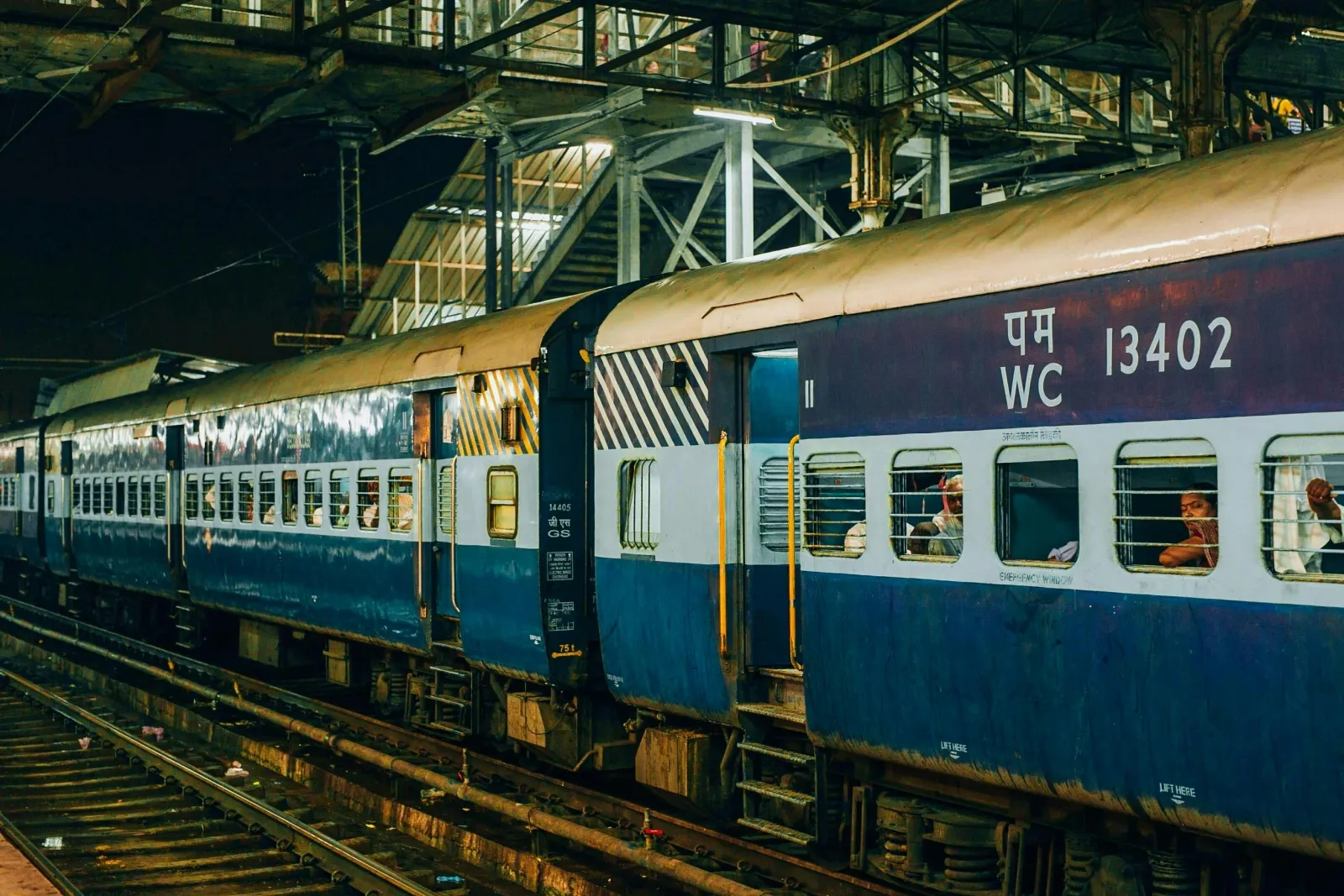
New Delhi – For generations of Indians, the rhythmic clatter of tracks and the shifting landscapes outside a train window have been synonymous with nostalgia, family bonding, and the unique joy of shared meals. From the home-packed aloo parathas wrapped in silver foil to the aromatic pulao served in pantry cars, food is an inseparable part of the Indian Railways experience. However, for the estimated 101 million people living with diabetes in India, these long-distance journeys present a complex logistical and physiological challenge.
Unpredictable schedules, delayed arrivals, and the ubiquitous presence of high-carb, deep-fried station snacks can turn a pleasant trip into a medical tightrope walk. To address these concerns, health experts and clinical nutritionists are offering a blueprint for "diabetic-safe" travel, ensuring that glucose management does not come at the cost of the travel experience.
Main Facts: The Intersection of Travel and Glycemic Control
The primary challenge of train travel for diabetics lies in the loss of environmental control. In a home setting, meal timings and ingredients are predictable. On a train, a passenger is at the mercy of the railway timetable and the limited offerings of station vendors.
Senior Clinical Nutritionist Aditi Prasad Apte, from Aster RV Hospital in Bengaluru, emphasizes that the key to a stable journey lies in the "Glycemic Index" (GI) of the foods consumed. Low-GI foods—those that release glucose slowly and steadily into the bloodstream—are the essential toolkit for any diabetic traveler. These include whole grains, legumes, nuts, and specific high-fiber fruits.
According to Apte, the goal is to avoid the "spike-and-crash" cycle. When a traveler consumes refined carbohydrates (like white bread sandwiches or sugary tea), blood sugar levels skyrocket. This is often followed by an insulin surge (or a lack thereof in diabetics), leading to a subsequent crash that causes fatigue, irritability, and intense hunger, often leading to further poor food choices.
Chronology: A Step-by-Step Strategy for the Long Haul
Managing diabetes on a 24-to-48-hour journey requires a chronological approach, starting well before the whistle blows.
1. The Pre-Departure Preparation
The journey begins at home. Experts suggest packing a "Diabetes Travel Kit" that is separate from main luggage. This kit should contain:
- A functional glucometer with extra strips.
- All necessary medications and insulin (stored in a cooling gel pack if required).
- A fast-acting glucose source (glucose tabs or honey) for emergencies.
- A dedicated supply of home-cooked, non-perishable snacks.
2. The Boarding Phase and the First Meal
The first few hours on a train are often when the "vacation mindset" kicks in, leading to impulsive purchases from platform vendors. Nutritionists recommend eating a balanced, fiber-rich meal just before boarding or immediately after the train departs to establish a baseline of satiety. This reduces the temptation of the first round of samosas or pakoras that inevitably circulate through the compartments.
3. Managing the "Mid-Journey Slump"
As the hours pass, boredom often mimics hunger. This is the most critical time for blood sugar monitoring. Apte suggests that instead of waiting for the pantry car’s scheduled meal—which may be delayed—travelers should consume small, protein-rich snacks every 3–4 hours. This "grazing" strategy prevents hypoglycemia (low blood sugar) caused by delayed meals and prevents overeating during dinner.
4. Night-time Monitoring
During overnight journeys, the body’s metabolism slows down, but the risk of nocturnal hypoglycemia remains, especially for those on insulin. A small, low-GI snack before sleeping, such as a handful of walnuts or a few whole-grain crackers, can provide the sustained energy needed to maintain stable levels until breakfast.
Supporting Data: Why Certain Foods Work
The recommendations provided by clinical nutritionists are rooted in the biochemistry of digestion. Understanding the "why" behind the food list can help travelers make better substitutions if their preferred snacks are unavailable.
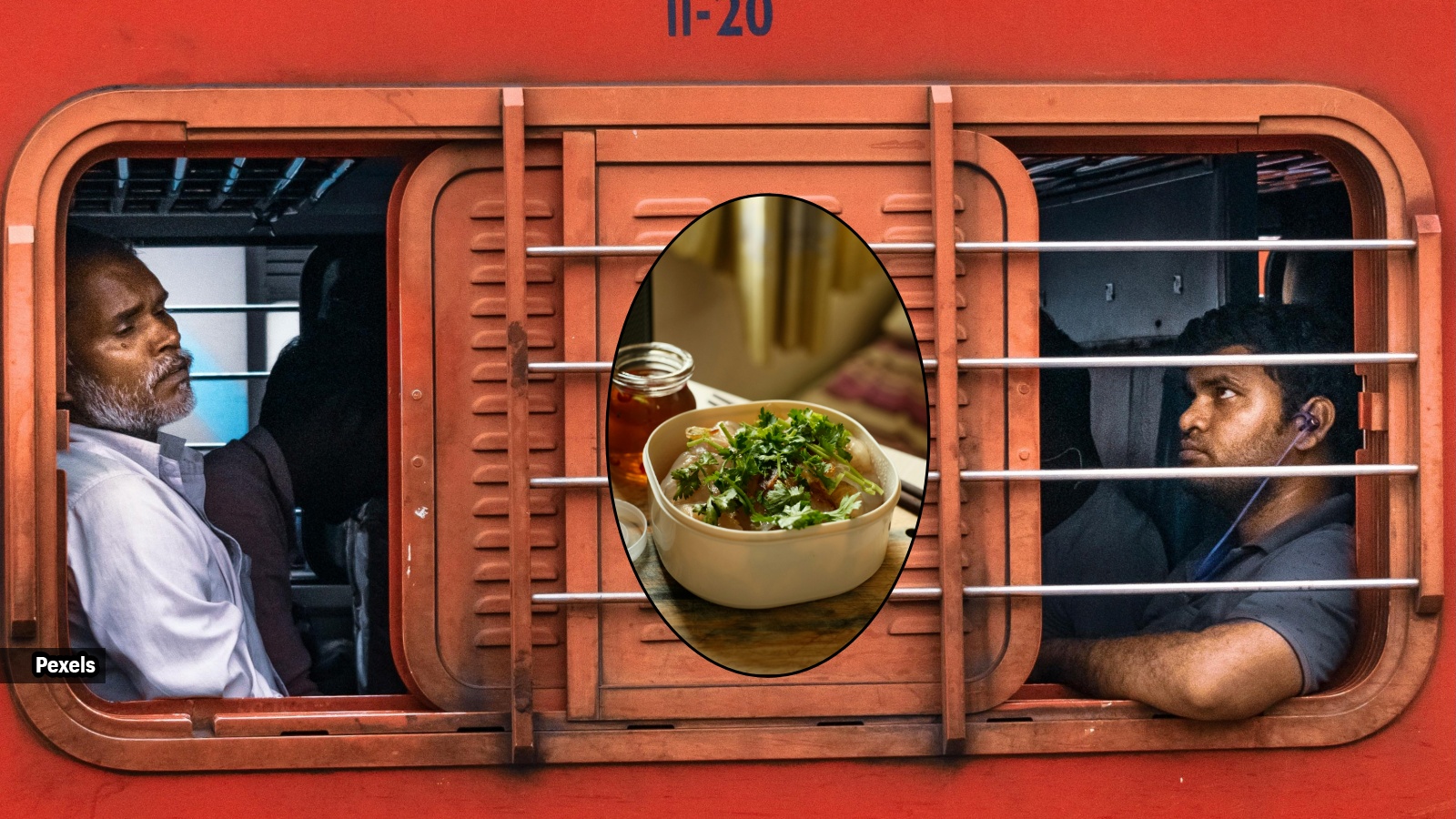
The Power of Nuts and Legumes
- Unsweetened Nuts (Almonds and Walnuts): These are nutritional powerhouses for travelers. They are rich in monounsaturated fats and protein, which slow down the digestion of any carbohydrates eaten alongside them. Walnuts, in particular, contain omega-3 fatty acids that support cardiovascular health—a common concern for long-term diabetics.
- Roasted Chana (Chickpeas): Chana is perhaps the most "travel-friendly" Indian snack. It is high in dietary fiber and plant-based protein. The fiber creates a physical barrier in the digestive tract, slowing the enzymatic breakdown of starches into glucose.
The Role of Complex Carbohydrates
- Multigrain Khakra and Whole-Grain Crackers: Unlike white biscuits, which are made of refined flour (maida) and sugar, multigrain khakras retain the bran and germ of the grain. This ensures a slow release of energy, providing a "trickle" of glucose rather than a "flood."
Fruit Selection: Fiber is King
Not all fruits are created equal for diabetics.
- Apples and Oranges: These are recommended because of their high pectin and fiber content.
- The "Avoid" List: Highly ripe bananas, mangoes, and grapes have a higher Glycemic Load. While they are natural, their sugars are absorbed much more rapidly, making them less ideal for a sedentary train journey where physical activity is limited.
Official Responses: Expert Insights from the Frontlines
Aditi Prasad Apte’s recommendations serve as a professional standard for geriatric and diabetic care during transit. She stresses that hydration is often the "forgotten variable" in diabetes management.
"Dehydration is a significant risk during long train journeys due to air conditioning or dry environments," Apte explains. "When the body is dehydrated, the glucose in the blood becomes more concentrated, leading to higher blood sugar readings. Travelers often mistake thirst for hunger and reach for snacks when they actually need water."
Apte further advises against the "standard" railway beverage: sugary tea. "The tea served on trains is often pre-mixed with large amounts of sugar and condensed milk. For a diabetic, two or three cups of this ‘station chai’ can equate to the sugar consumption of an entire day’s allowance."
Medical professionals also point out that "trying new heavy foods" while traveling should be strictly avoided. The digestive system is already under stress due to the sedentary nature of travel; introducing greasy or unfamiliar foods can lead to gastrointestinal distress, which in turn causes stress-induced glucose fluctuations.
Implications: The Risks of Non-Compliance
The implications of poor blood sugar management during travel extend beyond the journey itself.
Short-Term Implications
- Hyperglycemic Crises: High blood sugar can lead to frequent urination, which exacerbates dehydration, potentially leading to a vicious cycle of rising glucose levels.
- Hypoglycemia: If a traveler skips a meal because the vendor food is "unhealthy" but does not have a backup snack, they risk a dangerous drop in blood sugar, which can lead to dizziness, confusion, or fainting in a moving vehicle—a logistical nightmare for emergency response.
Long-Term Implications
For frequent travelers, such as business professionals or those visiting family, consistent mismanagement of glucose during trips can lead to a "staircase effect," where the baseline blood sugar remains elevated even after returning home. This contributes to the long-term complications of diabetes, including neuropathy, retinopathy, and kidney stress.
Furthermore, the reliance on packaged "namkeens" (savory snacks) introduces high levels of sodium and trans fats. Sodium causes water retention and increases blood pressure, which is particularly dangerous for diabetics who are already at a higher risk for hypertensive heart disease.
Conclusion: Empowering the Traveler
The message from nutritionists like Aditi Prasad Apte is not one of restriction, but of empowerment. Diabetes should not be a barrier to enjoying the cultural tapestry of the Indian Railways. By shifting the focus from "what is available" to "what is prepared," travelers can maintain perfect glycemic control.
The "Golden Rule" for the diabetic traveler is preparation. By carrying roasted chana, nuts, and whole-grain khakra, and by prioritizing hydration over sugary beverages, the journey becomes about the destination rather than a struggle with a glucometer. As the Indian healthcare landscape continues to grapple with the diabetes epidemic, such practical, "on-the-road" advice remains a vital tool in public health management.
DISCLAIMER: This article is intended for informational purposes only and is based on expert nutritional advice and public health data. Diabetes is a highly individualized condition. Always consult with your primary healthcare provider or an endocrinologist to create a personalized travel and meal plan before embarking on long-distance journeys.
