

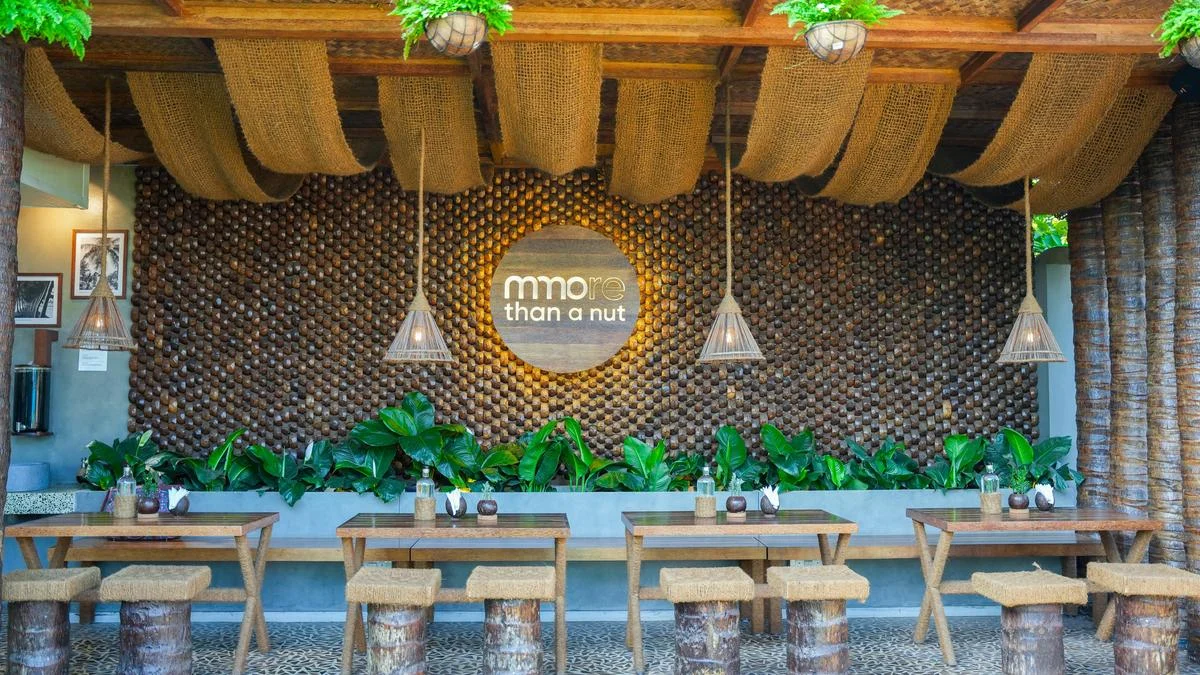
ALUVA, KERALA — In the heart of Kerala’s industrial and agricultural landscape, a unique architectural and culinary experiment is unfolding. Located near Rajagiri Hospital in Aluva, just outside the bustling city of Kochi, a new establishment titled "MMore Than A Nut" is challenging the traditional perceptions of the coconut. More than just a cafe or a retail outlet, the venture represents a sophisticated attempt to rebrand Kerala’s most iconic natural resource—the coconut—as a modern, versatile, and sustainable powerhouse for the 21st century.
Founded by Ubais Ali, the visionary behind the MMO (Mezhukkattil Mills Originals) brand, the cafe serves as a living showroom for the Kalpavriksham, the "wish-fulfilling tree." From the flooring underfoot to the beverages in the cups, every element of the establishment is derived from the coconut tree, signaling a shift from commodity-based farming to high-value lifestyle branding.
Main Facts: A 360-Degree Coconut Experience
The primary objective of MMore Than A Nut is to demonstrate the untapped potential of the coconut beyond its traditional roles in oil and culinary garnishes. The cafe is strategically situated on the roadside adjacent to Mezhukkattil Mills, a large-scale processing unit that has been a staple of the region’s industry for nearly half a century.
Architectural Innovation
The most striking feature of the cafe is its construction. Eschewing traditional building materials where possible, Ubais Ali has utilized coconut wood and shells for almost every interior element.
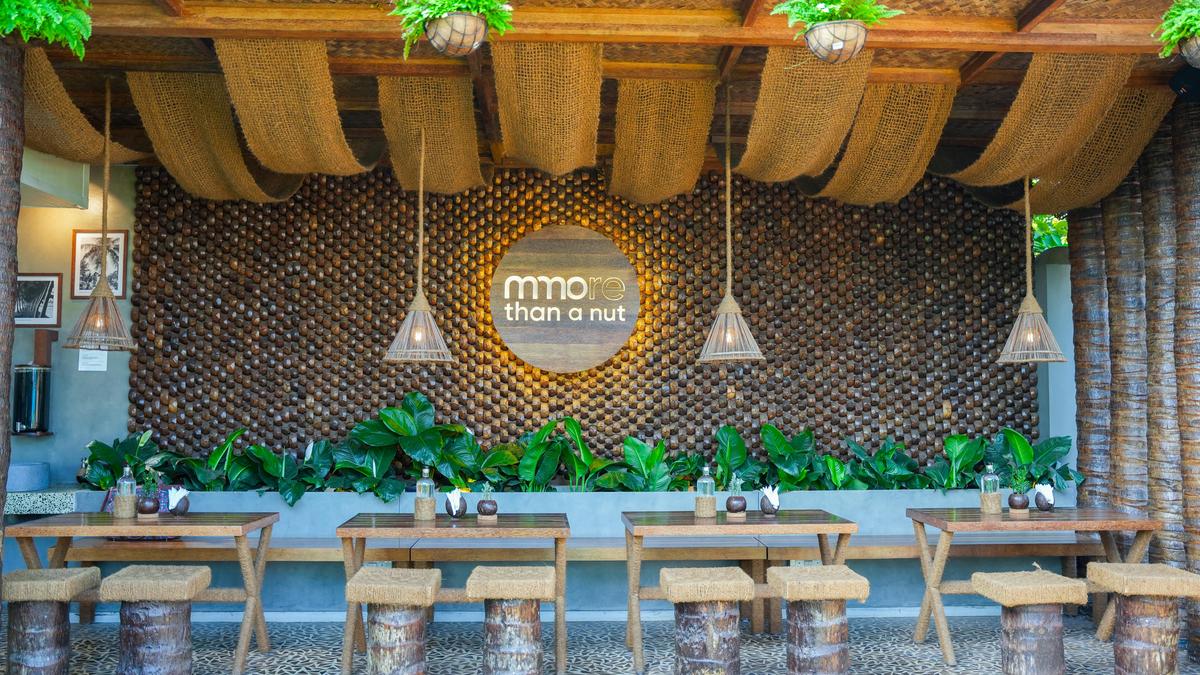
- Furniture: Tables and benches are crafted from seasoned coconut wood, known for its durability and unique grain patterns.
- Interior Design: The walls are clad in coconut-based materials, and the lampshades are fashioned from polished coconut shells.
- Flooring: In a remarkable display of upcycling, the cafe features flooring made of coconut shell pieces, arranged to create a mosaic effect that rivals high-end terrazzo or marble.
- Utility: Even the peripheral items—dustbins, garden lights, and tableware—are sourced from the tree, proving that the coconut can provide a comprehensive alternative to plastic and synthetic materials.
Culinary Research and Development
The second floor of the factory houses a dedicated R&D kitchen and bakery. This facility is the engine room for the cafe’s menu, which features an array of coconut-based innovations:
- Dairy Alternatives: Smoothies and hot chocolates are crafted using coconut milk, catering to the growing vegan and lactose-intolerant demographics.
- Gluten-Free Baking: The bakery utilizes coconut flour, a high-fiber, low-glycemic alternative to wheat, to produce muffins, cookies, and "brookies."
- Preservation-Free Treats: The "travel cakes"—available in coconut-banana and desiccated coconut variants—are designed to remain fresh for several days without refrigeration, solving a common logistical challenge for travelers.
Chronology: From 1976 Oil Mill to Global Innovator
The journey of MMore Than A Nut is deeply rooted in the history of Mezhukkattil Mills. To understand the cafe’s significance, one must look at the evolution of the family business.
- 1976: The Foundation: The story began when Ubais Ali’s father established Mezhukkattil Mills. Initially, the focus was on traditional oil milling, serving local demand for coconut oil, a staple in Kerala’s kitchens and traditional medicine.
- 1990s – 2000s: Industrial Scaling: As the Indian economy opened up, the mill expanded its operations, transitioning from a local unit to a large-scale factory capable of processing thousands of coconuts daily.
- 2010s: Global Outreach and Diversification: Under the leadership of the next generation, specifically Ubais Ali, the company began looking toward international markets. Recognizing that the global "superfood" trend was elevating the coconut’s status, the mill began producing virgin coconut oil, coconut milk powder, and desiccated coconut for export.
- 2020-2024: The Birth of MMore Than A Nut: Identifying a disconnect between the coconut’s global prestige and its local undervaluation, Ubais Ali conceptualized a space that would act as a "brand experience center." This led to the development of the Aluva cafe, which serves as the flagship for the MMO brand’s modern identity.
Supporting Data: The Economic and Health Case for Coconut
The push for coconut-based products is backed by significant economic and nutritional data. Kerala, despite being named after the coconut tree (Kera), has faced challenges in maintaining the profitability of coconut farming due to fluctuating commodity prices for raw copra.
The Value-Addition Gap
According to agricultural economists, the value of a raw coconut can be increased by 500% to 1,000% through processing. While a raw nut might fetch a modest price at the farm gate, its components—when turned into virgin oil, activated charcoal from the shell, and coconut water-based beverages—generate significantly higher revenue. MMore Than A Nut acts as a proof-of-concept for this value-addition model.

Health and Nutrition Trends
The global market for coconut products is projected to grow at a CAGR of nearly 10% over the next decade. This is driven by:
- Medium-Chain Triglycerides (MCTs): Found in coconut oil, these are touted for their energy-boosting and metabolism-enhancing properties.
- Hydration: Tender coconut water is a natural electrolyte, and the cafe’s "Neera" (the non-fermented sap of the coconut flower) is being positioned as a premium health drink.
- Low-Glycemic Index: Coconut flour and sugar are increasingly sought after by diabetic patients and health-conscious consumers.
The cafe’s menu reflects these trends. For instance, the "Tender Coconut Smoothie," a blend of pulp and water with a dash of coconut milk, provides a nutrient-dense alternative to traditional sugary shakes.
Official Responses: A Vision for the Future
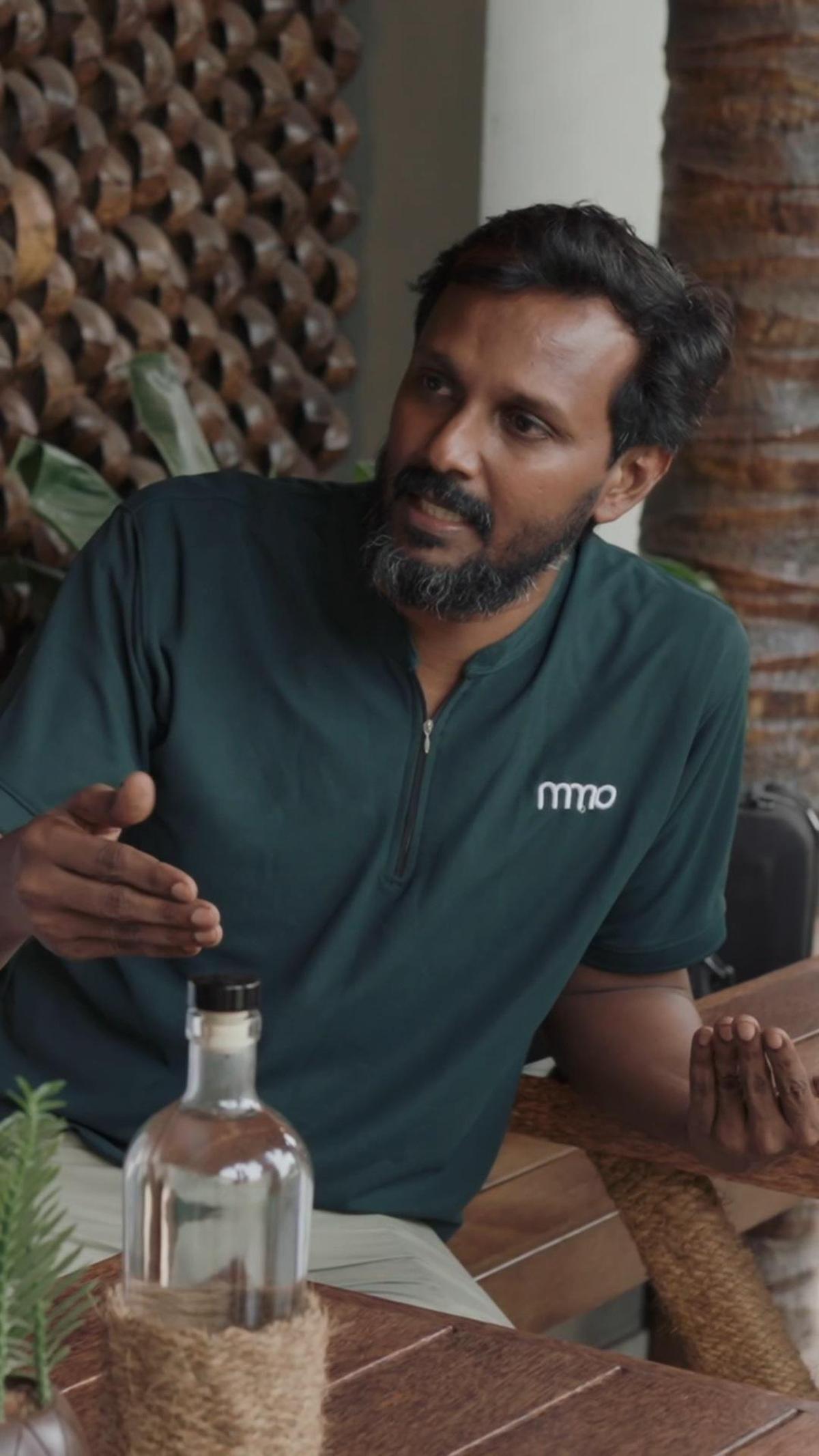
Ubais Ali is vocal about the mission behind the cafe. For him, this is not merely a business venture but a crusade for cultural and agricultural pride.
"We see a lot of content about raisins and almonds from other countries. How about we push our produce? Like coconuts, in this case," Ali says. He emphasizes that the coconut is part of the daily life of every Malayali, yet it is often taken for granted. "It is not without reason that the coconut tree is referred to as the Kalpavriksham. With this cafe, we want to showcase the potential of coconuts and what can be done with them apart from the regular uses."
The innovation at Mezhukkattil Mills has not gone unnoticed by the government. The company has received several awards from the Government of India and the Kerala State Government for its excellence in product innovation and packaging design. These accolades highlight the mill’s role in the "Make in India" initiative, specifically in the food processing sector.
Ali also notes the importance of timing in the collection of Neera. "Neera is collected fresh and sourced before it ferments to become toddy. It is chilled immediately to preserve its nutritional profile," he explains, highlighting the technical precision required to bring traditional products to a modern retail environment.
Implications: Setting a Precedent for Agricultural Entrepreneurship
The success and unique positioning of MMore Than A Nut have several long-term implications for the region and the industry.
1. A Blueprint for "Agri-Tourism" and "Agri-Retail"
The cafe demonstrates how traditional manufacturing units can integrate retail and hospitality to build brand loyalty. By allowing customers to see, touch, and taste the versatility of the coconut, Mezhukkattil Mills is moving from a B2B (Business-to-Business) model to a direct B2C (Business-to-Consumer) relationship.
2. Sustainable Interior Design
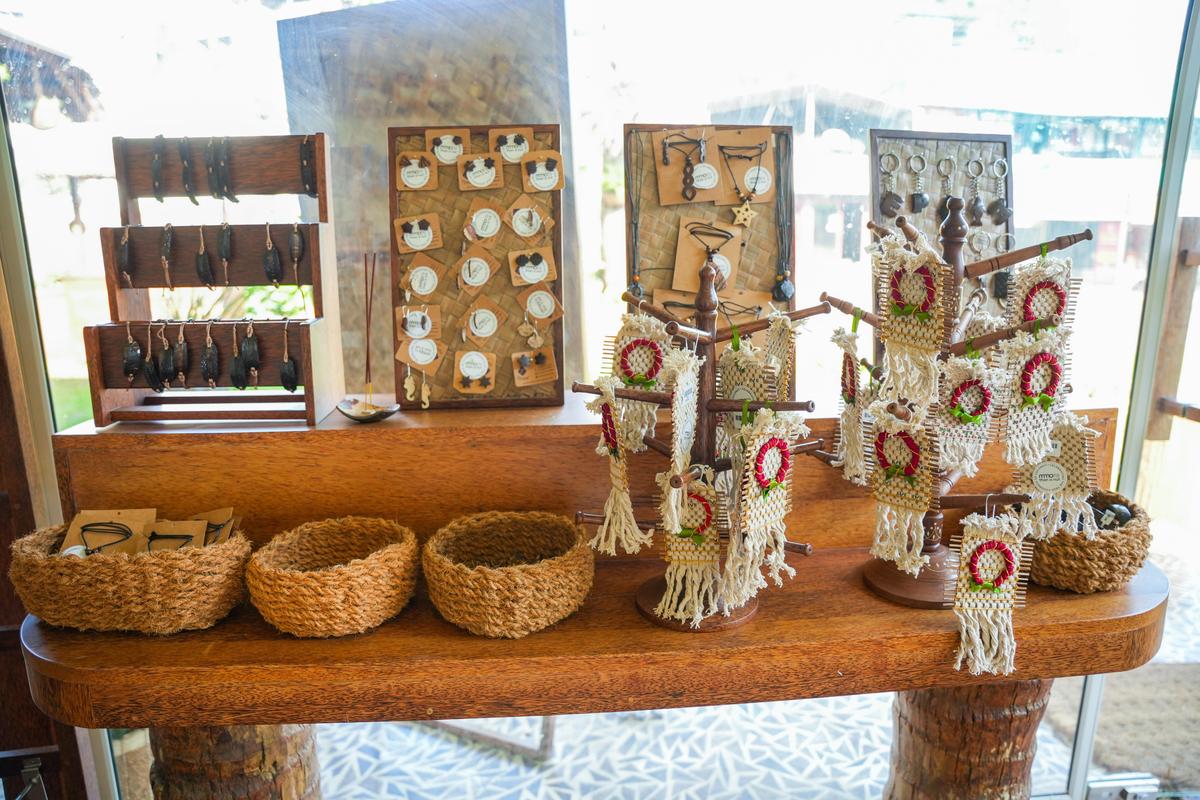
The use of coconut wood and shell for flooring and wall cladding provides a sustainable alternative to hardwoods and synthetic tiles. As the construction industry seeks "greener" materials, the techniques showcased at MMore Than A Nut could be scaled for residential and commercial interior design, creating a new market for coconut byproducts that were previously considered waste.
3. Elevating the Local Farmer
By creating high-demand products like coconut butter, vinegar, and specialized flour, the venture creates a more stable demand for raw coconuts. This helps insulate local farmers from the volatility of the oil market. When the "nut" is used for high-end bakery items like coconut-pistachio baklava or avocado-coconut smoothies, the entire supply chain stands to benefit from higher margins.
4. Culinary Diversification
The cafe is pushing the boundaries of Kerala’s cuisine. While coconut has always been a base for curries, MMore Than A Nut is introducing it into the world of fine pastry and gourmet beverages. This helps the coconut transcend its image as a "traditional" ingredient and positions it as a "trendy" and "modern" superfood.
Conclusion
MMore Than A Nut is more than a coffee shop; it is a manifesto for the coconut. Through the leadership of Ubais Ali and the legacy of Mezhukkattil Mills, the venture is proving that tradition and innovation are not mutually exclusive. By treating the coconut not just as a commodity, but as a source of wood, fiber, fuel, and nutrition, the cafe is showing the world that the Kalpavriksham still has many wishes left to grant. For the residents of Aluva and the visitors traveling through Kochi, the cafe offers a glimpse into a future where sustainability and luxury are harvested from the very trees that define the Kerala landscape.
