

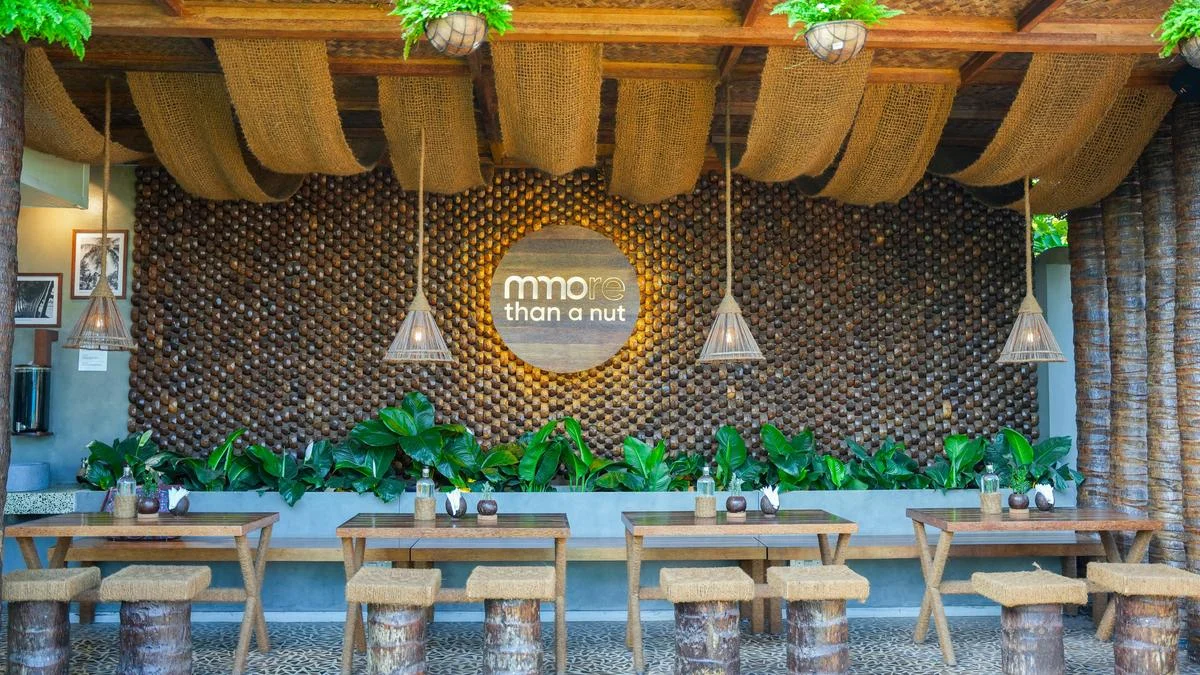
ALUVA, KERALA — In the lush landscapes of Aluva, situated on the outskirts of Kochi, a singular architectural and culinary experiment is challenging the traditional perception of India’s most ubiquitous tropical fruit. To call MMore Than A Nut a mere coffee shop is to fundamentally misunderstand the vision of its founder, Ubais Ali. Located strategically near Rajagiri Hospital, this establishment is a living manifesto for the coconut tree—the Kalpavriksham, or "wish-fulfilling tree"—where every structural element, from the flooring to the lampshades, and every item on the menu is derived from a single botanical source.
As Kerala grapples with the fluctuating economics of traditional agriculture, MMore Than A Nut emerges not just as a boutique cafe, but as a sophisticated research and development (R&D) hub aimed at elevating the humble coconut from a raw commodity to a high-value global lifestyle brand.
Main Facts: A Structural and Culinary Ode to the Coconut
The first impression of MMore Than A Nut is one of surprising architectural cohesion. While most themed cafes rely on aesthetics, Ubais Ali has integrated the coconut into the very DNA of the building. The tables and benches are crafted from the sturdy timber of aged coconut palms. The walls are adorned with coconut-based cladding, and the lighting is diffused through intricately carved coconut shell lampshades. Even the functional minutiae—the dustbins, garden lights, and tableware—are processed from the various byproducts of the tree.
One of the most striking features is the flooring. In a display of innovative upcycling, pieces of coconut shell have been embedded into the floor to create a mosaic effect that rivals traditional terrazzo or marble. This "coconut shell cladding" serves a dual purpose: it demonstrates the durability of the material while providing a unique, textured aesthetic that anchors the cafe’s identity.
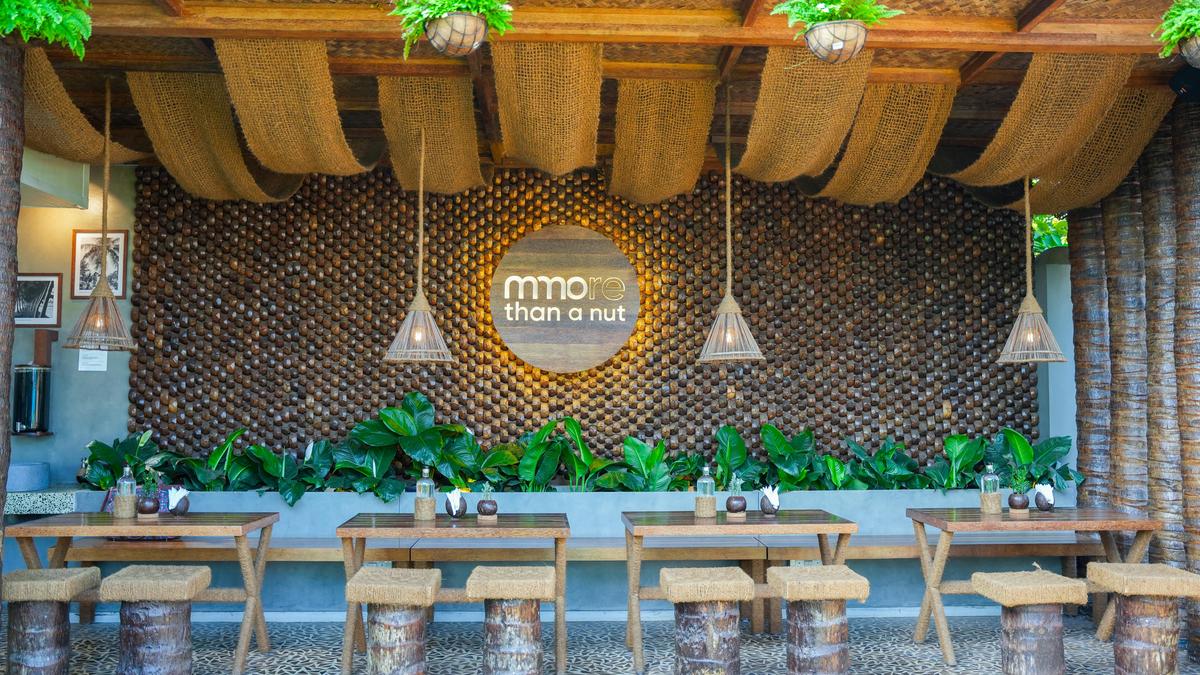
The facility is divided into several distinct zones:
- The Experience Cafe: A seating area that opens onto a manicured lawn, serving coconut-based beverages and confections.
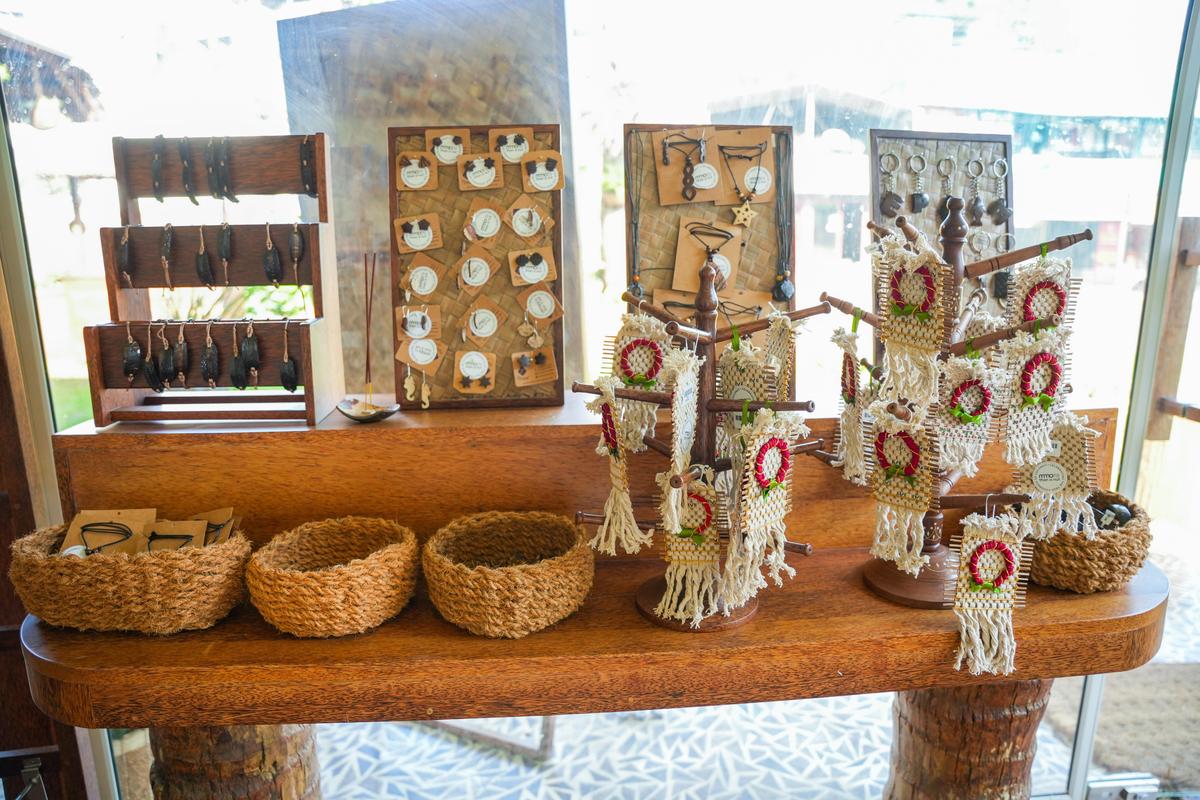
- The Retail Outlet: A storefront for Mezhukkattil Mills Originals (MMO), stocking everything from virgin coconut oil and coconut milk powder to specialized coconut flour and vinegar.
- The R&D Kitchen: A second-floor bakery and laboratory where food scientists and chefs experiment with coconut-based alternatives to dairy and gluten.
Chronology: From a 1976 Oil Mill to a Modern Innovation Hub
The story of MMore Than A Nut is inextricably linked to the history of Mezhukkattil Mills, a cornerstone of the local industrial landscape.
- 1976: The Foundation. The journey began nearly five decades ago when Ubais Ali’s father established Mezhukkattil Mills. Originally a traditional oil mill, it focused on the extraction of coconut oil, a staple in Kerala’s kitchens and traditional medicine.
- The Export Era: Over the decades, the mill evolved. Recognizing the global demand for high-quality coconut products, the company expanded into exports, refining its processes to meet international standards for purity and packaging.
- The Shift to Value-Addition: As the global wellness market began to prize coconut oil, coconut water, and coconut milk, the leadership at Mezhukkattil Mills realized that the traditional "oil mill" model was no longer sufficient. There was a need to showcase the versatility of the tree beyond the bottle.
- The Launch of MMore Than A Nut: Ubais Ali envisioned a space that would serve as a "storefront for the world." By placing the cafe on the roadside for easy access to commuters and tourists, he transformed a corporate R&D facility into a public-facing brand ambassador.
- Recent Recognition: The commitment to innovation has not gone unnoticed. Mezhukkattil Mills has received several government awards for its pioneering work in product development and sustainable packaging design, solidifying its position as a leader in the sector.
Supporting Data: The Science of the Coconut Menu
The menu at MMore Than A Nut is the result of rigorous experimentation in the second-floor "test kitchen." The challenge was to create a gourmet experience that caters to modern dietary preferences—such as veganism and gluten-free living—using only coconut-derived ingredients.
The Bakery Revolution
The cafe’s "travel cakes" are a highlight, designed to last several days without refrigeration. These include combinations like coconut-banana and desiccated coconut cake. In most recipes, traditional wheat flour is replaced or supplemented with coconut flour, which is high in fiber and low in carbohydrates.

- Innovation in Textures: The kitchen produces muffins, cookies, "brookies" (a brownie-cookie hybrid), and even Panna Cotta. Achieving the creamy consistency of Panna Cotta without bovine gelatin or dairy cream required months of R&D into the fat content of coconut milk and the gelling properties of natural starches.
- The Baklava Twist: Perhaps the most daring item is the Baklava. Traditionally a Middle Eastern pastry laden with butter and honey, this version uses a filling of pistachio and roasted coconut, offering a nutty, tropical profile that distinguishes it from the original.
Beverage Innovation and "Neera"
The beverage menu moves beyond the standard tender coconut water.
- Dairy Alternatives: The hot chocolate is made exclusively with coconut milk, providing a rich, velvety mouthfeel that appeals to lactose-intolerant patrons.
- The Smoothie Profile: Smoothies like avocado-coconut and mango-tender coconut utilize the natural creaminess of the fruit’s pulp.
- Neera and Matured Water: The cafe serves Neera, the sweet sap extracted from the coconut inflorescence. Because Neera ferments rapidly into toddy (an alcoholic beverage), the cafe employs a strict cold-chain process, sourcing it fresh and chilling it immediately to preserve its non-alcoholic, nutrient-rich profile. They also serve chilled "matured" coconut water, which has a different electrolyte and sugar profile compared to the tender variety.
Official Responses: Ubais Ali on the "Coconut Advocacy"
Founder Ubais Ali is vocal about the cultural and economic motivations behind the brand. For Ali, MMore Than A Nut is a platform for advocacy as much as it is a business.
"We see a lot of content about raisins and almonds from other countries. These products are marketed as premium health foods, and we import them in massive quantities," Ali noted during a tour of the facility. "How about we push our produce? We have the coconut, which is literally the Kalpavriksham. It is part of our everyday lives in Kerala, yet it is criminally undervalued."
Ali argues that the "undervaluing" of the coconut has led to a lack of innovation in the domestic market. "With this cafe, we want to showcase the potential of coconuts beyond the regular uses. It’s about showing the farmer that their crop has a future in high-end retail, and showing the consumer that they don’t need to look abroad for ‘superfoods.’"
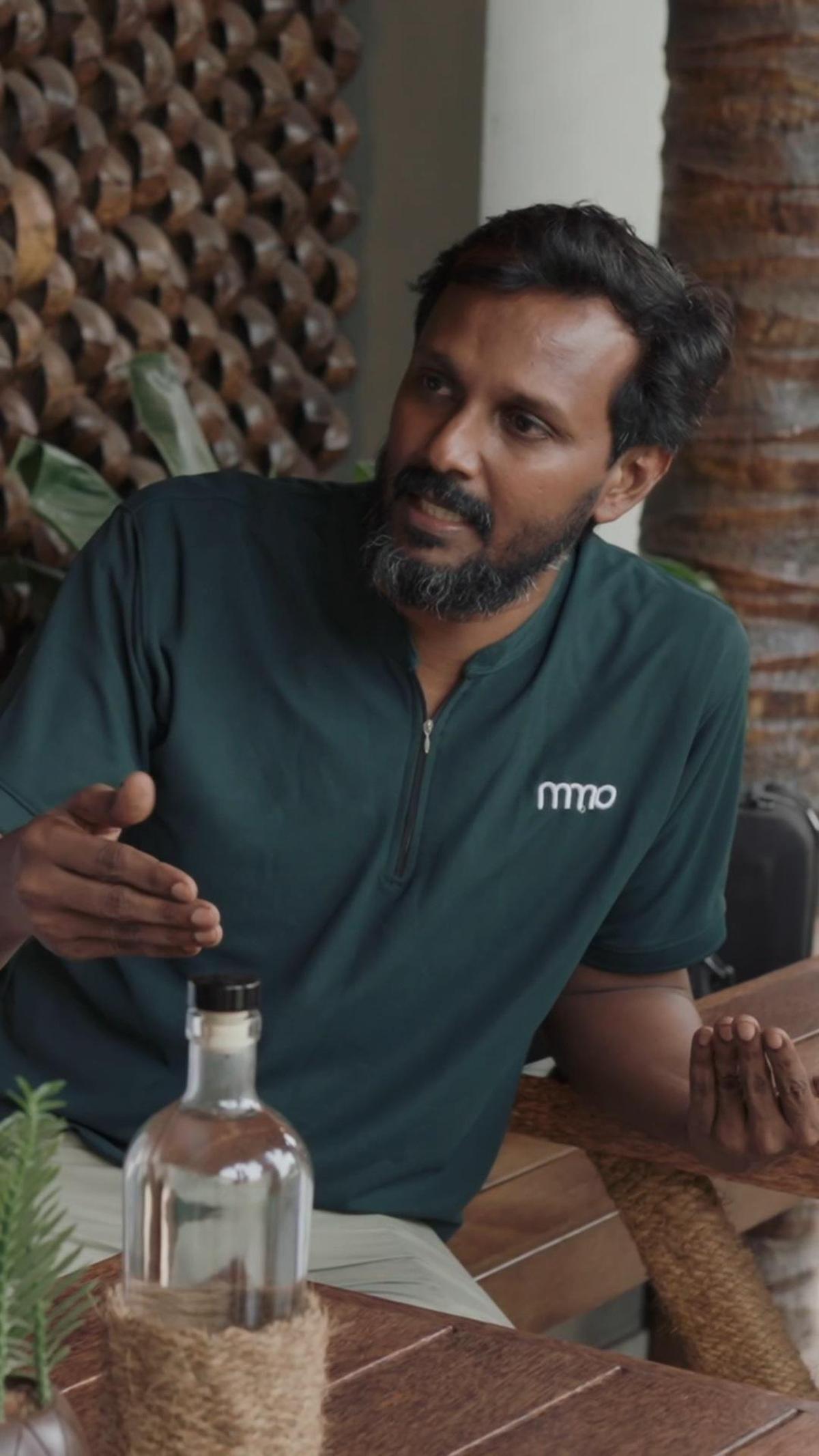
His philosophy extends to the environmental impact of the industry. By using the wood, the shell, and the fiber (coir) for the cafe’s infrastructure, Ali is demonstrating a "circular economy" model where waste is virtually eliminated. This approach has garnered interest from sustainability experts who see the coconut tree as a model for zero-waste agriculture.
Implications: Economic and Cultural Significance for Kerala
The success of MMore Than A Nut carries significant implications for the state of Kerala and the broader coconut-growing regions of India.
1. Economic Resilience for Farmers
Kerala’s economy has historically been tied to the price of copra (dried coconut meat). When global vegetable oil prices fluctuate, local farmers suffer. By creating high-value-added products—like coconut flour, premium vinegar, and artisanal furniture—establishments like MMO create a "value buffer." When the coconut is sold as a "smoothie" or a "designer floor tile," the profit margins are significantly higher than when sold as raw oil, allowing for better price stability for the primary producers.
2. Sustainable Architecture
The use of coconut wood and shells in construction offers a blueprint for sustainable interior design. As the world looks for alternatives to slow-growing hardwoods, the coconut palm—which is often cut down when it becomes senile (non-fruiting) after 60–80 years—provides a renewable source of timber. Ali’s use of shell-mosaic flooring demonstrates how "agricultural waste" can be transformed into luxury architectural finishes.
3. Culinary Tourism
Aluva is a major transit point for tourists heading to the hill stations of Munnar or the backwaters of Kochi. MMore Than A Nut adds a "concept tourism" dimension to the region. It offers visitors a sensory education on the state’s cultural symbol, potentially spawning a new category of "agro-tourism" where visitors can see the journey from the tree to the table.
4. Redefining the "Malayali" Identity
For the local population, the cafe serves as a point of pride. A note placed outside the cafe resonates with many Malayalis, pointing out how the coconut is woven into the fabric of their lives but often taken for granted. By "forcing" the coconut into every item—as some critics might suggest—Ubais Ali is actually forcing a re-evaluation of local heritage. He is proving that traditional resources can be modern, chic, and globally competitive.
Conclusion: More Than a Trend
As the sun sets over the Aluva cafe, the garden lights—encased in coconut shells—cast a warm, dappled glow over the lawn. MMore Than A Nut stands as a testament to the fact that innovation does not always require new materials; often, it requires a new way of looking at what we already have.
Ubais Ali’s mission remains clear: to give the coconut its due. In a world increasingly obsessed with sustainability and local sourcing, his "wish-fulfilling tree" might just be the answer to many of the modern food industry’s challenges. Whether it is through a sip of chilled Neera or the touch of a polished coconut-wood table, the cafe invites everyone to rediscover the nut that built Kerala.
