

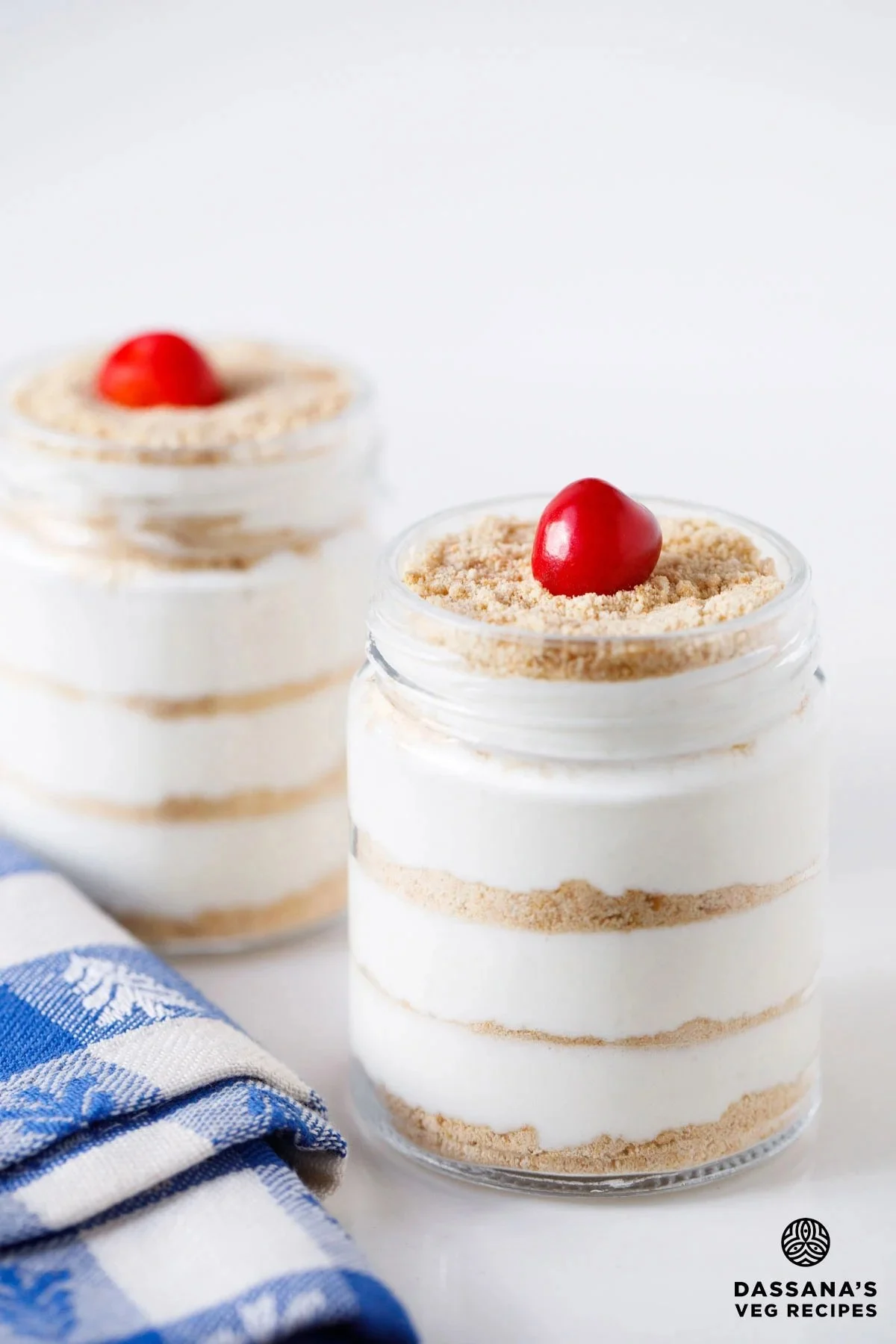
In the pantheon of global desserts, few dishes achieve the sublime balance of texture and simplicity quite like Serradura. Known colloquially as "Portuguese Sawdust Pudding," this elegant, no-bake confection serves as a testament to the culinary philosophy that a handful of high-quality ingredients, when treated with precision, can yield a result far greater than the sum of its parts.
Serradura is a chilled dessert defined by its alternating layers of sweetened whipped cream and pulverized tea biscuits. While its roots are firmly planted in Portuguese tradition, its journey across the globe—from the cobblestone streets of Lisbon to the vibrant food stalls of Macau and the coastal kitchens of Goa—has transformed it into a symbol of colonial culinary fusion. Today, it remains a staple in high-end restaurants and family homes alike, celebrated for its accessibility and its unique "sawdust" aesthetic.

Main Facts: The Anatomy of a Classic
At its core, Serradura is a study in textural contrast. The name itself, serradura, is the Portuguese word for "sawdust," a literal reference to the appearance of the finely crushed Marie biscuits that form the dessert’s signature layers.
The Essential Components
The traditional recipe relies on a trifecta of ingredients:

- Marie Biscuits: A thin, round, vanilla-flavored tea biscuit that originated in London in 1874 to commemorate the marriage of the Grand Duchess Maria Alexandrovna of Russia. These biscuits are prized for their ability to be ground into a fine, sandy powder that retains a slight crunch even when layered with moisture.
- Heavy Whipping Cream: To achieve the necessary stability and mouthfeel, a high fat content (at least 35%) is non-negotiable. This ensures the cream can hold air and maintain its structure over several hours of refrigeration.
- Sweetened Condensed Milk: Acting as both the primary sweetener and a stabilizing agent, condensed milk provides a silky, fudge-like richness to the whipped cream, eliminating the need for granulated sugar.
The Aesthetic Appeal
Serradura is traditionally served in clear glass vessels—jars, ramekins, or wine glasses—to showcase the distinct, horizontal banding of white cream and golden-brown biscuit dust. When executed correctly, the dessert looks like a geological cross-section, inviting the diner to experience multiple layers in a single spoonful.
Chronology: From Lisbon to the Far East
The history of Serradura is inextricably linked to the Portuguese Age of Discovery and the subsequent establishment of trade routes that connected Europe to Asia and Africa.

The Portuguese Foundation
While the exact origin date of Serradura is difficult to pinpoint, it emerged from the Portuguese tradition of "conventual sweets"—desserts originally created by nuns in monasteries. These recipes often utilized simple, shelf-stable ingredients. The use of cream and biscuits reflected the domestic pantry of the 19th and early 20th centuries.
The Macanese Evolution
The dessert found its most famous second home in Macau, a Portuguese territory until 1999. In the humid, subtropical climate of the South China Sea, Serradura’s chilled, no-bake nature made it an instant favorite. Macanese chefs refined the dish, often adding local touches or experimenting with the fineness of the biscuit "sawdust." It eventually became so synonymous with the region that many tourists today consider it the "national dessert" of Macau, alongside the famous egg tart.

The Goan Integration
Similarly, in the Indian state of Goa, which remained under Portuguese rule for over 450 years, Serradura became a fixture of the Luso-Indian culinary landscape. It is frequently served at weddings, feast days, and in the iconic cafes of Panjim. In Goa, the recipe has remained remarkably consistent, serving as a cooling palate cleanser after the region’s spicy, vinegar-heavy curries.
Supporting Data: The Science of the "Sawdust"
To the uninitiated, Serradura may seem like a simple assembly task. However, culinary data and food science suggest that the success of the dish depends on specific physical reactions.

The Physics of Whipping
When heavy cream is whipped, the process introduces air bubbles into the liquid. The fat globules in the cream (which must be at least 35% for success) strip away their protective membranes and begin to stick together, forming a network that traps the air.
- Soft Peaks: At this stage, the cream is light but will not hold its shape.
- Medium-Stiff Peaks: This is the "sweet spot" for Serradura. The cream is thick enough to support the weight of the biscuit layers without collapsing, yet smooth enough to provide a luxurious mouthfeel.
- Over-whipping: If the process continues too long, the fat globules clump together so tightly that they separate from the water, resulting in grainy "butter" rather than smooth cream.
Nutritional Profile
Based on standard preparation methods, a single serving of Serradura is a calorie-dense indulgence. A typical 150g serving contains:

- Calories: 508 kcal
- Total Fat: 34g (with 20g of saturated fat)
- Carbohydrates: 46g
- Sugars: 27g
- Protein: 7g
The high fat and sugar content contribute to the dessert’s long shelf life in the refrigerator, as the sugar acts as a mild preservative and the fat maintains its structure in cold temperatures.
Official Responses: Culinary Expertise and Best Practices
Professional chefs and home cooks who specialize in Luso-Asian cuisine emphasize that while the recipe is short, the technique must be flawless. Leading culinary voices provide the following "official" guidance for those seeking to master the dish.

The Biscuit Grind
"The most common mistake is leaving large chunks of biscuit in the mix," says one culinary expert. "For true Serradura, the texture must be uniform. It should feel like dry sand between your fingers." While a food processor is the modern standard, many traditionalists still prefer the "bag and rolling pin" method to ensure they don’t over-process the biscuits into an oily paste.
Temperature Management
Expert advice consistently highlights the importance of temperature. The mixing bowl, the whisk, and the cream must all be thoroughly chilled before beginning. In warmer climates like Goa or Macau, some chefs place their mixing bowl inside a larger bowl filled with ice to prevent the cream from warming and losing its ability to aerate.

The Sweetness Balance
While the standard ratio is roughly 300ml of cream to 120g of condensed milk, professional tasters suggest adjusting based on the brand of biscuit used. Since Marie biscuits have a mild sweetness, the cream provides the bulk of the sugar. If using a sweeter cookie, such as a Graham cracker or a Digestive biscuit, the condensed milk should be reduced to prevent the dish from becoming cloying.
Implications: The Modern No-Bake Movement
The enduring popularity of Serradura in the 21st century has broader implications for modern dining trends and home cooking.

The Rise of Minimalism
As consumers increasingly move away from overly processed desserts with long ingredient lists, Serradura’s three-ingredient profile fits the "clean label" aesthetic. It appeals to the modern desire for "honest" food—dishes where every ingredient is recognizable and serves a structural purpose.
The "Make-Ahead" Advantage
In the context of the busy modern lifestyle, Serradura is a strategic triumph. Because it requires 4 to 5 hours of refrigeration to "set"—a process where the biscuit crumbs absorb just enough moisture from the cream to soften into a cake-like consistency—it is the perfect make-ahead dessert. This has made it a favorite for catering companies and home hosts who need to prepare large quantities of dessert without occupying oven space.

Global Fusion and Adaptation
The simplicity of Serradura makes it a blank canvas for modern innovation. While the classic version remains the gold standard, we are seeing a rise in "Fusion Serradura."
- Flavor Infusions: Chefs are now infusing the cream with matcha, espresso, or rose water.
- Nutritional Alternatives: Vegan versions using coconut cream and condensed coconut milk are gaining traction in health-conscious urban centers.
- Textural Garnishes: The addition of fresh mango, tart cherries, or toasted pistachios on top provides an acidic or nutty counterpoint to the rich cream.
Conclusion
Serradura is more than just a pudding; it is a culinary artifact that tells the story of global migration and cultural exchange. It proves that luxury does not require complexity, and that the most satisfying flavors often come from the most humble origins. Whether enjoyed in a seaside cafe in Goa or prepared in a modern kitchen in New York, the "Sawdust Pudding" continues to captivate the palate with its airy grace and timeless appeal. As long as there is a need for a dessert that is both sophisticated and simple, Serradura will remain a cherished staple of the international dessert menu.
