

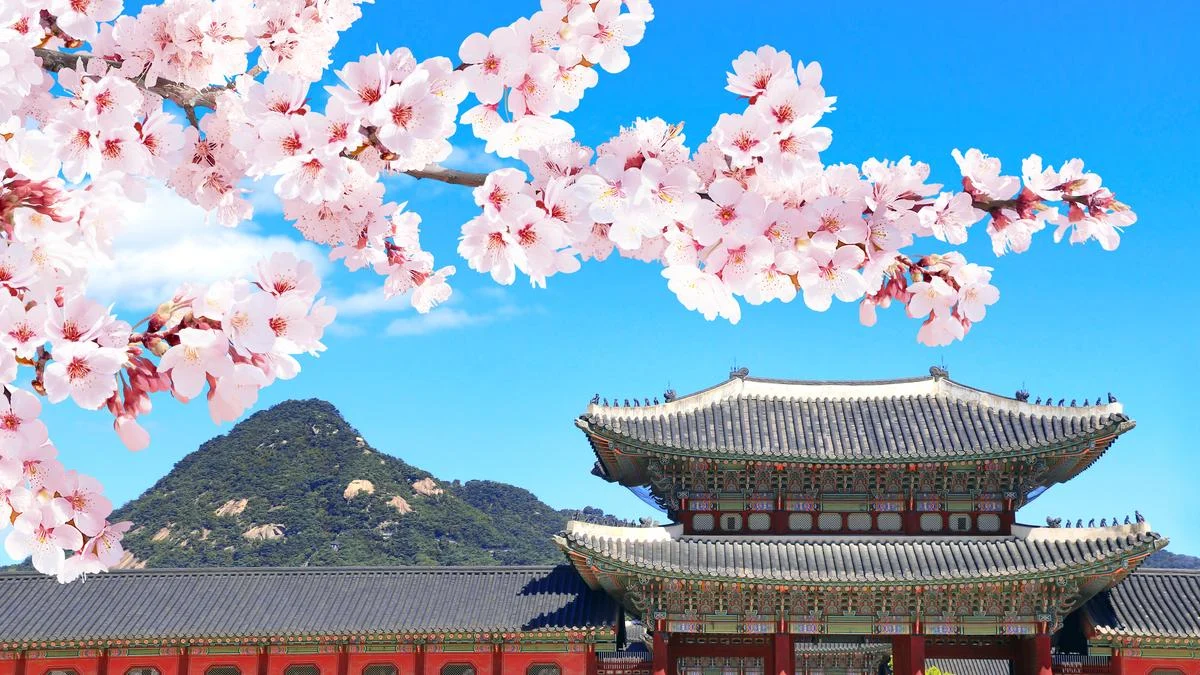
GOYANG/SEOUL – The intersection of global pop culture and natural ephemeral beauty has reached a fever pitch in South Korea this week. As the first delicate pink petals of the cherry blossoms begin to blanket the peninsula, the nation’s cultural ambassadors, BTS, have officially launched their highly anticipated Arirang concert tour. The tour kicked off today in Goyang, a vibrant satellite city of Seoul, marking a significant milestone in the group’s storied career and providing a massive boon to the local tourism economy.
For the tens of thousands of fans—collectively known as ARMY—who have descended upon the Seoul Capital Area, the concerts on April 9, 11, and 12 represent more than just a musical performance; they are the centerpiece of a nationwide celebration. With the cherry blossom season expected to peak around April 10, the convergence of Hallyu (the Korean Wave) and seasonal tourism has created a unique cultural moment that the Korea Tourism Organization (KTO) and local businesses are eager to capitalize on.
Main Facts: A Convergence of Music and Nature
The Arirang tour marks a definitive "comeback" era for BTS, following a period of individual projects and mandatory service obligations for various members. The choice of Goyang as the starting point emphasizes the group’s roots and the logistical capacity of the region to host international crowds.
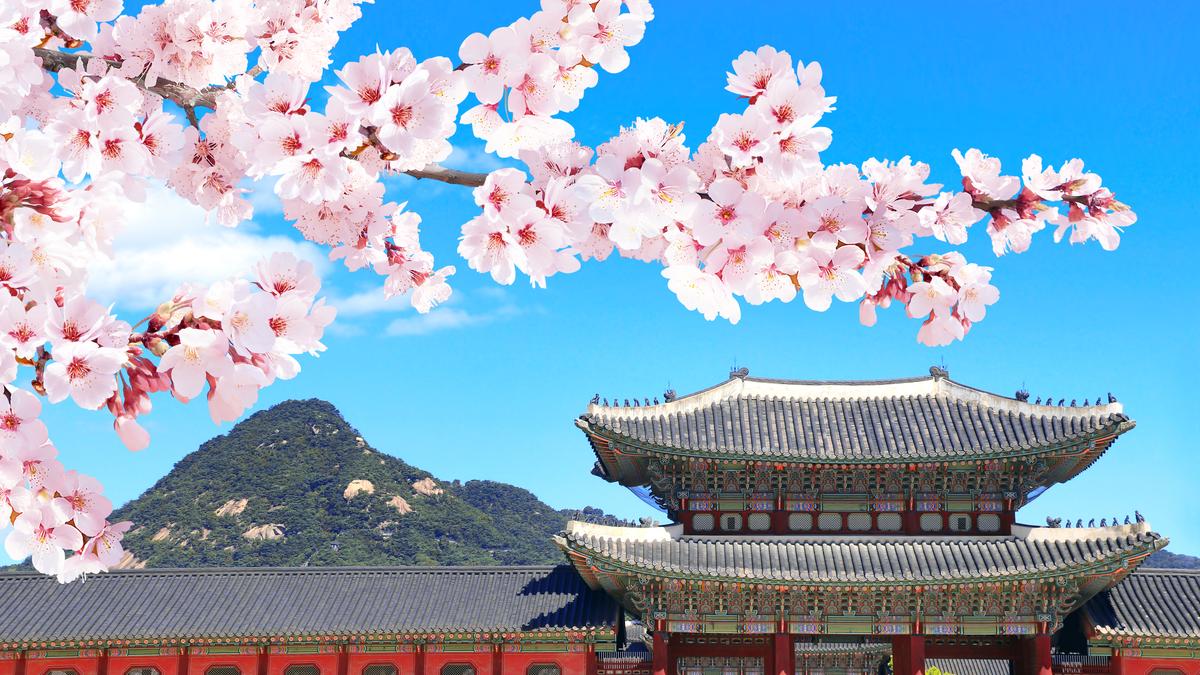
Simultaneously, South Korea is experiencing a "spring surge" in international arrivals. According to preliminary data from travel agencies, hotel occupancy in Seoul and Goyang has reached near-total capacity for the second week of April. Visitors are not only attending the three-night residency but are also engaging in "pilgrimage tourism"—visiting sites associated with the band members or featured in their content.
Key highlights of the current cultural landscape include:
- The Concert Series: Held at the Goyang Stadium, the Arirang tour is designed as a tribute to Korean heritage, blending modern K-pop production with traditional motifs.
- The Peak Bloom: Seoul’s cherry blossoms are forecasted to reach their aesthetic zenith on April 10, coinciding perfectly with the break between the first and second concert dates.
- The Global Broadcast: Following a successful live-streamed performance at Gwanghwamun in March, the Arirang tour continues BTS’s partnership with Netflix, ensuring global visibility for South Korean landmarks.
Chronology: The Road to Goyang
The momentum leading up to today’s kickoff has been building for months, characterized by a strategic rollout of public performances and digital content.

- March 2024: The Gwanghwamun Prelude. BTS performed a special live set at Gwanghwamun Square, the historic heart of Seoul. Set against the backdrop of the southern gate of Gyeongbokgung Palace, the event was captured for the Netflix special BTS THE COMEBACK LIVE | ARIRANG. This performance served to re-establish the group’s presence in the public consciousness and link their brand to South Korean national identity.
- Late March 2024: The Bloom Forecast. Meteorological reports confirmed that the 2024 cherry blossom season would be slightly earlier than average, placing the peak bloom directly in the middle of the BTS concert window.
- April 1–8, 2024: The Arrival. International fans began arriving at Incheon International Airport in record numbers. The KTO established "Hallyu Welcome Desks" to assist fans with navigation and provide specialized travel guides.
- April 9, 2024: Opening Night. The Arirang tour officially commences in Goyang, featuring a setlist that balances global hits with new arrangements of traditional Korean folk songs.
Supporting Data: A Specialized Guide for the Hallyu Traveler
For the modern traveler in South Korea, the experience is increasingly dictated by digital literacy and niche interests. The current influx of visitors is moving beyond the "predictable highlights" of Gyeongbokgung Palace and Cheong Wa Dae (the former presidential residence), seeking instead the authentic, lived experiences of their idols.
The Digital Infrastructure
A crucial piece of data for any visitor is the unique digital landscape of South Korea. Due to national security regulations regarding mapping data, Google Maps remains largely non-functional for pedestrian navigation. Travelers are instead relying on Naver Maps or KakaoMap. Furthermore, the T-Money card remains the indispensable tool for the country’s world-class public transit system, used for everything from subways to convenience store purchases.
Idol-Spotting and "Bench" Culture
In Seongsu-dong, the Seoul Forest Park has become a site of quiet devotion. Fans have funded and dedicated numerous benches and tables to BTS members.

- Suga’s Bench: Features the poignant engraving, "Please lean on me and rest sometimes."
- J-Hope Forest: A small, curated garden within the park marked by a bright yellow J-shaped bench.
These installations represent a shift in fan engagement—from loud stadium cheers to the quiet preservation of public green spaces.
The Culinary Economy of "RM-Recommended" Spots
The "BTS Effect" is perhaps most visible in the culinary sector. Samcheongdong Hotteok, located in a narrow alley in the Jongno district, has seen a significant spike in foot traffic. The stall, famous for its honey, nut, and beef bulgogi fillings, gained international fame after RM (Kim Nam-joon) shared photos of his visits.
Additionally, the 24-hour Ramen Convenience Store in Jongno has become a viral sensation. Unmanned and relying on automated induction machines, the shop allows travelers to customize their meals and leave post-it notes, creating a global mosaic of traveler testimonials.
The "Brooklyn of Seoul": Seongsu-dong
The neighborhood of Seongsu has transitioned from an industrial shoe-making hub to what locals call the "Brooklyn of Seoul." It now hosts high-end flagship stores such as the Dior glass house, Tamburins (perfume), and Gentle Monster (eyewear). For the Hallyu traveler, this area represents the intersection of luxury fashion and K-pop aesthetics.

Official Responses: Government and Corporate Support
The South Korean government has recognized that BTS is a primary driver of the "Visit Korea Year 2023-2024" initiative.
The Korea Tourism Organization (KTO):
A spokesperson for the KTO stated, "The synergy between BTS’s tour and the cherry blossom season provides a holistic view of Korea—combining our traditional natural beauty with our modern cultural exports. We have worked to ensure that fans have access to free cultural centers like HiKR Ground, where they can use XR (Extended Reality) studios to create their own K-pop content."
Seoul Metropolitan Government:
The city has introduced the Seoul Outdoor Library initiative to coincide with the spring crowds. By setting up bookshelves and beanbags at Seoul Plaza, Gwanghwamun Square, and along the Cheonggyecheon stream, officials hope to encourage a "slower" form of tourism that balances the high energy of concert-going with the intellectual pursuit of Korean literature. This is particularly relevant as Korean authors like Han Kang and Cho Nam-joo gain global traction.

Logistics and Safety:
Local authorities in Goyang have deployed additional transit police and "Orange Helpers" (tourist assistants) to manage the crowds at Goyang Stadium, ensuring that the surge in population does not disrupt local infrastructure.
Implications: The Long-term Impact of Hallyu Tourism
The Arirang tour and the accompanying travel boom highlight several long-term implications for South Korea’s socio-economic landscape.
1. The Diversification of Tourism
While traditional tourism focused on historic palaces, the current trend is "lifestyle tourism." Visitors are interested in where idols shop, what they read, and how they exercise. This spreads tourism revenue more evenly across different neighborhoods, benefiting small business owners in areas like Seongsu and Hongdae.

2. Soft Power and National Identity
By naming the tour Arirang—the title of Korea’s most famous folk song—BTS is actively participating in cultural diplomacy. They are bridging the gap between the "Old Korea" (represented by Gwanghwamun and traditional hanoks) and the "New Korea" (represented by high-tech XR studios and global streaming platforms).
3. Economic Resilience
The ability of the South Korean economy to rebound post-pandemic has been significantly bolstered by these "mega-events." The "BTS Economy" includes not just ticket sales, but also the "Olive Young" effect (mass purchases of K-beauty products), stationery sales at Kyobo Book Centre, and the thriving resale market for K-pop memorabilia in Myeong-dong.
4. The "Step Count" Urbanism
Seoul’s reputation as an "immensely walkable" city is being put to the test. The steep hills and labyrinthine alleys of neighborhoods like Insa-dong and Samcheong-dong are becoming part of the "authentic" Korean experience. This physical engagement with the city’s geography fosters a deeper connection than traditional bus-tour tourism.

As the sun sets over the Han River and the first night of the Arirang tour concludes, the atmosphere in South Korea remains one of exuberant celebration. Between the falling cherry blossoms and the echoing cheers from Goyang, the country has successfully positioned itself as the undisputed center of the global cultural map this April. For the thousands of visitors currently navigating the streets with Naver Maps in one hand and a sweet potato latte in the other, the message is clear: Life goes on, and in Seoul, it does so with unparalleled rhythm and beauty.
