

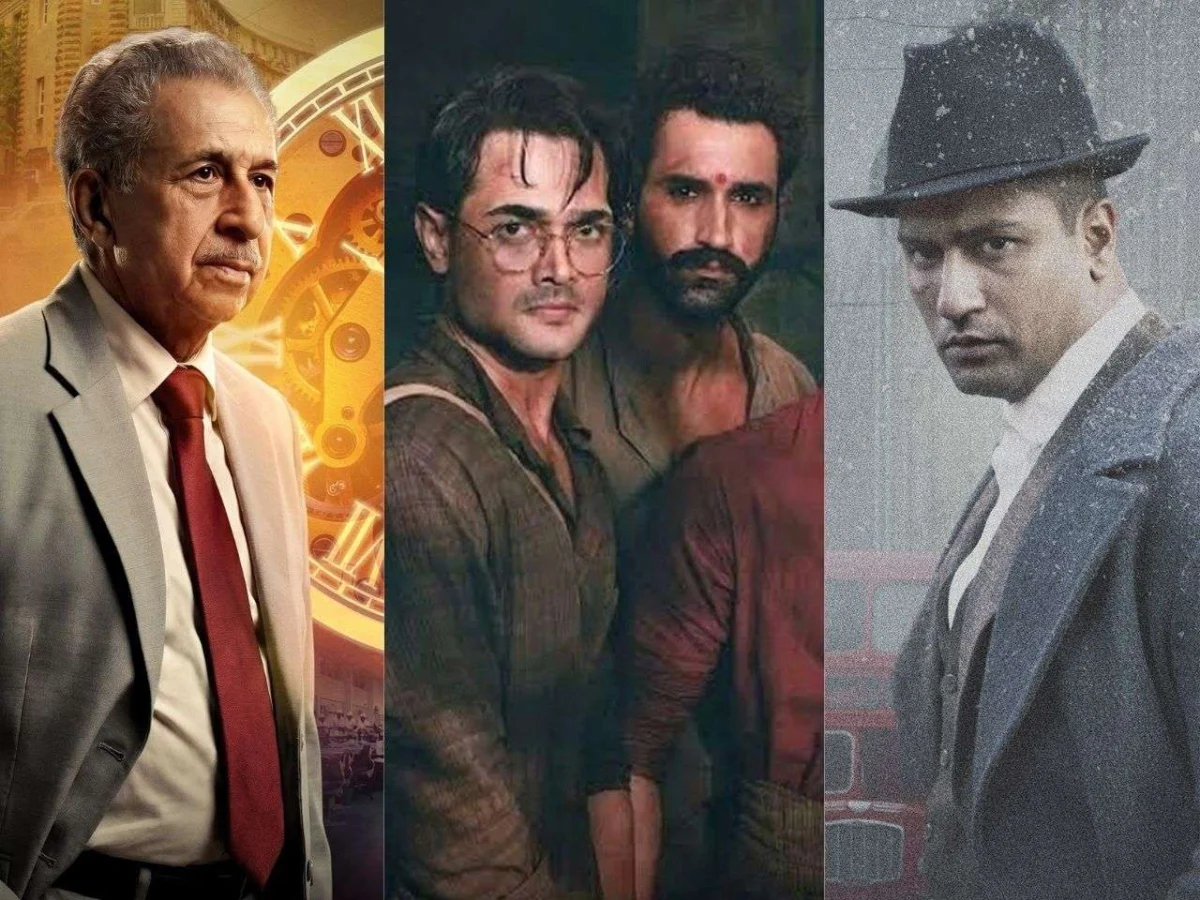
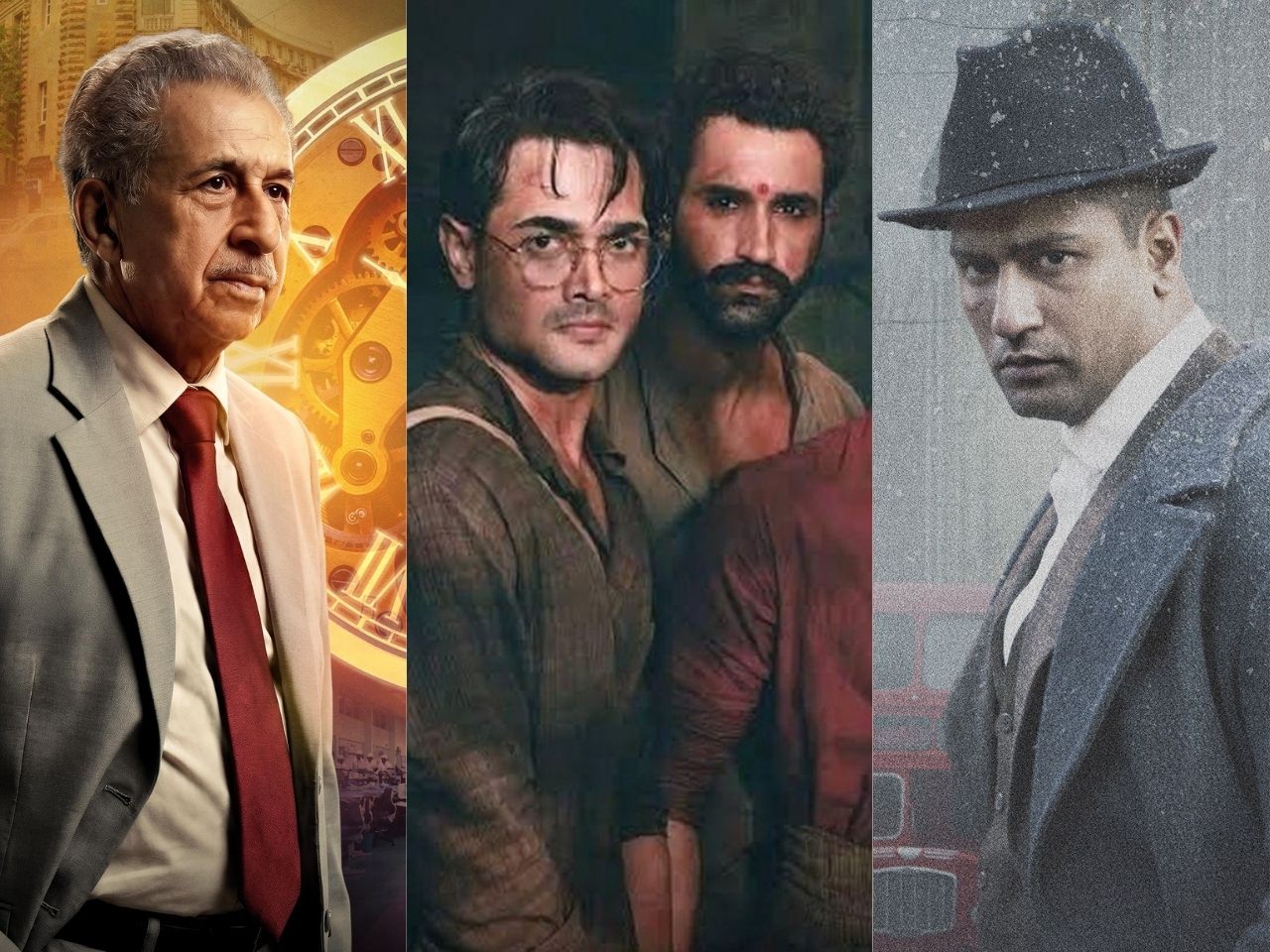
In an era saturated with digital content, Prime Video has emerged as a significant force in reinterpreting and presenting Indian history to a global audience. Through a trio of compelling productions – the recently released period drama series The Revolutionaries, the critically acclaimed film Sardar Udham, and the insightful docu-series Made in India: The Titan Story – the streaming giant has masterfully cracked the code of showcasing historical narratives with profound humanization, without sacrificing or shadowing the truth. These productions collectively represent a paradigm shift in how Indian history is brought to life on screen, moving beyond the traditional confines of dry textbook accounts or sensationalized melodrama to embrace the nuanced tapestry of human emotion, quiet conviction, and grounded storytelling.
The Unveiling of "The Revolutionaries": A New Dawn for Historical Dramas
Nikkhil Advani’s The Revolutionaries, which premiered on September 11th, has swiftly garnered widespread acclaim from both audiences and critics. Inspired by historian Sanjeev Sanyal’s seminal work, Revolutionaries: The Other Story Of How India Won Its Freedom, the series delves into the often-overlooked underground armed resistance that galvanized the nation in the aftermath of the 1857 Sepoy Mutiny. Unlike many historical portrayals that tend to either sanitize or glorify the past, The Revolutionaries opts for a more authentic and deeply human approach.
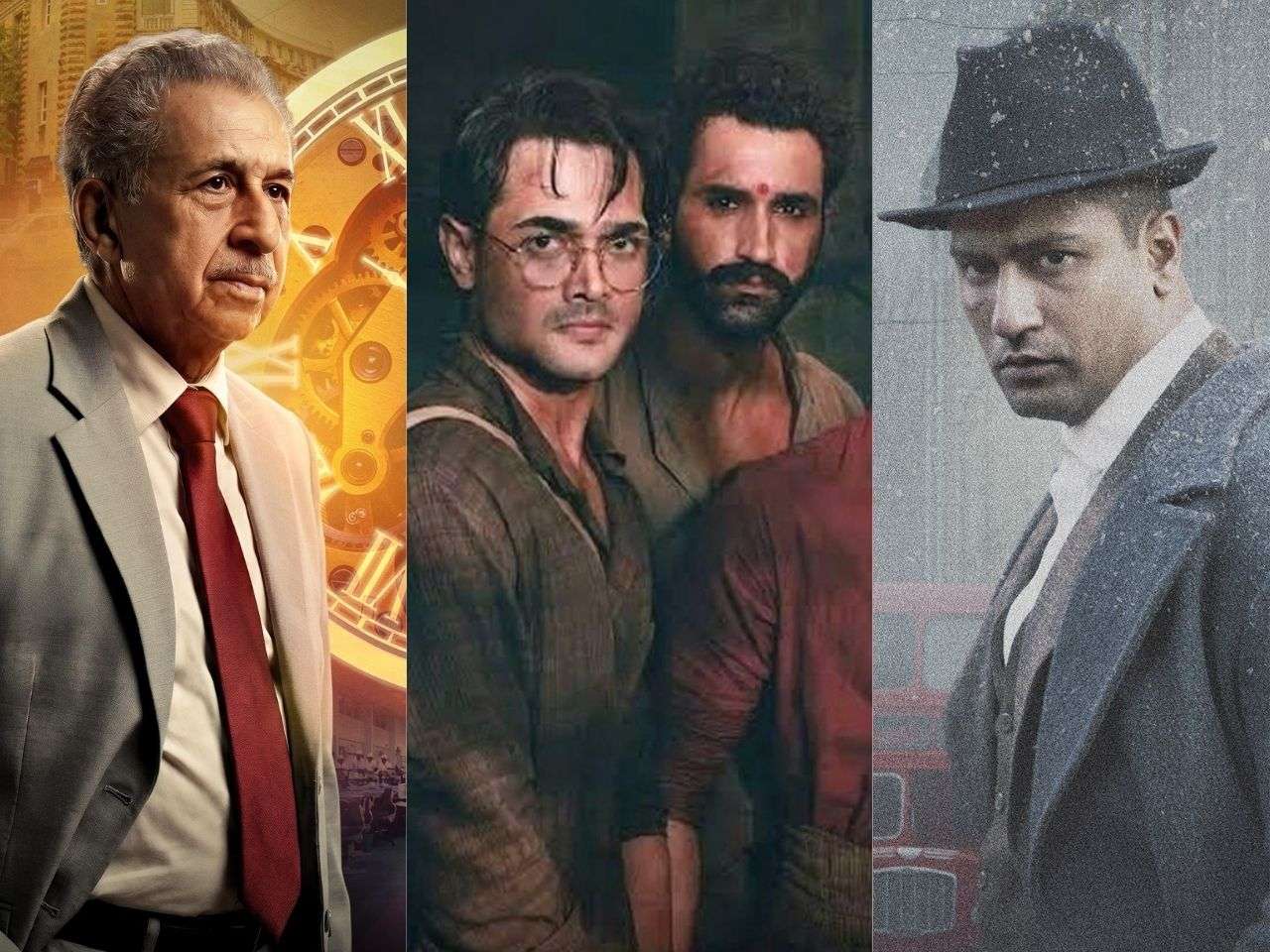
The series boasts a dynamic ensemble cast, featuring Bhuvan Bam as the enigmatic Rash Behari Bose, Rohit Saraf as the steadfast Sachindra Nath Sanyal, Gurfateh Pirzada as the fiery Bagha Jatin, and Pratibha Ranta as the resilient Pratibha Lahiri. Through their performances, the show artfully illuminates the human spirit that resided behind these formidable historical figures. These are not presented as larger-than-life, invincible heroes, but as young individuals grappling with fear, forging unbreakable bonds of friendship, and driven by an unwavering commitment to their ideals.
A key element contributing to the series’ success is its deliberate avoidance of ostentatious melodrama. Instead, The Revolutionaries prioritizes genuine emotion, quiet determination, and a grounded narrative style that resonates deeply with viewers. This approach allows the historical events and the struggles of the revolutionaries to unfold organically, fostering a more profound and lasting connection with the audience. The series effectively captures the palpable sense of idealism and the immense personal sacrifices made by these individuals in their relentless pursuit of freedom. By focusing on their personal journeys, their doubts, their triumphs, and their unwavering resolve, Advani and his team have managed to make history feel not just relevant, but intensely personal.
)
A Shift in Perspective: From Dry Facts to Emotional Resonance
For a considerable period, historical dramas on Indian screens often found themselves oscillating between two extremes. On one end of the spectrum were productions that felt akin to a dry, academic textbook, offering a dispassionate recitation of facts and dates without much emotional depth. On the other were those that leaned heavily into exaggerated drama and sensationalism, aiming for quick thrills but ultimately sacrificing historical nuance and emotional authenticity.
Prime Video, in collaboration with visionary filmmakers like Nikkhil Advani, has successfully navigated this challenging terrain. They have effectively "cracked the code" by demonstrating that true historical impact is achieved not through bombastic dialogue or manufactured conflict, but by showcasing real history through the lens of profound, everyday human emotions. This approach allows audiences to connect with the past on a visceral level, understanding the motivations, the fears, and the hopes of the individuals who shaped these pivotal moments.

The Precursors: "Sardar Udham" and "Made in India" Pave the Way
The genesis of this historical reawakening on Prime Video can be traced back to earlier, equally impactful productions.
Sardar Udham: The Power of Silent Grief and Enduring Resolve
Released in 2021, Shoojit Sircar’s Sardar Udham, starring Vicky Kaushal in the titular role, was a landmark achievement. The film masterfully demonstrated that the true weight of historical events lies not in dramatic pronouncements, but in the silent, enduring grief and the decades-long commitment to justice. Sircar’s directorial prowess allowed the past to unfold with a deliberate patience, transforming the horrific Jallianwala Bagh massacre from a mere historical footnote into a deeply personal tragedy that fueled Sardar Udham Singh’s lifelong quest for retribution.
)
Sardar Udham eschewed histrionics, instead focusing on the quiet intensity of its protagonist. Kaushal’s performance was a testament to the power of restraint, conveying a lifetime of pain, determination, and unwavering resolve through subtle gestures and a piercing gaze. The film’s meticulous attention to historical detail, coupled with its emotional depth, created a viewing experience that was both educational and profoundly moving. It reminded audiences that history is not just about grand events, but about the individual lives touched and irrevocably altered by them. The film’s success underscored the growing appetite for historical narratives that prioritize authenticity and emotional truth over superficial spectacle.
Made in India: The Titan Story: Corporate History Through a Human Lens
Prime Video further demonstrated its commitment to nuanced historical storytelling with Made in India: The Titan Story, released in 2026. Directed by Robbie Grewal, this docu-series tackled the often-dry subject of corporate history and transformed it into a compelling narrative of ambition, innovation, and resilience. The show chronicled the formidable journey of Xerxes Desai, portrayed with remarkable depth by Jim Sarbh, and the visionary J.R.D. Tata, brought to life by the inimitable Naseeruddin Shah, as they embarked on the audacious mission to build Titan into a globally recognized brand.
)
Against the backdrop of bureaucratic hurdles and relentless red tape, the series humanized the challenges faced by these pioneers. It explored their optimism in the face of overwhelming odds, their moments of self-doubt, and the significant personal risks they undertook. Made in India: The Titan Story succeeded in making corporate history relatable by focusing on the human element – the drive, the passion, the sacrifices, and the sheer grit required to turn a vision into a tangible reality. This approach proved that even the seemingly mundane aspects of industrial and economic history can be imbued with compelling human drama.
The Perfected Narrative: "The Revolutionaries" as the Culmination
With the release of The Revolutionaries, Prime Video appears to have solidified its position as a leader in humanizing Indian history. Nikkhil Advani’s series acts as a culmination of the mature storytelling exemplified by its predecessors. The series skillfully captures these historical figures not as distant, unassailable legends, but as relatable young men and women. It portrays them with their inherent fears, their fierce loyalties, and their deeply held ideals, making their struggles and triumphs resonate with contemporary audiences.
)
The thematic arc that connects these three productions is striking. It begins with the quiet, almost solitary grief of an individual seeking justice for a national tragedy (Sardar Udham). It then transitions to the ambitious, often arduous, process of building a national brand, navigating the complexities of the corporate world (Made in India: The Titan Story). Finally, it culminates in the collective, fervent idealism of young individuals risking everything for the ultimate prize: freedom (The Revolutionaries).
Implications and the Future of Historical Storytelling
The success of these productions on Prime Video carries significant implications for the landscape of historical storytelling in India and beyond.
)
1. Content: A Rich Tapestry of Untold Stories
- Broadening the Scope: These series demonstrate a willingness to move beyond the most commonly depicted historical events and figures. The Revolutionaries, for instance, shines a light on the lesser-known aspects of the independence movement, highlighting the contributions of individuals and groups who might otherwise remain in the footnotes of history.
- Democratizing History: By focusing on the human element, these narratives make history accessible and relatable to a wider audience. The struggles, aspirations, and emotional journeys of the characters transcend time and offer universal themes that resonate with viewers from diverse backgrounds.
- The Power of Nuance: The emphasis on grounded storytelling and the avoidance of melodrama allow for a more nuanced exploration of complex historical periods. This approach fosters critical thinking and encourages viewers to engage with history in a more thoughtful and analytical manner.
2. Chronology: A Structured Approach to Understanding the Past
The chronological progression of these productions, from the aftermath of the 1857 revolt to the corporate innovations of the late 20th century and the early 21st century, provides a valuable framework for understanding India’s historical trajectory.
- Post-1857 Resistance (The Revolutionaries): This series anchors itself in a critical period following a major turning point in Indian history, showcasing the seeds of organized resistance that would blossom into a full-fledged independence movement. It highlights the intellectual and physical battles fought in the shadows.
- The Fight for Independence (Sardar Udham): Situated within the broader context of the freedom struggle, Sardar Udham focuses on the personal impact of colonial atrocities and the enduring spirit of defiance against injustice. It serves as a potent reminder of the sacrifices made during this era.
- Nation Building and Economic Progress (Made in India: The Titan Story): This series shifts focus to the post-independence era, illustrating the nation’s journey towards industrialization and economic self-reliance. It showcases the entrepreneurial spirit and the vision required to build a modern India.
By presenting these narratives in a way that feels connected, Prime Video is not just telling individual stories but contributing to a more comprehensive and integrated understanding of India’s historical evolution.
)
3. Supporting Data: The Resonance of Authentic Storytelling
While specific viewership numbers for these series are proprietary to Prime Video, the critical acclaim and widespread audience engagement serve as strong supporting data for the effectiveness of their approach.
- Critical Acclaim: Reviews for all three productions consistently highlight their authenticity, emotional depth, and superior storytelling. Critics have lauded the filmmakers for their commitment to historical accuracy while simultaneously imbuing their narratives with compelling human drama.
- Audience Engagement: Social media buzz, online discussions, and fan reactions indicate a strong connection with the characters and the historical events depicted. Viewers have expressed appreciation for the ability of these series to educate and entertain without resorting to superficiality.
- Awards and Recognition: The critical success of Sardar Udham in particular, with its multiple accolades, further validates the power of its humanized approach to historical filmmaking.
This positive reception suggests a growing demand for historically rich content that prioritizes genuine human experiences.
)
4. Official Responses and Industry Impact
The success of Prime Video’s historical ventures has undoubtedly influenced the broader entertainment industry.
- A New Benchmark for Historical Dramas: These productions have set a new benchmark for historical storytelling, inspiring other content creators and platforms to adopt similar approaches that prioritize authenticity and emotional depth.
- Investment in Historical Narratives: The positive reception may encourage further investment in historical documentaries and dramas, leading to a richer and more diverse slate of content exploring India’s multifaceted past.
- Global Reach for Indian History: By presenting these stories on a global streaming platform, Prime Video is not only entertaining Indian audiences but also introducing the complexities and richness of Indian history to a worldwide viewership, fostering greater understanding and appreciation.
5. Implications: The Enduring Power of Human Emotion
The overarching implication of these successful productions is the profound realization that history, at its core, is about human beings. When stories of the past are told through the lens of relatable emotions – be it grief, ambition, friendship, or the fierce desire for freedom – they transcend the confines of textbooks and become living, breathing narratives that resonate deeply with us.
)
Prime Video’s strategy, exemplified by The Revolutionaries, Sardar Udham, and Made in India: The Titan Story, is a testament to the power of humanized storytelling. By allowing the real human emotions to lead the way, these productions have not only entertained but also educated and inspired, proving that history hits home hardest when it connects with our shared humanity. This approach ensures that the sacrifices of the past are remembered, the triumphs are celebrated, and the lessons learned continue to shape our present and future. The streaming giant has indeed cracked the code, ushering in a new era where history is not just studied, but deeply felt and understood.
