

In an era defined by Instagram filters, viral TikTok "must-see" locations, and the commodification of the travel experience, a growing counter-movement is seeking a return to the roots of exploration. For Nisha Vikram, the Bengaluru-based founder of the design studio CraftCanvas, travel is not a checklist of global landmarks but a slow, often unpredictable pursuit of human connection and artistic heritage.
While the modern traveler often seeks the "white Christmases" of Scandinavia or the "Instagrammable" cafes of Paris, Vikram’s itinerary leads to the rugged terrains of Hazaribagh in Jharkhand or the remote embroidery clusters of Himachal Pradesh. This approach to "slow travel" suggests that the true value of a journey lies not in the destination’s popularity, but in its ability to surprise, challenge, and ultimately connect the traveler to something larger than themselves.
Main Facts: The Philosophy of "Nazare Bhi Humse Mile"
The core of Vikram’s travel philosophy can be distilled into a single line from a popular Lucky Ali song: “Nazare bhi humse mile” (The sights will come to meet you). This perspective shifts the traveler from an active hunter of "experiences" to a receptive observer of life.
The Distinction Between Travel and Tourism
In the professional discourse of modern hospitality, a clear distinction has emerged between "tourism"—which is often transactional, scheduled, and centered on consumption—and "travel," which is experiential, unscheduled, and transformative. Vikram argues that chance encounters are the primary differentiator. This involves:

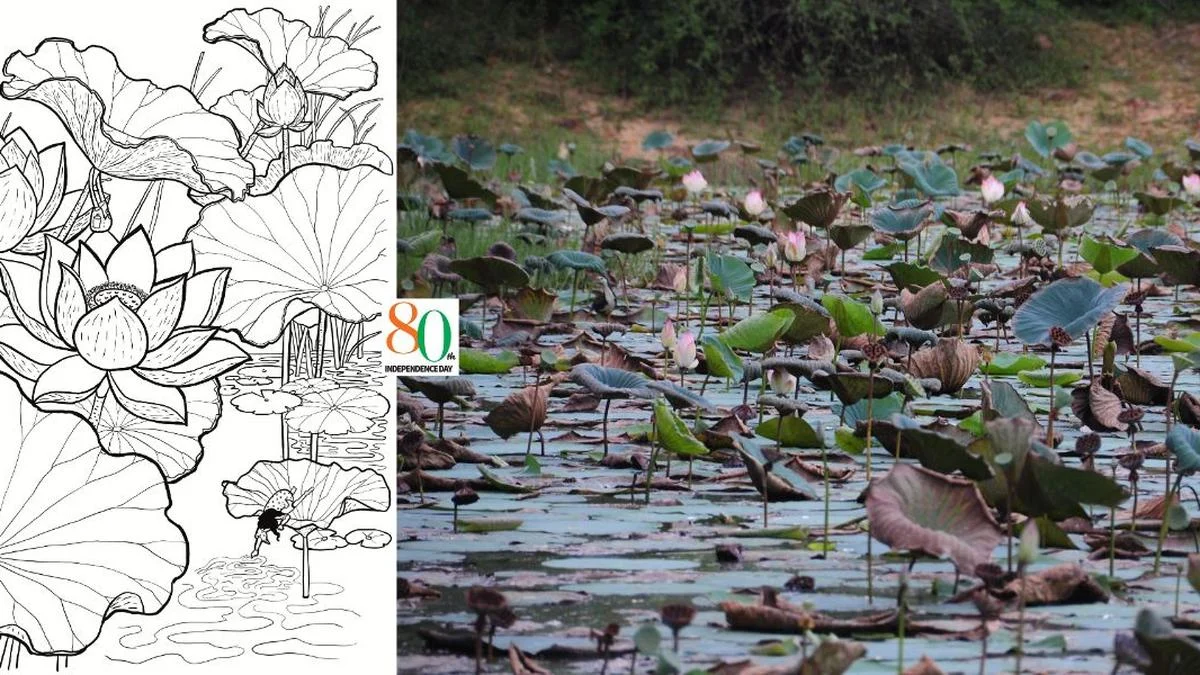
- The Rejection of Fixed Outcomes: Traveling without a rigid itinerary allows for spontaneous discoveries, such as a hidden lotus pond found during a routine stop in Tamil Nadu.
- The Valorization of the Local: Choosing local transport, eating at unnamed bakeries, and staying in non-commercialized areas to simulate the life of a resident rather than a visitor.
- The Pursuit of Craft: Using indigenous art forms as a map to navigate the country, thereby supporting local economies and preserving dying traditions.
CraftCanvas: From Personal Passion to Professional Mission
Vikram’s personal journeys eventually birthed CraftCanvas, a design studio that bridges the gap between traditional Indian artisans and contemporary urban spaces. The studio currently works with over 30 distinct craft traditions across India, transforming rural artisanal work into functional art for modern homes and offices. This professional endeavor was born directly from a 2008 monsoon trip that prioritized camaraderie and weather over comfort.
Chronology: A Decade of Unscheduled Exploration
The evolution of this travel ethos can be traced through several pivotal journeys that shaped both Vikram’s personal life and her professional trajectory.
2008: The Genesis of "Chasing the Monsoon"
The turning point occurred in 2008 while Vikram was still immersed in a corporate career. Inspired by Alexander Frater’s book, Chasing the Monsoon: A Modern Pilgrimage Through India, she joined a group of strangers on a train journey from Mumbai to the Konkan coast.
- The Experience: The trip involved trekking through the muck of Yana caves in Gokarna, sleeping in communal dorms, and embracing the torrential rains of the Western Ghats.
- The Outcome: The bonds formed during this "weather-built" trip provided the emotional and financial support for Vikram to quit her corporate job. These strangers became the first investors in CraftCanvas, proving that authentic travel can lead to radical life changes.
2009–2011: The "Analog" Search for Artisans
Before the ubiquity of Google Maps and high-speed mobile data, Vikram’s methodology was purely analog. Armed with the seminal book Handmade in India by Aditi and M.P. Ranjan (2007), she began scouting for craft villages.

- Shivarapatna (2011): Seeking stone carvers in the Kolar district of Karnataka, she relied on a printed page from a book and the directions of a tea-shop owner. This "human GPS" led her to the heart of a community of master carvers, an encounter that would have been impossible through a standard tourist agency.
2015–2017: High Altitudes and High Risks
The search for craft often led to the remote corners of the Himalayas.
- Upper Kinnaur (2015): A late arrival in a mountain village coincided with an annual temple festival. The group witnessed a rare display of hand-woven bridal dresses and heirloom jewelry, an organic immersion into the region’s textile wealth that no travel brochure could have predicted.
- Chamba (2017): Traveling during her third trimester of pregnancy, Vikram sought out Padma Shri Lalita Vakil, a master of the Chamba Rumal (embroidered handkerchief). Despite the physical toll of the journey and a "shady" hotel choice, the morning revealed a landscape of magnificent rivers and giant butterflies—a reward for enduring the "picturesque over the practical."
Supporting Data: The Impact of the Artisanal Economy
The journeys described by Vikram are more than personal adventures; they represent a vital link to India’s massive artisanal sector. According to the Fourth All India Handloom Census, nearly 3.1 million households in India are engaged in weaving and allied activities.
| Craft Tradition | Region | Significance |
|---|---|---|
| Chamba Rumal | Himachal Pradesh | "Needle-painting" featuring intricate double-satin stitch, recognized by UNESCO. |
| Stone Carving | Shivarapatna, Karnataka | Centuries-old tradition of carving idols from monolithic stones. |
| Sohrai & Khovar | Hazaribagh, Jharkhand | Mural art painted by tribal women on the mud walls of their homes during harvest. |
| Kinnauri Weaving | Himachal Pradesh | Geometric patterns on woolens, reflecting the Buddhist influence of the region. |
Vikram’s "methodology" of arriving in a village and asking for the local artisan is a form of direct-to-source sourcing that minimizes the role of middlemen, ensuring that a larger portion of the proceeds remains within the village community.
Official and Societal Responses: The Digital Dilemma
The rise of digital technology has created a paradox in the world of craft-based travel. While Vikram longs for the "harder" days of discovery, she acknowledges that the digital shift has been an overwhelming net positive for the artisans themselves.

The Positive Impact of Connectivity
Government initiatives and social media platforms have significantly reduced "information asymmetry."
- Direct Access: Artisans now utilize WhatsApp and Instagram to showcase their catalogs to global buyers, eliminating the need to wait for a physical visitor to place an order.
- Economic Stability: Location pins and Zomato ratings for village tea stalls mean that even remote clusters are becoming part of the "tourism circuit," providing consistent income that can fund education and healthcare for artisanal families.
The Loss of the "Quest"
However, cultural critics and seasoned travelers note that the "democratization" of these locations often leads to "over-tourism." When a location is "pinned," it loses the element of serendipity. The "hidden lake" Vikram found in Tamil Nadu remains special precisely because it lacks a location tag. There is a concern that as every corner of the country is mapped and rated, the opportunity for genuine, unmediated human experience diminishes.
Implications: The Future of Exploration
The tension between the daughter’s desire for "Instagrammable" fame and the mother’s quest for "cave paintings" highlights a generational shift in how we perceive the world. However, the implications of Vikram’s travel style suggest a more sustainable and soulful path forward for the global travel industry.
1. The Rise of "Slow Travel"
As travelers become weary of the "fast-fashion" equivalent of tourism, there is a projected increase in slow travel—where the goal is to spend more time in fewer places, prioritizing depth over breadth. This trend supports environmental sustainability and deeper cultural understanding.

2. The Preservation of Intangible Heritage
By traveling to see "cave painting-inspired murals" in Hazaribagh, travelers become patrons of intangible heritage. This visibility encourages the younger generation within artisanal families to continue their ancestral crafts rather than migrating to urban centers for unskilled labor.
3. Personal Transformation
The ultimate implication of Vikram’s narrative is that travel should be a mirror to the self. By embracing the unpredictable—whether it is drinking too much toddy in Goa or pushing furniture against a hotel door in Chamba—the traveler is reminded of their place in a larger, uncontrollable world.
In conclusion, while the world moves toward a more "pinned" and "rated" existence, the stories of Nisha Vikram serve as a reminder that the most profound sights are often those we weren’t looking for. As she notes, her daughter will eventually find this truth for herself. For now, the path to the soul of India remains off the beaten track, located somewhere between a hidden lotus pond and a village festival in the high Himalayas.
