

In the coastal enclave of Goa, the arrival of April does not merely signal a rise in temperature; it heralds the commencement of a visceral, aromatic, and deeply communal ritual. As the tropical sun parches the landscape, a specific fragrance begins to waft through the villages of the south—the pungent, sweet, and unmistakable scent of fermented cashew apples. This is the season of Urrak, a cloudy, nectar-like spirit that serves as the ephemeral precursor to the world-renowned Cashew Feni.
For the local population, Urrak is more than just an alcoholic beverage; it is a seasonal heartbeat. Unlike its more stable sibling, Feni, which is distilled twice and can be aged for years, Urrak is the product of the first distillation. It is a "living" drink—fragile, potent, and strictly seasonal. For a few fleeting weeks in April and May, the social fabric of Goa is woven together by the exchange of freshly filled, re-used glass bottles, often accompanied by the proud proclamation that a particular batch, usually sourced from the hinterlands of Quepem or Canacona, is "the best of the season."

Main Facts: The Anatomy of a Seasonal Obsession
Urrak occupies a unique space in the global spirits landscape. While the world recognizes Goa for its beaches and nightlife, the local "Urrak culture" remains one of the state’s best-kept secrets, though it is increasingly becoming a focal point for heritage tourism.
What is Urrak?
Technically, Urrak is the first distillate of fermented cashew apple juice. While Feni reaches an alcohol by volume (ABV) of approximately 40-45%, Urrak is much milder, typically hovering between 12% and 15%. Because it retains a high percentage of the fruit’s juice and essential oils, it possesses a cloudy appearance and a cooling effect, making it the quintessential summer drink.
The Social Ritual
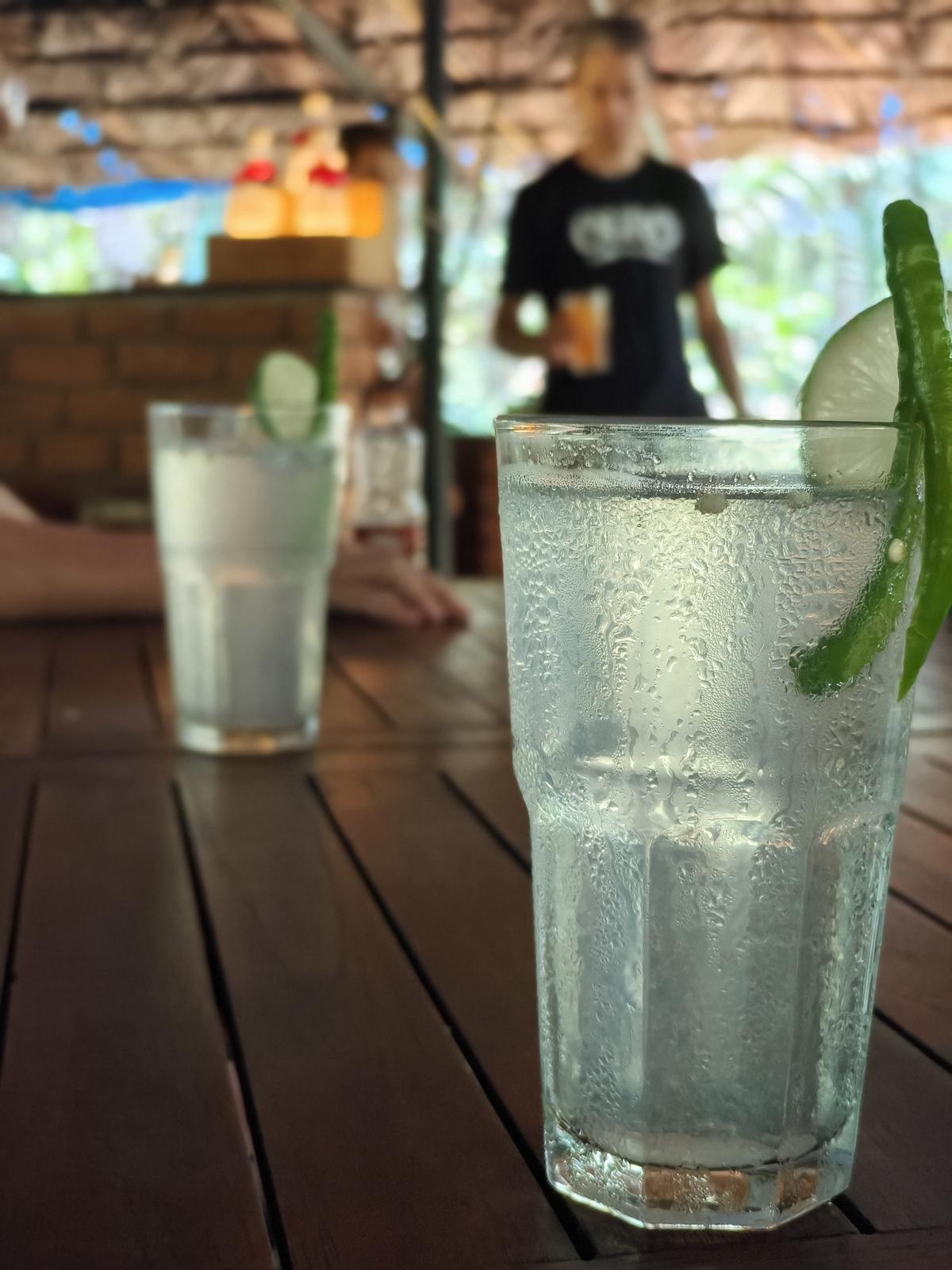
The consumption of Urrak is dictated by a specific etiquette. It is rarely consumed neat. Instead, it is "done right" when mixed with lemonade (often Limca), a pinch of salt, and a slit green chilli. This combination of sweet, sour, salty, and spicy is designed to combat the sweltering Goan heat.
The Economic Shift
The impact of Urrak on the local economy is profound. During the peak harvest months, sales of premium international spirits and even local beers see a significant downturn. As Solomon Diniz, a prominent figure in the Goan liquor industry, notes, "Everyone is only drinking freshly brewed Urrak." This seasonal shift forces even the largest distributors to acknowledge the dominance of this cottage-industry marvel.
Chronology: From the Orchard to the Bhaan
The journey of Urrak is a race against time, dictated by the lifespan of the cashew apple (Anacardium occidentale). The process has remained largely unchanged for centuries, maintaining a link to Goa’s colonial past and its indigenous agricultural wisdom.
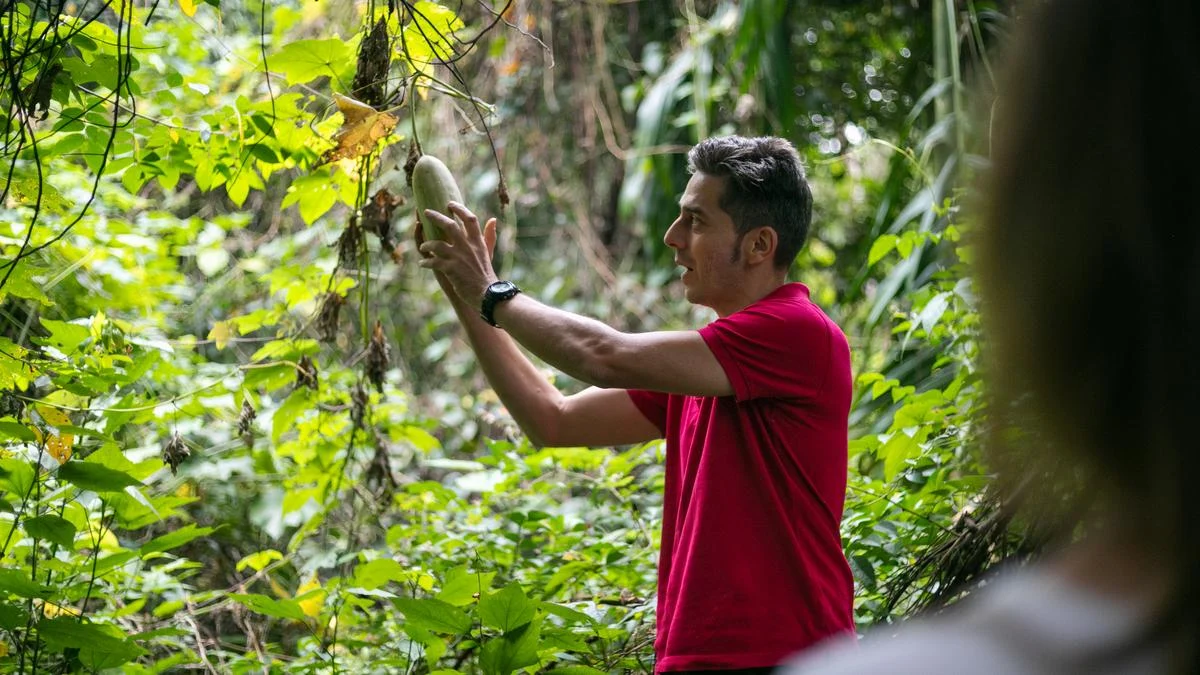
- The Harvest (March – April): The season begins when the cashew apples ripen and fall to the ground. Unlike other fruits, cashew apples are not plucked; they are gathered only after they have naturally detached from the tree, ensuring maximum sugar content for fermentation.
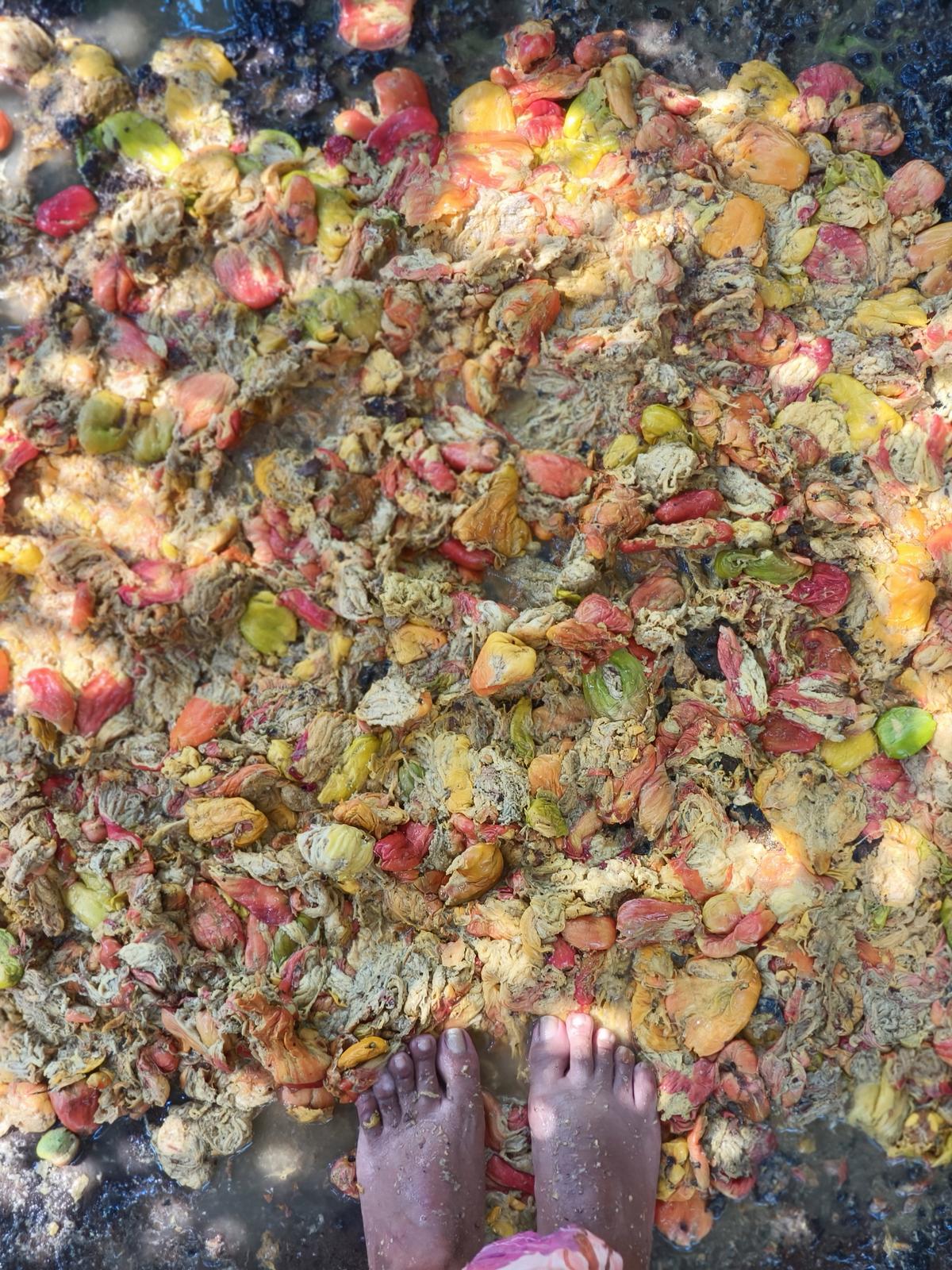
- The Extraction: Traditionally, the apples are de-nutted (the cashew nut is removed) and placed in a kolmbi—a stone-carved basin. They are then stomped by foot to extract the juice, though many modern plantations now use mechanical presses to improve hygiene and efficiency.
- Fermentation: The juice is collected in large earthen pots or plastic vats buried in the ground to maintain a cool, steady temperature. It is left to ferment naturally for two to three days. No yeast is added; the wild yeasts present on the fruit’s skin do the work.
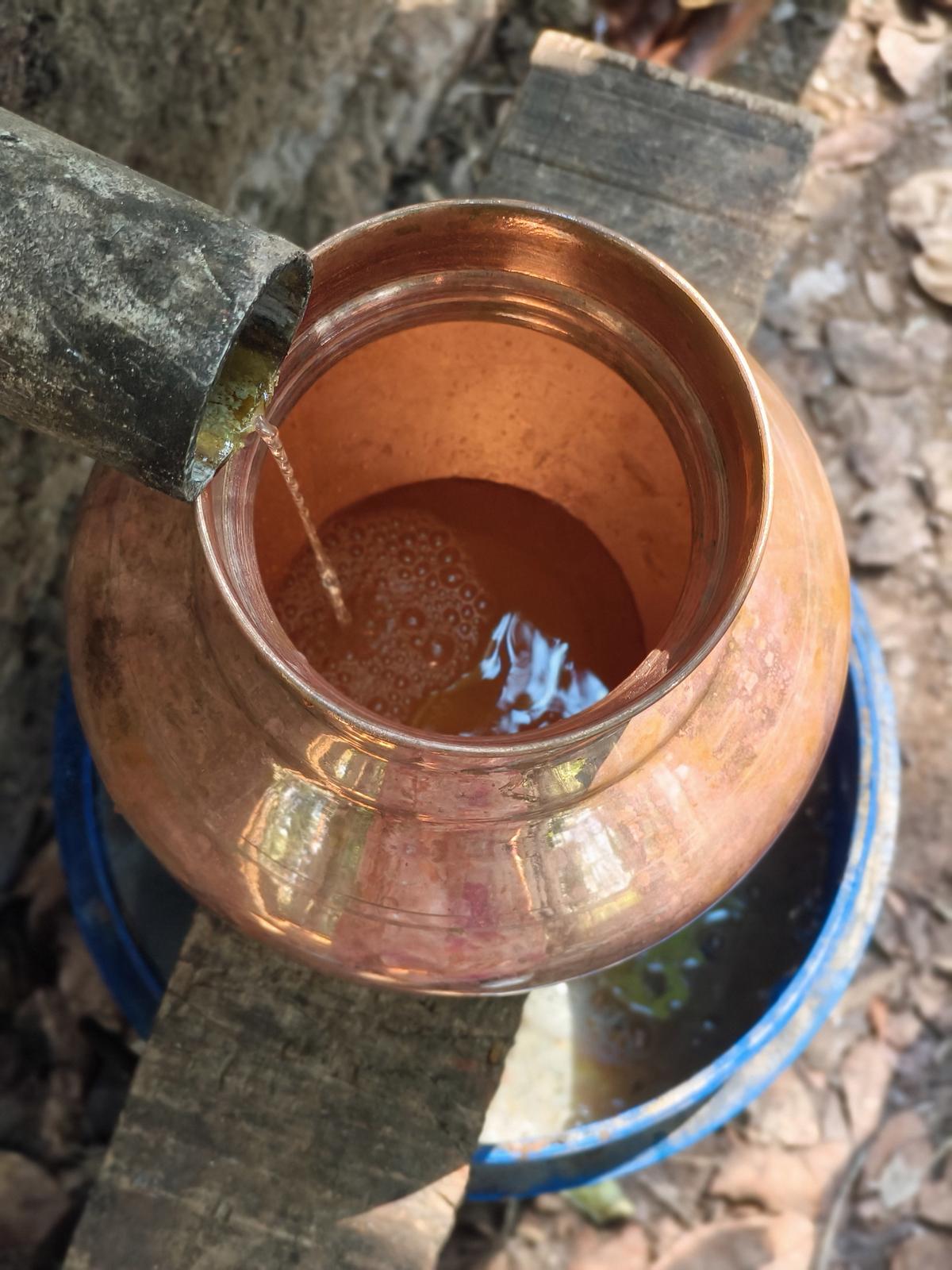
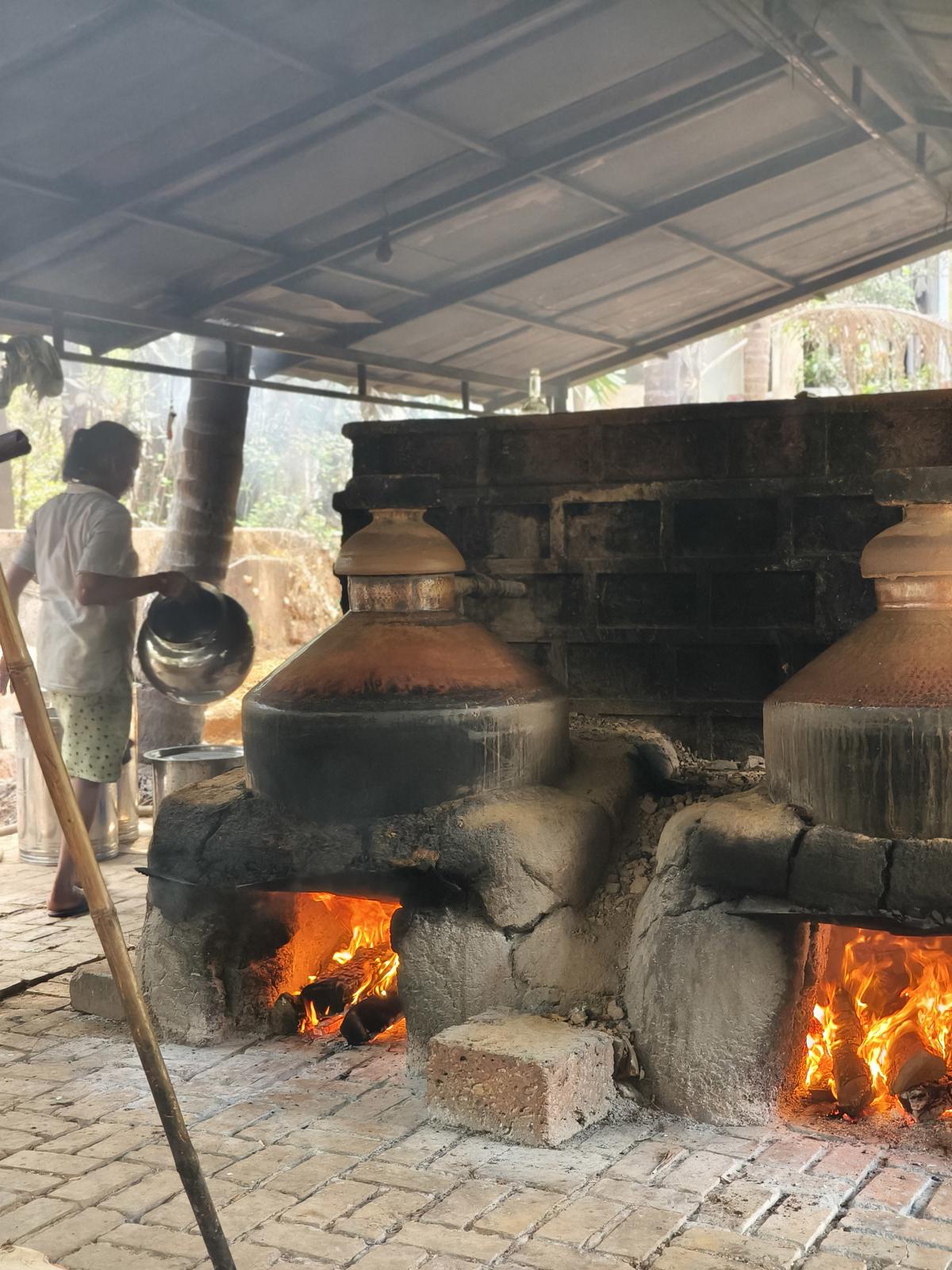
- The First Distillation (Urrak): The fermented juice is boiled in a traditional copper pot called a bhaan. The vapors pass through a conduit—traditionally a bamboo pipe, now often stainless steel or copper—submerged in a water tank for cooling. The liquid that condenses is Urrak.
- The Second Distillation (Feni): To create Feni, the Urrak is mixed with more fermented juice and distilled a second time. This increases the potency and strips away the cloudiness, creating a shelf-stable spirit.
Supporting Data: The Geography of Taste
The quality of Urrak is fiercely debated among connoisseurs, with the "terroir" of South Goa generally held in the highest regard.
- Regional Dominance: The villages of Quepem, Canacona, and Sanguem are considered the "Gold Coast" of cashew distillation. The laterite-rich, red-rust soil of the Western Ghats’ foothills provides a specific mineral profile to the cashew trees, which translates into a more robust and flavorful distillate.
- Scale of Production: While there are over 4,000 registered small-scale distillers in Goa, the majority of Urrak is produced for local consumption or "barter." It is only recently that boutique labels have begun to standardize the "Urrak Experience" for visitors.
- The "Farm-to-Table" Trend: Data from local tourism boards suggests a 20% year-on-year increase in "plantation tourism" during the summer months. Tourists are moving away from the beaches of the North to the orchards of the South to witness the distillation process firsthand.
Official Responses: Perspectives from the Stakeholders
To understand the modern evolution of Urrak, one must look to the families who have guarded these traditions for generations and the innovators who are bringing them to a global stage.
The Legacy Holders: The Diniz Family
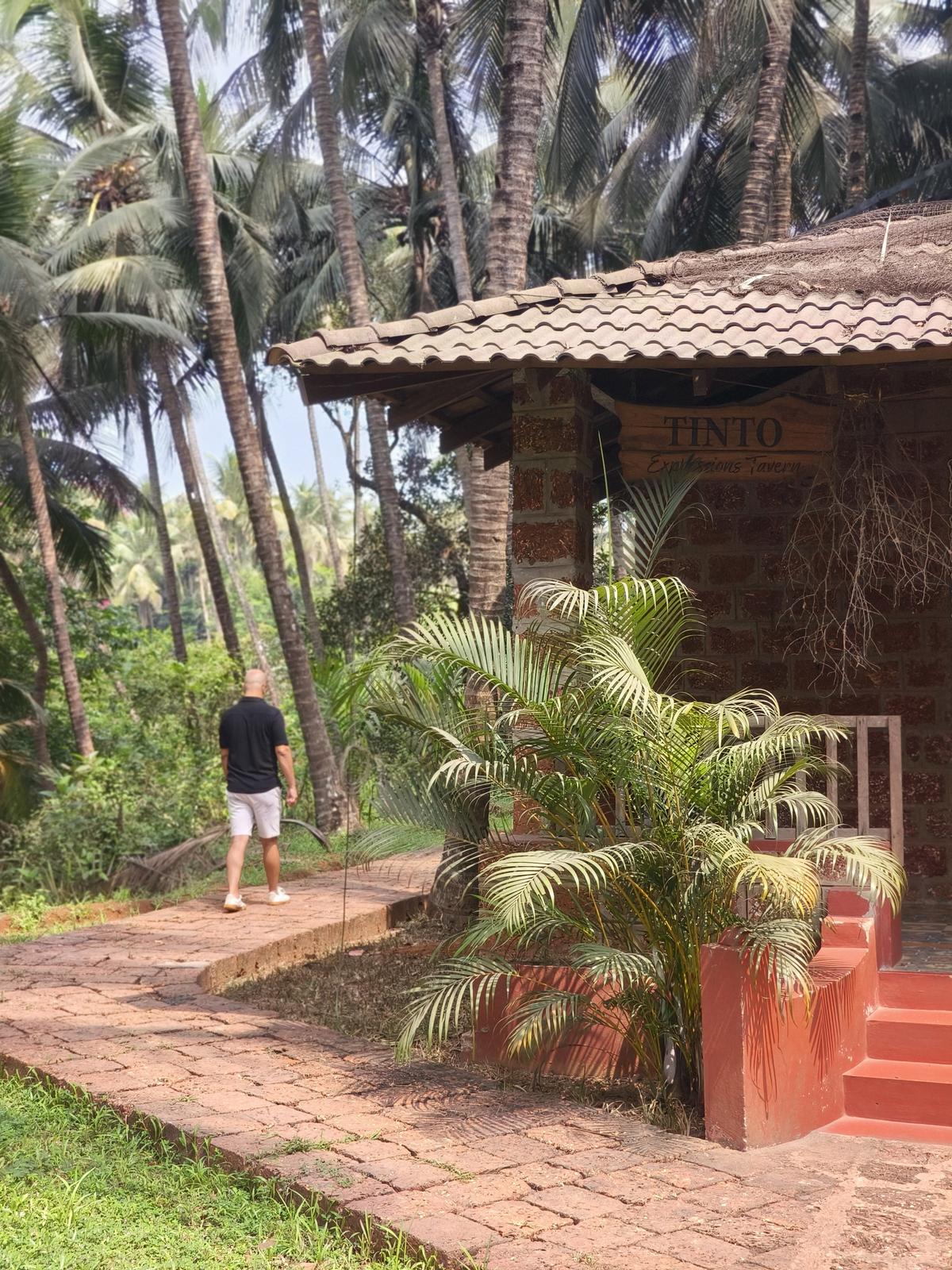
In the village of Cotombi, the Diniz family has been distilling since the late 1800s. Solomon Diniz, the force behind Adinco Distilleries and the premium Tinto brand, views Urrak as a nostalgic bridge. "The road to Cotombi is nostalgic in every sense," he says, describing a landscape of golden paddy fields and mango-laden trees. For Diniz, the challenge lies in balancing the "farm-to-table" aspiration of modern culinary enthusiasts with the raw, unpretentious nature of the village tavern. His Tinto Expressions Tavern in Quepem serves as a curated space where the history of the bhaan meets modern hospitality.
The Philosophers: The Malkarnekars
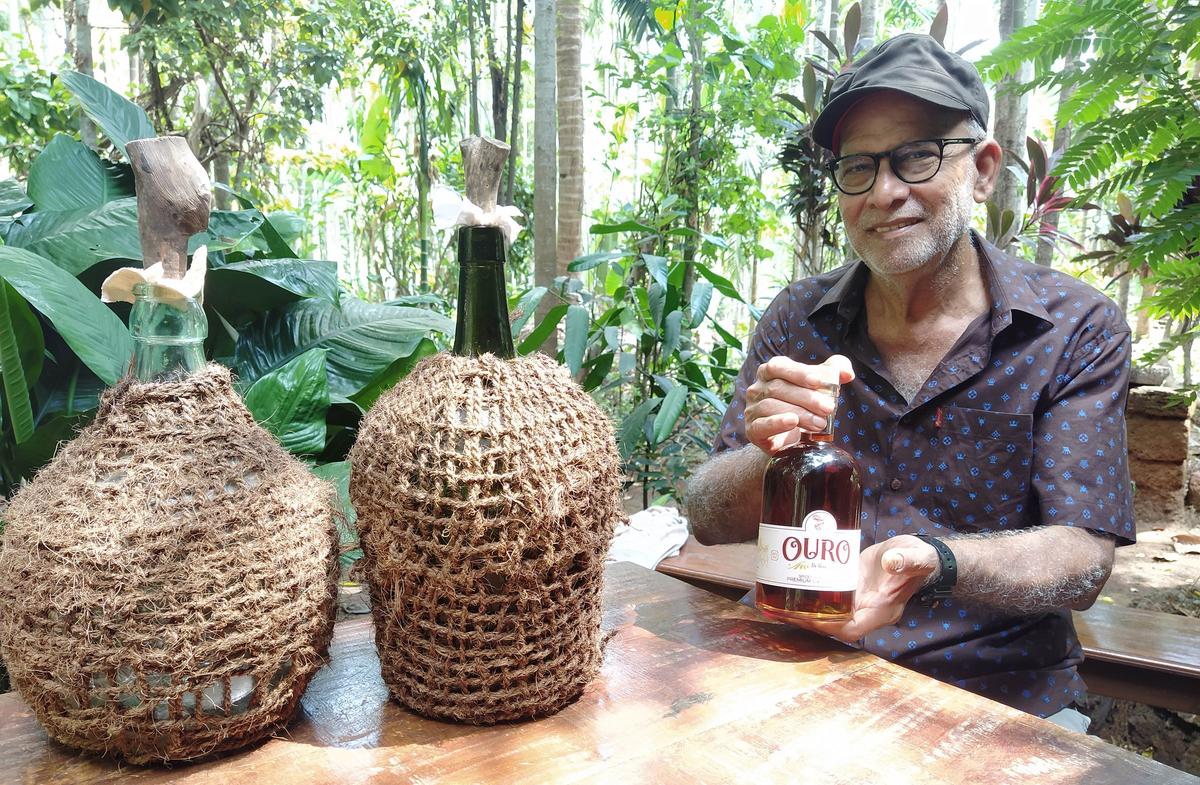
Deep in the folds of the Western Ghats, near the Mollem National Park, lies the Dudhsagar Plantation. Here, Ajit Malkarnekar and his son Ashok represent a different facet of the industry: the ecological purists. Having transformed 50 acres of barren laterite soil into a dense tropical forest in the 1980s, the Malkarnekars view Urrak as part of a "circular-living system."
"Know your trees, know your fruit, don’t rush anything," says Ashok Malkarnekar. Their philosophy is a radical departure from the "instant" culture of the 21st century. At their plantation, the urrak is drawn in small copper stills, and the spent fruit pulp is often used as organic manure, ensuring nothing is wasted.
The Historian: Hansel Vaz
Hansel Vaz, of the Cazulo Feni lineage and a self-styled "Feni Dotor" (Doctor), provides the academic and historical context that elevates Urrak from a local moonshine to a cultural artifact. At a recent symposium, Vaz traced the etymology of the word Urrak (historically hurrak or urraca) to Arabic roots, linking it to the sap of the coconut tree and the ancient spice trade routes across Asia.
Vaz argues that while the word originally referred to coconut distillates, the cashew fruit "hijacked" the vocabulary due to its overwhelming seasonal presence and saccharine sweetness. This historical perspective is vital in securing Urrak’s place as a heritage spirit of international significance.

Implications: The Future of a Fragile Heritage
The rise of Urrak from a village staple to a high-end tourist draw carries both opportunities and risks for the state of Goa.
1. Preservation of Traditional Agriculture
The demand for high-quality Urrak incentivizes landowners to maintain cashew orchards rather than selling them for real estate development. As long as the "Urrak season" remains a profitable and culturally significant event, the green cover of the Western Ghats’ foothills has a better chance of survival.
2. The Standardization vs. Authenticity Debate
As distillation moves from the village backyard to the "visitor experience" centers, there is a tension between hygiene/standardization and raw authenticity. The "gatekeepers" of the heritage are currently debating how much of the process should be laid out for the public. While transparency helps in branding, there is a fear that over-commercialization might dilute the "soul" of the drink.
3. Geographical Indication (GI) and Global Branding
Cashew Feni already enjoys a GI tag, but Urrak remains in its shadow. There is a growing movement to recognize Urrak as a distinct category. However, its short shelf life (it begins to lose its flavor and turn vinegary within weeks if not handled correctly) presents a significant hurdle for export. The future likely lies in "Spirit Tourism," where the consumer travels to the source, rather than the product traveling to the consumer.
4. Cultural Continuity
Perhaps the most significant implication is the involvement of the next generation. As seen with Ashok Malkarnekar, young Goans are choosing to return to their ancestral lands, not out of obligation, but out of a conviction that "slow living" and traditional craftsmanship offer a viable and fulfilling alternative to the corporate world.
In conclusion, Urrak is more than a drink; it is a seasonal phenomenon that captures the essence of Goan Susegad (a relaxed, contented pace of life). As the writers and raconteurs of Goa’s unhurried cultural experiences aptly put it, sitting under a jackfruit tree on a sweltering afternoon with a glass of fresh Urrak is an experience that defies the pressures of the modern era. It is a liquid reminder that some of the best things in life cannot be rushed, bottled for eternity, or mass-produced—they must be savored in their own time, at their own source.
