

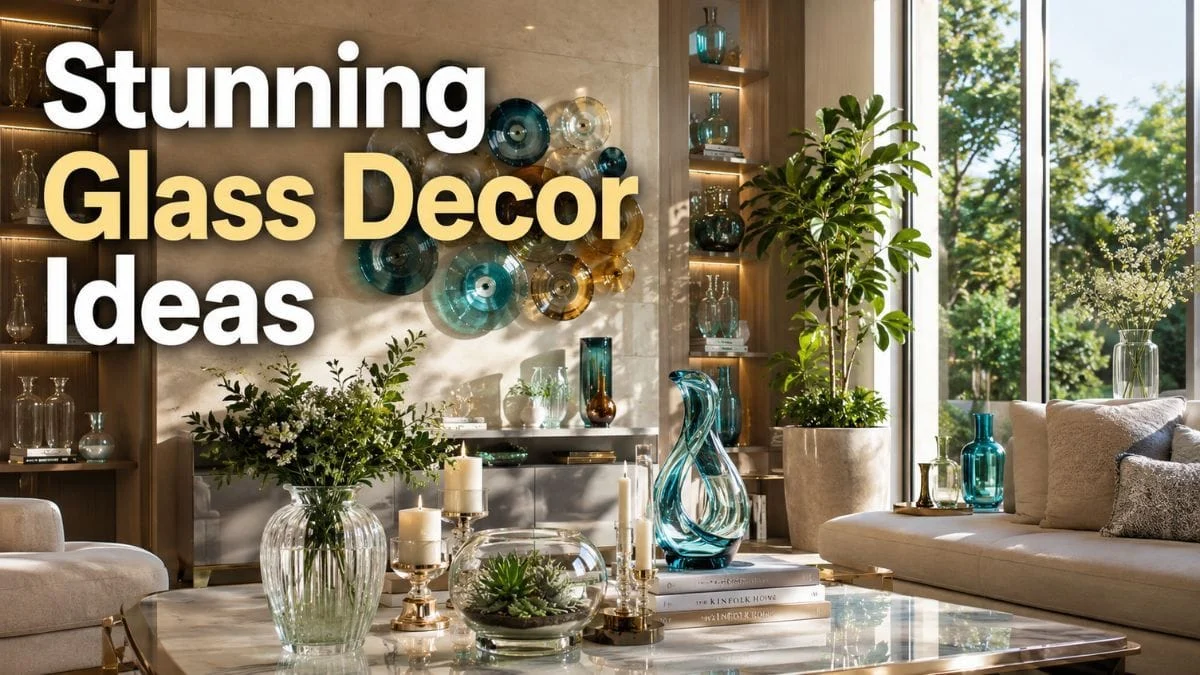
In the contemporary landscape of interior design, the boundary between structural necessity and artistic expression has become increasingly blurred. At the heart of this evolution is glass—a material once reserved primarily for windows and functional partitions that has now emerged as a cornerstone of high-end home aesthetics. From the reflective allure of statement walls to the intricate craftsmanship of bespoke sculptures, glass decor is being utilized by designers worldwide to solve spatial challenges while injecting a sense of "ethereal luxury" into residential spaces.
This report explores the transformative power of glass in home design, detailing ten strategic applications that elevate living environments, supported by historical context, design principles, and an analysis of its growing market influence.
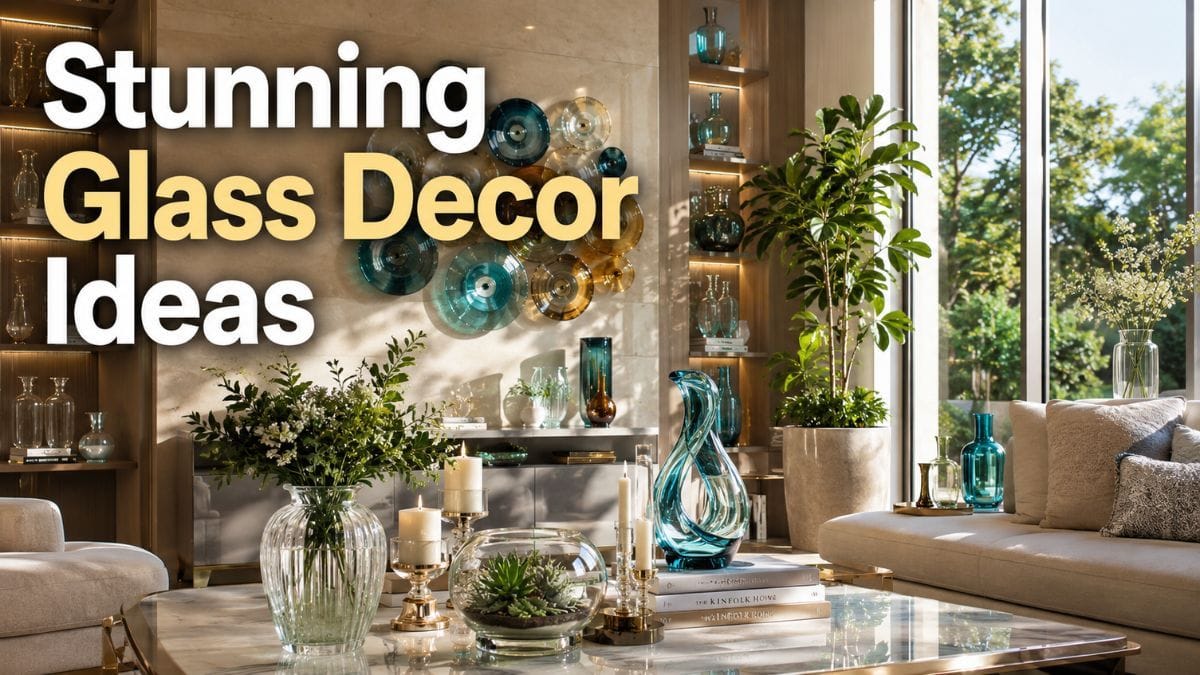
The Evolution of Glass: From Utility to Artistry
The history of glass in the home is a chronology of technological triumph. Historically, glass was a rare commodity, a symbol of extreme wealth in Roman villas and later a centerpiece of Gothic cathedrals. The Industrial Revolution democratized glass, but it remained largely functional until the mid-20th century. The Bauhaus movement and the rise of Mid-Century Modernism began to experiment with the material’s transparency to merge indoor and outdoor living.
Today, we are witnessing a "Glass Renaissance." Modern manufacturing techniques—such as tempering, acid-etching, and digital printing on glass—have allowed it to become more durable and versatile. It is no longer just a medium to see through; it is a medium to look at.
Ten Strategic Glass Decor Ideas for the Modern Home
To understand the current shift in interior styling, one must look at how glass is being integrated into the very fabric of the home. Here are ten ways glass is being utilized to redefine sophistication.
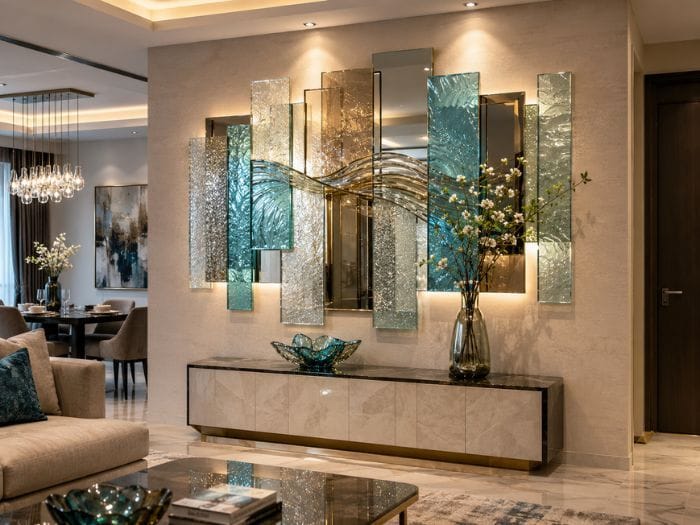
1. The Statement Wall: Engineering Light and Depth
A glass statement wall is perhaps the most ambitious use of the material. By utilizing mirrored panels or handcrafted textured glass, designers can create a "living mural" that changes as the sun moves across the sky. These installations serve a dual purpose: they act as a focal point for the room and functionally expand the space by reflecting light into darker corners. In premium foyers and dining areas, a floor-to-ceiling glass installation can make a standard room feel like a grand hall.
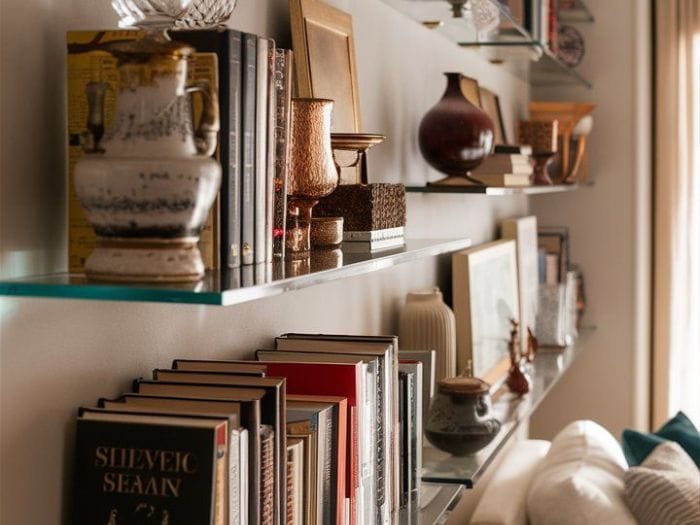
2. Glass Open Shelves: The Illusion of Weightlessness
In minimalist design, visual "clutter" is the enemy. Traditional wooden or metal shelves create heavy horizontal lines that can "close in" a room. Glass open shelves, conversely, provide a platform for books and greenery while appearing to float. This transparency ensures that the wall treatment behind the shelf remains visible, maintaining the room’s architectural integrity.
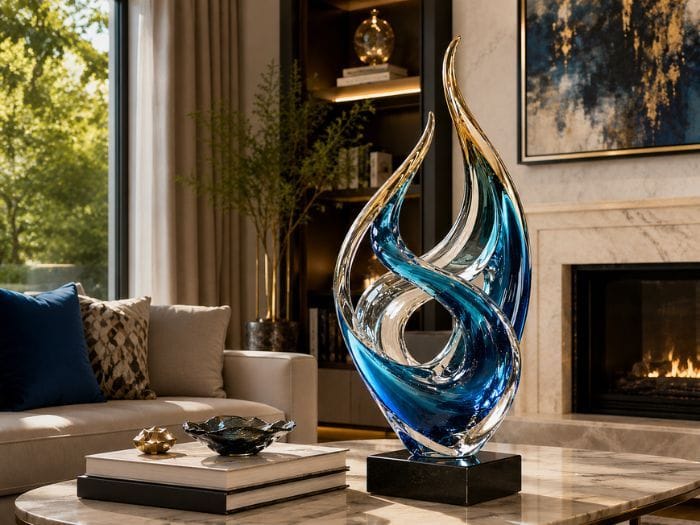
3. Sculptural Glass: The Intersection of Fine Art and Decor
Luxury statement pieces often take the form of glass sculptures. Unlike stone or wood, glass interacts with light in a way that is dynamic. A hand-blown glass piece in a well-lit living room acts as a prism, casting subtle hues and reflections across the floor. These pieces are often the "investment" items in a home, representing the pinnacle of bespoke craftsmanship.
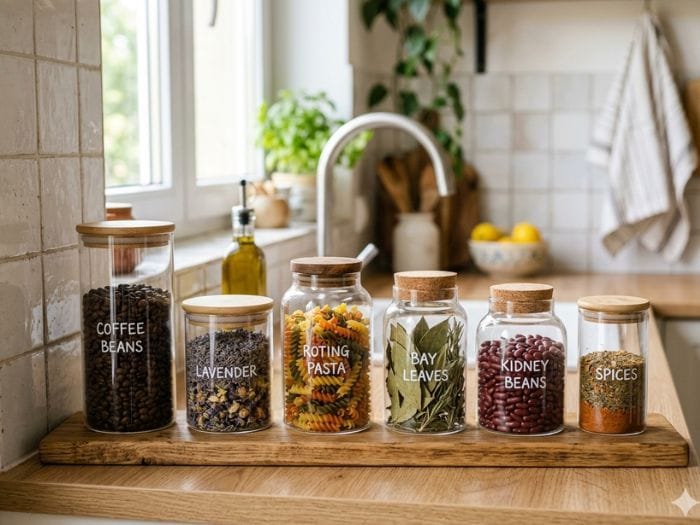
4. Functional Transparency in the Kitchen
The modern kitchen has moved away from the "hidden pantry" look toward a more curated, "apothecary" aesthetic. Glass jars for spices, pasta, and coffee beans allow the natural colors and textures of food to serve as decor. This trend emphasizes organization and transparency, making the kitchen feel like a professional yet inviting workspace.
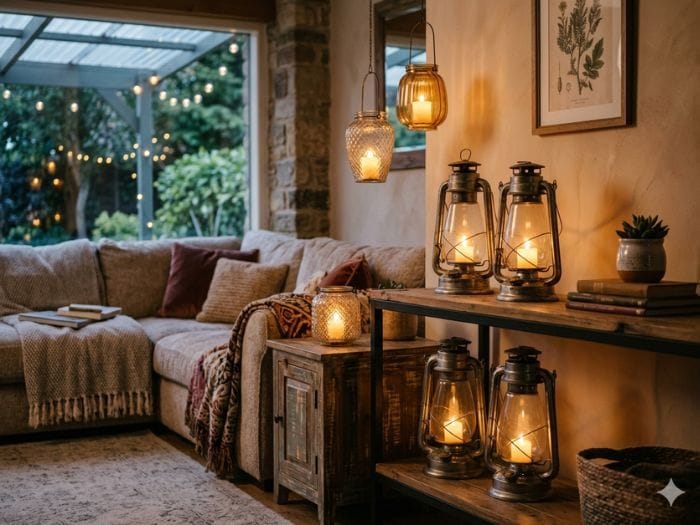
5. Ambient Lighting through Glass Lanterns
Lighting is the most critical element of interior mood-setting. Glass lanterns, whether vintage-inspired or ultra-modern, provide a soft diffusion of light. They bridge the gap between indoor and outdoor aesthetics, often used in transition spaces like sunrooms or covered patios to create a warm, inviting glow that harsh overhead lighting cannot replicate.
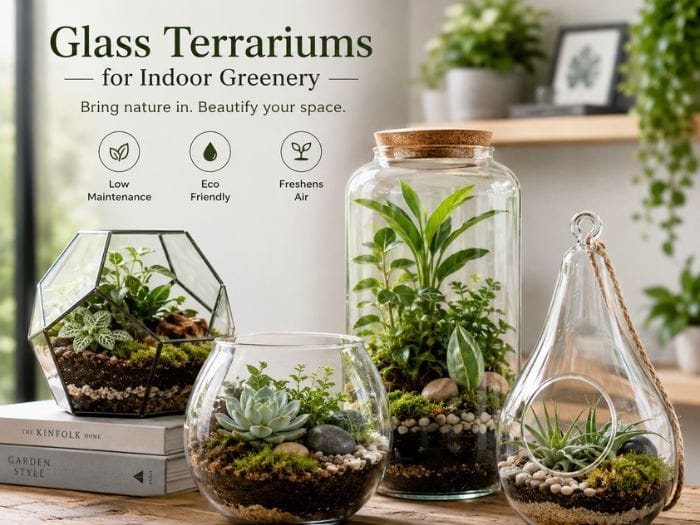
6. Terrariums: The Biophilic Connection
As urban living increases the distance between humans and nature, biophilic design—bringing the outdoors in—has become essential. Glass terrariums are self-sustaining ecosystems that offer a "miniature garden" experience. Their clear walls allow for a 360-degree view of indoor greenery, making them perfect centerpieces for coffee tables or home offices.
7. Vintage Collections: Curating History
For those who value character over contemporary sheen, vintage glass collections offer a sense of "layered" history. Antique apothecary bottles, crystal decanters, and mid-century colored glass provide a narrative element to a home. Mixing these historical pieces with modern furniture creates a "curated" rather than "decorated" look.
8. Candle Holders: The Art of Refraction
Even small glass accents can have a large impact. Glass candle holders, especially those with textured or ribbed surfaces, multiply the flickering light of a flame. This creates a sophisticated, romantic atmosphere that is ideal for dining rooms or bedside tables, proving that luxury does not always require large-scale renovations.
9. Glass Display Cabinets: The Private Museum
The glass display cabinet is the ultimate tool for the collector. Whether housing travel souvenirs, rare books, or family heirlooms, the transparent nature of the cabinet protects the items while keeping them in the visual narrative of the room. Unlike solid cabinets, glass versions have a "lighter" visual footprint, preventing the room from feeling cramped.
10. Custom Art Installations and Stained Glass
Bespoke glass art, such as custom-stained glass doors or artistic partitions, allows homeowners to inject personal identity into their architecture. These installations can act as privacy screens that still allow light to permeate, replacing traditional doors with vibrant, light-filtering art.
Supporting Data: Why Glass Works
Designers choose glass not just for its beauty, but for its psychological and physical properties.
- The Psychology of Space: Studies in environmental psychology suggest that "permeable" spaces—those with views and light—reduce stress and increase productivity. Glass decor minimizes "visual noise," allowing the brain to perceive a room as larger and more organized.
- Sustainability Factors: Glass is 100% recyclable and can be repurposed indefinitely without loss of quality. In an era of sustainable luxury, glass is a preferred material over plastics and certain treated woods.
- Refractive Index: The way glass bends light (refraction) can increase the "lumen efficiency" of a room, meaning you need fewer artificial lights to achieve the same brightness, provided the glass is positioned correctly relative to windows.
Room-by-Room Styling Guide
To implement these ideas effectively, a strategic approach is required. The following table outlines the recommended glass elements for each primary living area:
| Room | Recommended Glass Decor Items | Design Objective |
|---|---|---|
| Living Room | Sculptural pieces, Glass coffee tables, Wall decor | Create grandeur and a focal point |
| Dining Room | Centerpieces, Glass candle holders, Pendant lights | Foster intimacy and elegance |
| Bedroom | Glass bedside lamps, Perfume trays, Vases | Promote tranquility and soft light |
| Kitchen/Bath | Storage jars, Soap dispensers, Glass canisters | Emphasize cleanliness and order |
| Entryway | Large statement vases, Mirrored wall panels | Make a strong first impression |
Professional Implications: The Designer’s Perspective
Leading interior architects suggest that the key to using glass is "balance." While glass adds sophistication, too much of it can make a home feel "cold" or "clinical." Professionals recommend pairing glass with "warm" materials like reclaimed wood, velvet, or natural stone.
"The magic of glass is its ability to disappear and stand out at the same time," says a prominent interior consultant. "You use it to highlight what’s inside it, or to reflect what’s around it. It’s the most selfless material in the designer’s toolkit."
Future Outlook: The "Smart" and Sustainable Future of Glass
As we look toward the future of home decor, glass is set to become even more integrated with technology. We are already seeing the rise of "Smart Glass" (electrochromic glass) in decor, which can change from transparent to opaque at the touch of a button, allowing for dynamic privacy in glass-walled rooms.
Furthermore, the trend toward "Circular Design" means that more decor items will be crafted from recycled "sea glass" or industrial glass waste, appealing to the eco-conscious luxury market.
Wrapping Up
Glass decor is far more than a passing trend; it is a fundamental shift in how we perceive residential luxury. By prioritizing light, transparency, and artistic craftsmanship, glass allows homeowners to create spaces that feel both expansive and intimate. Whether through a small vintage bottle on a windowsill or a massive custom-stained glass installation, the inclusion of glass is a definitive way to elevate the home into a realm of modern sophistication.
In a world that often feels heavy and cluttered, the clarity of glass offers a much-needed breath of visual fresh air.
