

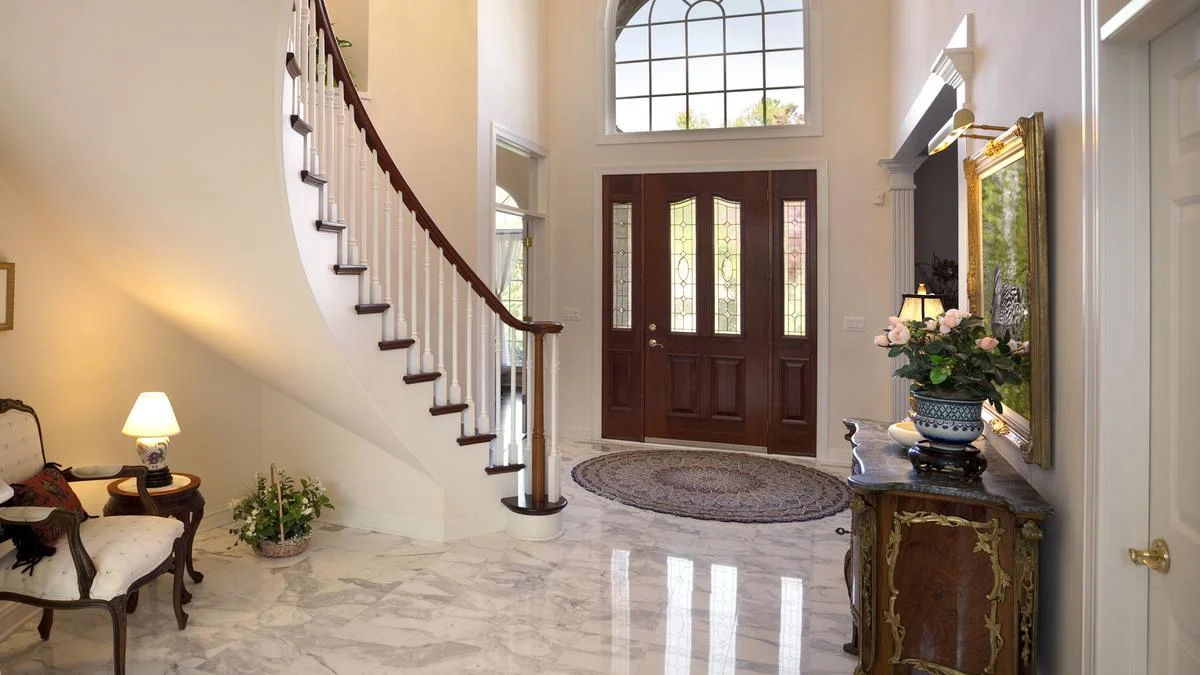
The initial moments of arrival at a residential development, often overlooked in traditional design, are proving to be the most critical in shaping resident perception and satisfaction. As the Indian housing market matures and buyers increasingly seek an elevated living experience, the emphasis is shifting from mere bricks and mortar to a holistic journey, beginning the instant one enters the property.
The Evolving Indian Homebuyer: A Quest for Quality and Experience
The Indian residential market is undergoing a profound transformation. Gone are the days when a property was simply a functional space. Today’s discerning homebuyers, particularly those in the premium segment, are seeking more than just an upgrade in size or amenities; they are actively pursuing a superior quality of life. A recent report by Knight Frank, "Beyond Bricks: The Pulse of Home Buying," highlights this shift, revealing that a significant 37% of respondents identified upgrading to a better home as their primary motivation for purchase. This statistic underscores a fundamental change in buyer aspirations, where the perceived value of a home is increasingly tied to its overall environment and the quality of the living experience it offers.
This evolution is particularly evident in the burgeoning premium segment. JLL Research data indicates a substantial increase in the share of high-value property sales. In the first half of 2026, homes priced above ₹1 crore accounted for a commanding 71% of residential sales across India’s top seven cities, a notable rise from 62% in the same period the previous year. This upward trend in property values directly correlates with rising buyer expectations. Premium is no longer solely defined by square footage, high-end fittings, or an exhaustive list of amenities. Instead, it is increasingly about the intangible, the experiential, and the carefully curated journey that begins the moment a resident or visitor engages with the development.
The Psychological Transition: From Urban Chaos to Serene Sanctuary
The significance of the arrival experience lies in its ability to act as a crucial psychological transition zone. Urban living, characterized by the relentless cacophony of traffic, pervasive noise pollution, and a constant barrage of sensory stimulation, can be inherently stressful. A well-designed residential development has the power to act as a buffer, gradually mitigating the intensity of the outside world from the very first point of entry.
This transition is not a singular event but a carefully orchestrated sequence of design elements. As one approaches the development, the pace of urban life should begin to decelerate. The visual landscape should transform, with denser, thoughtfully integrated greenery creating a sense of calm and separation. The architecture of the buildings themselves should reveal themselves gradually, avoiding an overwhelming immediate impression. Crucially, pedestrian spaces should begin to take precedence over vehicular traffic, signaling a shift towards a more human-centric environment.
For larger residential communities, which often function as self-contained neighborhoods, the planning of entrances becomes paramount. This involves meticulous consideration of peak-hour traffic flows, the development’s connectivity to the wider road network, and the internal circulation patterns of residents, service vehicles, and visitors. The implementation of separate entry and exit lanes can significantly alleviate congestion, preventing bottlenecks and ensuring that each arrival feels smoother, less rushed, and more navigable. This proactive approach to traffic management contributes immensely to the overall sense of order and tranquility within the development.
Beyond the Grand Gateway: An Arrival as a Sequence
A common pitfall in premium residential development is the tendency to interpret a "grand entrance" too literally, focusing disproportionately on the main gateway. However, true arrival is not a singular architectural moment; it is a meticulously crafted sequence of experiences. This becomes particularly vital in expansive residential communities that function as micro-ecosystems. Within these developments, a complex interplay of traffic occurs daily: residents returning home, school buses dropping off children, taxis ferrying passengers, and delivery services making their rounds.
Effective master planning anticipates this inherent complexity. By incorporating features such as distinct entry and exit points, clearly demarcated routes for visitors and service vehicles, intuitive drop-off zones, and strategically located underground parking, developers can effectively mitigate much of the everyday friction that can detract from the living experience. The decision to place vehicular traffic underground is particularly transformative. This liberates valuable surface area, which can then be dedicated to creating inviting pedestrian pathways, lush landscaping, elegant boulevards, and vibrant community spaces. This reclaimed space fosters a stronger sense of place and encourages resident interaction, contributing to a more connected and enjoyable living environment.
The Lobby Reimagined: From Circulation to Sanctuary
Historically, many residential lobbies were relegated to the status of mere circulation spaces – a place to enter, wait for the elevator, and depart. However, the modern residential lobby is evolving into a critical component of the overall living experience. The volume of the space, the quality of natural light, the choice of materials, the acoustic properties, the presence of art, and the integration of landscape all profoundly influence how a resident perceives and interacts with this transitional area.
A double-height lobby, for instance, offers more than just an illusion of luxury. Its generous proportions can create a palpable sense of openness and decompression, allowing residents to shed the stresses of the city as they step inside. The strategic use of natural light and the incorporation of indoor greenery can soften the architectural edges and create a more welcoming, organic atmosphere. Thoughtfully selected materials, whether it be polished stone, warm wood, or textured finishes, and carefully curated artwork can imbue the building with a distinct identity and a sense of sophistication.
Furthermore, the lobby occupies a unique interstitial space between the public realm and private life. The inclusion of comfortable seating arrangements can facilitate spontaneous social interactions, allowing residents to greet a neighbor, wait for a pre-booked taxi, or have a brief conversation with a visitor without needing to invite them directly into their personal living space. This fosters a sense of community and provides functional convenience, enhancing the overall residential experience.
From Product to Experience: The New Premium Paradigm
This profound shift in design thinking is intrinsically linked to broader transformations occurring within India’s residential market. As previously noted, the increasing dominance of higher-value properties signals a market segment that is not only investing more capital but also demanding more in return. Premium is no longer a static definition but a dynamic and evolving concept, inextricably tied to the holistic experience of living within a development.
Developers who recognize this paradigm shift are moving beyond a transactional approach, viewing their projects not merely as a product to be sold but as an immersive experience to be lived. This necessitates a granular focus on details that may not always command prominent placement in marketing brochures but possess an outsized influence on how a development is perceived and appreciated over time. The subtle nuances of an arrival sequence, the thoughtful arrangement of lobby elements, and the seamless integration of indoor and outdoor spaces all contribute to the enduring appeal of a residential property.
The most impactful arrival experiences are not built on fleeting spectacle. Instead, they are the result of a paradox of good design: immense thought, meticulous planning, and countless iterations can coalesce to create something that ultimately feels effortless and intuitive. For developers, therefore, the initial 60 seconds of engagement with their property should never be an afterthought. It is the foundational layer of the resident’s journey, shaping their initial impressions and setting the tone for their entire living experience. Before a buyer even steps into the home they have purchased, they are already experiencing the world carefully designed around it. This understanding is the key to unlocking true residential excellence in the contemporary Indian market.
