

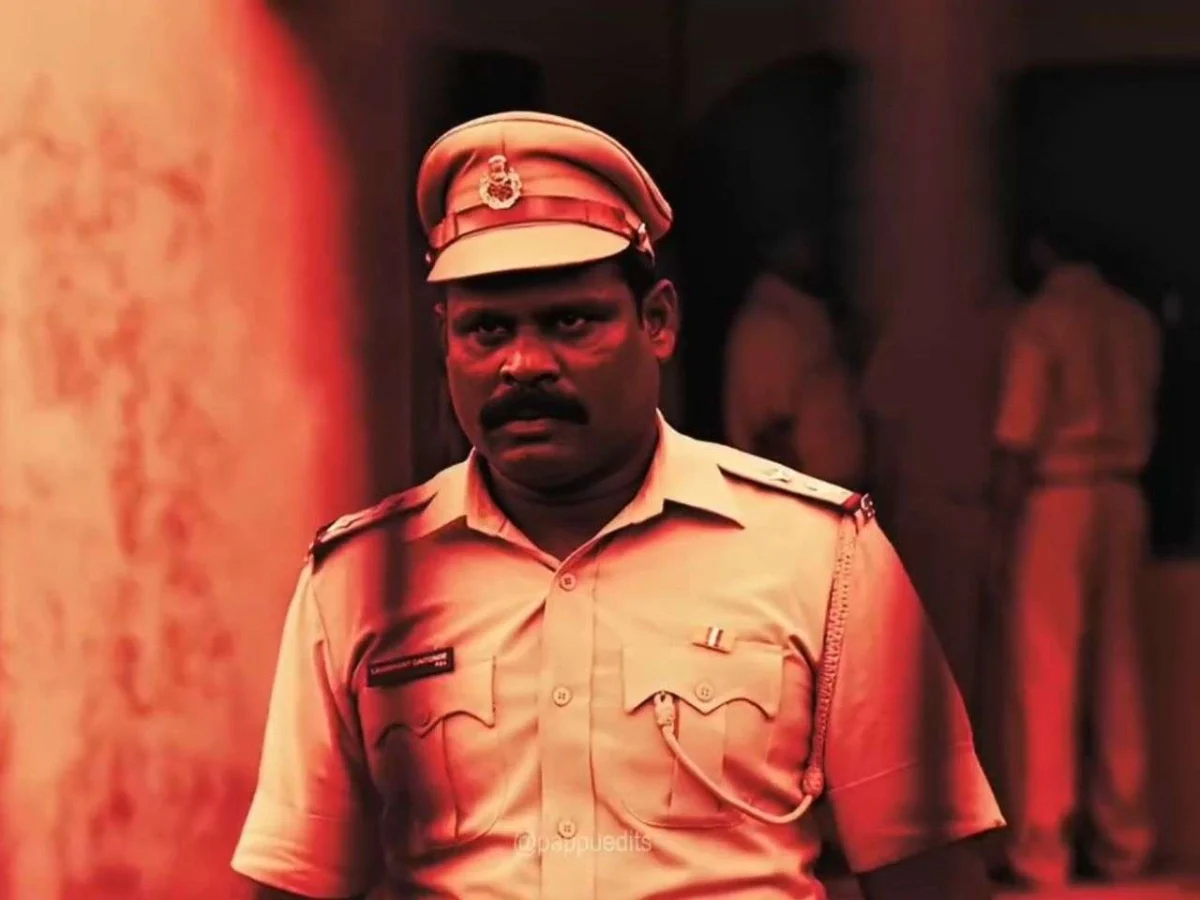
Mumbai, India – The success of a film often hinges on its ability to evoke strong emotions in its audience. For actors, especially those portraying morally ambiguous or villainous characters, this emotional resonance can manifest in unexpected and sometimes unsettling ways. Kamlesh Tukaram Sawant, the actor who has etched the menacing figure of Sub-Inspector Laxmikant Gaitonde into the cinematic memory of Hindi cinema enthusiasts, recently shared his personal experience of confronting the potent impact of his performance, revealing a period where he genuinely feared for his safety due to the visceral audience reaction.
Sawant, a name now synonymous with the gripping narrative of the "Drishyam" franchise, found himself the target of extreme audience sentiment following his portrayal of the relentless investigator. While critical acclaim and audience appreciation are the usual aspirations of any performer, Sawant’s journey with Gaitonde presented a unique challenge: the audience’s abhorrence for the character, which, in a twisted sense, validated the actor’s success. This exclusive account delves into the actor’s harrowing encounters, the psychological toll it took, and the ultimate realization that helped him reconcile with the overwhelming negativity directed at his on-screen persona.
The Genesis of Gaitonde: A Character That Captured the Audience’s Fear
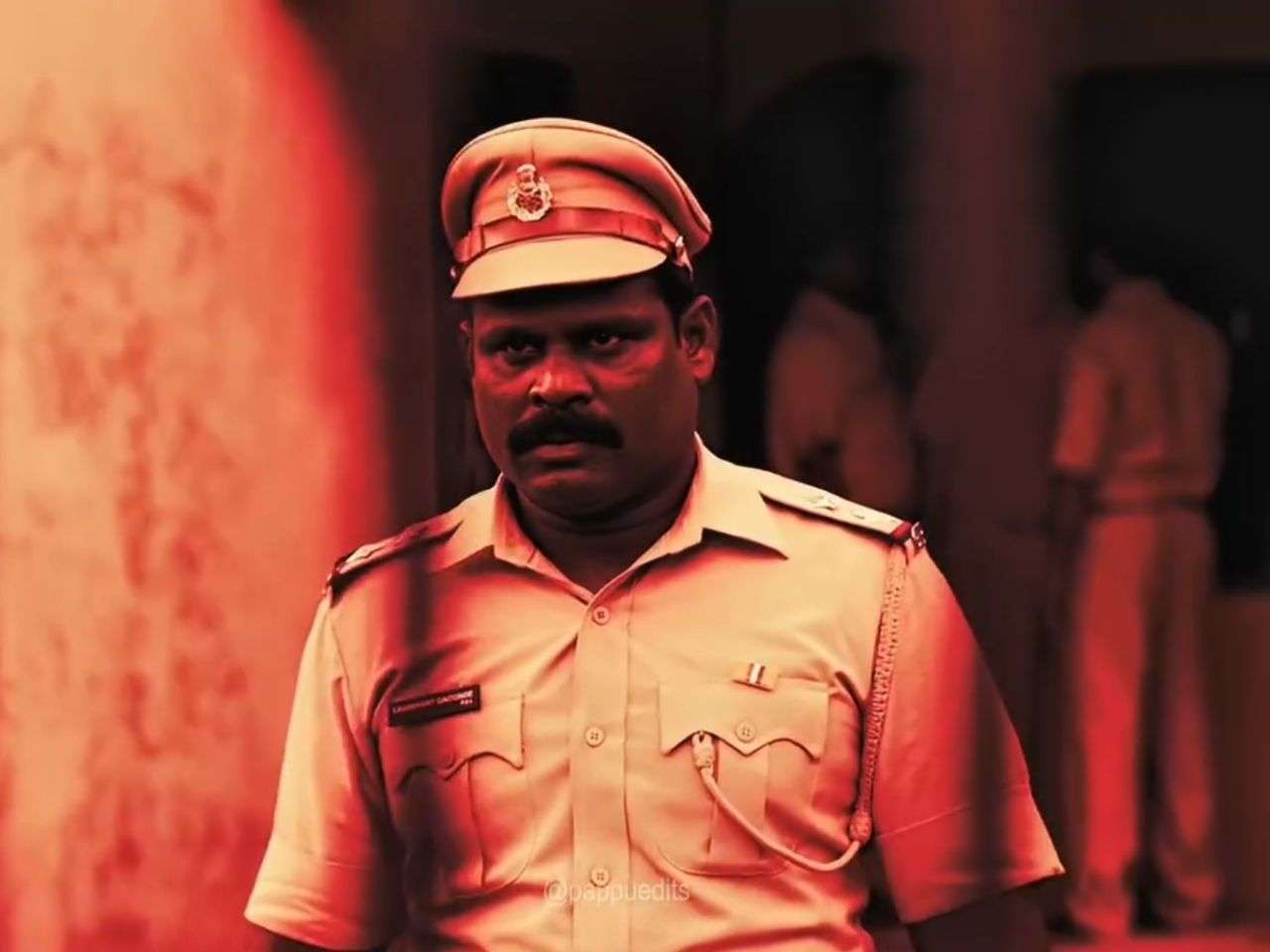
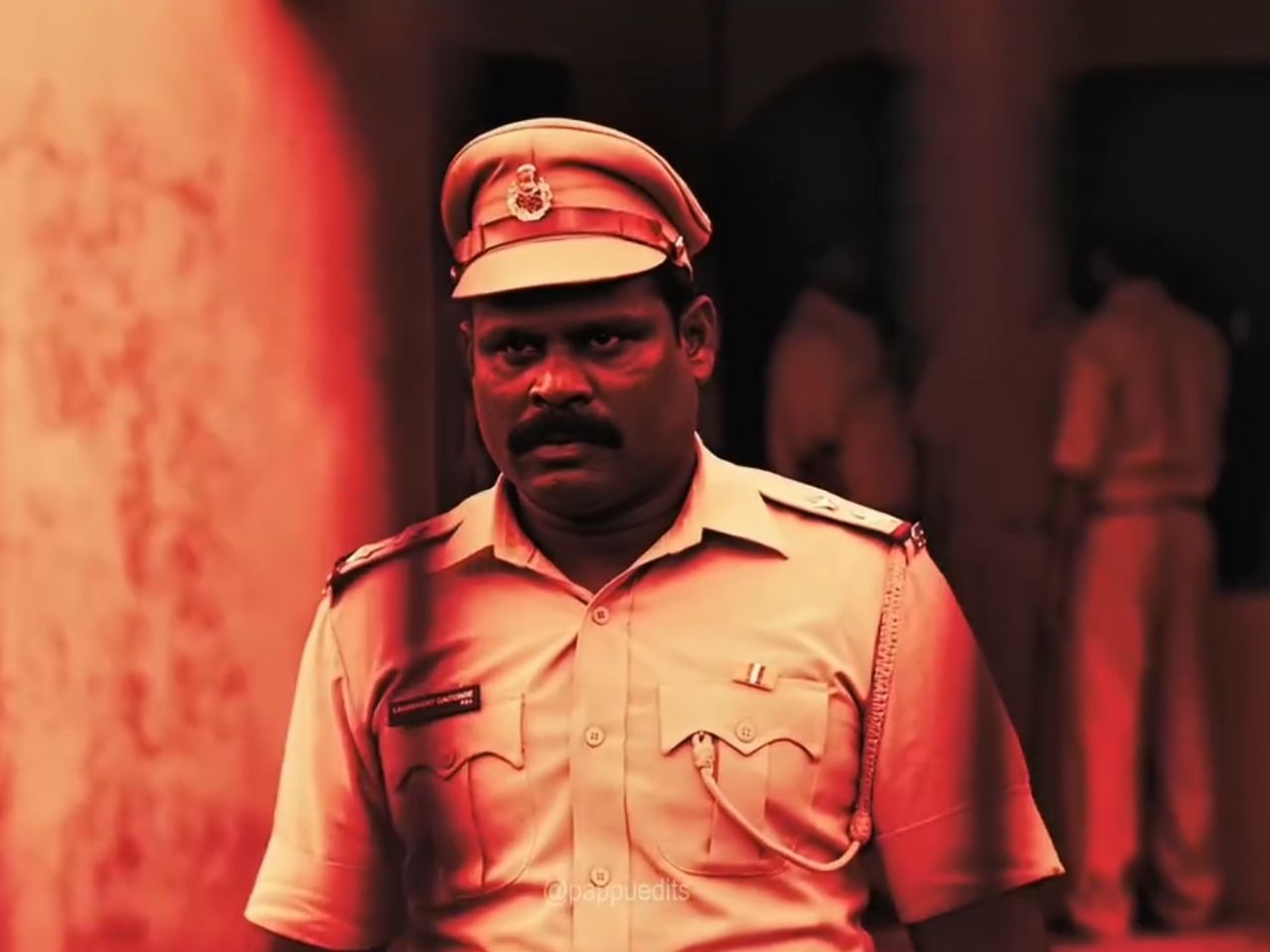
The "Drishyam" franchise, a masterclass in suspense and intricate plotting, has captivated audiences with its gripping narratives of ordinary families pushed to extraordinary lengths to protect themselves. While Ajay Devgn’s character, Vijay Salgaonkar, remains the moral compass, albeit a compromised one, the antagonists play a crucial role in escalating the stakes and intensifying the suspense. Sub-Inspector Laxmikant Gaitonde, brought to life with chilling effectiveness by Kamlesh Sawant, emerged as a formidable and deeply detested figure within this cinematic universe.
Gaitonde, with his unwavering determination and morally dubious methods, represented the relentless pursuit of justice, often bordering on obsession. His character’s primary function was to create obstacles for the protagonists, to relentlessly chip away at their fabricated alibi, and to embody the suffocating pressure of being under constant surveillance. Sawant’s performance was lauded for its authenticity, its ability to portray a complex character without resorting to caricature, making Gaitonde a believable and terrifying threat. It was this very believability, however, that would soon translate into real-world anxieties for the actor.
)
A Chronology of Confrontation: From Subtle Discomfort to Direct Threats
The initial screenings of "Drishyam" (2015) marked the beginning of Sawant’s unsettling encounters. He recounted how, during one such screening, a woman seated next to him visibly shifted her seat midway through the film, an unspoken acknowledgment of her discomfort with his on-screen presence. This subtle reaction, while not overtly hostile, was an early indicator of the deep-seated animosity the character was generating.
The true intensity of the audience’s reaction, however, became apparent during discussions with crew members and in public spaces. Sawant vividly recalled an incident where he was engaged in conversation with an editor. During their discussion, a group of women, upon seeing Sawant, expressed their strong aversion. "They said, ‘We don’t want to come in front of this despicable person, but he has done good work’," Sawant recounted, highlighting the paradoxical nature of their sentiments. This statement encapsulated the core of the audience’s reaction: a profound dislike for the character, coupled with an acknowledgment of the actor’s skill.

This pattern of extreme reactions continued. Sawant described another encounter where a woman, gathering considerable courage, approached him. Her words, laden with frustration and anger directed at the character, were stark: "I want to spit on your face, but you’ve done good work." The actor, caught off guard, could only respond with a polite "Thank you." Another woman, equally incensed, expressed a desire to physically assault him, stating, "I feel like hitting you with my slipper, but you’ve done good work." These instances, while ultimately accompanied by a grudging appreciation for his acting, were deeply unnerving for Sawant. The raw emotion, the palpable anger directed at him, began to take a toll.
The Psychological Impact: Fear and the Erosion of Peace
The repeated encounters with an irate public, even when couched in praise for his performance, started to instill a sense of genuine fear in Kamlesh Sawant. The thought of a public outburst escalating into physical confrontation became a persistent worry. "I got scared," Sawant admitted, his voice reflecting the lingering unease. "I thought, what if a woman actually spits on me? I would regret it for the rest of my life." This fear was not born out of ego but out of a profound concern for his personal safety and a growing anxiety about the unpredictable nature of public reaction.
)
The actor found himself constantly on edge, particularly in public settings. The line between the character and the actor began to blur in the minds of some audience members, leading to a situation where Sawant felt he was being personally targeted for the actions of a fictional entity. This psychological burden is a common, yet often understated, consequence of portraying deeply disliked characters. The actor invests a part of themselves into embodying such roles, and when the audience’s reaction is overwhelmingly negative, it can feel like a personal indictment, even when intellectually understood as a testament to their craft.
The Turning Point: A Wife’s Wisdom and the Re-framing of Success
The persistent anxiety began to weigh heavily on Kamlesh Sawant. It was his wife, however, who provided him with the crucial perspective that helped him navigate this challenging emotional landscape. Upon hearing about his unsettling experiences, she offered a simple yet profound insight: the hatred and anger directed at him were not personal.
)
"I told my wife at home," Sawant shared. "She said, ‘That hatred is not for Kamlesh, it is for Gaitonde. This means you have tried to do justice to that character to a certain extent.’ Then I felt a little calm." This re-framing was instrumental. His wife’s words helped him understand that the audience’s extreme reaction was, in fact, a powerful validation of his acting prowess. The fact that they felt such intense emotions towards Gaitonde meant that Sawant had successfully convinced them of the character’s malevolence and its impact. The disgust they felt was directed at the antagonist, not the actor who so brilliantly brought him to life.
This realization allowed Sawant to shift his perspective from personal threat to professional triumph. The negative reactions, once a source of fear, transformed into a badge of honor, signifying the depth and authenticity of his portrayal. It was a testament to his ability to create a character that evoked such a visceral response, a rare achievement in the nuanced world of acting.
)
Supporting Data: The Power of a Memorable Antagonist
The phenomenon of audiences reacting strongly to antagonists is well-documented in cinematic history. From the chilling performances of Heath Ledger as The Joker in "The Dark Knight" to the despicable villainy of Rami Malek as Freddie Mercury’s antagonist in "Bohemian Rhapsody," actors who embody evil with conviction often face a unique set of audience responses.
In the context of "Drishyam," the success of Sub-Inspector Gaitonde as a character can be measured by several factors:
)
- Audience Engagement: The fact that audiences were so invested in the narrative that they felt compelled to express their strong emotions towards the antagonist underscores the film’s gripping nature and the effectiveness of Sawant’s performance.
- Critical Acclaim for the Franchise: The "Drishyam" franchise has been lauded for its taut thrillers and compelling characters. The presence of a formidable antagonist like Gaitonde is integral to the franchise’s success in maintaining suspense and high stakes.
- Social Media Buzz: While not explicitly detailed in the provided text, the intense reactions described by Sawant would undoubtedly have translated into significant discussions and debates on social media platforms, further amplifying the character’s impact and the actor’s performance.
- Commercial Success: The continued success of "Drishyam 3" in cinemas, as mentioned in the article, indicates a sustained audience interest in the franchise, a testament to the enduring appeal of its characters, including the detested yet compelling Gaitonde.
Official Responses and Industry Perspectives
While there have been no formal "official responses" from the filmmakers or industry bodies regarding Kamlesh Sawant’s specific experiences, the sentiment he describes aligns with broader industry understandings of actor-audience dynamics, particularly concerning villainous roles.
Filmmakers and casting directors often seek actors who can inhabit complex, even unlikeable, characters with conviction. The ability to evoke strong negative emotions is a skill that is highly valued, as it contributes significantly to the overall impact of a film. Producers and directors would likely view Sawant’s experience as a testament to his talent and the successful execution of their creative vision.
)
From an industry perspective, the intense audience reaction to Gaitonde signifies:
- Character Depth: The character was not a mere plot device but a fully realized individual whose presence genuinely threatened the protagonists.
- Actor’s Skill: Sawant’s ability to make the audience loathe Gaitonde is a mark of his acting prowess, demonstrating a nuanced understanding of character development and performance.
- Franchise Strength: The consistent presence of compelling antagonists is a key factor in the sustained appeal of a franchise.
Implications: The Double-Edged Sword of Intense Performance
Kamlesh Sawant’s experience highlights the often-overlooked psychological toll that intense acting can take, especially when portraying characters that elicit strong negative emotions. The implications of such audience reactions are multifaceted:
)
- For the Actor: It underscores the importance of emotional resilience and the ability to differentiate between the character and oneself. Sawant’s reliance on his wife’s wisdom exemplifies a healthy coping mechanism. It also emphasizes the need for actors to have support systems in place to navigate the emotional complexities of their profession.
- For the Audience: It serves as a reminder that while cinematic characters are designed to evoke specific emotions, the actors behind them are real individuals. While expressing passion for a film is a sign of engagement, it is crucial to maintain a respectful distance between fictional narratives and the lives of the performers.
- For the Industry: It reinforces the value of actors who can deliver powerful performances, even when those performances result in characters that are deeply disliked. The ability to create such a strong emotional connection, even through negativity, is a hallmark of impactful filmmaking.
In conclusion, Kamlesh Sawant’s revelation about the fear and anxiety he experienced due to the audience’s visceral reaction to Sub-Inspector Gaitonde in the "Drishyam" franchise offers a compelling glimpse into the less-discussed realities of acting. While the ultimate validation came from understanding that the audience’s hatred was directed at the character, not the actor, his journey serves as a powerful reminder of the profound impact that compelling performances can have, both on and off the screen. It is a testament to his skill that he could embody a character so effectively that he became the target of such intense, albeit paradoxical, public sentiment. The shadow of Gaitonde may have been unsettling, but for Kamlesh Sawant, it ultimately illuminated the brilliance of his craft.
