

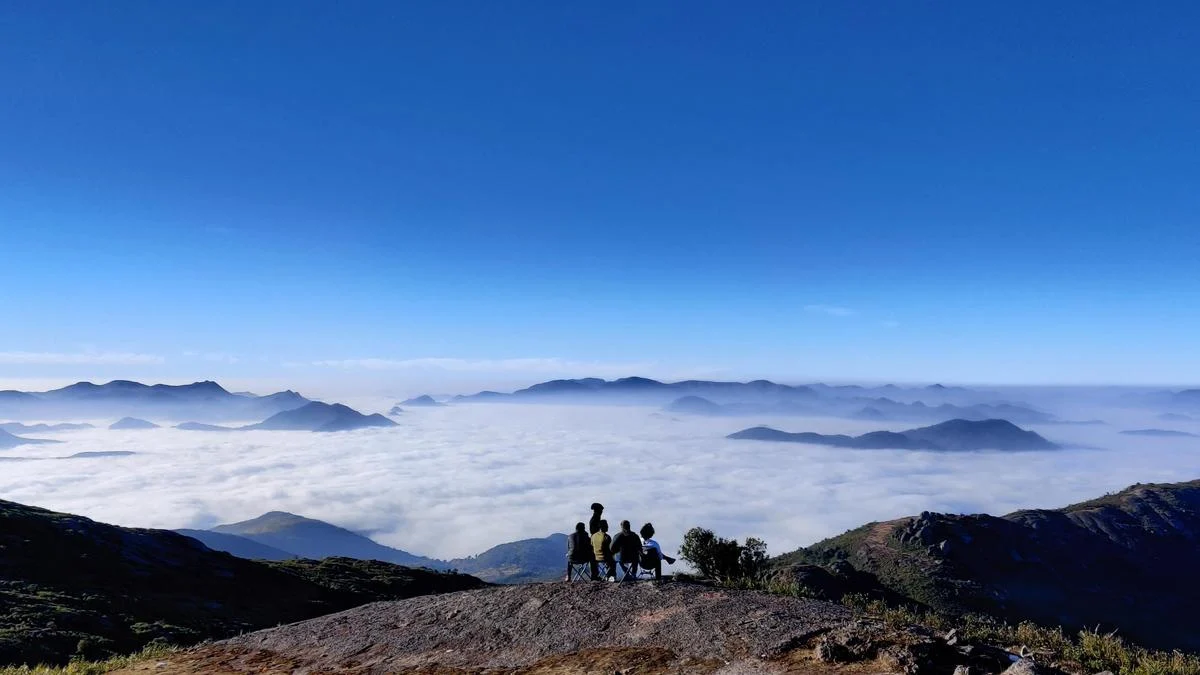
VISAKHAPATNAM – As the first monsoon showers descend upon the ridgelines of the Eastern Ghats, a profound transformation sweeps across the landscape of Northern Andhra Pradesh. The arid, sun-scorched character of the summer months dissolves, replaced by drifting mists, resuscitated seasonal streams, and a kaleidoscope of green that paints the slopes in hundreds of varying shades. This seasonal shift has triggered a significant surge in adventure tourism, with seasoned trekkers and novice hikers alike flocking to the mountains to witness a region that is suddenly cooler, quieter, and vibrantly alive.
While the Himalayas and the Western Ghats have traditionally dominated the Indian trekking narrative, the Eastern Ghats—specifically the ranges surrounding Araku Valley, Paderu, and Madugula—are carving out a unique niche. Guided trekking groups, such as Eco Hikes and Hikoi Adventures, report a burgeoning interest in monsoon expeditions, signaling a shift in how urban populations engage with the natural heritage of Andhra Pradesh.
Main Facts: A New Frontier for Adventure
The Eastern Ghats, an ancient discontinuous range of mountains along India’s eastern coast, offer a trekking experience distinct from the rugged verticality of the north. During the monsoon, the higher elevations—typically those exceeding 1,000 meters—become the primary focus for adventure organizers.
Key highlights of the current trekking season include:
- The Summit Circuit: Major peaks such as Arma Konda (also known as Jindhagada), Sinkaram Gutta, Galikonda, and Endric Peak have become the "Big Four" for summit enthusiasts.
- The Highest Point: Arma Konda stands as the highest peak in both Andhra Pradesh and the entire Eastern Ghats, reaching an elevation of 1,690 meters. It has become a site not only for physical endurance but for spiritual retreats, including high-altitude meditation.
- Diverse Terrain: Unlike the dense, often impenetrable canopy of the Western Ghats, the higher ridges of the Eastern Ghats open into expansive grasslands dotted with fishtail palms and natural springs.
- Professionalization: The rise of organized groups like Eco Hikes and Hikoi Adventures has transitioned trekking from an unorganized hobby into a structured, safety-conscious industry.
Chronology: The Evolution of the Eastern Ghats Trekking Scene
The emergence of the Eastern Ghats as a premier trekking destination has followed a steady trajectory over the past decade, culminating in the current monsoon boom.
The Pre-Pandemic Quietude (Before 2020)
Prior to 2020, the mountains of North Andhra Pradesh were primarily the domain of local tribal communities and a handful of intrepid independent explorers. While the Araku Valley was a well-established tourist hub, the surrounding peaks remained largely unmapped and inaccessible to the general public.

The Post-Pandemic Surge (2021–2022)
The COVID-19 pandemic acted as a catalyst for outdoor recreation. As people sought socially distanced ways to reconnect with nature, local entrepreneurs recognized the untapped potential of the Ghats. Hikoi Adventures began its formal operations in 2021, focusing on guided, safety-first expeditions. During this period, the "monsoon trek" began to gain traction as a specific seasonal product, moving away from the traditional winter-only hiking window.
The Rise of Niche Tourism (2023–Present)
In the last two years, the variety of treks has diversified. The focus has expanded from simple "peak bagging" to include geological exploration (the Gosthani cave systems), waterfall circuits (Jalada and Tamkota), and cultural immersion programs. The 2024 monsoon season has seen record inquiries, with groups reporting a 40% increase in participation from families and corporate groups compared to previous years.
Supporting Data: The Geography of the Monsoon
The appeal of the Eastern Ghats during the rainy season is rooted in specific meteorological and topographical data.
According to Naveen Rongali, founder of Eco Hikes, the decision to focus on elevations between 1,000 and 1,300 meters is strategic. "While the foothills and lower plains of Andhra Pradesh can experience oppressive humidity and torrential downpours that make trekking difficult, the higher ridges behave differently," Rongali explains. "At these altitudes, the heavy rain often gives way to a persistent, cool drizzle and passing cloud covers. The temperature remains significantly lower than the plains, often hovering between 18°C and 22°C even during the day."
The Galikonda trail serves as a primary example of the region’s scale. Offering routes ranging from 28 to 35 kilometers, it is one of the longest continuous trekking paths in the range. Data from local guides suggests that during the summer, water scarcity limits these routes to 10-12 kilometers. However, the monsoon reactivates hundreds of natural springs, allowing for extended multi-day expeditions that were previously impossible.
Official Responses: Insights from the Trailblazers
Leaders in the local trekking community emphasize that the "monsoon magic" of the Eastern Ghats is a result of both natural beauty and rigorous planning.

The Aesthetic Appeal
Vamsi Thenakani of Hikoi Adventures highlights "Heaven Valley" at Sinkaram Gutta as the quintessential monsoon destination. "During the rains, Heaven Valley is at its absolute best. You have mist-covered cliffs and lush green meadows that look almost ethereal. Arma Konda offers dramatic cloud movements that you simply don’t see in the drier months," says Thenakani. He also points to Endric Peak, standing at 4,500 feet, as a premier spot for overnight camping due to its panoramic views of cloud-filled valleys.
The Safety Mandate
Despite the beauty, both organizers are vocal about the risks. "Reaching the summit is never more important than safety," says Thenakani. Hikoi Adventures employs a protocol that includes monitoring weather forecasts 48 hours in advance, consulting local tribal guides who know the "mood" of the mountain, and maintaining an evacuation strategy for every trek.
Naveen Rongali adds that the lack of an officially marked trail network by the government remains a challenge. "There is no comprehensive network of signs or maps. For beginners, venturing out alone in the monsoon is risky. We advocate for guided treks not just for the expertise, but because the terrain can change overnight with a single heavy downpour."
The Cultural Connection
Both organizations emphasize that trekking in this region is an ethnographic experience. The trails pass through the ancestral lands of the Bhagata, Valmiki, Kondadora, and Konda Dhora tribes. The monsoon marks the start of the agricultural cycle for these communities. "Trekkers aren’t just walking through woods; they are witnessing traditional farming practices that have remained unchanged for generations," Rongali notes. This interaction fosters a "Leave No Trace" philosophy, as trekkers see firsthand the reliance of local communities on a pristine environment.
Implications: Ecological Shifts and the Future of the Ghats
As the Eastern Ghats gain popularity, several critical implications for the environment and the local economy have surfaced.
Ecological Red Flags
Frequent visitors and guides have begun to document subtle but worrying changes in the mountain ecosystem. Vamsi Thenakani notes a decline in specific flora. "Wild date plants, which were once ubiquitous at the 4,000-foot mark, have seen a noticeable decline. We are also seeing shifts in the flowering and fruiting cycles of native plants," he observes. These changes suggest that while the monsoon brings life, the overarching climate patterns are becoming less predictable, affecting the delicate balance of the high-altitude grasslands.

The Need for Regulated Tourism
The surge in footfall brings the inevitable challenge of waste management. The "Leave No Trace" principle, while promoted by groups like Eco Hikes and Hikoi Adventures, is not yet a universal standard among casual hikers. The implication is clear: without formal government recognition of these trails and the implementation of sustainable tourism policies, the very beauty that draws visitors could be at risk.
Economic Opportunities
On a positive note, the trekking boom is creating a secondary economy for tribal villages. Local youth are being trained as guides, and villages are increasingly providing logistical support and organic produce to trekking groups. This provides a sustainable alternative to more extractive industries like mining or intensive logging, which have historically threatened the Eastern Ghats.
Conclusion: Walking Wisely into the Mist
The monsoon in the Eastern Ghats offers a rare window into an ancient world of mist and mountain. For the modern trekker, it is an opportunity to escape the urban heat and engage with a landscape that feels fundamentally different from the rest of the Indian peninsula.
However, the experts’ message is one of "cautious wonder." The mountains are changing, and the window for safe trekking requires respect for the elements. As the region continues to develop its identity as an adventure hub, the focus must remain on responsible exploration.
For those looking to experience this transformation, the advice is simple: invest in reliable gear, respect the local tribal customs, and always prioritize the wisdom of those who call these mountains home.
Practical Information:
- Best Time to Visit: July to September for monsoon landscapes; October to January for clear views and cooler weather.
- Essential Gear: High-grip trekking shoes, lightweight raincoats, and leech protection (common in the lower forest sections).
- Contact: Interested trekkers can reach out to Eco Hikes (@ecohikes) and Hikoi Adventures (@_hikoi_adventures) via their social media platforms for seasonal schedules and safety guidelines.
