

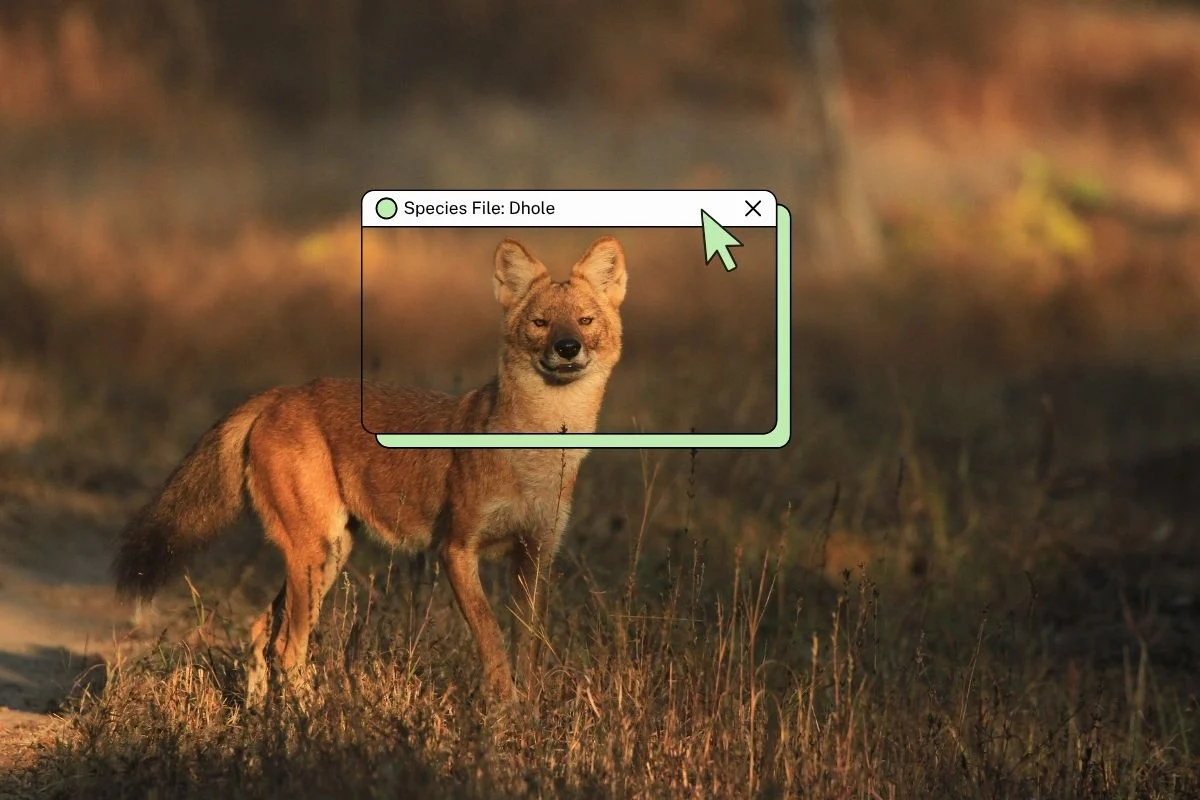
The dense canopy of the Debrigarh Wildlife Sanctuary in Odisha recently bore witness to a sight that conservationists describe as both a triumph and a relief: a female Indian dhole (Cuon alpinus) emerging from the undergrowth, followed closely by two energetic pups. This sighting is not merely a photographic milestone; it represents a glimmer of hope for one of the world’s most misunderstood and endangered apex predators.
Known as the "Asiatic Wild Dog," the dhole has long existed in the shadow of India’s more charismatic megafauna, such as the Bengal tiger and the Indian leopard. Yet, as recent sightings across fragmented landscapes suggest, this social canid is staging a quiet comeback in regions where it was once thought to be extinct. However, this resurgence is fraught with challenges, ranging from genetic isolation to the encroaching pressures of human civilization.
Main Facts: The Biology and Social Complexity of the Dhole
The dhole is a unique evolutionary lineage within the family Canidae. Unlike the grey wolf or the domestic dog, the dhole belongs to the genus Cuon, characterized by a reduced number of molar teeth and a greater number of teats. Often described as "the whistling hunter," the dhole is famous for its extraordinary vocal repertoire, which includes clucks, high-pitched screams, and a distinctive whistling sound used to coordinate pack movements through dense vegetation.
Physical Characteristics and Hunting Prowess
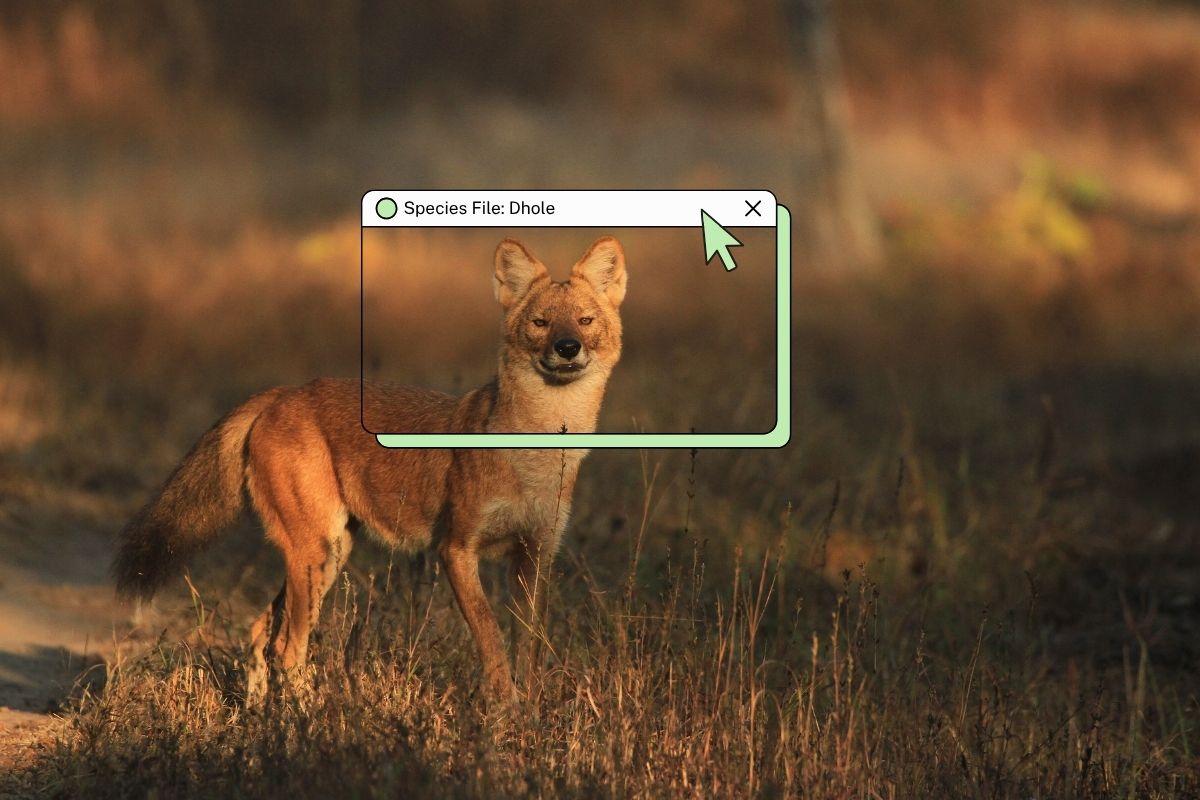
Dholes are striking animals, sporting a thick, reddish-brown or "rusty" coat and a bushy, black-tipped tail that acts as a rudder during high-speed chases. Despite their relatively modest size—weighing between 12 and 20 kilograms—they are formidable apex predators.
Their strength lies in their social cohesion. Operating in packs that typically range from 5 to 12 individuals (though "super-packs" of up to 24 have been recorded), dholes employ a strategy of endurance and cooperative hunting. They are capable of taking down prey many times their size, including sambar deer, chital, and even the massive gaur (Indian bison). Unlike tigers, which rely on ambush and a killing bite to the neck, dholes are "coursing" predators, exhausting their prey over long distances before bringing it down through collective effort.
Ecological Importance
As apex predators, dholes play a critical role in maintaining the health of forest ecosystems. By regulating the populations of large ungulates, they prevent overgrazing and ensure the natural regeneration of forest flora. Furthermore, dholes are "forest-dependent" carnivores. Their presence is a biological indicator of a healthy, connected forest ecosystem with a robust prey base and minimal human disturbance.
Chronology: From Colonial "Vermin" to Endangered Icon
The history of the dhole in India is a narrative of drastic decline followed by a slow, arduous path toward protection.
The Era of Persecution (1800s – 1970)
During the British Raj and the early years of post-independence India, dholes were classified as "vermin." Because they competed with human hunters for game and occasionally predated on livestock, the government offered bounties for their skins. This systematic eradication, combined with the clearing of forests for timber and agriculture, saw the dhole’s range shrink by over 75% across Asia.
The Turning Point (1972 – 2000)
The enactment of the Indian Wildlife (Protection) Act in 1972 marked a pivotal shift. The dhole was granted legal protection, eventually being listed under Schedule II, which prohibited hunting and trade. However, throughout the late 20th century, the species continued to decline silently. While "Project Tiger" (launched in 1973) saved vast tracts of forest, the dhole often suffered from the "mesopredator suppression" effect, where larger predators like tigers and leopards would outcompete or kill dholes in confined protected areas.
The Modern Crisis and Recent Resurgence (2010 – Present)
By the 2010s, the dhole was listed as Endangered on the IUCN Red List, with global populations estimated between 4,500 and 10,500 individuals. In India, the population became fragmented into three primary strongholds: the Western Ghats, Central India, and Northeast India.
In the last five years, however, a series of "re-discoveries" has occurred. Dholes have been spotted in the Eastern Ghats, parts of the Western Himalayas in Uttarakhand, and most recently, the Debrigarh Wildlife Sanctuary in Odisha. These sightings suggest that while the species remains in peril, it is a highly adaptable predator capable of recolonizing lost territories if corridors are maintained.
Supporting Data: The Statistics of Survival
Understanding the dhole’s status requires a look at the data driving conservation efforts. Research conducted by organizations like the Wildlife Conservation Society-India (WCS-India) and the University of Florida has shed light on the precarious nature of their existence.
Population Distribution
- Global Status: Endangered (IUCN).
- Estimated Global Population: 4,500–10,500 individuals.
- Indian Strongholds: The Western Ghats (Karnataka, Kerala, Tamil Nadu) are home to the most stable populations. Central India (Madhya Pradesh, Maharashtra) follows, though populations there are more fragmented.
- The "Gap" Areas: Significant research is currently focused on the "Central Indian Landscape" and how it connects to the Eastern Ghats. The sighting in Debrigarh is crucial because it acts as a stepping stone between these two major landscapes.
Habitat Suitability and Agroforests
A 2021 study highlighted the surprising role of "agroforests" in dhole conservation. In the Western Ghats, dholes were found to utilize coffee, tea, and rubber plantations that border national parks. These man-made landscapes provide secondary cover and prey, suggesting that dholes can coexist with certain types of human land use, provided there is no direct persecution.
Genetic Diversity
Genetic studies have revealed that dhole populations are highly structured. Because they do not disperse as easily as wolves across open landscapes, different packs can become genetically isolated. This isolation increases the risk of inbreeding, making populations more susceptible to sudden environmental changes or disease outbreaks.
Official Responses: Protection and Policy Gaps
The Indian government and various state forest departments have taken steps to safeguard the dhole, though many experts argue that these measures are insufficient compared to the resources allocated to tigers and elephants.
Legal Framework
Under the Wildlife (Protection) Act, 1972, the dhole is a protected species. Any person found hunting or harming a dhole faces severe legal penalties, including imprisonment. Furthermore, many dhole habitats fall within "Tiger Reserves," meaning they benefit from the high-security infrastructure designed to protect tigers.
The "Project Dhole" Debate
Conservationists, including Arjun Srivathsa of WCS-India, have long pointed out that dholes are among the most under-studied carnivores in the world. Unlike the tiger, there is no "Project Dhole" that provides a dedicated national budget for their monitoring. Most dhole data is collected as a byproduct of tiger censuses. Officials in states like Odisha have recently begun to prioritize dhole-specific monitoring, particularly in the wake of the Debrigarh sightings, by deploying more camera traps and increasing patrolling in known dhole corridors.
Disease Management Protocols
One of the most significant official responses involves the management of domestic dogs around forest boundaries. Since dholes are highly susceptible to canine distemper and rabies, several state forest departments have initiated vaccination drives for domestic dogs in "buffer zone" villages to prevent the spillover of lethal viruses into wild dhole packs.
Implications: The Future of the Forest Ghost
The return of the dhole to landscapes like Debrigarh carries profound implications for the future of Indian conservation.
The Connectivity Imperative
The survival of the dhole is intrinsically linked to "landscape connectivity." Unlike tigers, which can be somewhat successful in isolated pockets, dholes require vast, contiguous forests to maintain pack health and genetic flow. Their resurgence in Odisha implies that there are still functional—though perhaps thin—wildlife corridors connecting Central India to the Eastern Ghats. Protecting these corridors from highway expansion and mining is now a top priority for environmentalists.
Human-Wildlife Conflict 2.0
As dholes return to areas from which they had disappeared, a new wave of human-wildlife conflict is inevitable. Because dholes hunt in packs and are highly efficient, they can cause significant loss to livestock owners in a short period. If the government does not implement swift and fair compensation schemes for livestock loss, the "vermin" mindset of the 19th century could return, leading to retaliatory poisonings.
The "Umbrella Species" Potential
While the tiger is the ultimate umbrella species for Indian conservation, the dhole serves as a unique indicator for "meta-population" health. Because they are more sensitive to habitat fragmentation than leopards, their presence tells us that a forest is not just a collection of trees, but a functioning, interconnected ecosystem.
Conclusion
The dhole is a creature of the shadows—vocal yet elusive, social yet fiercely independent. The recent sightings of pups in Odisha are a testament to the species’ resilience. However, this resilience has its limits. Without a dedicated national strategy that focuses on habitat connectivity, disease control, and community-led conservation, the whistle of the wild dog may once again fade into silence. For now, the "forest ghost" has returned, and its presence is a stern reminder that the health of India’s wild spaces depends on more than just the roar of the tiger.
