

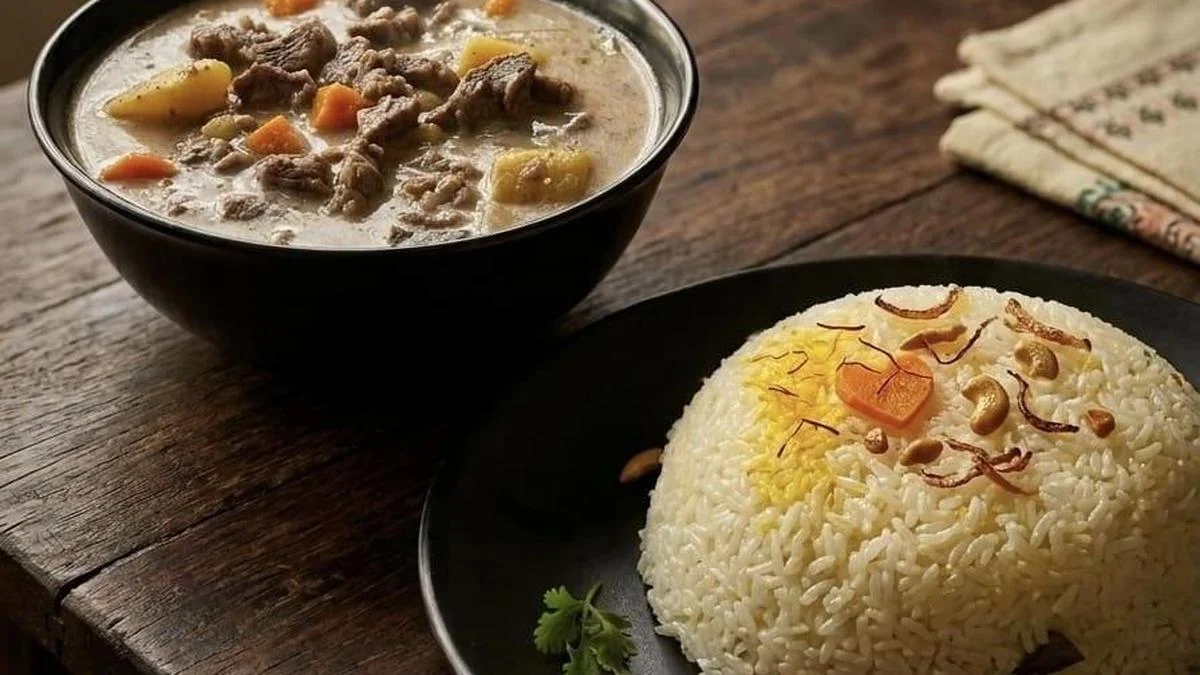
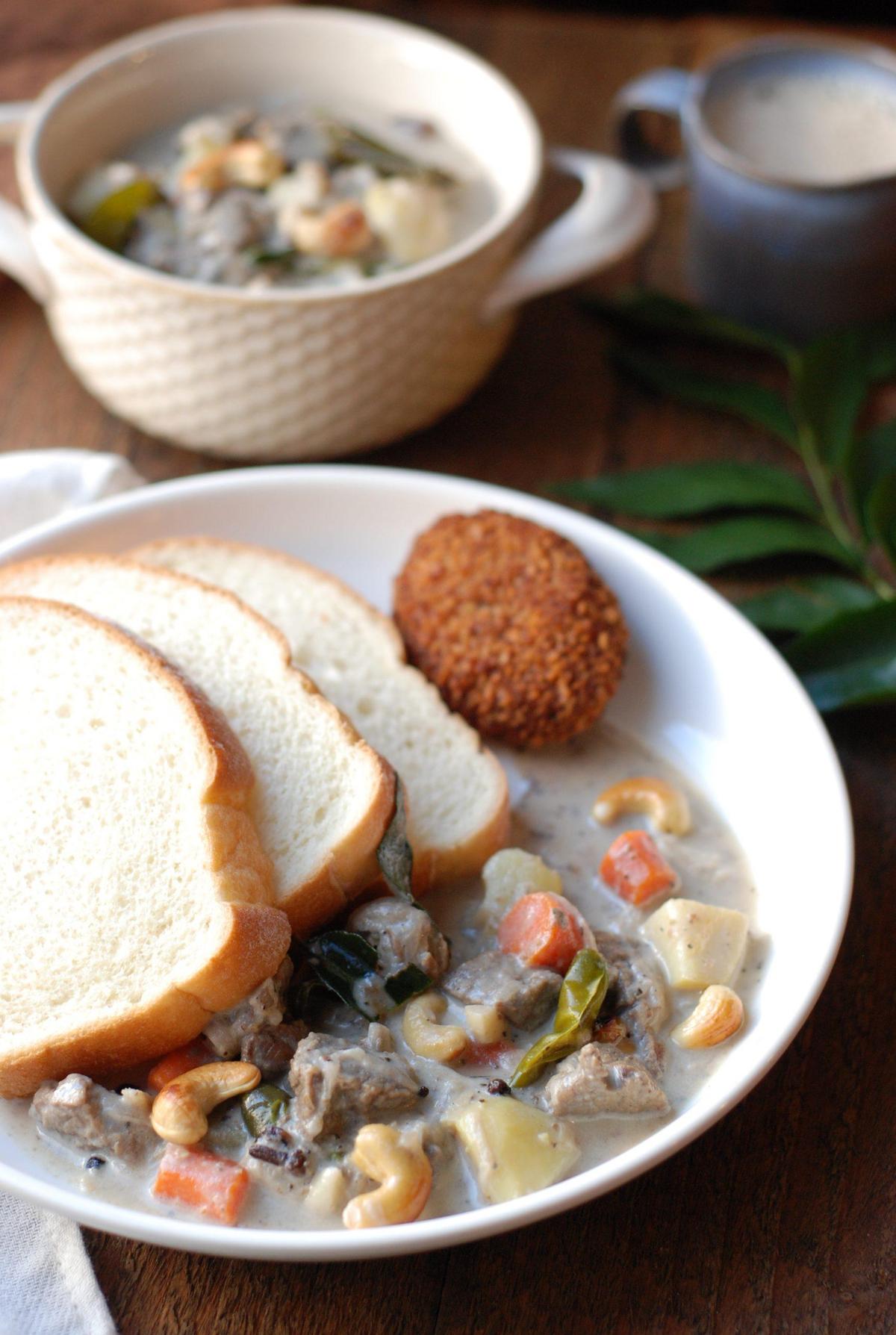
For the average Malayali, few aromas evoke the warmth of home quite like the subtle, spice-tinged scent of a well-made Kerala stew. Known locally as ishtew or ishtoo, this coconut milk-based gravy, traditionally served with lacy appams or steamed slices of bread, has long been the cornerstone of Sunday breakfasts and festive celebrations. However, what was once a humble accompaniment found in domestic kitchens and traditional breakfast menus is currently undergoing a significant commercial transformation.
In cities like Kochi, the stew is no longer just a supporting act for the appam or puttu. It has emerged as a standalone culinary star, anchoring the menus of dedicated restaurants, innovative cloud kitchens, and even specialized food trucks. This resurgence marks a shift in Kerala’s gastronomic landscape, where nostalgia is being packaged with modern entrepreneurial flair to meet the demands of a new generation of food enthusiasts.
Main Facts: The Evolution of a Culinary Staple
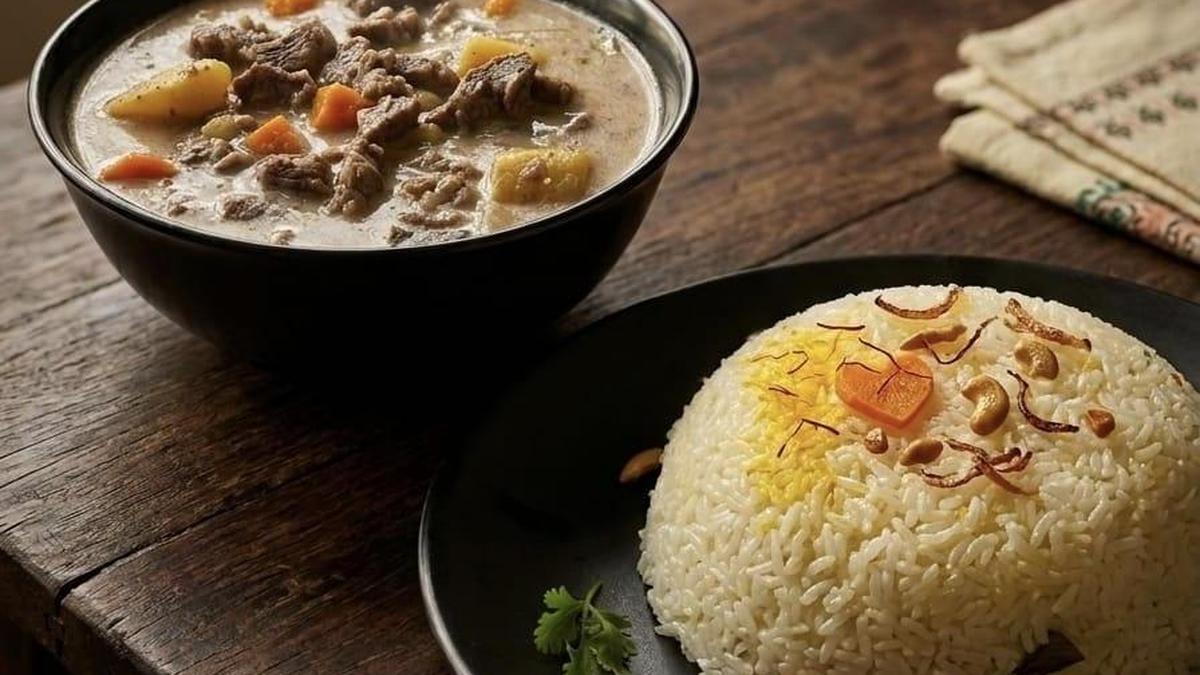
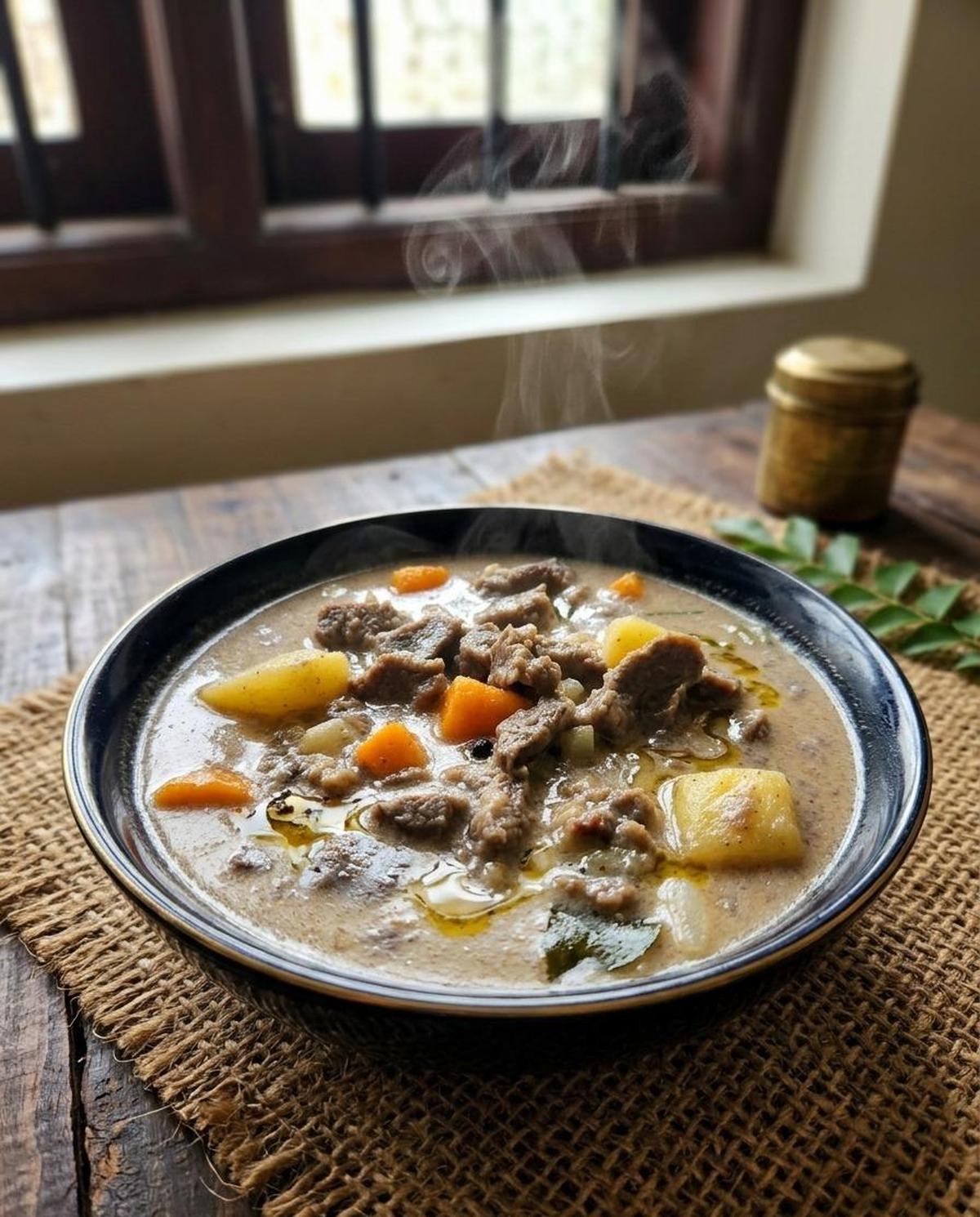
The Kerala stew is defined by its understated elegance. Unlike the fiery, red-hued curries for which South India is often famous, the ishtew is a study in subtlety. Its base is the creamy extract of fresh coconuts, infused with whole spices including cinnamon, cardamom, cloves, black pepper, and bay leaves. Typically containing pieces of chicken, beef, or mutton alongside cubed potatoes, carrots, and onions, the dish offers a balance of sweetness from the coconut and a mild heat from the ginger and green chilies.
The Rise of Niche Eateries
The most significant trend in the Kochi food scene today is the move toward hyper-specialization. While traditional restaurants like Hamza’s Kitchen on Pipeline Road were among the first to see their bread-and-stew combinations go viral on social media, a new wave of entrepreneurs is taking the concept further.
- Reems Stew and Bread: Operating as a food truck, this venture has turned the stew into a mobile gourmet experience. By focusing almost exclusively on the stew-bread combination, they have tapped into a market that craves high-quality, "homemade" comfort food on the go.
- Stewmuch: A cloud kitchen based in Kochi, founded by Jishnu KP, which treats the stew as a premium, versatile meal suitable for breakfast, lunch, or dinner.
- Specialized Outlets: Establishments like "Stew in Kakkanad" and various "hole-in-the-wall" shops have sprouted up, proving that there is a sustainable market for a menu built around a single, perfected dish.
A Versatile Palate
While chicken remains the standard, the beef variety has gained a massive following in urban centers. Mutton stew remains the gold standard for high-end celebrations, particularly within the Anglo-Indian and Syrian Christian communities. For vegetarians, the vegetable version provides a light yet flavorful alternative that retains the aromatic essence of the meat-based versions.
Chronology: A Layered History of Spices and Colonization
The history of the Kerala ishtew is a mirror of the state’s own history—a blend of indigenous ingredients and foreign influences brought by centuries of maritime trade and colonial occupation.
The Colonial Fusion (15th – 20th Century)
The origins of the dish are widely attributed to the English and Portuguese presence in Kerala. The English "beef stew" typically relied on cornstarch as a thickener and used dairy or water as a base. When this concept met the kitchens of Kerala, local cooks substituted dairy with the ubiquitous coconut milk. The Portuguese are credited with introducing the New World vegetables that are now essential to the dish: potatoes and carrots.
The Jewish and Syrian Christian Influence
Culinary historian Tanya Abraham, author of Eating with History: Ancient Trade Influenced Cuisines of Kerala, suggests an even more nuanced lineage. She notes that the use of coconut milk as a substitute for dairy may have roots in the Kosher laws of the ancient Jewish community in Kerala, which forbade the mixing of meat and milk. The Syrian Christian community, known for their culinary adaptability, likely refined these techniques, incorporating local ginger and pepper to create the distinct "Suriani" style of stew.
The Modern Commercial Era (2020 – Present)
Post-pandemic, there has been a noticeable shift toward "comfort food" in the Indian dining sector. In Kochi, this manifested as a "stew boom" around 2023-2024. Entrepreneurs began realizing that the emotional connection people have with the dish could be leveraged. The transition from a domestic staple to a food-truck sensation (as seen with Reems in early 2024) represents the latest chapter in the dish’s long-standing history.
Supporting Data: Regional Nuances and Culinary Techniques
The "perfect" stew is a matter of intense debate among Kerala’s culinary circles, with recipes often guarded as family secrets. However, data from local chefs and historians highlight two primary regional profiles: the Malabar Stew and the Kochi Stew.

Malabar vs. Kochi: A Comparison
| Feature | Malabar (Northern) Stew | Kochi (Central) Stew |
|---|---|---|
| Color | Mild yellow tone | Pale white / translucent |
| Consistency | Thicker, often richer | Lighter, more broth-like |
| Spice Profile | High pepper notes, bolder spices | Milder, slightly sweeter |
| Traditional Pairing | Ghee Rice / Puttu | Appam / Bread |
The Secret of Thickening
One of the technical distinctions in modern commercial stews is the thickening agent. While many commercial kitchens use cornflour for speed and cost-effectiveness, premium vendors like Reems Stew and Bread utilize a traditional "hack" passed down through generations: cashew paste. This not only thickens the gravy but adds a nutty depth that cornflour cannot replicate.
Versatility in Consumption
According to Jishnu KP of Stewmuch, the stew’s success lies in its digestibility. Unlike the heavy, oil-laden gravies of many Indian meat dishes, the ishtew is "light on the palate." This makes it one of the few meat-based dishes in India that is considered equally appropriate for a 7:00 AM breakfast and a 10:00 PM dinner.
Official Responses: Voices from the Kitchens
The entrepreneurs driving this trend emphasize that they are selling more than just food; they are selling a sensory link to the past.
Ajoy ET, Co-founder of Reems Stew and Bread:
"The response has been sensational. The bread-stew combination is more than food for the Kochiite. It is part of our celebrations—Christmas and Easter. It is pure nostalgia and a taste of home, which has people coming to us in droves. What sets us apart is the recipe my wife, Reema, uses. We don’t use cornflour; it’s a cashew paste hack she learned from her grandmother."
Jishnu KP, Founder of Stewmuch:
"I chose stew because its spices and warmth are balanced. It is not a heavy dish; it feels light and comforting. In many kitchens, guests are welcomed with good food, and stew has always had a special place in that hospitality. I am trying to build a recipe inspired by a meeting of Malabar and Kochi traditions. We even pair it with ghee rice, which is common in Kozhikode but a novelty in Kochi."
Tanya Abraham, Culinary Historian:
"The stew is often connected to the Surianis, who specifically used pepper and ginger. While it has colonial roots, the addition of coconut milk makes it uniquely ours. It is difficult to say exactly when the first version came into being because coconut has been available since yore, but the dish represents a layered history of trade and cultural exchange."
Implications: The Commercialization of Nostalgia
The rise of dedicated stew outlets in Kerala carries several implications for the region’s food economy and cultural identity.
1. The Professionalization of "Home Food"
The success of these ventures suggests a growing market for "monoproduct" restaurants—places that do one thing exceptionally well. By moving the stew from the "side dish" category to the "main event," entrepreneurs are proving that traditional recipes can survive the age of fast food if they are presented with authenticity and convenience.
2. Tourism and Culinary Branding
As Kochi continues to grow as a tourist hub, the ishtew is being positioned alongside the Meen Kulambu (Fish Curry) as a must-try Kerala experience. The visual appeal of the white gravy against green chilies and orange carrots makes it highly "Instagrammable," further driving its popularity among younger, social-media-savvy diners.
3. Preservation of Heritage
By sticking to traditional methods—such as hand-extracting coconut milk or using cashew paste instead of artificial thickeners—these modern businesses are inadvertently acting as custodians of Kerala’s culinary heritage. They ensure that the specific spice ratios and techniques of the past are not lost to the homogenization of modern restaurant cooking.
4. Economic Opportunities for Small Entrepreneurs
The low entry barrier of cloud kitchens and food trucks has allowed home cooks to enter the professional arena. As seen with Reema and Ajoy, the "food truck" model allows for a flexible business that can follow the demand, whether it be the tech crowds at Infopark or the weekend strollers in Panampilly Nagar.
In conclusion, the Kerala ishtew is currently enjoying a golden age. No longer confined to the family dining table during religious holidays, it has become a symbol of Kerala’s ability to blend its colonial past with a vibrant, entrepreneurial present. Whether mopped up with a piece of crusty bread or a soft appam, the stew remains a "warm hug" in a bowl—a timeless comfort that continues to evolve with the changing tastes of the times.
