

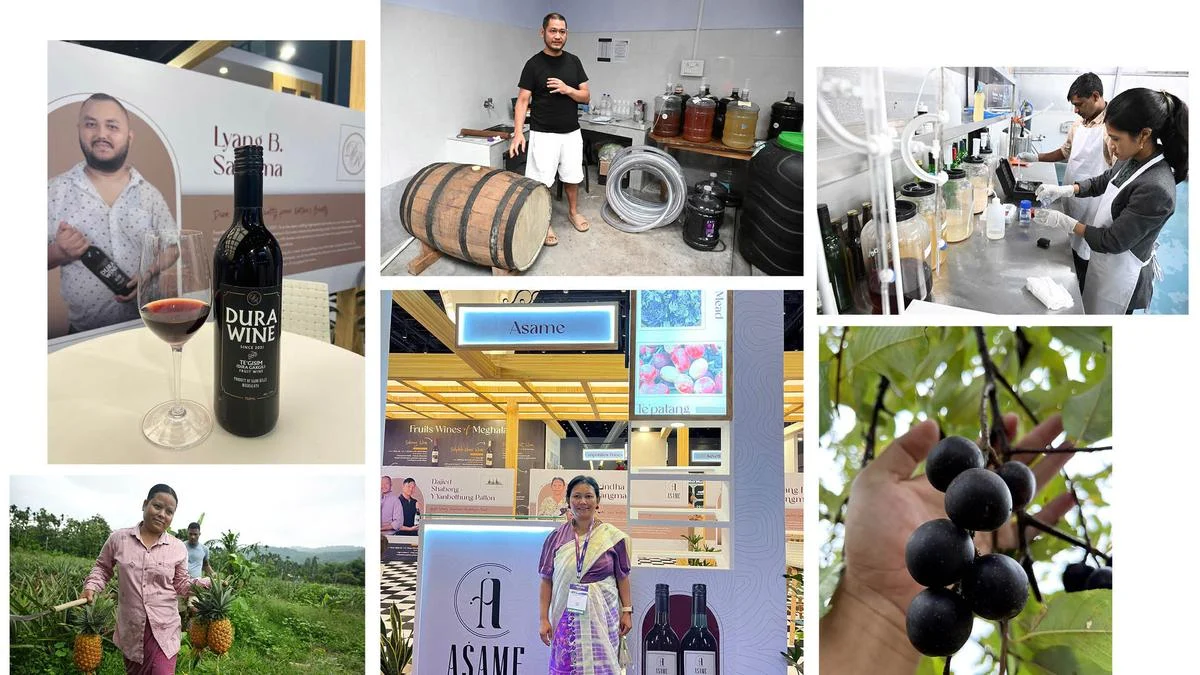
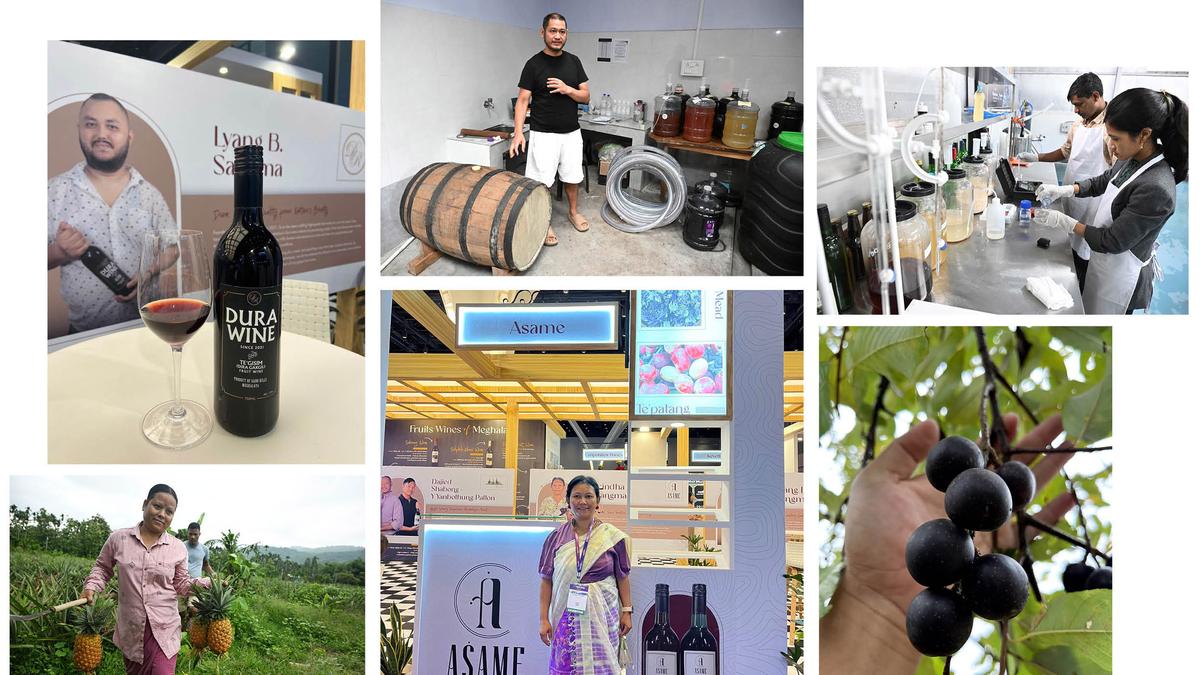
SHILLONG, MEGHALAYA — In the high-stakes environment of Vinexpo India 2024 in Mumbai, Lyang B. Sangma stood amidst a sea of international sommeliers and seasoned grape-wine connoisseurs. In his hand was a bottle of te.gism—a dark, brooding nectar derived from the Himalayan cherry. As experts swirled the liquid and rolled it over their palates, Sangma waited with bated breath.
"I had my heart in my mouth," Sangma recalls. "But the reaction was unanimous: this product has possibilities far beyond the Garo Hills."
Sangma’s experience is emblematic of a broader economic and cultural shift currently sweeping through Meghalaya. The "Abode of Clouds" is witnessing a sophisticated "Crimson Renaissance," where ancient indigenous fruits, once left to rot on forest floors, are being bottled into premium elixirs. From the "fruit with a dot in its name" (te.gism) to the vibrant blue hues of butterfly pea flower infusions, Meghalaya is positioning itself as the fruit-wine capital of India, challenging the traditional dominance of grape-based viticulture.
1. Main Facts: The Commercialization of the Wild
The burgeoning industry is defined by its use of non-grape, indigenous flora. While the world’s wine market is dominated by specific grape varietals, Meghalaya is leveraging its unique biodiversity. The primary driver of this trend is the Himalayan cherry (Prunus jenkinsii), known locally as te.gism. Virtually unknown to botanists until less than a decade ago, it has become the flagship of the state’s winemaking movement.
A Diverse Portfolio of Flavors
Unlike the standardized taste profiles of Merlot or Chardonnay, Meghalaya’s winemakers are experimenting with a kaleidoscope of seasonal fruits:
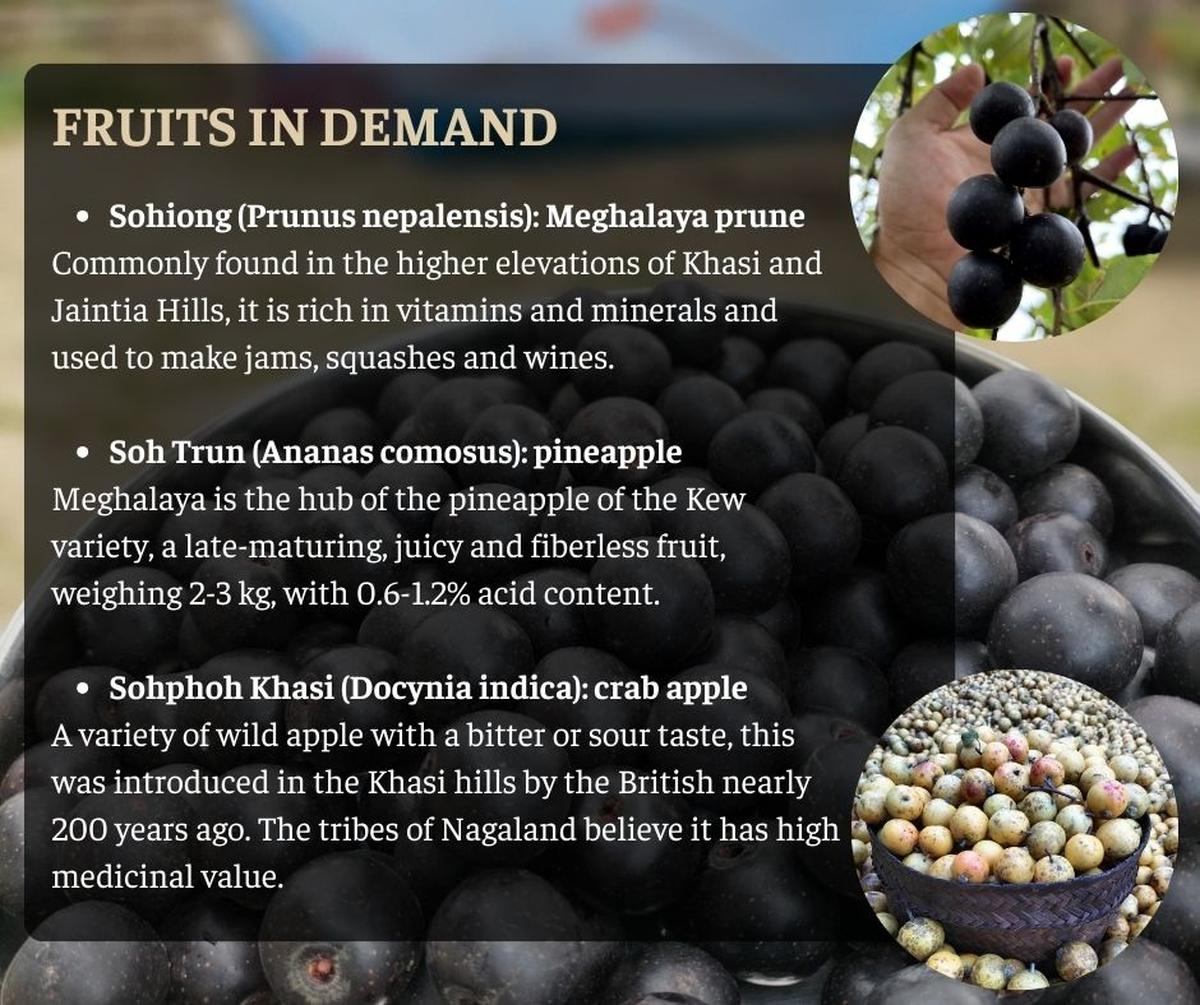
- Sohiong (Meghalaya Prune): A deep purple fruit that produces a rich, tannic wine.
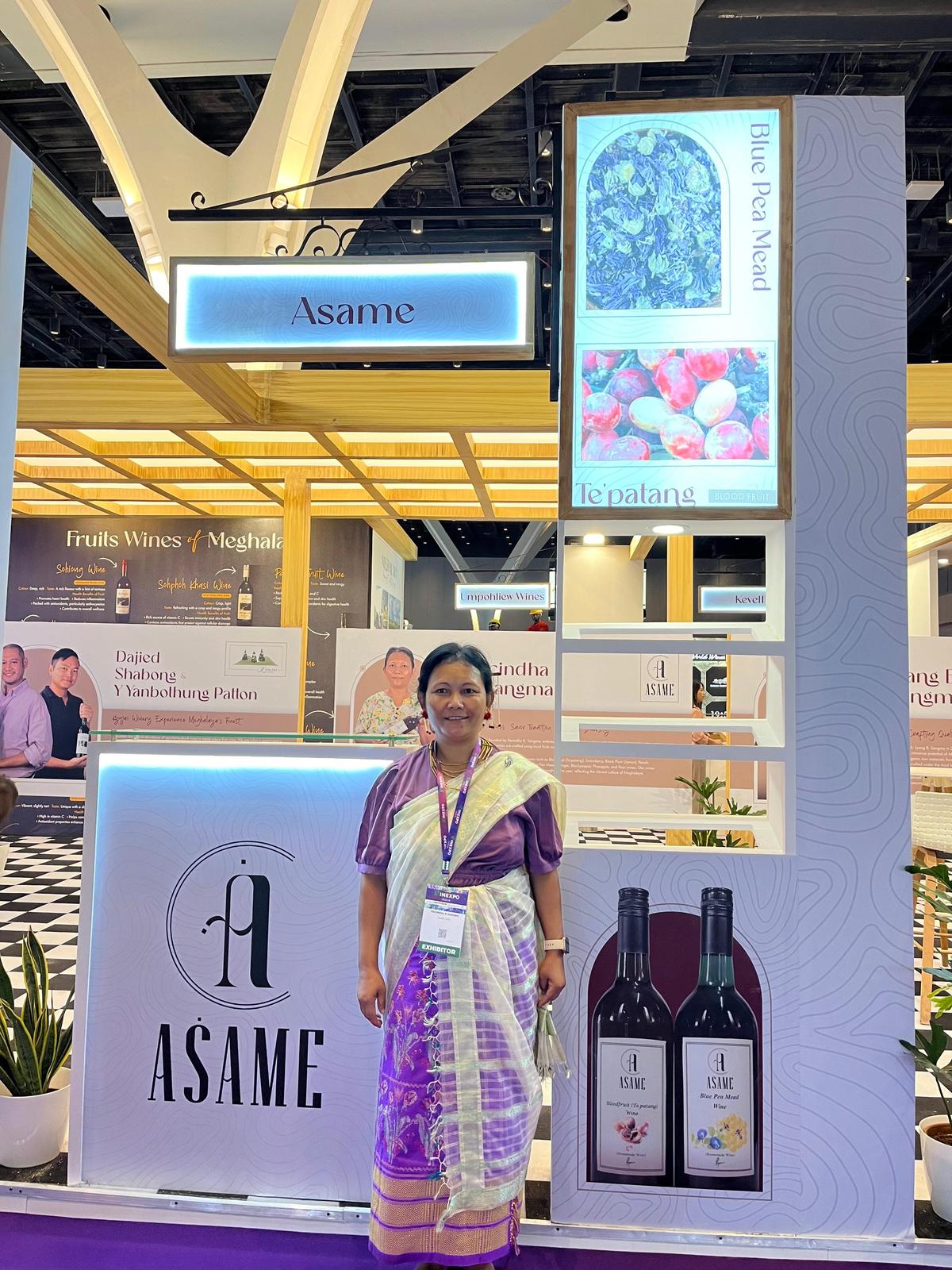
- Te.patang (Blood Fruit): Known for its sweet and sour profile, yielding a striking blood-red beverage.
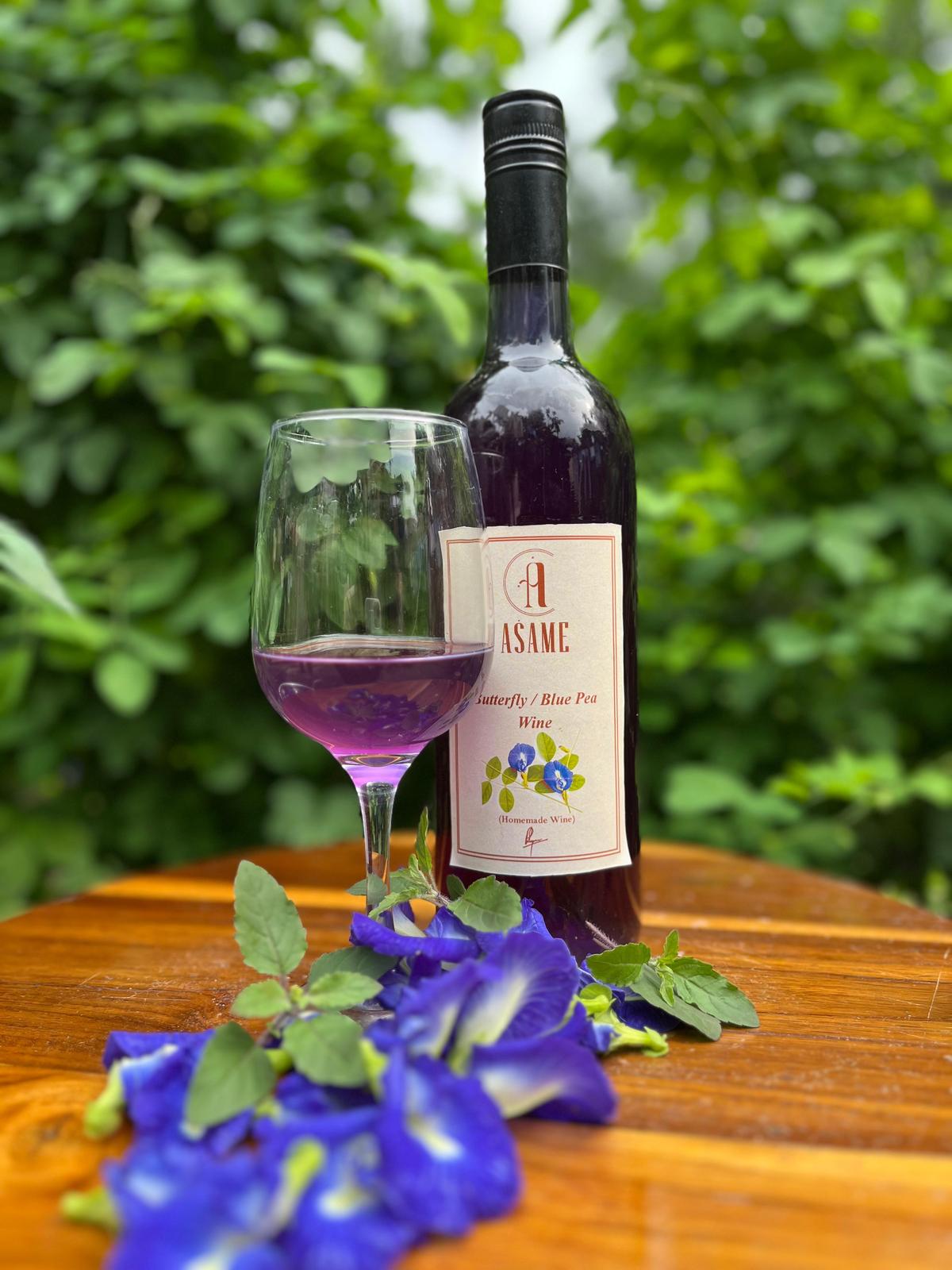
- Exotics: Jackfruit (described as an acquired, pungent taste), silverberry, bayberry, and the butterfly pea flower, which produces a natural blue wine.
- Traditional Roots: Bottled and carbonated versions of bitchi, the smoky traditional rice beer of the Garo community.
Currently, the state boasts approximately 30 fruit winemakers, with 17 having transitioned to full-scale commercial production. This shift is supported by modern scientific equipment and state-of-the-art wineries, moving away from the "backyard brewing" labels of the past.

2. Chronology: From Colonial Roots to Modern Policy
The history of winemaking in Meghalaya is a tapestry of colonial influence, local tradition, and modern legislative intervention.
The Pioneer Era (1947–1980s)
The modern industry traces its lineage back to Captain Harold Douglas Hunt, a British army officer who chose to stay in the village of Mawphlang after India’s independence. Settling near the famous Sacred Groves, Hunt established the state’s first licensed winery in 1947. His "Mawphlang Cherry Wine" became a household name, creating a localized ecosystem where villagers collected wild sohiong for commercial processing. Following Hunt’s death in the 1980s, the winery fell silent, leaving a vacuum that lasted for decades.
The Revivalist Spark (2004–2018)
The dormant industry was jolted back to life in 2004 by Michael Syiem of the Forever Young Club. Syiem organized Shillong’s first wine festival, aiming to de-stigmatize local brews and showcase the potential of indigenous fruits. This annual event cultivated a new generation of "millennial" consumers who viewed exotic fruit wines as "cooler" and more culturally authentic than expensive imported grape wines.

The Institutional Shift (2019–Present)
The true catalyst for commercial scaling arrived in 2019 with the establishment of the Meghalaya Farmers Empowerment Commission (MFEC).
- September 2020: The Meghalaya Excise Rules were amended, finally legalizing homemade wines for commercial sale and providing a clear licensing framework.
- 2021-2023: Entrepreneurs like Lyang B. Sangma (Dura Wines) and Pecindha K. Sangma (Asame) launched commercial brands.
- 2023: The North East Fruit Wine Incubation Centre was established in Shillong to provide scientific training.
3. Supporting Data: The Economics of the Bottle
The transition from a hobby to an industry is backed by significant capital and impressive growth statistics.
Investment and Infrastructure
Setting up a modern winery in Meghalaya is no small feat. A facility with a 5,000-liter capacity typically requires an investment of approximately ₹50 lakh (excluding land and buildings). To aid this, organizations like the North East Centre for Technology Application and Reach (NECTAR) have provided machinery grants, such as the ₹25 lakh awarded to Lyang Sangma’s Dura Wines.
The Impact on Waste and Income
One of the most compelling arguments for the wine industry is its impact on the agricultural supply chain.
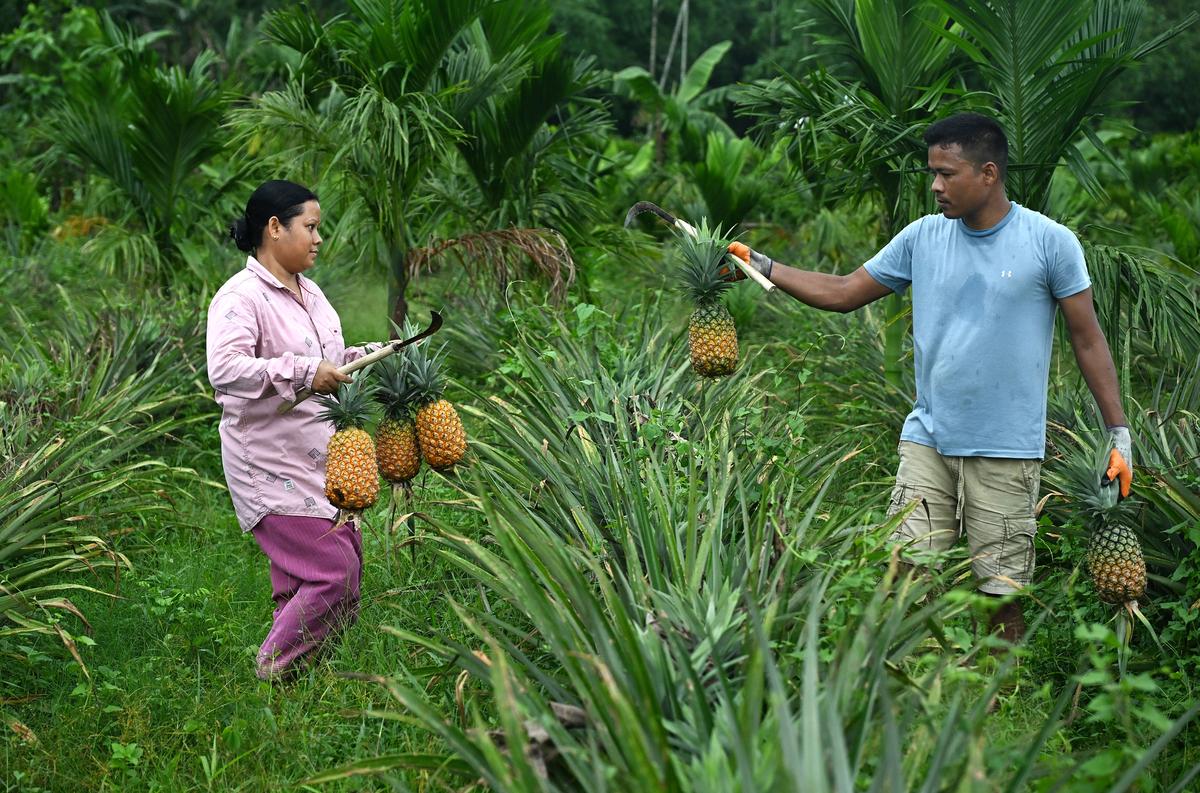
- Waste Reduction: In India, nearly 40% of fruits and vegetables are wasted due to poor logistics. In Meghalaya’s rugged terrain, this was historically higher. Winemaking has effectively "locked in" value, with winemakers booking entire orchards a year in advance.
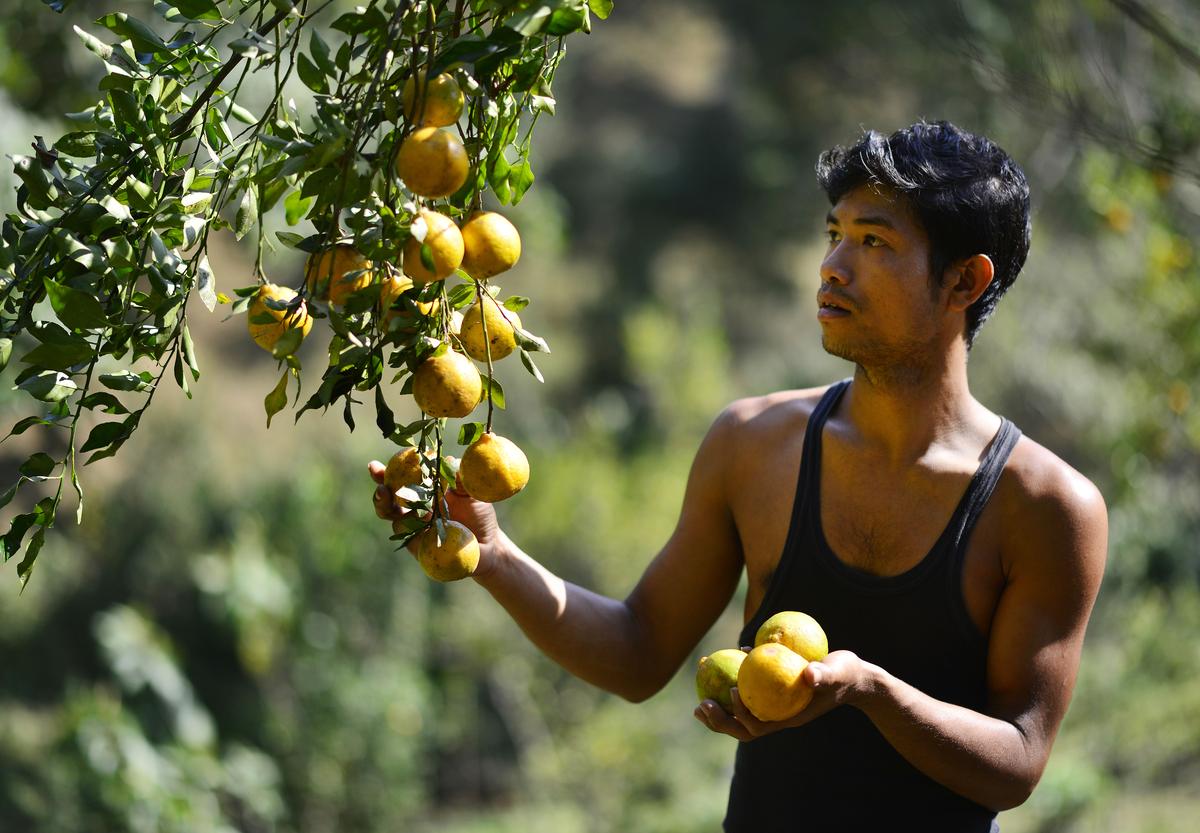
- Farmer Prosperity: A farmer who previously earned ₹3,000 per sohiong tree now generates upwards of ₹15,000 per season by selling to wineries.
- High-Value Crops: Income for farmers of kiwi, plum, and orange has jumped from ₹30,000 per season to over ₹3 lakh in some instances.
Taxation and Competitive Edge
The Meghalaya government has created a highly favorable fiscal environment to compete with established hubs like Himachal Pradesh and Maharashtra. While other states impose VAT ranging from 4% to 53% on fruit wines, Meghalaya imposes zero VAT. The only levies are a nominal ad valorem fee of ₹100 per case and a small lifting fee.
4. Official Responses: A Government-Led Mandate
The state government’s proactive stance has been a differentiator. B.K. Sohliya, Chairman of the MFEC, emphasizes that winemaking is "an art that is mostly science."
"Our commission is the only one of its kind in the country," Sohliya says. "We are here to represent the voices of farmers and formulate policies for food processing. We have moved from five licensed winemakers to 17 in just three years, making us the second-highest in India after Himachal Pradesh."
The government has also invested in human capital. The North East Fruit Wine Incubation Centre, located at the Institute of Hotel Management (IHM) Shillong, has already trained 137 individuals. The curriculum covers the entire value chain—from botanical selection to the "90-day cycle" of bottling.
Furthermore, the state has roped in experts like Priyanka Save of Himachal Nectars to conduct certification courses, ensuring that the local products meet national and international quality standards. Rajesh Swarnakar, a professional spirits taster, notes that the quality has improved markedly, with a better balance of sugar and a consistent 10% Alcohol by Volume (ABV).
5. Implications: Culture, Tourism, and the Future
The rise of the fruit wine industry carries profound implications for Meghalaya’s future.
Cultural Preservation and "The Hunt Legacy"
The revival of the winery in Mawphlang by Andrew Nongdhar, Captain Hunt’s grandson, represents a full circle for the community. By returning to "the old popular wine," the project is not just an economic venture but a restoration of historical pride. It bridges the gap between the colonial past and the entrepreneurial present.
Tourism and Brand "Meghalaya"
As tourists increasingly seek "authentic" experiences, fruit wine is becoming a staple of the Meghalaya travel circuit. Liquor outlets in neighboring Assam are seeing a surge in demand for these bottles, which retail for an average of ₹600 per 750ml. The "Beyond the Grape" shows organized by the government are effectively branding the state as a boutique destination for oenophiles.
Ecological Stewardship
The industry is inadvertently aiding conservation. Many of the fruits used grow in or near "Sacred Groves"—protected community forests. By giving these wild fruits commercial value, the incentive to preserve the forests increases. There is a noticeable shift from simple gathering in the jungle to structured, sustainable farming of indigenous species.
The Road Ahead
While Meghalaya’s fruit wines still have "some distance to catch up" with the established apple-wine industry of Himachal Pradesh, the trajectory is clear. The combination of an enabling policy, an untapped botanical goldmine, and a dedicated class of entrepreneurs has set the stage for a global export.
As Dajied Shabong, founder of Kynjai Wine, puts it: "Winemaking is a complex process, but rewarding for the soul. Our wines are on par with those produced anywhere in the world. We are moving fast, and soon, we won’t just be selling from home—we will be on every shelf in the country."
In the bottles of te.gism and sohiong, Meghalaya has found more than just a drink; it has found a liquid representation of its heritage, bottled for the world to taste.
