

Main Facts
The FIFA World Cup 2026 kicks off with a clash steeped in history and burgeoning anticipation as double World Cup champions France prepare to face the formidable Lions of Teranga, Senegal, in the inaugural Group I fixture. This highly-anticipated encounter is set to electrify the iconic MetLife Stadium in New York/New Jersey, a fitting stage for a match that echoes one of the tournament’s most stunning upsets. For France, the memory of their 2002 opening match defeat to a then-unknown Senegalese side looms large, a cautionary tale against complacency for the reigning global powerhouses.
The stakes could not be higher. France, boasting a galaxy of stars led by the generational talent Kylian Mbappé, arrives in North America not just as a perennial contender but with the weight of recent history. Having reached the last two World Cup finals – lifting the trophy in 2018 and agonizingly losing on penalties in 2022 – Didier Deschamps’ squad is acutely aware that a strong start is paramount. Their ambition is clear: to solidify their claim as the sport’s dominant force and establish a dynasty.
Across the pitch, Senegal presents a "seismic challenge." The African champions, despite recent continental heartbreak, are a team brimming with talent, physicality, and an unyielding spirit. Led by the experienced Sadio Mané, they carry the hopes of a continent and a point to prove. The controversial events surrounding their AFCON final earlier this year, where they were stripped of the title amidst a penalty dispute, have undoubtedly fueled a collective desire for redemption on the grandest stage. This opening match is not merely a game; it’s a narrative-rich encounter that could set the tone for Group I and potentially the entire tournament.
Chronology
The road to the FIFA World Cup 2026 has been a winding one for both France and Senegal, marked by periods of triumph, challenge, and significant evolution. Their Group I opener is the culmination of years of preparation, squad building, and tactical refinement.
France’s Post-2022 Journey: Building Towards a Dynasty
Following their heroic, yet ultimately heartbreaking, performance in the 2022 World Cup final against Argentina, France embarked on a mission to consolidate their status at the pinnacle of international football. Coach Didier Deschamps, whose tenure has been defined by remarkable consistency and tactical acumen, remained at the helm, signaling continuity for a squad already rich in experience and youthful exuberance.
The qualifying campaigns for Euro 2024 and the subsequent World Cup 2026 saw France maintain their dominant form. They navigated challenging groups with characteristic efficiency, showcasing both their attacking prowess through Mbappé, Antoine Griezmann, and Ousmane Dembélé, and the defensive solidity anchored by the likes of Dayot Upamecano, Ibrahima Konaté, and Jules Kounde. Midfielders like Aurélien Tchouaméni and Eduardo Camavinga matured into pivotal figures, seamlessly integrating into the team’s engine room. Friendlies against top European and South American nations served as crucial testing grounds, allowing Deschamps to experiment with formations and fine-tune player roles. Injuries to key players occasionally disrupted their rhythm, but the depth of talent within the French ranks ensured that performances rarely dipped below an elite standard. The overarching narrative has been one of controlled evolution, preparing a side capable of not just competing, but dominating, the global football landscape.
Senegal’s Path: Resilience, Redemption, and a Continental Heartbreak
Senegal’s journey to the 2026 World Cup has been equally compelling, albeit punctuated by more dramatic twists. After their strong showing in the 2022 World Cup, where they advanced from their group before falling to England in the Round of 16, the Lions of Teranga set their sights on continued continental dominance and a deeper run on the world stage.
Their qualification campaign for 2026 was robust, showcasing the tactical discipline instilled by coach Pape Thiaw and the individual brilliance of stars like Sadio Mané, Kalidou Koulibaly, and Édouard Mendy. However, it was their performance in the recent Africa Cup of Nations (AFCON) that truly defined their pre-World Cup narrative. Senegal entered the tournament as defending champions and played with remarkable flair and determination, reaching the final. The climactic match against Morocco, however, descended into controversy. A contentious penalty awarded to Morocco, followed by a protracted protest from the Senegalese players and coach Thiaw leading his team off the pitch, resulted in a significant delay. Despite Sadio Mané eventually guiding his teammates back, Brahim Díaz missing the spot-kick, and Pape Gueye scoring in extra time, the fallout led to Senegal being controversially stripped of the title by the Confederation of African Football (CAF). This decision, which cited unsporting conduct and a breach of regulations, left deep wounds but also forged an even stronger resolve within the squad. The players and staff have repeatedly voiced their determination to channel this injustice into a powerful performance on the world stage, viewing the World Cup as an opportunity for ultimate vindication.
The Shadow of 2002: A Historical Echo
The historical backdrop to this encounter is impossible to ignore. The last – and only – time France and Senegal met in a World Cup was in the opening match of the 2002 tournament in South Korea/Japan. France, then the reigning champions and boasting a squad widely considered one of the greatest of all time (Zidane, Henry, Vieira, Desailly), were expected to cruise past tournament debutants Senegal. However, in one of the biggest upsets in World Cup history, a Papa Bouba Diop goal in the 30th minute secured a shocking 1-0 victory for the Lions of Teranga. That defeat proved to be a psychological blow from which France never recovered, leading to their ignominious exit in the group stage without scoring a single goal.
For France, 2002 serves as a stark reminder of the unpredictable nature of the World Cup and the dangers of underestimating any opponent, especially one with nothing to lose. For Senegal, it is a glorious chapter in their footballing folklore, a testament to their ability to rise to the occasion and slay giants. While the personnel and circumstances have changed dramatically over two decades, the psychological resonance of that historic encounter will undoubtedly be a silent participant in the MetLife Stadium showdown.
Supporting Data
A deep dive into the two squads reveals why this Group I opener is poised to be a tactical battle of epic proportions, pitting French pedigree against Senegalese passion and power.
France: The Depth of a Dynasty in Waiting
France’s squad for the 2026 World Cup is, on paper, arguably the strongest in the tournament. Didier Deschamps benefits from an extraordinary blend of world-class talent across every position, ensuring both a formidable starting XI and game-changing options from the bench.
- Goalkeeping: Mike Maignan has firmly established himself as France’s number one, a commanding presence with exceptional shot-stopping ability and distribution. His consistency at the highest club level makes him a reliable last line of defense.
- Defense: The central defensive pairing typically features the pace and power of Dayot Upamecano alongside the composure of Ibrahima Konaté or the tactical intelligence of Jules Kounde. On the flanks, Theo Hernandez provides blistering attacking runs and defensive solidity on the left, while Kounde or Benjamin Pavard offer versatility and experience on the right. William Saliba and Lucas Hernandez provide further elite options, ensuring France’s backline is robust and adaptable.
- Midfield: This is where France truly dictates play. The dynamic duo of Aurélien Tchouaméni and Eduardo Camavinga have matured into world-class holding midfielders, combining defensive tenacity with exceptional ball-carrying and passing range. Adrien Rabiot adds a box-to-box threat, while Antoine Griezmann, often deployed deeper, acts as the team’s primary creative fulcrum, linking midfield and attack with his unparalleled vision and work rate.
- Attack: The crown jewel is, of course, Kylian Mbappé. At 27, he is entering his prime, a player whose blistering pace, clinical finishing, and dribbling wizardry make him virtually unplayable. Supported by the electric wing play of Ousmane Dembélé and the goal-scoring instincts of Randal Kolo Muani or Olivier Giroud (if still in the squad), France possesses an attack capable of dismantling any defense. Mbappé’s recent club form has been sensational, consistently ranking among the top scorers and assisters in European football. His leadership as captain adds another dimension to his already immense influence.
Deschamps’ tactical approach is typically pragmatic, built on a solid defensive foundation and lightning-fast transitions. They are masters of the counter-attack, using Mbappé’s speed to devastating effect, but also possess the technical ability to dominate possession when required. Set-pieces are another area of strength, with aerial threats and precise delivery. Current betting odds place France among the top two favorites for the tournament, reflecting widespread confidence in their depth and quality.
Senegal: The Lions’ Roar and Tactical Discipline
Senegal, under coach Pape Thiaw, has forged a reputation as a physically imposing, tactically disciplined, and immensely passionate team. Their strength lies in a cohesive unit, anchored by key players who have experience at the highest levels of European football.
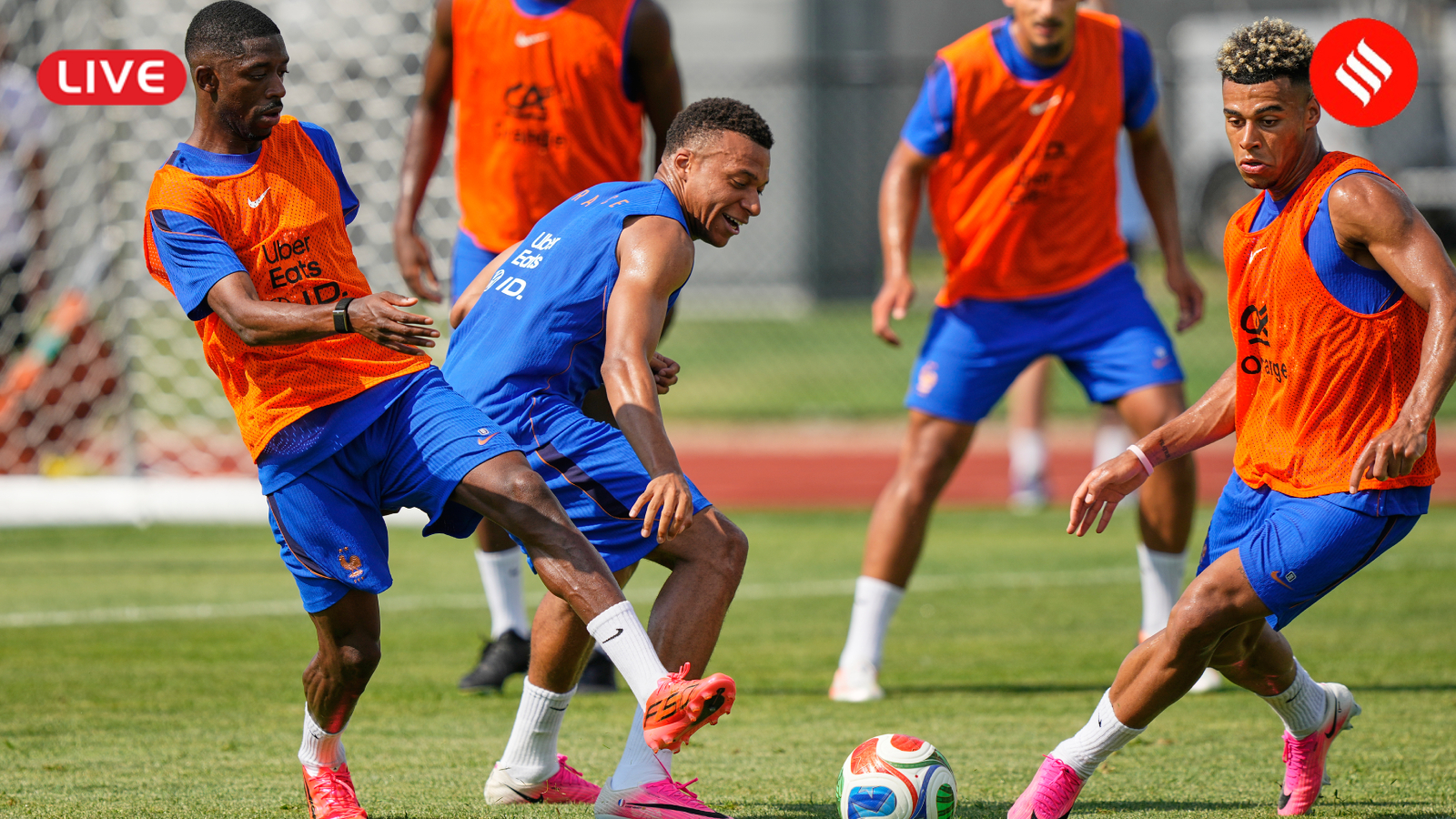
- Goalkeeping: Édouard Mendy, despite recent club challenges, remains a formidable presence in goal, known for his imposing frame and excellent shot-stopping.
- Defense: The towering figure of Kalidou Koulibaly leads the defense, a world-class center-back whose leadership, strength, and aerial prowess are vital. Alongside him, younger talents like Abdou Diallo or Moussa Niakhate provide pace and cover. On the flanks, Youssouf Sabaly and Ismail Jakobs offer balance between defensive responsibility and attacking thrust.
- Midfield: The engine room is typically robust, featuring the experienced Idrissa Gueye, whose defensive work rate and ball winning are crucial. Pape Gueye, whose extra-time goal in the controversial AFCON final highlighted his clutch ability, offers a more dynamic, box-to-box presence. Nampalys Mendy and Cheikhou Kouyaté provide further options for steel and experience.
- Attack: Sadio Mané is the undisputed talisman. Despite transitioning to a league outside Europe’s top five, his speed, dribbling, and prolific goal-scoring for the national team remain undiminished. He is the creative spark and primary goal threat. Supporting him are dynamic wingers like Ismaïla Sarr, whose pace and directness cause problems for defenders, and emerging talents like Nicolas Jackson, who offers a different dimension with his physicality and goal-poaching instincts.
Senegal’s tactical blueprint under Thiaw often involves a compact defensive shape, looking to absorb pressure and then break quickly with their fast wingers and Mané. They are physically strong, excel in duels, and are dangerous from set-pieces, leveraging Koulibaly’s aerial threat. Their AFCON run, despite the contentious ending, showcased their resilience and ability to perform under pressure. They are considered dark horses for the World Cup, capable of upsetting any opponent on their day.
MetLife Stadium: A Global Stage
The MetLife Stadium in East Rutherford, New Jersey, serves as the grand setting for this Group I opener. With a seating capacity exceeding 82,500, it is one of the largest stadiums in North America and a central venue for the 2026 World Cup. As part of the New York/New Jersey metropolitan area bid, it represents a crucial hub for the expanded tournament. The atmosphere is expected to be electric, with a diverse crowd of French and Senegalese supporters, as well as neutral fans, creating a truly global spectacle. The state-of-the-art facilities and iconic location underscore the magnitude of the occasion, adding another layer of excitement to an already compelling fixture.
Official Responses
The build-up to such a significant World Cup encounter is always accompanied by a flurry of statements from coaches, players, and football federations, each aiming to set the tone, manage expectations, and project confidence.
Didier Deschamps (France Coach)
In his pre-match press conferences, Didier Deschamps typically maintains a calm yet focused demeanor. Addressing the 2002 historical parallel, he is expected to acknowledge it but quickly pivot to the present. "We respect history, and the 2002 match against Senegal is certainly a part of World Cup lore," Deschamps might state. "But this is 2026. This is a different team, a different context, and we are entirely focused on what lies ahead. Senegal is a formidable opponent, strong physically, with individual talent that can hurt you. We learned lessons from the past, and those lessons translate into meticulous preparation and absolute concentration from the first whistle." Regarding his "swansong," Deschamps would likely downplay personal narratives, emphasizing the collective goal: "My focus, as always, is solely on the team and on this tournament. We are here to compete, to perform at our highest level, and to bring the trophy back to France. Anything else is secondary."
Kylian Mbappé (France Captain)
As the captain and undisputed star, Kylian Mbappé’s words carry immense weight. He is likely to exude confidence and a fierce determination. "Every World Cup is a new challenge, a new story," Mbappé could articulate. "We know what happened in 2002, and we have learned from it. Senegal is a great team, full of heart and quality. We will give them the respect they deserve, but we are France, and we are here to win. My role is to lead by example, to push my teammates, and to ensure we start this tournament with a strong, positive statement. We want to lift that trophy again, and it starts now."
Pape Thiaw (Senegal Coach)
Pape Thiaw, still smarting from the AFCON controversy, is expected to use that experience as motivation. "We come into this World Cup with a fire in our belly," Thiaw might declare. "What happened at AFCON was a bitter pill, but it has only made us stronger, more united. We have proved our resilience, and we carry the pride of our nation. France is one of the best teams in the world, with incredible players. We respect their quality, but we do not fear them. We are the Lions of Teranga; we will play with our hearts, with our strength, and we will fight for every ball. We believe in ourselves, and we believe we can cause an upset."
Sadio Mané (Senegal Star)
Sadio Mané, the spiritual leader of the Senegalese squad, would echo his coach’s sentiments, emphasizing unity and belief. "This is our moment to show the world what Senegal is capable of," Mané could say. "We have a fantastic group of players, a strong team spirit. We know the challenge France presents, but we have faced big teams before. We will play for our country, for our fans, and for each other. We want to make history again, just like in 2002, and make our people proud."
Federation and FIFA Statements
Both the French Football Federation (FFF) and the Senegalese Football Federation (FSF) would issue statements expressing full confidence in their respective teams and highlighting the significance of the opening match. FIFA and the Local Organizing Committee would emphasize the excitement of the expanded tournament, the global appeal of the fixture, and the readiness of the host cities to deliver an unforgettable experience.
Implications
The outcome of this Group I opener between France and Senegal carries profound implications, not just for the two nations involved, but for the trajectory of the entire FIFA World Cup 2026.
For France: Setting the Tone for a Potential Dynasty
A victory for France would provide an immediate and crucial psychological boost. It would affirm their status as tournament favorites, ease the pressure for subsequent group games, and allow Deschamps to fine-tune tactics without the burden of an early setback. More importantly, it would dispel any lingering ghosts of 2002, showcasing a team that has learned from history and is mentally prepared for the biggest stage. A strong start would solidify Mbappé’s leadership and ignite his campaign for the Golden Boot, fueling the narrative of France’s potential dynasty. Conversely, a draw or, unthinkable for many, a loss, would immediately plunge France into crisis mode. It would resurrect uncomfortable parallels with 2002, raising questions about their mental fortitude, Deschamps’ tactical choices in his perceived "swansong," and the ability of this star-studded team to consistently perform under pressure. Such a result would put immense pressure on their remaining group matches, transforming what should be a comfortable progression into a desperate fight.
For Senegal: Validation, Vindication, and a Continental Statement
For Senegal, the implications are equally monumental. An upset victory, reminiscent of 2002, would send shockwaves through the tournament. It would be a powerful statement of intent, validating their status as a genuine dark horse and potentially propelling them to the top of Group I. Such a win would not only provide immense confidence but also offer a measure of vindication after the controversial AFCON final, demonstrating their ability to perform on the grandest stage despite adversity. It would be a morale-boosting triumph that could inspire not only their nation but the entire African continent, proving that African teams can consistently challenge and defeat football’s traditional giants. Even a hard-fought draw would be considered a credible result, showcasing their resilience and tactical discipline. A loss, while not fatal in an expanded group stage, would make their subsequent matches against other Group I opponents must-win encounters, adding pressure to a squad that thrives on momentum.
For Group I and the Tournament Narrative
The result will significantly shape the dynamics of Group I. An early French dominance would likely see them cruise to the top spot, leaving the other teams to battle for second place. However, a Senegalese upset or even a draw would blow the group wide open, creating a far more unpredictable and exciting scenario.
More broadly, this match holds implications for the expanded 48-team World Cup. An upset would immediately establish the narrative that this larger tournament is ripe for surprises, validating FIFA’s decision to include more nations and providing a platform for emerging footballing powers. It could set a tone of unpredictability and excitement, underscoring the global growth of the sport and the increasing competitiveness across continents. The clash between the reigning European powerhouse and the spirited African champions is more than just a game; it is a narrative-defining event that could echo throughout the entire World Cup 2026.
