

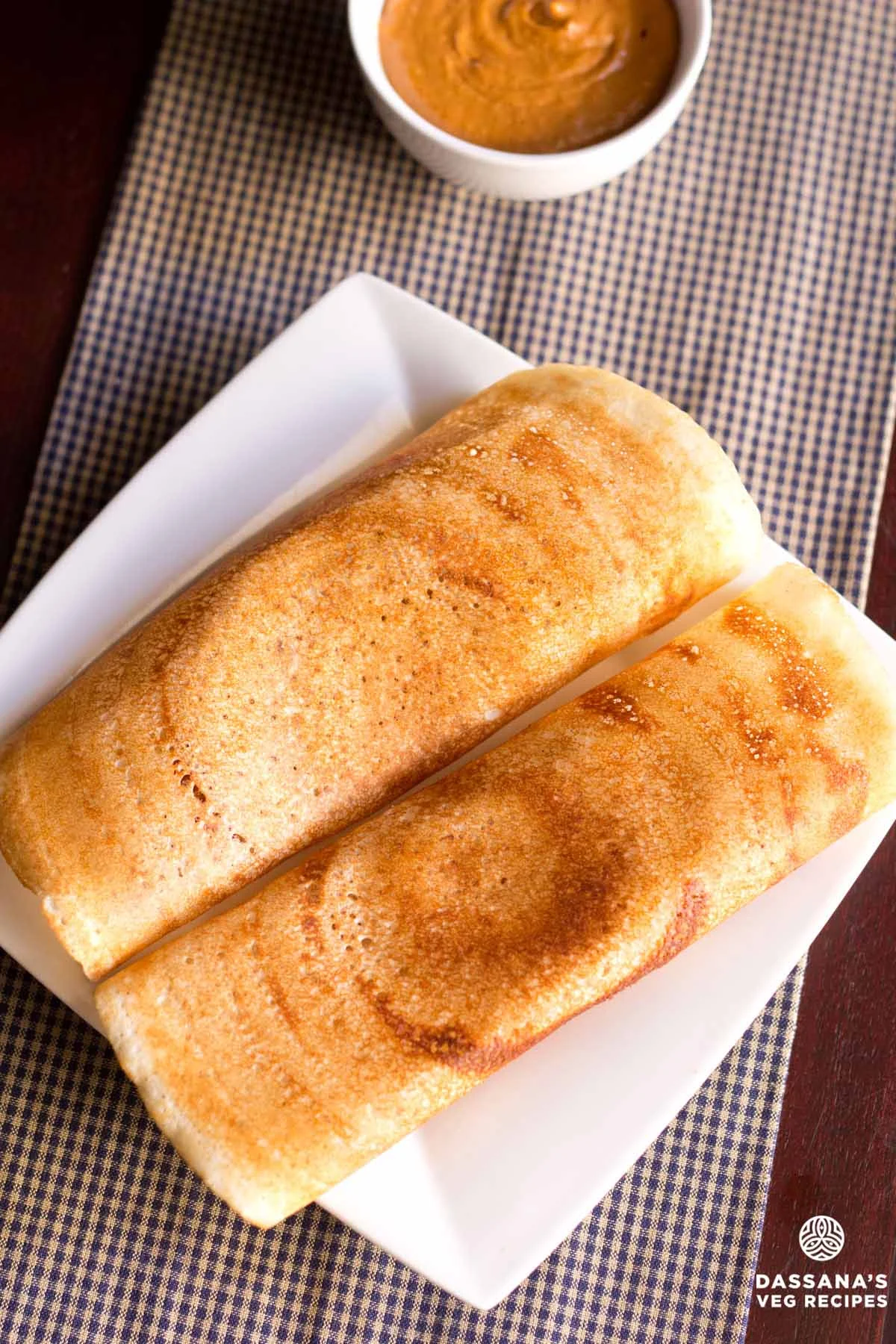
The landscape of South Indian culinary traditions is undergoing a significant transformation, driven by the demands of modern urban living and a growing global interest in gluten-free, plant-based diets. At the center of this evolution is the "No-Grind Rice Dosa," a streamlined version of the classic Indian crepe that eliminates the labor-intensive stages of soaking and grinding grains. Traditionally a multi-day process requiring heavy machinery and foresight, the dosa has been reimagined as a convenient, accessible staple for the 21st-century kitchen.
Main Facts: Redefining a Culinary Classic
The traditional dosa is a fermented crepe made from a batter of soaked rice and black gram (urad dal). While beloved for its complex flavor and probiotic benefits, the preparation typically involves an arduous cycle: soaking grains for six hours, grinding them into a fine paste using a high-powered wet grinder, and fermenting the mixture for another eight to twelve hours.
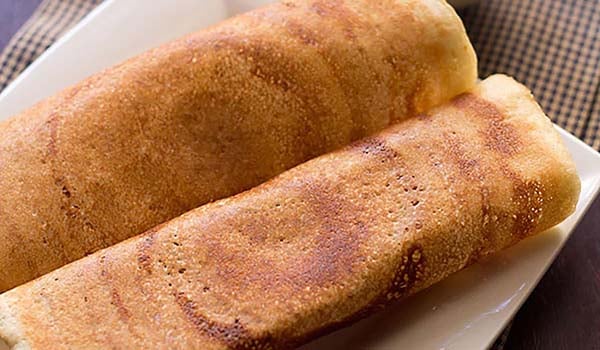
The "No-Grind" Rice Dosa, popularized by culinary experts such as Chef Dassana Amit, bypasses the initial stages by utilizing pre-milled rice flour and urad dal flour. This innovation reduces the active preparation time from hours to minutes, while maintaining the essential fermentation period that gives the dosa its characteristic tang and light texture.
Key Components of the Recipe
The modern iteration of the rice dosa relies on a specific ratio of dry ingredients to achieve the desired "crisp and golden" finish:
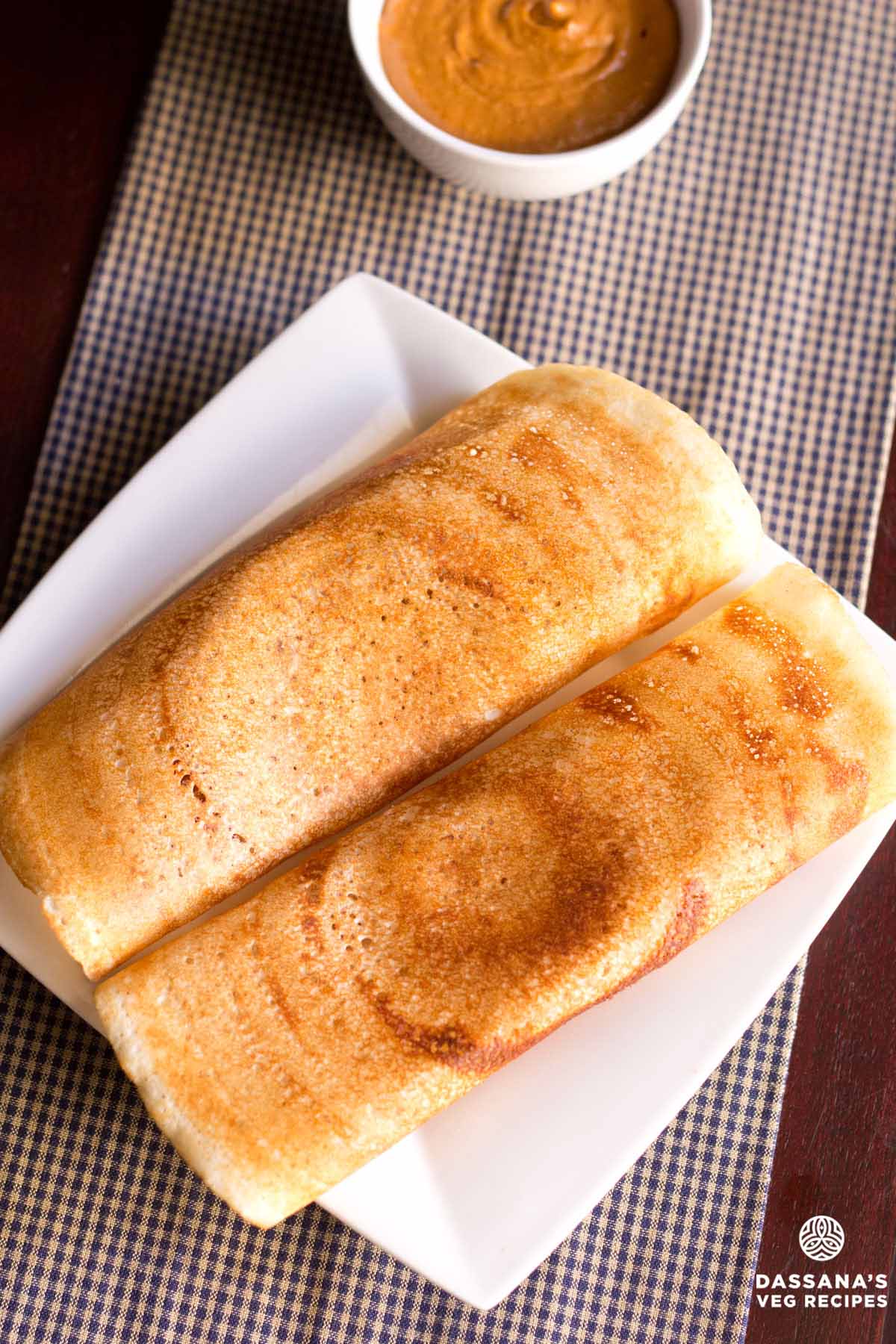
- Rice Flour: 1.25 to 1.5 cups, providing the structural integrity and crispness.
- Urad Dal Flour: 0.75 cups, acting as the protein source and providing the "stretch" and browning capability.
- Water: Approximately 2.5 cups to achieve a medium-thick, flowing consistency.
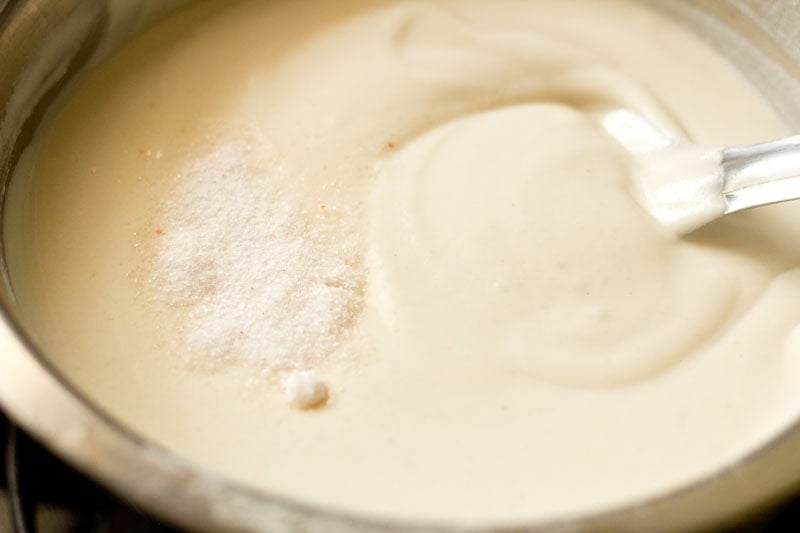
- Salt: Added post-fermentation to regulate the flavor and leavening process.
Unlike the "Instant Dosa" varieties that often rely on Eno (fruit salt) or baking soda for immediate aeration, this version respects the biological process of natural fermentation, ensuring the dish remains authentic to its heritage despite the shortcut in texture preparation.
Chronology: From Flour to Plate
The transition from raw flour to a finished crepe follows a precise chronological sequence that balances convenience with the slow science of fermentation.
Phase 1: The Mixing (Evening Day 1)
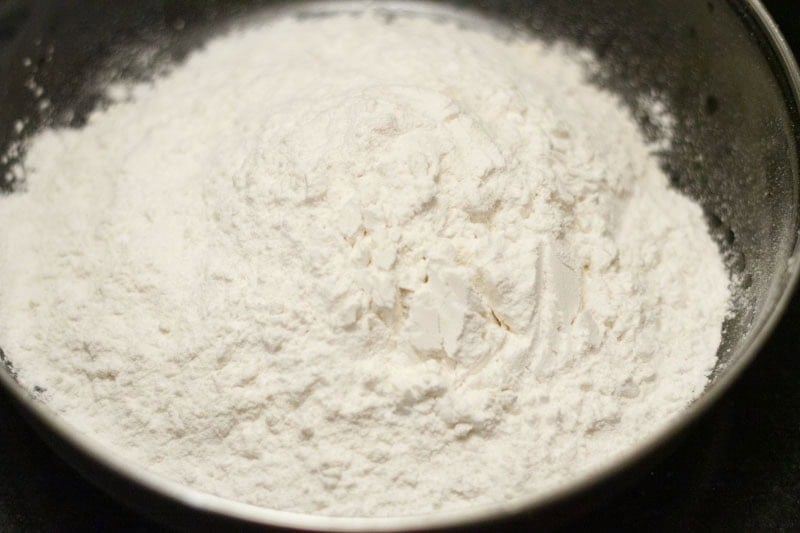
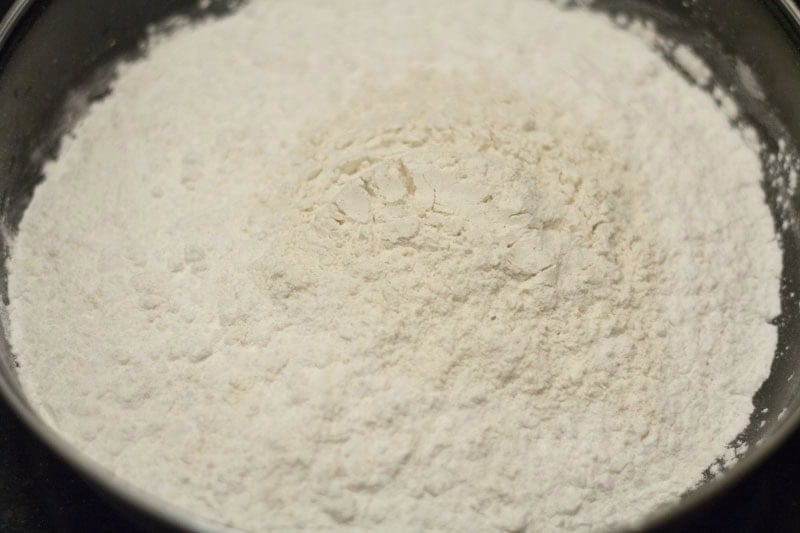
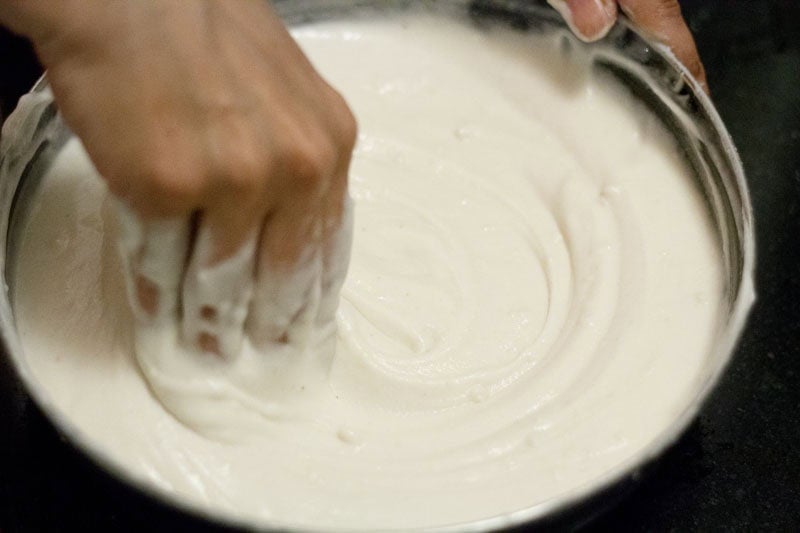
The process begins with the integration of the dry flours. Experts suggest using a wired whisk or clean hands to ensure the batter is devoid of lumps. The goal is a "flowing consistency" that is thicker than water but thinner than pancake batter. This stage takes less than five minutes, a stark contrast to the hour-long grinding process required for traditional batters.
Phase 2: The Fermentation Window (Overnight)
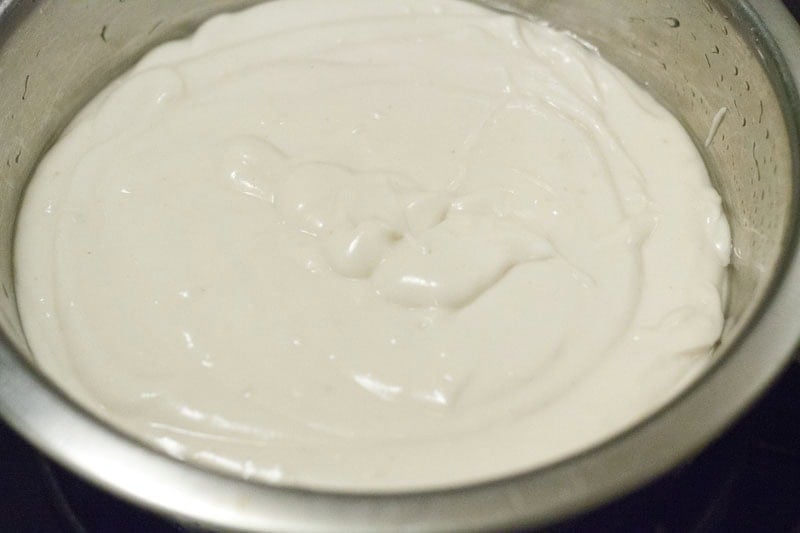
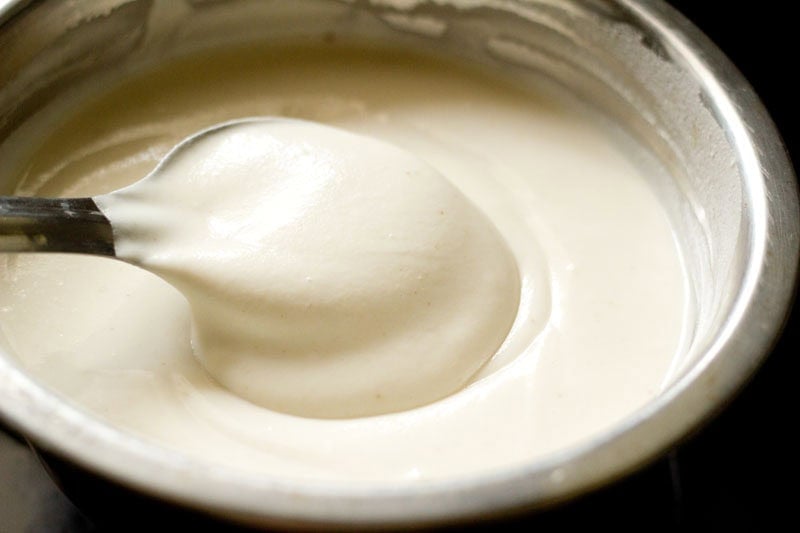
The batter is left to rest at room temperature for 9 to 10 hours. During this period, wild yeast and lactic acid bacteria naturally present in the environment and the urad dal flour begin to break down the starches.
- Visual Indicators: Unlike traditional batter, which may double or triple in volume, flour-based batter shows more subtle signs of readiness, such as a light fermented aroma and a slightly airy, bubbly texture.
- Climatic Adjustments: In cooler climates, the chronology extends. Chefs recommend adding a tablespoon of yogurt to jumpstart the microbial activity or extending the window by an additional two hours.
Phase 3: The Cooking Process (Morning Day 2)
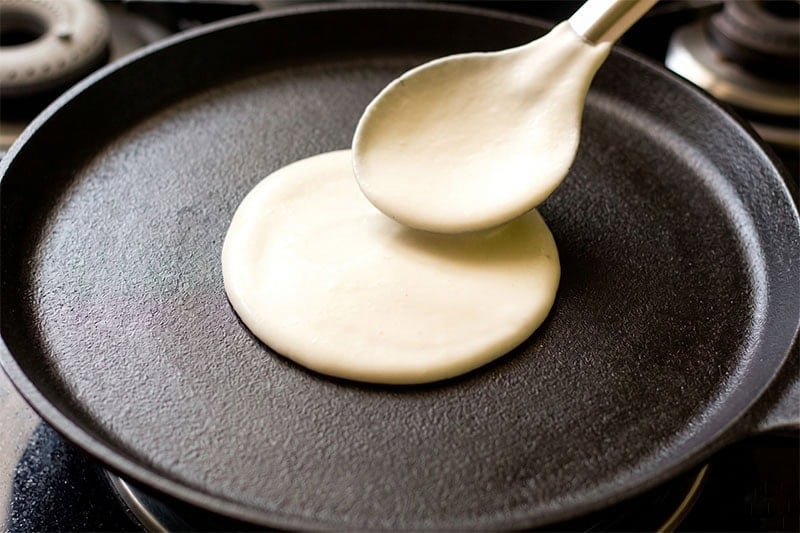
Once fermented, the batter is seasoned with salt. The cooking requires a high-heat environment, ideally a seasoned cast-iron tawa (griddle).
- Greasing: The surface is lightly brushed with oil.
- Spreading: A ladleful of batter is spread in concentric circles to form a thin sheet.
- Sizzling: Oil is drizzled around the edges to facilitate crisping.
- The Flip: The dosa is cooked until the base is golden-brown, then flipped briefly to ensure the interior is fully set.
Supporting Data: Nutritional and Technical Analysis
The move toward flour-based dosas is supported by a robust nutritional profile that caters to health-conscious consumers. According to nutritional data provided by culinary analysts, a standard serving of this rice dosa (approximately four crepes) offers a balanced macronutrient distribution.
Nutritional Breakdown (Per Serving)
- Energy: 174 kcal
- Carbohydrates: 21g (primarily complex starches from rice)
- Protein: 7g (derived from the urad dal flour)
- Fat: 7g (mostly healthy monounsaturated fats from the cooking oil)
- Fiber: 5g
- Micronutrients: The dish is a notable source of Iron (2mg), Calcium (21mg), and Vitamin E (3mg).
Technical Observations
From a culinary science perspective, the "no-grind" method alters the mouthfeel of the final product. Traditional ground batter contains tiny particles of grit that contribute to a "nutty" texture. In contrast, flour-based batter produces a smoother, more uniform crepe. While the flavor is described as "lighter" and less pungent than deeply fermented traditional versions, it provides a superior canvas for accompaniments like spicy potato masala or tangy sambar.
Official Responses: Expert Insights
Chef Dassana Amit, a professionally trained vegetarian chef and graduate of Le Cordon Bleu’s plant-based patisserie program, has been a vocal proponent of this modernized method. With over 16 years of experience in Indian and continental cooking, Amit emphasizes that convenience should not come at the cost of dietary integrity.
"The flavor is different from the classic version made with soaked and ground rice and lentils," Amit notes in her technical guidance. "Since the batter is prepared with flours, it does not develop the same deep fermented taste and aroma. Even so, the rice dosa turns out crisp, light, and delicious."
Amit’s approach reflects a broader trend among professional chefs to democratize complex ethnic recipes. By providing "step-by-step photos and expert tips," she aims to bridge the gap between traditional technique and the practical realities of modern households. Her endorsement of the "no-grind" method serves as a validation for millions of home cooks who may have previously found the barrier to entry for South Indian cooking too high.
Implications: The Future of South Indian Cuisine
The shift toward "no-grind" recipes carries significant implications for the global food industry and the preservation of cultural heritage.
1. Accessibility and Globalization
By removing the need for a specialized wet grinder—a heavy and expensive appliance not commonly found outside of Indian households—the dosa becomes a global dish. It can now be prepared in any kitchen with a standard mixing bowl and a flat pan. This has led to the dosa’s emergence as a popular gluten-free alternative to wheat-based wraps and tortillas in Western markets.
2. Economic and Time Efficiency
For the working class in India and the diaspora, the time saved is the most critical factor. The ability to mix a batter in five minutes before bed and have a fresh, hot breakfast in the morning allows families to maintain traditional eating habits despite increasingly demanding work schedules.
3. Impact on the Flour Industry
The popularity of these recipes has spurred growth in the "specialty flour" segment. Grocery stores are seeing increased demand for high-quality, finely milled urad dal flour and idli-specific rice flour. This shift in consumer behavior is encouraging manufacturers to refine their milling processes to mimic the texture of stone-ground batter as closely as possible.
4. Culinary Hybridization
The "no-grind" dosa is also paving the way for further innovation. Because the flour-based batter is more stable, it is easier to incorporate alternative grains like ragi (finger millet), oats, or quinoa. This allows for the creation of "superfood" dosas that cater to specific dietary needs, such as diabetic-friendly or high-protein variations.
Conclusion
The Rice Dosa, in its no-grind avatar, represents a successful marriage of tradition and technology. While purists may always prefer the depth of a stone-ground batter, the flour-based version offers a pragmatic solution that keeps the spirit of South Indian breakfast alive in a fast-paced world. As the culinary world continues to prioritize efficiency without sacrificing health, the "no-grind" revolution is likely to expand, turning once-daunting heritage recipes into everyday kitchen staples. Whether served with a classic coconut chutney or a modern fusion filling, the rice dosa remains a testament to the adaptability and enduring appeal of Indian cuisine.
