

MADURAI — In a city where the culinary identity is deeply rooted in the fiery punch of kari dosas, the aromatic richness of mutton chukka, and the rhythmic clatter of spatulas prepping kothu parotta, a new fragrance is wafting through the streets of KK Nagar. Phil’s Bistro, an intimate culinary destination in Managiri, has embarked on an ambitious journey to introduce the Temple City to the complex, aromatic world of Southeast Asian flavors through its ongoing Thai Food Festival.
The festival marks a significant pivot in the local dining scene, challenging the traditional palate with the four-pillar harmony of Thai cuisine: sweet, sour, salty, and spicy. While Madurai has long been a bastion of traditional South Indian fare, the arrival of authentic Tom Yum and Massaman curry signals a maturing market where diners are increasingly looking beyond regional borders for their weekend gastronomic adventures.
Main Facts: The Intersection of Tradition and Innovation
Phil’s Bistro, located at 444, 9th Main Road, Managiri, has positioned itself as a pioneer in a city that is notoriously protective of its food heritage. The Thai Food Festival is not merely a seasonal promotion but a curated exploration of Thailand’s culinary geography. The festival features a comprehensive menu that spans the light, herbal notes of Northern Thailand to the rich, coconut-infused gravies of the South.
Key highlights of the festival include:
- Authenticity through Import: To maintain the integrity of the dishes, the bistro imports essential pastes, sauces, and specific aromatics that are unavailable in local markets.
- The Signature Menu: A balanced selection of soups (Tom Yum, Tom Kha), appetizers (Shrimp in a Blanket, Thai-style Tofu), main courses (Massaman Curry, Nasi Goreng), and traditional desserts (Tub Tim Krob).
- Accessibility: Despite the premium nature of imported ingredients, the bistro maintains a price point of approximately ₹1,500 for two, making international cuisine accessible to the city’s growing middle class.
The festival comes at a time when Tier-2 cities in India are experiencing a "Pan-Asian boom," driven by increased global travel and a digital culture that prioritizes "Instagrammable" and exotic dining experiences.
Chronology: The Evolution of a Specialty Menu
The journey of the Thai Food Festival at Phil’s Bistro began months before the first bowl of soup was served. Founder Philip Abraham recognized a gap in the Madurai market—a city with a high density of restaurants but a relative scarcity of authentic international specialty dining.
The Research Phase:
In late 2025, the culinary team at Phil’s Bistro began experimenting with flavor profiles. The challenge was twofold: sourcing authentic ingredients like galangal, kaffir lime leaves, and bird’s eye chilies, and adjusting the spice levels to suit the Madurai palate without compromising the "Thai soul" of the dishes.
The Sourcing Strategy:
By early 2026, the bistro established a supply chain to bring in authentic Thai curry pastes and fish sauces. This was a critical step, as the fermented depth of Thai shrimp paste and the specific acidity of Thai tamarind are difficult to replicate with local substitutes.
The Launch:
The festival launched in mid-April 2026, strategically timed to coincide with the summer season when the refreshing, citrusy notes of Thai food offer a reprieve from the sweltering Madurai heat. Since its inception, the festival has seen a steady increase in footfall, transitioning from curious locals to a loyal base of repeat customers.
Supporting Data: Decoding the Thai Palate in a South Indian Hub
To understand the significance of this festival, one must look at the culinary data of the region. Madurai’s diet is traditionally high in carbohydrates (rice/lentils) and heavy spices (black pepper/dry red chilies). Thai cuisine, while also rice-based, utilizes "fresh" heat from green chilies and "aromatic" heat from ginger and lemongrass.
The Flavor Profile Breakdown
- Soups as a Prelude: The menu offers two distinct paths. The Tom Yum (chicken or prawn) serves as a bridge for the Madurai diner, offering a spicy, clear broth that mimics the "rasam" philosophy but replaces cumin and black pepper with lemongrass and lime. Conversely, the Tom Kha introduces the creamy luxury of coconut milk, a flavor familiar to the South but presented in a savory, herbaceous context.
- The Art of the Appetizer: The "Shrimp in a Blanket" has emerged as a top seller. Data from the bistro’s kitchen indicates a preference for textures that combine a "crunch" with a "succulent core." The technique involves wrapping shrimp in a delicate pastry skin and deep-frying it—a sophisticated evolution of the local pakoda or vada.
- The Main Event: The Massaman Curry represents the historical trade links between the Malay Archipelago and Thailand. Its mild, nutty flavor profile, influenced by Persian spices like cardamom and cinnamon, resonates with the local appreciation for "Kurma," yet offers a distinct Thai identity through the use of roasted peanuts and potatoes.
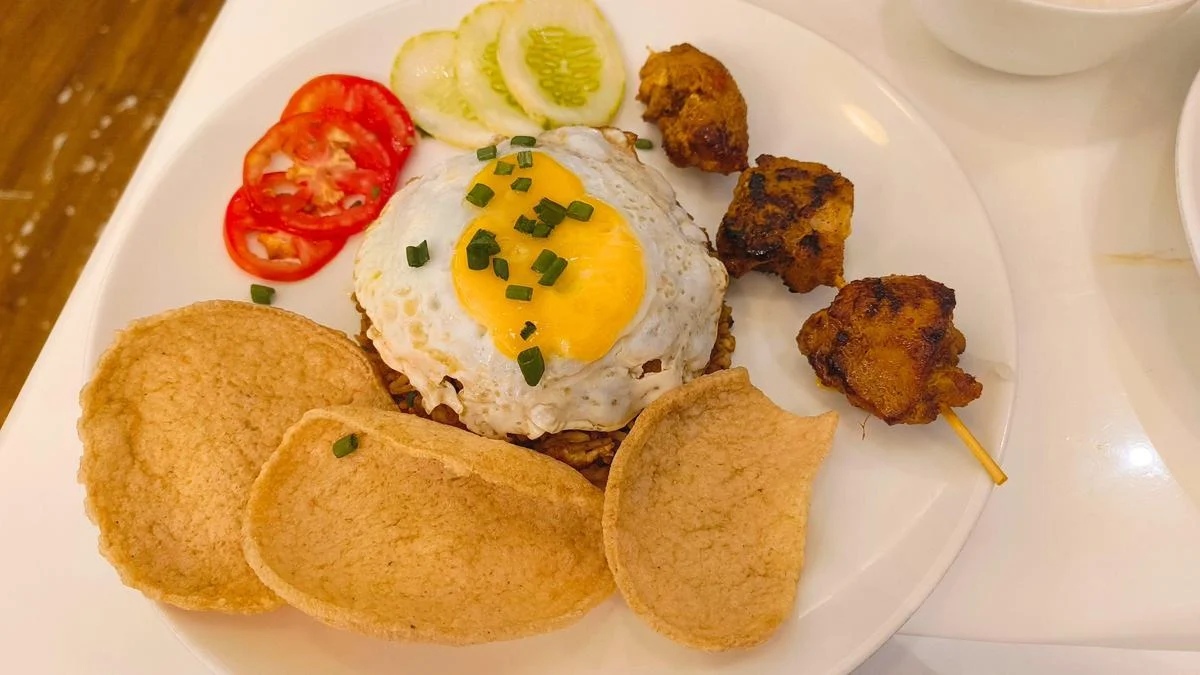
- The Nasi Goreng Factor: While technically Indonesian in origin, the version served at the festival—accompanied by keropok (Thai crackers) and a signature half-boiled egg—caters to the city’s love for fried rice. It serves as a "safe" entry point for conservative diners before they venture into bolder territory like the Shiitake mushroom stir-fry.
Official Responses: A Vision for Culinary Diversity
Philip Abraham, the visionary behind Phil’s Bistro, remains optimistic about the city’s evolving tastes. In an interview regarding the festival’s objectives, Abraham emphasized the importance of education through eating.
"Madurai is still very new to Thai cuisine," Abraham noted. "Our goal wasn’t just to sell food, but to introduce a new vocabulary of flavors. We realized that if we wanted to do this right, we couldn’t cut corners. That is why most of the ingredients needed for authentic Thai flavors, including the specific sauces and pastes, are imported directly. We want our patrons to know what a real Massaman or a real Tom Yum tastes like."
The bistro’s head chef also commented on the kitchen’s philosophy: "The challenge was balancing the ‘umami’ of fish sauce with the local preference for salt and spice. We’ve found that once people get past the initial unfamiliarity of lemongrass, they fall in love with the freshness of the cuisine."
Customer feedback has been overwhelmingly positive, with many noting that the bistro provides a "metropolitan dining experience" without the need to travel to Chennai or Bangalore.

Implications: The Future of Dining in Tier-2 India
The success of the Thai Food Festival at Phil’s Bistro carries broader implications for the hospitality industry in Tamil Nadu and beyond.
1. The Death of the "Standardized" Menu
For decades, multi-cuisine restaurants in Tier-2 cities followed a predictable template: Indian-Chinese (Manchurian), North Indian (Paneer Butter Masala), and local favorites. Phil’s Bistro’s move toward a hyper-specialized Thai menu suggests that the "generalist" model is being replaced by "specialist" models.
2. Supply Chain Innovation
The fact that a bistro in Madurai can consistently source imported Thai ingredients suggests a maturation of India’s logistics and cold-chain infrastructure. This opens the door for other international cuisines—such as Japanese, Vietnamese, or Mexican—to find a foothold in smaller urban centers.
3. The "Glocal" Consumer
The Madurai diner of 2026 is a "glocal" consumer—locally rooted but globally aware. This demographic is driven by the younger generation and well-traveled professionals who view food as a form of cultural exploration. The willingness to spend ₹1,500 on a Thai meal indicates a shift in spending patterns, where "experience" is valued as much as "satiety."
4. Culinary Gentrification of Traditional Neighborhoods
The presence of a Thai festival in KK Nagar/Managiri—areas traditionally known for residential quietude and local mess-style eateries—points toward a "culinary gentrification." As high-end bistros move into these neighborhoods, they transform the local economy and social fabric, creating new hubs for nightlife and social gathering.
Conclusion: A Sweet and Spicy Finish
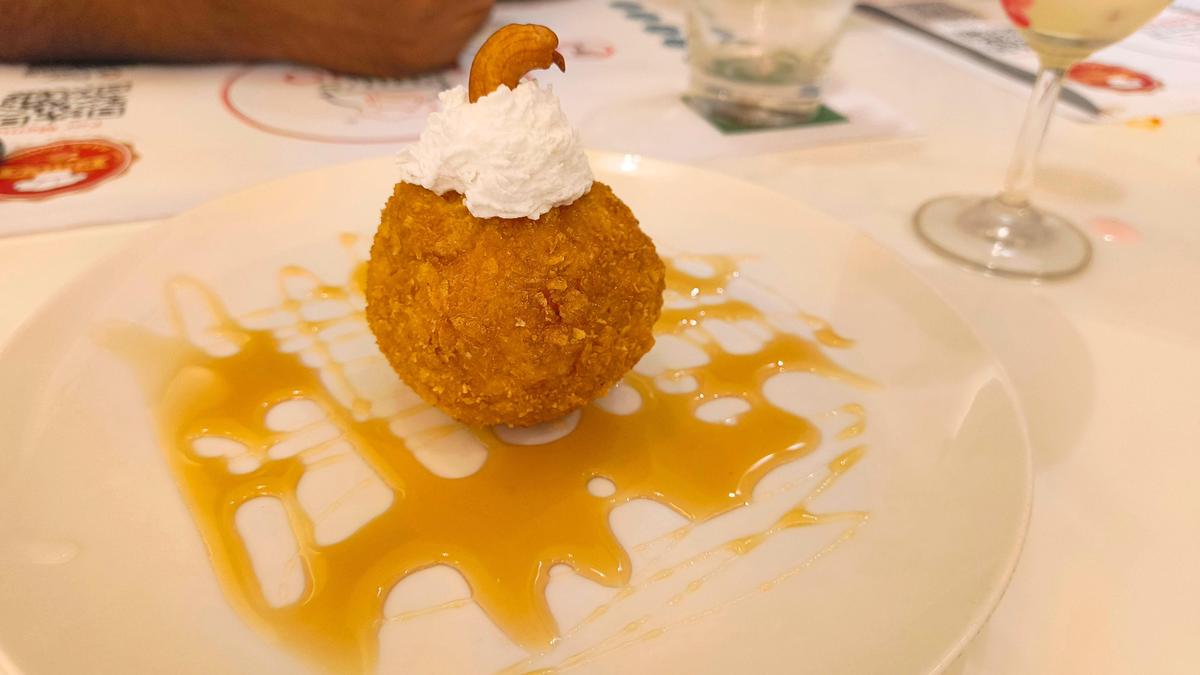
As the festival continues, the most talked-about items remain the desserts, which provide a study in contrasts. The Tub Tim Krob, with its "red ruby" water chestnuts swimming in chilled coconut milk, offers a masterclass in subtle sweetness—a stark contrast to the sugar-heavy traditional sweets of the region. Meanwhile, the Fried Ice Cream serves as the ultimate crowd-pleaser, a textural marvel that summarizes the bistro’s philosophy: familiar comfort (ice cream) delivered through an innovative, unexpected technique (deep frying).
Phil’s Bistro has successfully proven that Madurai’s palate is not a monolith. By respecting the city’s love for bold flavors while introducing the nuanced aromatics of Thailand, Philip Abraham has not just hosted a food festival; he has opened a window to a wider world, one bowl of Tom Yum at a time. For those looking to traverse the 2,000 miles between Madurai and Bangkok, the journey is now as simple as a visit to 9th Main Road.
