

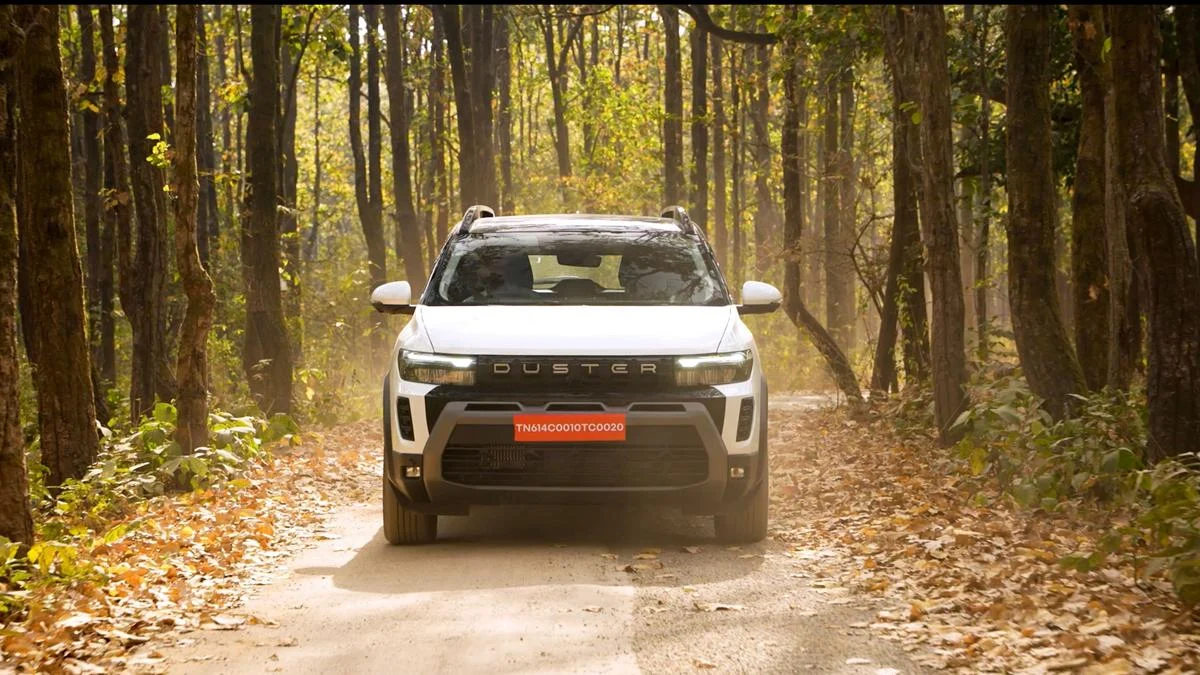
The automotive landscape in India is often defined by eras—pre-SUV and post-SUV. If one were to pinpoint the exact moment the tide turned, the credit would undeniably go to the Renault Duster. When it first graced Indian roads over a decade ago, it didn’t just enter a segment; it birthed one. It introduced the Indian consumer to the concept of a rugged, monocoque-chassis SUV that offered the comfort of a sedan with the go-anywhere capability of a traditional off-roader.
After a hiatus that left enthusiasts yearning for its return, the Renault Duster is back. However, the market it returns to is vastly different from the one it left. Today, the compact SUV segment is the most fiercely contested territory in the industry, dominated by tech-laden Korean giants and sophisticated European challengers. The new Duster, priced between INR 10.29 lakh and 18.49 lakh, arrives not merely as a nostalgic comeback but as a calculated strategic move to redefine the "rugged-premium" niche.
I. Main Facts: A New Benchmark for the Modern Adventurer
The reimagined Renault Duster is built on a philosophy of "purposeful evolution." It seeks to balance the raw, mechanical honesty of its predecessor with the digital sophistication required by the contemporary buyer.
Performance and Powertrains
At the heart of the Duster’s resurgence is a diverse powertrain lineup designed to cater to both the enthusiast and the efficiency-conscious urbanite.
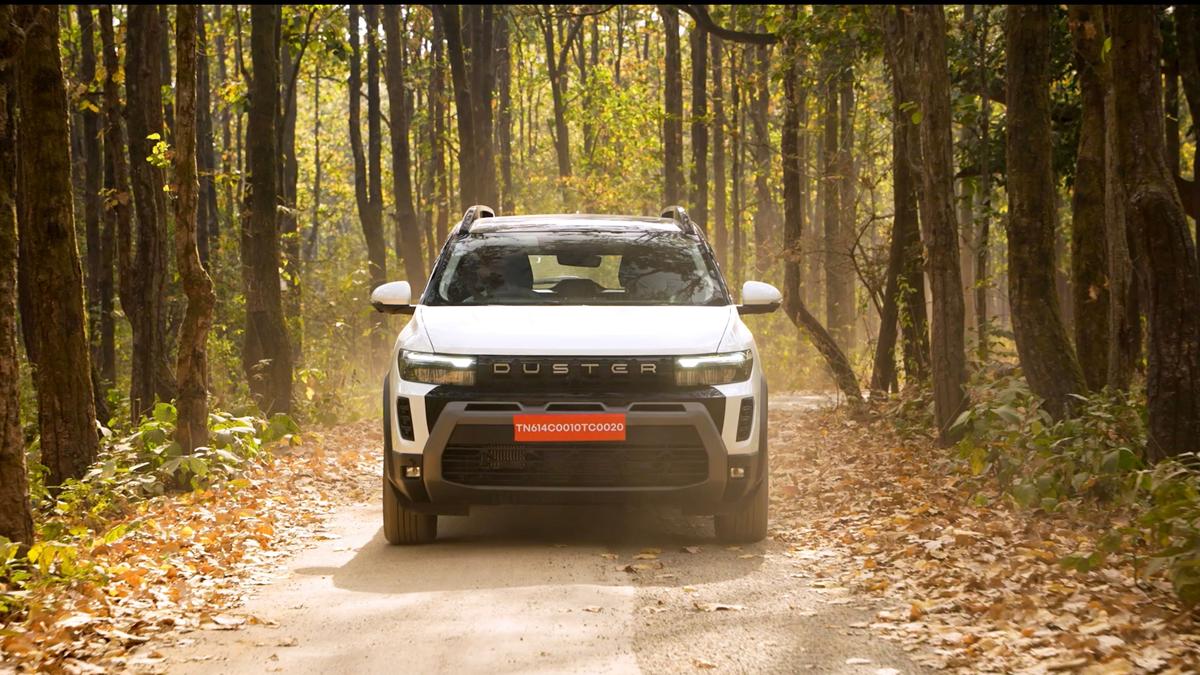
- The Powerhouse: The flagship 1.3-litre Turbo-petrol engine is the star of the show, delivering a class-leading 163hp and 280Nm of torque. This engine, developed through global alliances, provides a level of performance that makes the Duster one of the quickest SUVs in its price bracket.
- The Balanced Entry: For those prioritizing value, a 1.0-litre turbo-petrol unit offers a respectable 100hp and 160Nm, ensuring that the Duster remains accessible to a wider audience.
- The Future-Ready Hybrid: Signaling a shift toward electrification, Renault has confirmed a strong hybrid variant to be launched around the Diwali season. This will feature a 1.8-litre petrol engine paired with an electric motor, producing a combined 160hp, aimed at those seeking high fuel efficiency without sacrificing power.
Design and Dimensions
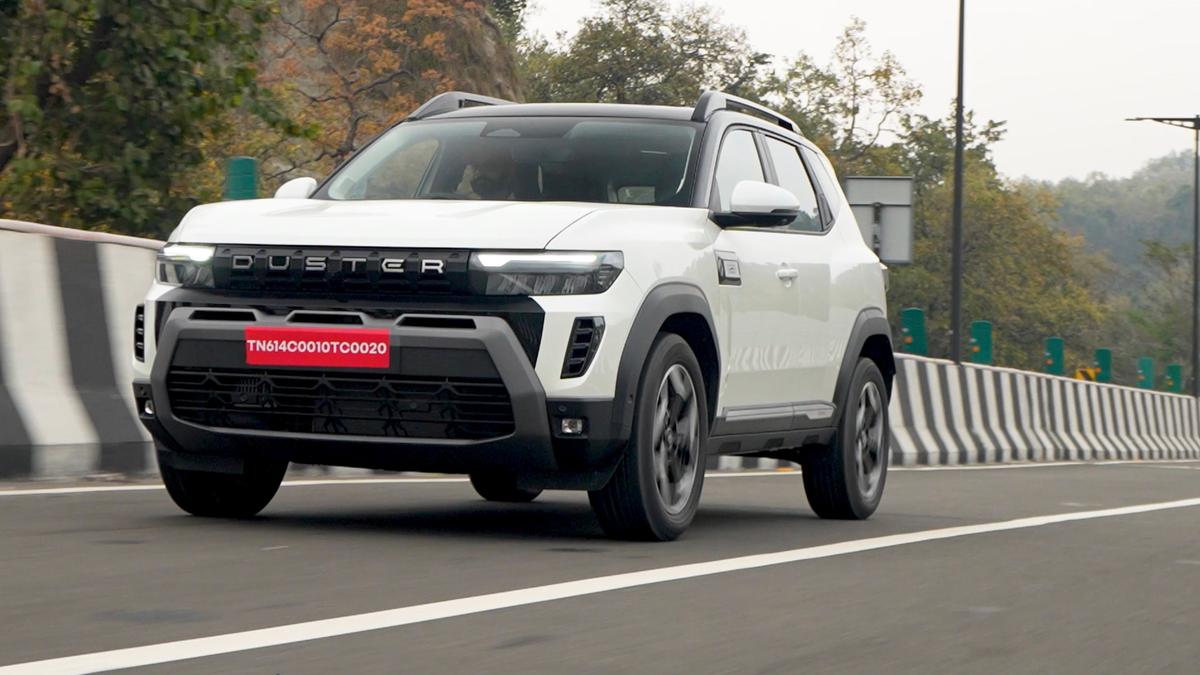
The new Duster retains its iconic "squat" and muscular stance but incorporates sharper, more geometric lines. Key design highlights include:
- LED Signature: A distinct Y-shaped LED lighting signature that gives it a modern, high-tech face.
- Utility Aesthetics: Pronounced wheel arches, 18-inch alloy wheels, and heavy-duty cladding emphasize its "broken road" capability.
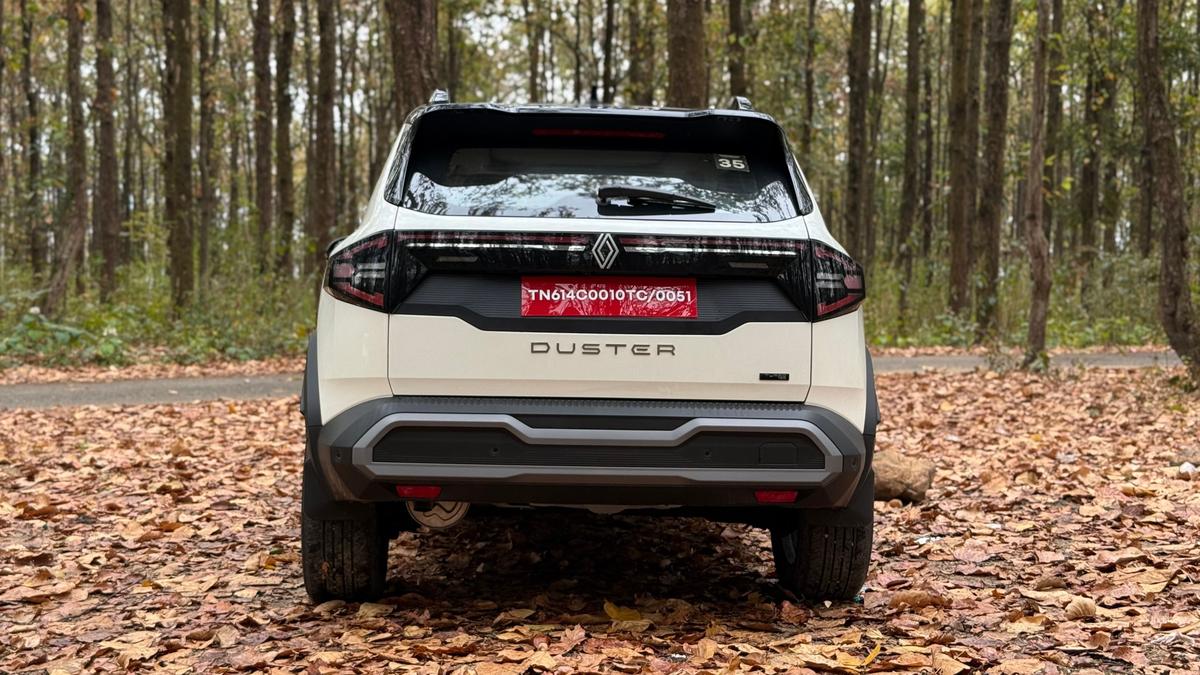
- Cargo Capacity: A massive 518-litre boot ensures that it remains the most practical choice for long-distance touring and outdoor expeditions.
II. Chronology: The Journey from Segment Creator to Modern Contender
The Duster’s journey in India is a masterclass in brand building and market adaptation.
- The 2012 Debut: Renault launched the first-generation Duster, immediately capturing the imagination of the Indian middle class. It offered a "tough" alternative to the sedans of the time.
- The Dominance Phase (2013–2017): The Duster became a household name. The introduction of the AWD (All-Wheel Drive) variant cemented its reputation as a "real" SUV among a sea of "soft-roaders."
- The Competitive Surge (2018–2021): As rivals like the Hyundai Creta and Kia Seltos introduced panoramic sunroofs and massive touchscreens, the Duster’s utilitarian interior began to feel dated. Despite a 1.3L Turbo upgrade in its final years, the platform eventually reached the end of its lifecycle in India.
- The Hiatus and Development (2022–2023): Renault focused on its smaller CMF-A platform (Kwid, Triber, Kiger) while globally developing the third-generation Duster on the CMF-B platform.
- The 2024 Resurrection: The Duster returns, skipping a generation to bring the latest global architecture to India, specifically tailored to meet the country’s evolving safety and emission norms.
III. Supporting Data: Engineering the "Iconic" Experience
The 1.3 Turbo ICONIC variant represents the pinnacle of the Duster’s current offering. Technical evaluation reveals a vehicle that is significantly more refined than its ancestors.
Interior Sophistication and Technology
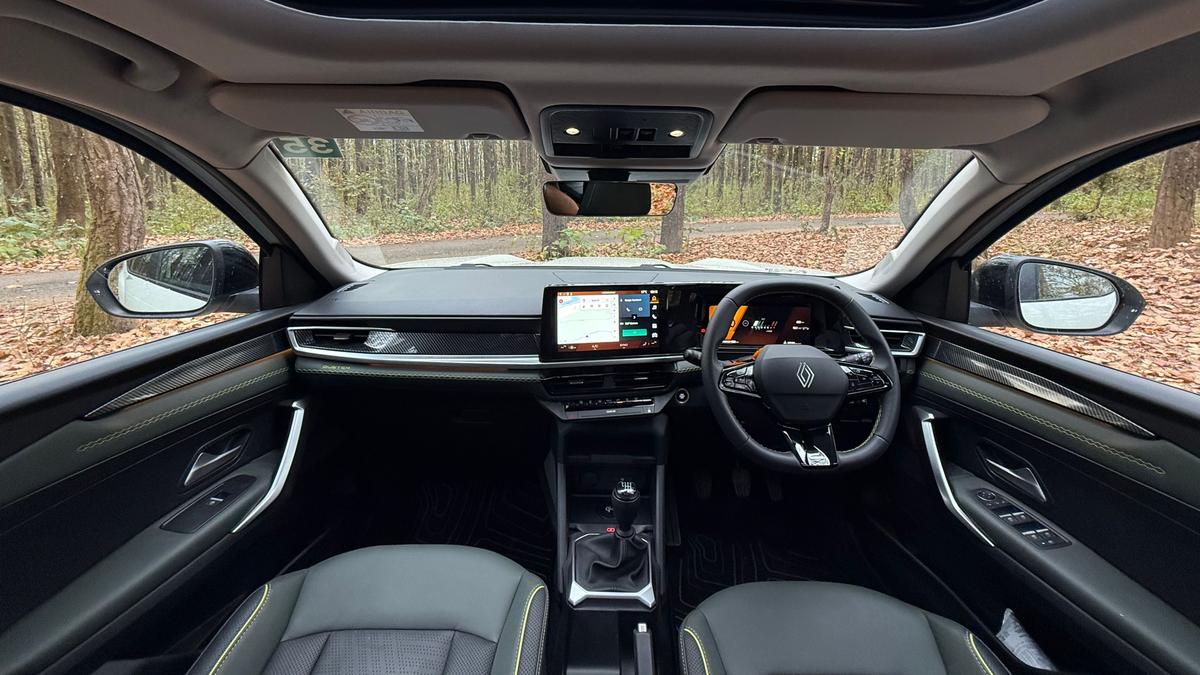
Renault has addressed the primary criticism of the previous model—the cabin. The new interior is a "digital-first" environment:
- Infotainment: A 10.1-inch floating touchscreen serves as the nerve center, featuring Google-based services that offer seamless navigation and voice commands.
- Driver Display: A 10.25-inch digital instrument cluster provides high-resolution data, including turn-by-turn navigation and engine diagnostics.
- Tactile Ergonomics: Unlike many competitors who have moved all functions to touchscreens, Renault has retained physical toggles for climate control—a crucial feature for maintaining focus while driving on uneven terrain.
Dynamics and Ride Quality
Data from real-world testing highlights the Duster’s superior suspension tuning. The vehicle employs a sophisticated damping system that manages to mask road imperfections with "magic carpet" efficiency.
- High-Speed Stability: The monocoque chassis provides a low center of gravity compared to ladder-frame SUVs, resulting in minimal body roll during cornering.
- Fuel Efficiency: While the ARAI-certified figures hover above 18 kmpl for the turbo variants, real-world testing in demanding conditions (hilly terrain and heavy idling) shows a return of approximately 13 kmpl—a competitive figure for a 163hp engine.
IV. Official Responses and Strategic Positioning
Renault India’s leadership has been clear about the Duster’s role in their "Renaulution" strategy. The focus is no longer on being the cheapest in the segment, but on being the most "authentic."
On the Omission of AWD
A point of contention for enthusiasts has been the initial absence of an All-Wheel Drive (AWD) system. Official statements from Renault suggest that while the CMF-B platform is fully AWD-compatible, the initial launch phase focuses on the 90% of buyers who prioritize front-wheel-drive efficiency and urban usability. However, the company remains "open to feedback," suggesting that an AWD variant could be reintroduced if market demand warrants the investment.
On the Hybrid Strategy
Renault’s decision to skip diesel entirely and move straight to a 1.8-litre strong hybrid is a bold statement. By launching the hybrid around Diwali, Renault aims to capture the "green-conscious" buyer who wants the range of a petrol car with the running costs of a diesel. This move aligns with the Indian government’s tightening CAFE (Corporate Average Fuel Efficiency) norms.
V. Implications: What the Duster’s Return Means for the Industry
The re-entry of the Duster is set to ripple through the Indian automotive sector in several significant ways.
1. The "Robustness" Pivot
For the past five years, the compact SUV segment has been an "arms race" of features—ventilated seats, ambient lighting, and ADAS (Advanced Driver Assistance Systems). The Duster’s return might force a pivot back to "mechanical substance." If consumers respond well to the Duster’s superior ride quality and rugged build, competitors may have to reinvest in suspension and chassis engineering rather than just software updates.
2. Market Fragmentation
The Duster occupies a unique space. It is more rugged than the Hyundai Creta but more refined than the Mahindra Scorpio-N. By carving out this middle ground, Renault is targeting a "lifestyle" buyer—someone who works in the city but spends weekends in the mountains. This could lead to further fragmentation of the SUV market into "Urban-Chic" and "Adventure-Ready" sub-segments.
3. Renault’s Brand Equity
For Renault India, the Duster is more than a product; it is a lifeline. Success here will revitalize the brand’s image, which has recently been associated with budget-oriented vehicles. A successful Duster launch provides the necessary momentum for the brand to introduce other global models, including the rumored seven-seater version (Bigster).
4. The Price-to-Performance Ratio
At the top end, the 163hp Duster offers performance levels previously reserved for luxury brands or higher-segment SUVs like the Jeep Compass. This democratization of power will likely appeal to a younger demographic of "driving enthusiasts" who found the existing 1.5-litre naturally aspirated engines in the segment to be lackluster.
Conclusion: A Ready Contender
The Renault Duster does not return as a relic of the past, but as a refined version of its best self. It acknowledges that while the world has gone digital, the roads—especially in India—remain stubbornly physical. By combining a potent 1.3L turbo engine, a modern tech suite, and a legendary ride quality, Renault has created a vehicle that doesn’t just fit into the market; it challenges the status quo.
The Duster was always an SUV built for "broken roads." In its new avatar, it proves it is equally ready for the polished floors of the modern showroom. Whether it can reclaim its throne from the established Korean and Japanese incumbents remains to be seen, but one thing is certain: the fight for the soul of the Indian SUV segment has just become a lot more interesting.
Price: INR 10.29 – 18.49 lakh (depending on the variant)
In association with Motorscribes and The Hindu.
