

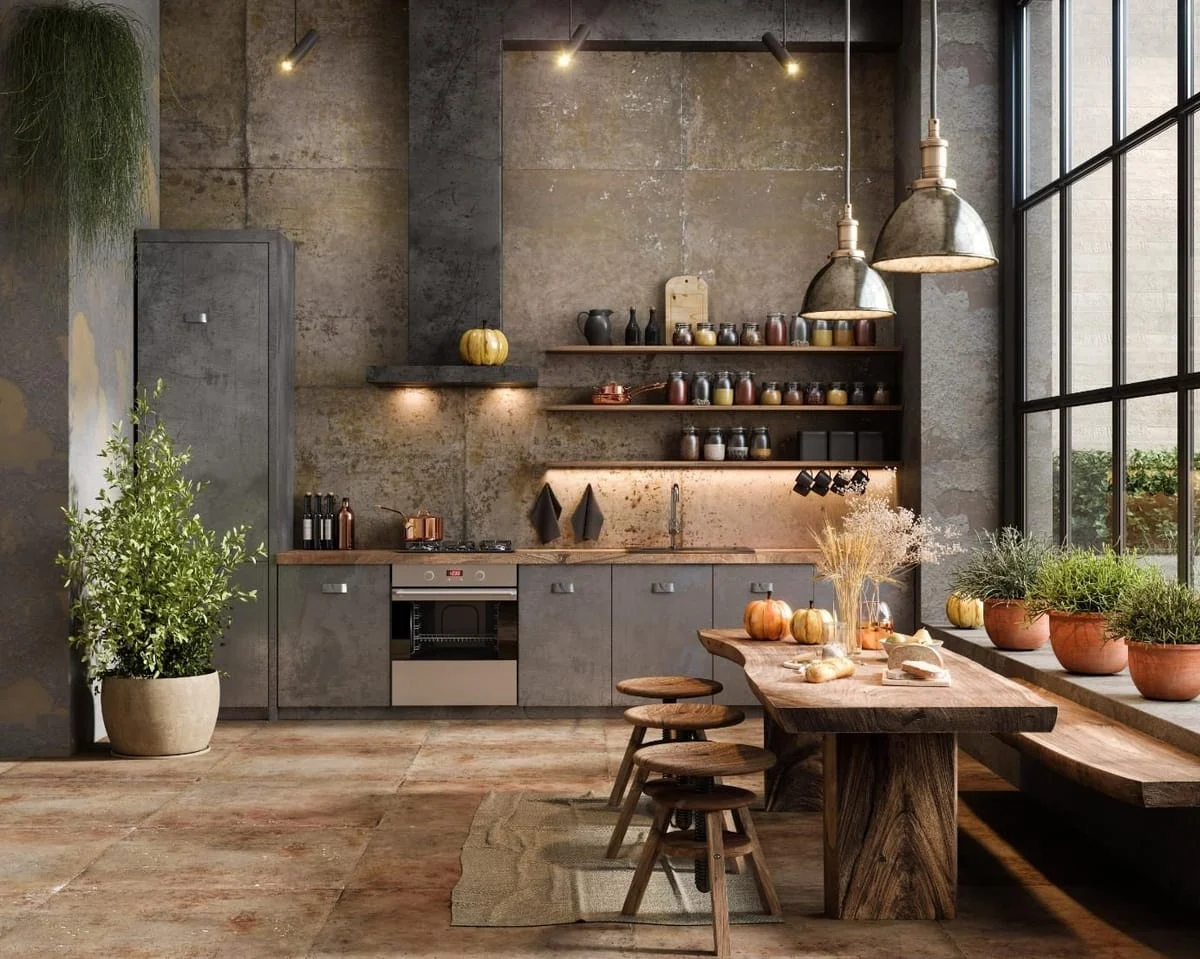
In the architectural tapestry of a home, the kitchen is far more than a functional space for meal preparation; it is the energetic engine of the household. According to Vastu Shastra, the ancient Indian science of architecture and placement, the kitchen is the primary site of the "Agni" (fire) element. When this element is balanced through precise directional alignment and thoughtful interior layout, it is believed to foster health, prosperity, and domestic harmony. Conversely, a misplaced kitchen is often cited by practitioners as a source of physical ailments, financial instability, and emotional friction.
As modern interior design evolves to accommodate compact urban apartments and open-plan living, the challenge of maintaining Vastu principles has become a central focus for homeowners and architects alike. This report explores the fundamental tenets of kitchen Vastu, the scientific reasoning behind these ancient rules, and how they are being adapted to contemporary lifestyles.
1. Main Facts: The Cardinal Rules of Kitchen Placement
Vastu Shastra operates on the principle that the universe is composed of five elements: Earth, Water, Fire, Air, and Space. The kitchen, being the domain of fire, must be positioned to respect the natural flow of these elements.
The Southeast: The Zone of Agni
The southeast corner of a house is universally regarded by Vastu experts as the most auspicious location for a kitchen. This direction is governed by Agni, the Lord of Fire. Placing the cooking area here ensures that the fire element is harnessed positively, which is said to aid digestion and boost the metabolic energy of the inhabitants.
The Northwest: The Practical Alternative
In modern real estate, where plot sizes and apartment layouts are often predetermined, the southeast might not always be available. In such cases, the northwest direction is considered the second-best option. Governed by the wind element (Vayu), the northwest supports movement and can neutralize some of the negative effects of not being in the southeast, provided the internal placement of the stove remains in the southeast of that specific room.
Directions to Avoid
Vastu practitioners strictly advise against placing the kitchen in the north, northeast, or southwest directions.
- Northeast: This is the "Ishanya" corner, reserved for water and spiritual practices. Placing fire here is believed to cause mental stress and heavy financial losses.
- Southwest: This zone is associated with stability and the earth element. A kitchen here can lead to domestic strife and health issues for the head of the family.
2. Chronology: The Evolution of Kitchen Vastu from Ancient to Modern Times
The application of Vastu has shifted significantly over the centuries, reflecting changes in technology and social structures.
- Ancient Era (Traditional Courtyard Homes): In ancient India, kitchens were typically separate structures or located in the outermost corners of a courtyard. This was practical: wood-fired stoves produced significant smoke, and placing them in the southeast allowed the prevailing winds to carry smoke away from the main living quarters.
- The Colonial and Post-Independence Era: As homes became more enclosed, the kitchen moved indoors. However, the adherence to Vastu remained high in rural areas, while urban centers began to prioritize space efficiency over traditional placement.
- The Modern "Vastu-Compliant" Era (2000s–Present): With the rise of the organized real estate sector, "Vastu-compliance" became a major selling point. Developers today often consult Vastu experts during the blueprint stage because a significant percentage of buyers in the Indian subcontinent and the diaspora refuse to purchase homes with "flawed" kitchen placements.
3. Supporting Data: The Scientific and Psychological Underpinnings
While Vastu is often categorized as a spiritual science, many of its kitchen-related dictates align with modern hygiene and ergonomics.
Solar Pathing and Hygiene
The insistence on facing East while cooking has a biological basis. The morning sun (from the East) is a rich source of Vitamin D and possesses ultraviolet rays that act as a natural disinfectant. By having windows in the East and facing that direction, the cook benefits from the light, and the kitchen surface is naturally sanitized by early-morning solar radiation.
The Fire and Water Conflict
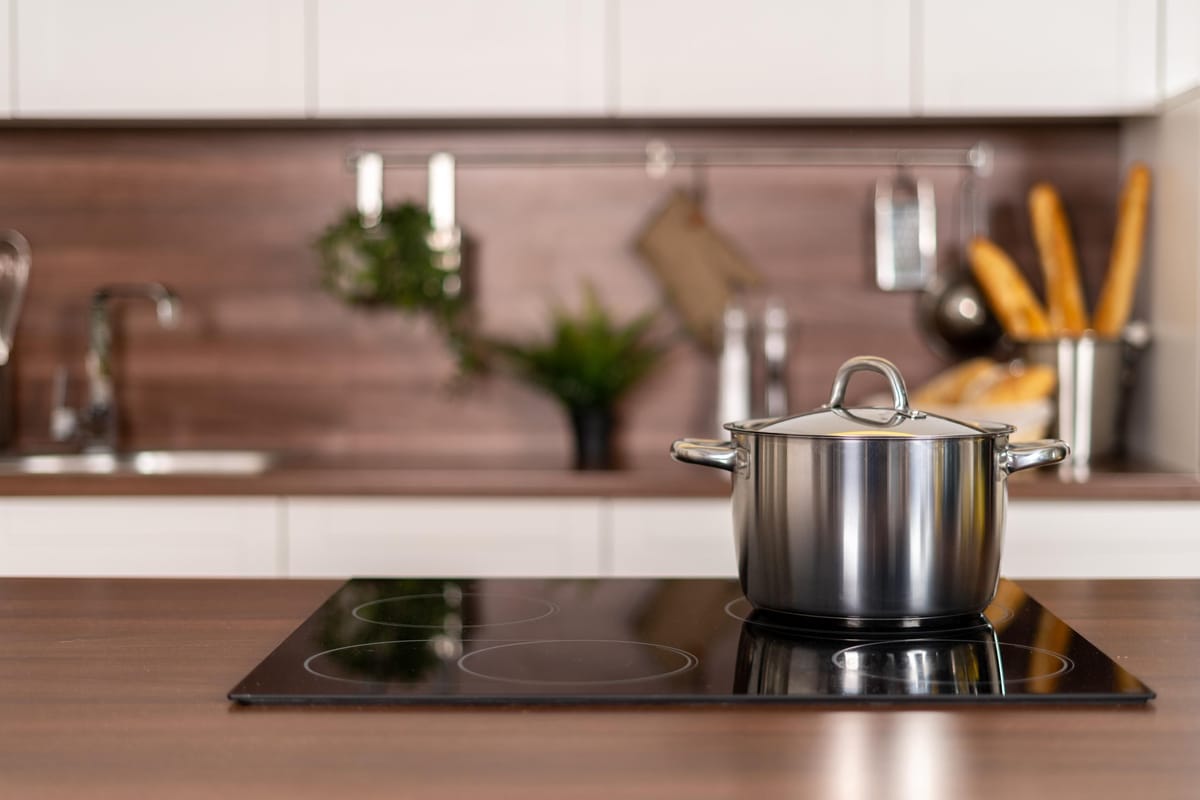
Vastu mandates that the stove (Fire) and the sink (Water) should never be placed immediately adjacent to each other. Scientifically, this prevents accidental splashing of water into hot oil (a fire hazard) and discourages the placement of plumbing lines near gas connections, reducing the risk of corrosion or complicated repairs.
Ventilation and Airflow
The recommendation for large windows in the East and North, along with exhaust fans in the South, ensures a cross-ventilation system. This effectively removes combustion by-products, heat, and cooking odors, maintaining a fresh indoor air quality (IAQ) that prevents respiratory issues.
Color Psychology
Vastu recommends warm tones like yellow, light orange, and soft green for the kitchen.
- Yellow/Orange: These colors are known to stimulate appetite and boost mood.
- Green: Represents growth and harmony with nature.
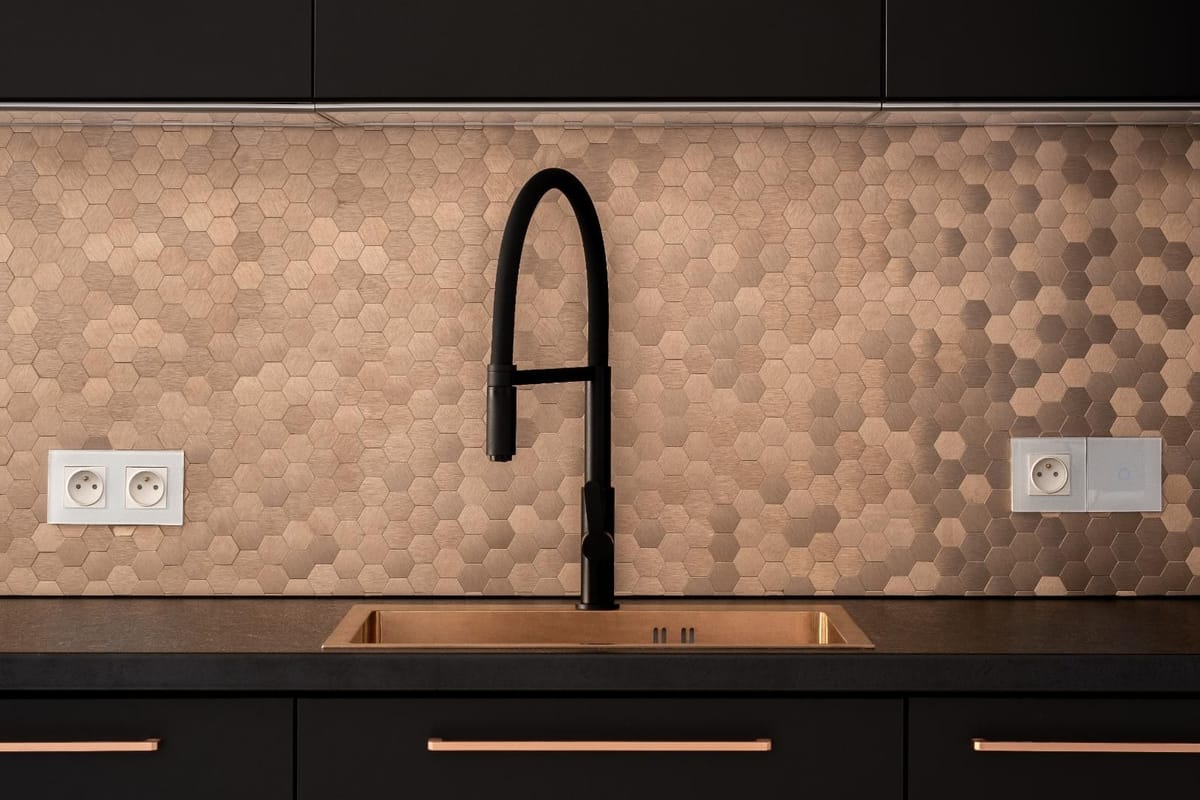
- Avoidance of Black/Grey: Dark colors absorb heat and can make a kitchen feel cramped and depressing, whereas light colors reflect light, making the space feel larger and more hygienic.
4. Official Responses: Expert Perspectives and Industry Standards
Architects and Vastu consultants often find themselves in a delicate balancing act. We spoke with several industry experts to understand the "official" stance on modern kitchen design.
The Architect’s View:
"We no longer see Vastu as a restriction," says Ananya Mehra, a senior residential architect. "Instead, we treat it as a framework for ergonomics. If a client insists on a Southeast kitchen, it naturally dictates a layout that maximizes morning light. The challenge arises in ‘matchbox’ apartments where the plumbing stack is fixed. In those cases, we use ‘remedies’ like specific tile colors or copper strips to balance the energy."
The Vastu Consultant’s Stance:
Prominent Vastu consultant Dr. R.K. Bhardwaj notes, "A kitchen isn’t just a room; it’s a portal of health. We see a direct correlation between kitchen clutter and the mental health of the primary caregiver. Our ‘official’ advice to modern homeowners is: if you cannot change the direction of the room, change the direction of the stove. Facing East while cooking is the single most effective ‘fix’ for a non-compliant kitchen."
5. Implications: The Impact on Health, Wealth, and Property Value
The adherence to kitchen Vastu has tangible implications in today’s society, ranging from personal well-being to the economy of the housing market.
Health and Vitality
The primary implication of a Vastu-compliant kitchen is the health of the family. By ensuring the "Agni" is stable, Vastu aims to prevent digestive disorders. Psychologically, a well-ventilated, brightly lit kitchen reduces the "cooking fatigue" often experienced by those spending hours in the heat, leading to a more positive emotional state which, according to tradition, is "infused" into the food prepared.
Financial Stability
In the Vastu tradition, fire is a symbol of wealth. An improperly placed kitchen (particularly in the North) is believed to "burn away" savings. While this may seem metaphorical, the underlying logic suggests that a household plagued by health issues (caused by poor kitchen hygiene or ventilation) will inevitably face high medical bills and reduced productivity, leading to financial strain.
Real Estate and Resale Value
In the Indian real estate market, Vastu compliance is a significant factor in property valuation. A home with a kitchen in the Southwest or North may see a 10-15% reduction in market interest or a longer turnaround time for resale. Investors and developers now prioritize Vastu in their "Grade A" properties to ensure maximum liquidity and buyer appeal.
Domestic Harmony
The "Fire-Water" balance is often cited as a remedy for domestic arguments. By separating these conflicting elements, Vastu seeks to create a "calm" cooking environment. When the "heart of the home" is peaceful, the energy is said to radiate throughout the rest of the living space, reducing friction between family members.
Conclusion: Balancing Tradition with Modernity
Kitchen Vastu is a sophisticated blend of ancient wisdom, environmental science, and psychological comfort. While the strictures of 3,000-year-old texts can be difficult to implement in a 21st-century skyscraper, the core principles remain remarkably relevant.
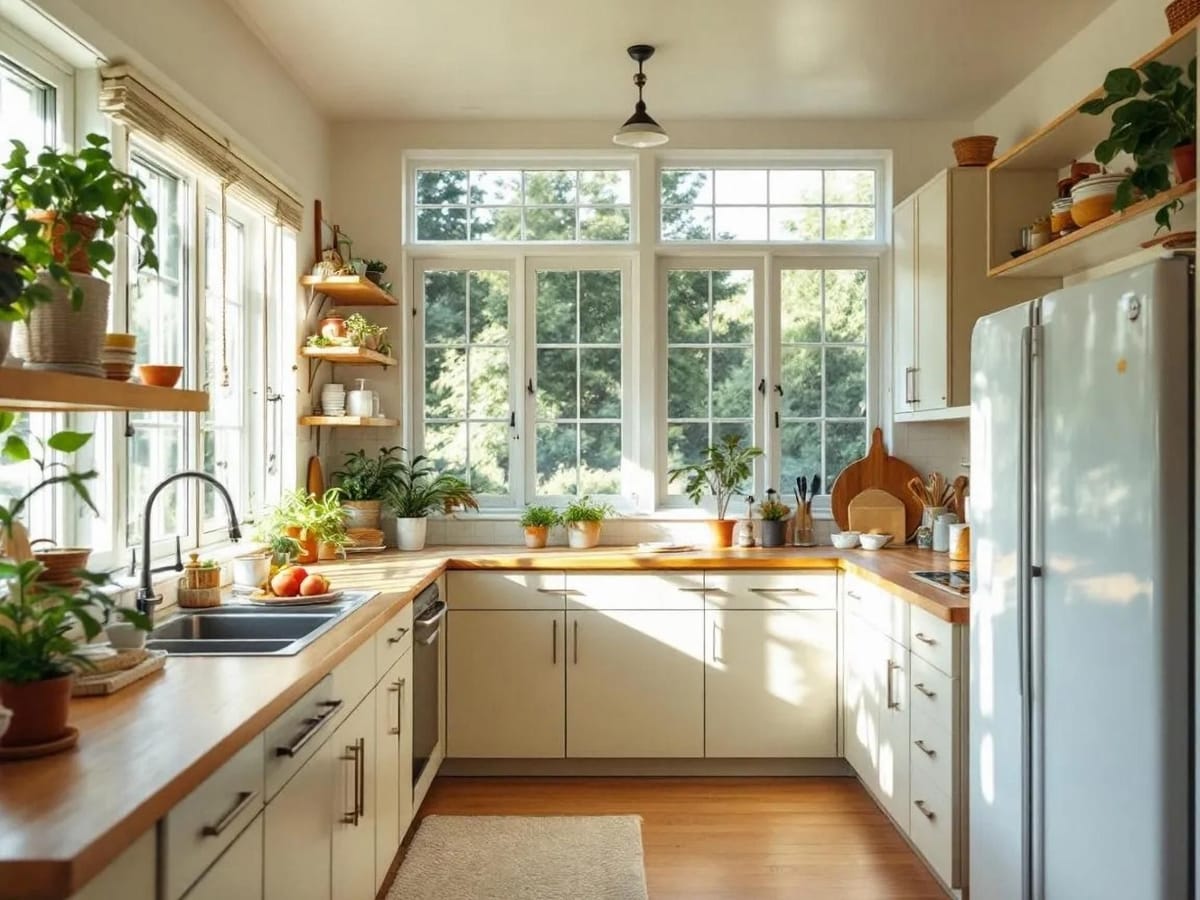
The ultimate goal of Vastu is not to demand architectural perfection but to achieve an equilibrium of energy. As this guide suggests, even small changes—moving a microwave to the southeast corner of a counter, repainting cabinets in a cheerful cream hue, or ensuring the sink doesn’t leak—can significantly improve the "vibe" of a home. By respecting the fire element, homeowners can transform their kitchen from a mere utility room into a sanctuary of health and prosperity.
Disclaimer: This report is based on traditional Vastu Shastra principles and industry observations. Readers are advised to consult with professional architects and Vastu experts before making significant structural changes to their properties.
