

MADURAI – In a city where the culinary landscape is traditionally dominated by the smoky aroma of bun parottas, the richness of mutton chukka, and the iconic kari dosa, a new aromatic profile is beginning to waft through the streets of KK Nagar. Phil’s Bistro, a contemporary culinary landmark in Madurai, has launched an ambitious Thai Food Festival, marking a significant shift in the gastronomic evolution of one of South India’s oldest inhabited cities.
The festival, which has transformed the bistro into a hub for Southeast Asian flavors, seeks to bridge the gap between Madurai’s spice-loving heritage and the complex, herb-forward nuances of Thai cuisine. As the city’s residents increasingly look toward global cuisines, Philip Abraham, the visionary founder behind Phil’s Bistro, is betting on the sophisticated balance of sweet, sour, salty, and spicy that defines the Thai kitchen.
Main Facts: Bridging the Gap Between Traditions
Located at 444, 9th Main Road, Managiri, Phil’s Bistro has established itself as a sanctuary for those seeking a departure from the local staples. The ongoing Thai Food Festival is not merely a temporary menu addition but a curated experience designed to educate and entice.
The festival features a comprehensive menu ranging from the world-renowned Tom Yum soups to the intricate layers of Massaman curry. A key highlight of this initiative is the commitment to authenticity. Recognizing that the "soul" of Thai food lies in its specific ingredients—many of which are not native to the Tamil Nadu plains—the bistro has undertaken the logistical challenge of importing essential sauces, pastes, and condiments to ensure the flavor profile remains true to its origins.
For a fixed price point—approximately ₹1500 for a meal for two—the festival offers an accessible entry point into international dining, positioning Phil’s Bistro as a pioneer in Madurai’s burgeoning "fine-casual" dining segment.
Chronology: The Evolution of a Gastronomic Vision
The journey toward this Thai Food Festival began several years ago when Philip Abraham identified a vacuum in Madurai’s food scene. While the city excelled in traditional Tamil cuisine and "Multi-Cuisine" restaurants (which often served a generic mix of Indo-Chinese and North Indian fare), there was a distinct lack of specialized, authentic international offerings.
- Phase I: The Foundation: Phil’s Bistro opened with the intent of providing wholesome, high-quality continental and fusion dishes, slowly building a loyal customer base in the KK Nagar and Managiri areas.
- Phase II: Market Research: Observing the changing demographics of Madurai—including a growing population of well-traveled young professionals and returning NRIs—the management noted a rising demand for Southeast Asian flavors.
- Phase III: Sourcing and Training: Months before the festival’s launch, the bistro focused on the supply chain. Sourcing galangal, lemongrass, kaffir lime leaves, and authentic Thai bird’s eye chilies was paramount. Concurrently, the kitchen staff underwent rigorous training to master the art of the stir-fry and the delicate balance of coconut milk-based gravies.
- Phase IV: The Launch: The festival debuted in mid-April 2026, greeted by a mixture of curiosity and enthusiasm from local food critics and families alike.
Supporting Data: A Deep Dive into the Menu
The success of the Thai Food Festival at Phil’s Bistro can be attributed to its focused menu, which avoids the "choice paralysis" often found in larger establishments. The menu is structured to take the diner on a sensory journey.
The Soup Quintessence
The menu offers two distinct paths in its soup selection. The Tom Yum (available with chicken or prawn) serves as a fiery introduction, utilizing a clear broth infused with the sharp citrus notes of lemongrass and the heat of Thai chilies. In contrast, the Tom Kha provides a silky, comforting alternative, where the richness of coconut milk mellows the spices, offering a "velvety" mouthfeel that has proven particularly popular among diners who find the traditional Madurai spice level too aggressive.
The Art of the Starter
Among the appetizers, the "Shrimp in a Blanket" has emerged as a crowd favorite. This dish involves wrapping succulent shrimp in a delicate pastry skin, which is then deep-fried to a golden hue. The technical achievement lies in the contrast: a shatteringly crisp exterior that gives way to a juicy, perfectly cooked interior. The Thai-style tofu serves as the vegetarian counterpart, proving that plant-based options can carry the weight of bold Thai seasonings effectively.
The Main Course and the "Glocal" Influence
The Massaman curry, often cited as one of the world’s most delicious foods, is served with a depth of flavor that suggests hours of slow cooking. It is accompanied by a Shiitake mushroom and tofu stir-fry, providing an earthy balance to the curry’s sweetness.
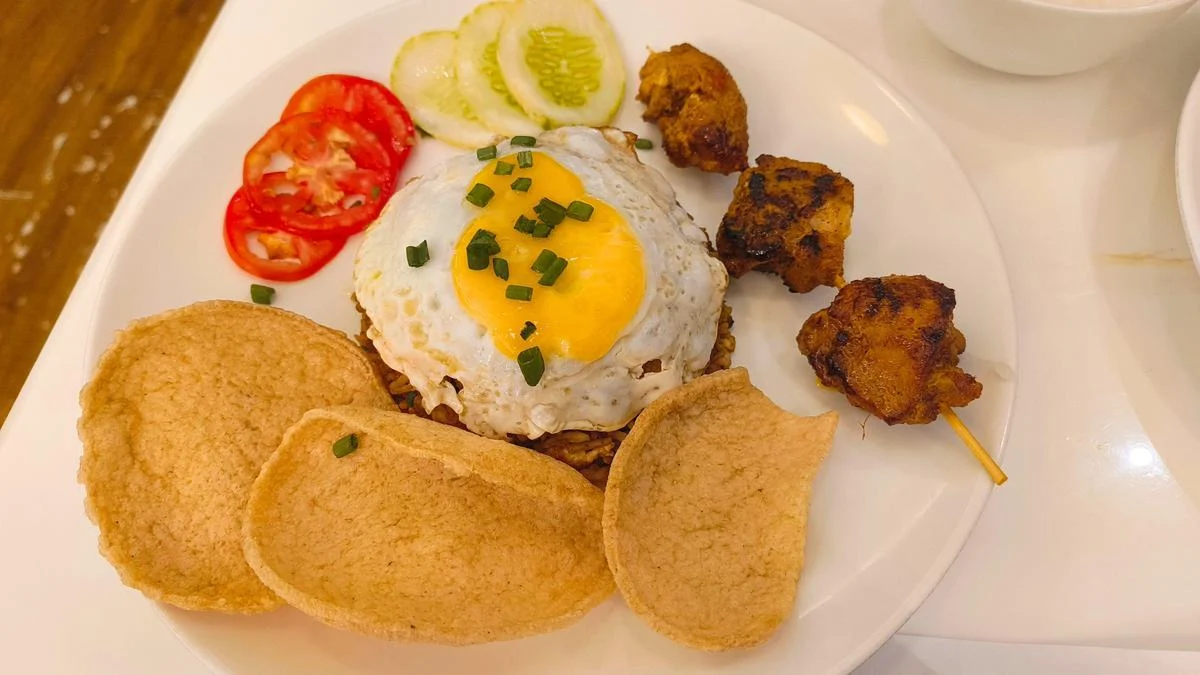
Interestingly, the menu includes Nasi Goreng. While technically of Indonesian and Malay origin, its inclusion reflects the broader "Pan-Asian" appeal that often accompanies Thai festivals in India. Phil’s rendition is served traditionally with keropok (Thai-style crackers), a golden half-boiled egg, and fresh vegetable garnishes, bridging the gap between the various island and mainland flavors of Southeast Asia.
The Sweet Conclusion
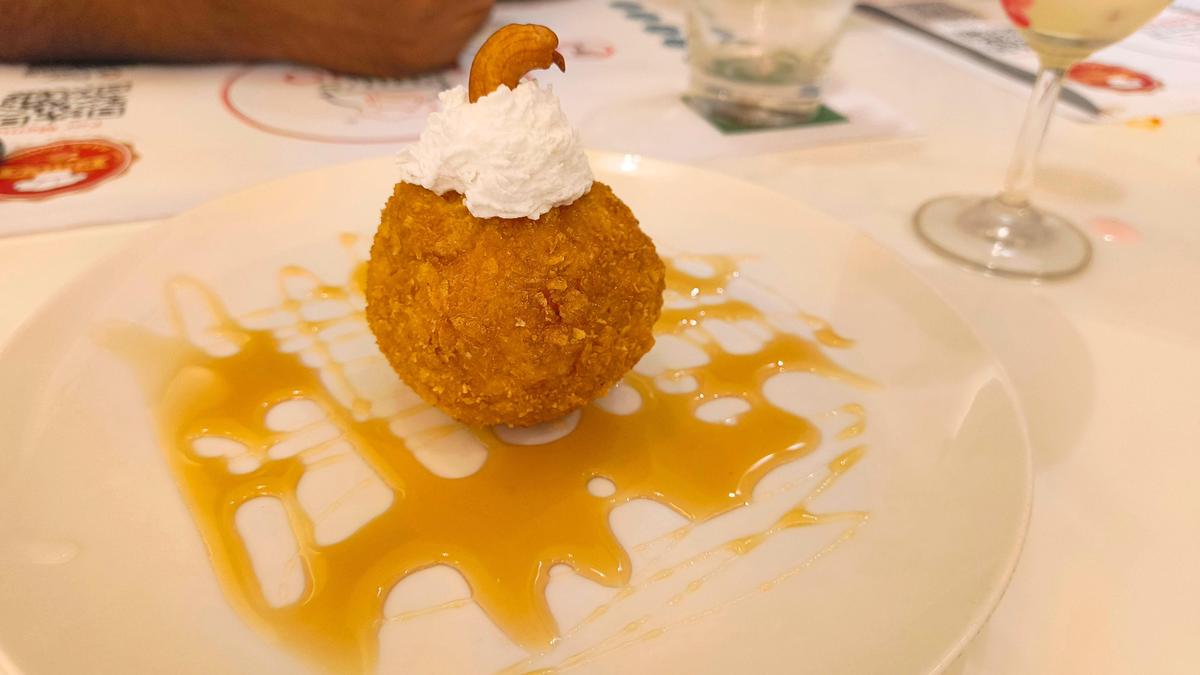
The dessert section offers a study in contrasts. The Tub Tim Krob (Red Ruby) features water chestnuts stained a vibrant red, served in chilled coconut milk. It is a refreshing, low-sugar option that acts as a palate cleanser. For those seeking indulgence, the "Fried Ice Cream" provides a theatrical end to the meal—a hot, crunchy shell protecting a core of frozen sweetness, a dish that has become a viral sensation on local social media.
Official Responses: From the Founder’s Desk
Philip Abraham, the founder of Phil’s Bistro, remains realistic yet optimistic about the challenges of introducing global cuisines to a city rooted in tradition.
"Madurai is a city that loves its food, but it is also a city that knows what it likes," Abraham remarked during the festival’s opening week. "We introduced this idea because we felt the local palate was ready for an upgrade. However, we realized that Madurai is still relatively new to the specific nuances of Thai cuisine. It’s not just about the heat; it’s about the aromatic complexity."
Regarding the logistical hurdles, Abraham emphasized the importance of quality control. "Most of the ingredients needed for authentic Thai flavors, including the specific soy sauces, fish sauces, and curry pastes, are imported. You cannot replicate the taste of a real Pad Thai or a Green Curry using local substitutes. Our goal was to bring the taste of Bangkok to KK Nagar without compromise."

Staff at the bistro also noted that they have had to play the role of "culinary ambassadors," explaining the ingredients to diners who might be unfamiliar with the pungency of galangal or the scent of kaffir lime.
Implications: Madurai’s Expanding Culinary Horizon
The Thai Food Festival at Phil’s Bistro is more than just a local event; it is a microcosm of the "Glocalization" occurring in India’s Tier-2 cities. There are several broader implications for this trend:
1. The Diversification of the Local Economy
As restaurants like Phil’s Bistro move toward specialty ingredients, they create a demand for niche importers and specialized supply chains. This diversification helps modernize the local hospitality infrastructure, moving it beyond the traditional wholesale markets.
2. Cultural Cosmopolitanism
The success of such festivals indicates that Madurai’s middle class is becoming increasingly cosmopolitan. Exposure to international flavors through travel and digital media is translating into a local demand for "authentic" experiences. This shift suggests that Madurai is no longer just a "temple town" but a growing urban center with evolving tastes.
3. The "Food Destination" Status
While Madurai has always been a food destination for traditional South Indian fare, the addition of high-quality international cuisine makes the city more attractive to domestic and international tourists who may want a variety of dining options during their stay.
4. Challenge to Traditional Establishments
The rise of specialized bistros puts pressure on traditional "multi-cuisine" restaurants to improve their quality. When a diner realizes what authentic Thai tastes like at Phil’s, they are less likely to accept the "sweet-and-sour" corn-starch-heavy versions served elsewhere.
In conclusion, Phil’s Bistro has set a new benchmark for themed dining in Madurai. By focusing on ingredient integrity and a curated menu, the Thai Food Festival serves as a flavorful reminder that even in a city as steeped in history as Madurai, there is always room for a new tradition. Whether you are a fan of the spicy Tom Yum or the cooling Red Ruby, the festival offers a passport to Southeast Asia, requiring nothing more than an adventurous appetite and a trip to KK Nagar.
