

Overview: A Shift from the Peaks to the Pavements
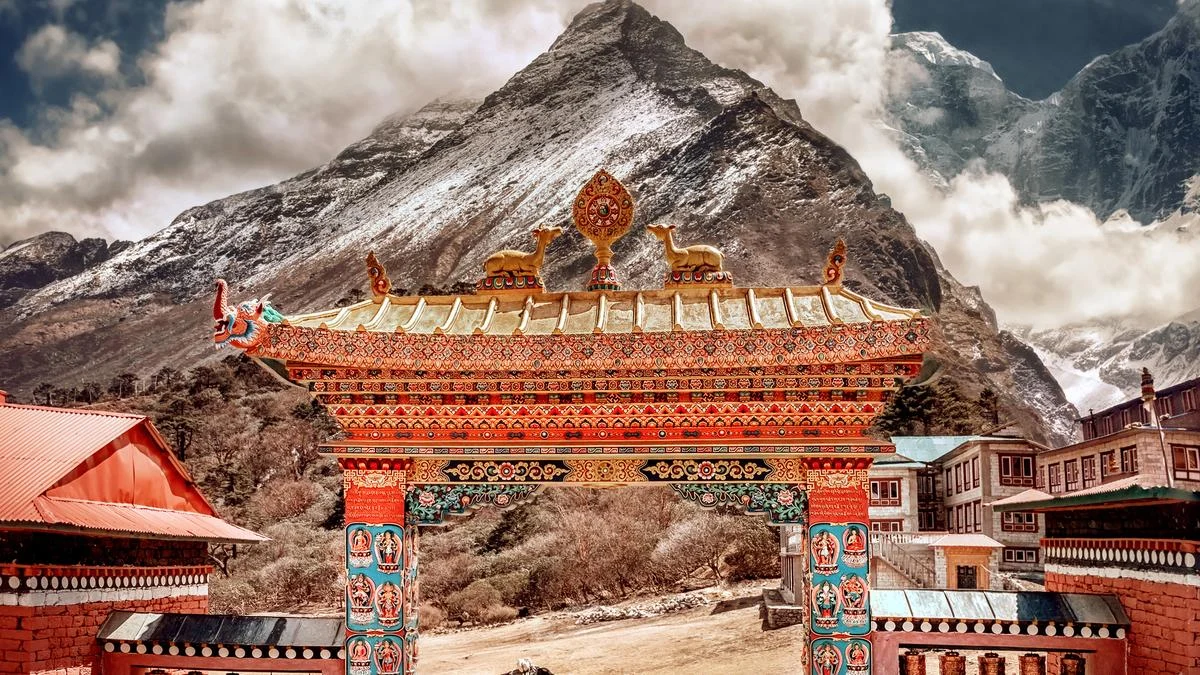
For decades, the global narrative surrounding Nepal has been inextricably linked to the jagged, snow-capped silhouette of Mount Everest. On Everest Day—the anniversary of Sir Edmund Hillary and Sherpa Tenzing Norgay’s historic 1953 ascent—the world’s gaze typically fixes on the "roof of the world." However, as the 2024 climbing season records unprecedented crowds and environmental strain in the "death zone," a significant shift is occurring within the valleys below.
Kathmandu, once viewed by many westerners as merely a boisterous pitstop or a supply depot for Himalayan expeditions, is asserting its identity as a standalone destination of profound cultural richness and modern transition. From the ancient ritual of the "Living Goddess" to the high-energy pulse of Gen Z-led political optimism, Nepal’s capital is moving out of the mountain’s shadow. The recent launch of international lifestyle brands like Moxy Hotels, coupled with the political rise of the country’s youngest-ever Prime Minister, Balendra "Balen" Shah, signals a nation recalibrating its future while fiercely protecting its sacred past.
A Chronology of Transition: From "Freak Street" to Gen Z Activism
To understand the current state of Kathmandu is to understand its layers of history. In the 1960s and 70s, the city was the terminus of the "Hippie Trail." Travelers flocked to "Freak Street" in search of spirituality, counterculture, and affordable adventure. This era established Nepal as a global hub for the curious, but it was often a surface-level engagement with the country’s deep heritage.
The timeline of Nepal’s modern evolution took a sharp turn in late 2023 and early 2024. The planned launch of several major tourism projects, including the Moxy Kathmandu in Durbarmarg, was initially slated for October 2023. However, this period coincided with a surge in youth-led political activism. Gen Z protests, fueled by a desire for systemic change and an end to corruption, reshaped the political landscape.

By December 2023, as the political dust began to settle, the hospitality sector initiated a "soft launch" phase. Occupancy rates hovered at a modest 22% as the country navigated its internal shifts. However, the appointment of Balen Shah—a former rapper and structural engineer who captured the imagination of the youth—as a central political figure provided a much-needed injection of hope. By April 2024, hotel occupancy surged to 55%, reflecting a renewed confidence from both domestic and international travelers.
Supporting Data: The Environmental and Economic Weight of Everest
The push to diversify Nepal’s tourism portfolio is not merely a branding choice; it is an ecological necessity. Recent data from the Nepal Tourism Board highlights the following challenges and shifts:
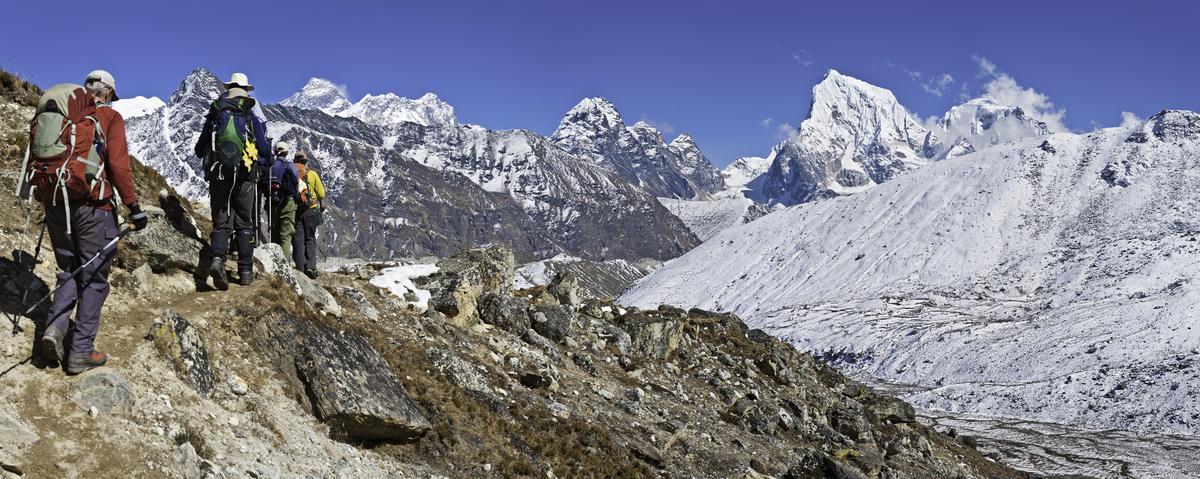
- Overcrowding at Altitude: The 2024 climbing season saw record-breaking permit issuances, leading to dangerous "human traffic jams" on the Hillary Step. This has prompted calls from environmentalists to "take Everest off the bucket list" to allow the ecosystem to recover.
- Tourism Diversification: The Nepal Tourism Board is actively pivoting toward wellness, weddings, and wildlife safaris in regions like Chitwan.
- Infrastructure Growth: Significant investment is being funneled into border towns near West Bengal, India. Improved road and air connectivity have led to a cluster of new hotel developments catering to regional tourists who seek cultural immersion over high-altitude trekking.
- The "Everest Experience" Alternative: For those who still wish to see the peaks without contributing to the trail’s degradation, Buddha Air’s "Everest Experience" flights have seen a spike in popularity, offering views of 20 peaks, including Langtang Lirung and Everest, in under an hour.
Official Responses: Reimagining the Heritage Economy
Sunil Sharma, the officiating director of the Nepal Tourism Board, emphasizes that the future of Nepali tourism lies in its multifaceted identity. "Look at the border towns… as infrastructure improves, so does tourism," Sharma notes. He anticipates that more global brands will enter the market this year, viewing Nepal not just as a trekking destination but as a luxury and wellness hub.
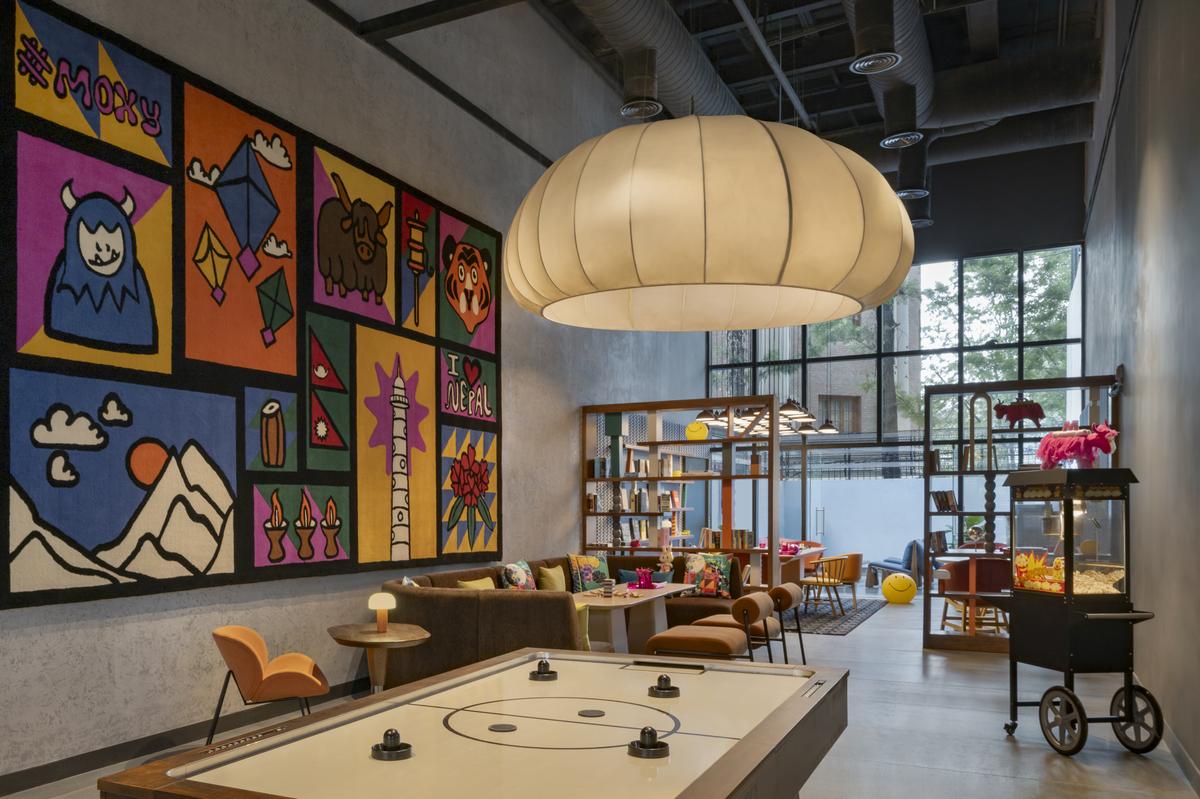
In the hospitality sector, the response has been to blend international standards with hyper-local aesthetics. Subarna Thapa, referred to as the "Captain" at Moxy Kathmandu, explains that the goal is to "connect travelers with the city, instead of just cocooning them." This is evidenced by the hotel’s design—a "Yoxy" (a massive papier-mâché yak) covered in Devanagari script and a rooftop bar serving Choila (spiced water buffalo) alongside Latin American cuisine curated by Mexican chefs.
Furthermore, cultural advocates like historian Rushel Shilpakar are using digital tools to bridge the gap between ancient city planning and modern tourism. Using iPads to demonstrate how cities like Bhaktapur were designed as living mandalas, historians are ensuring that the "Instagram generation" understands the spiritual geometry behind the stone carvings they photograph.
Cultural Implications: The Coexistence of TikTok and Tradition
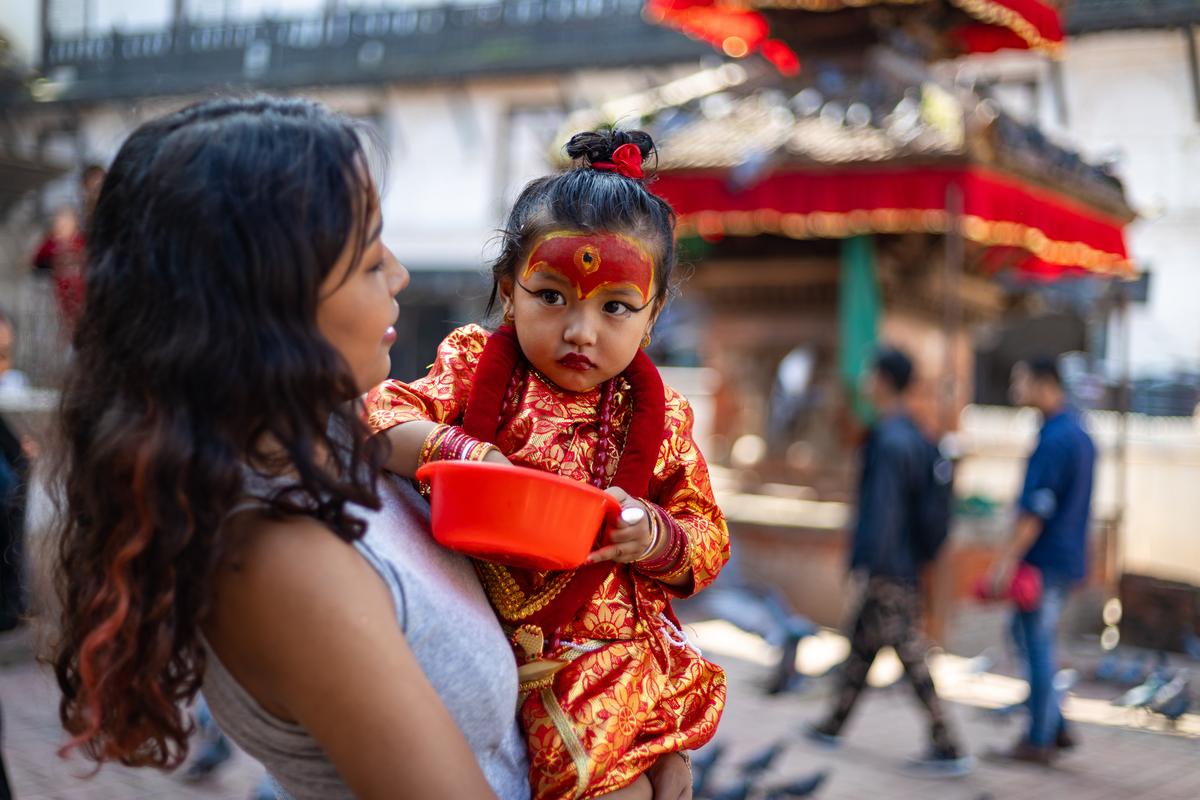
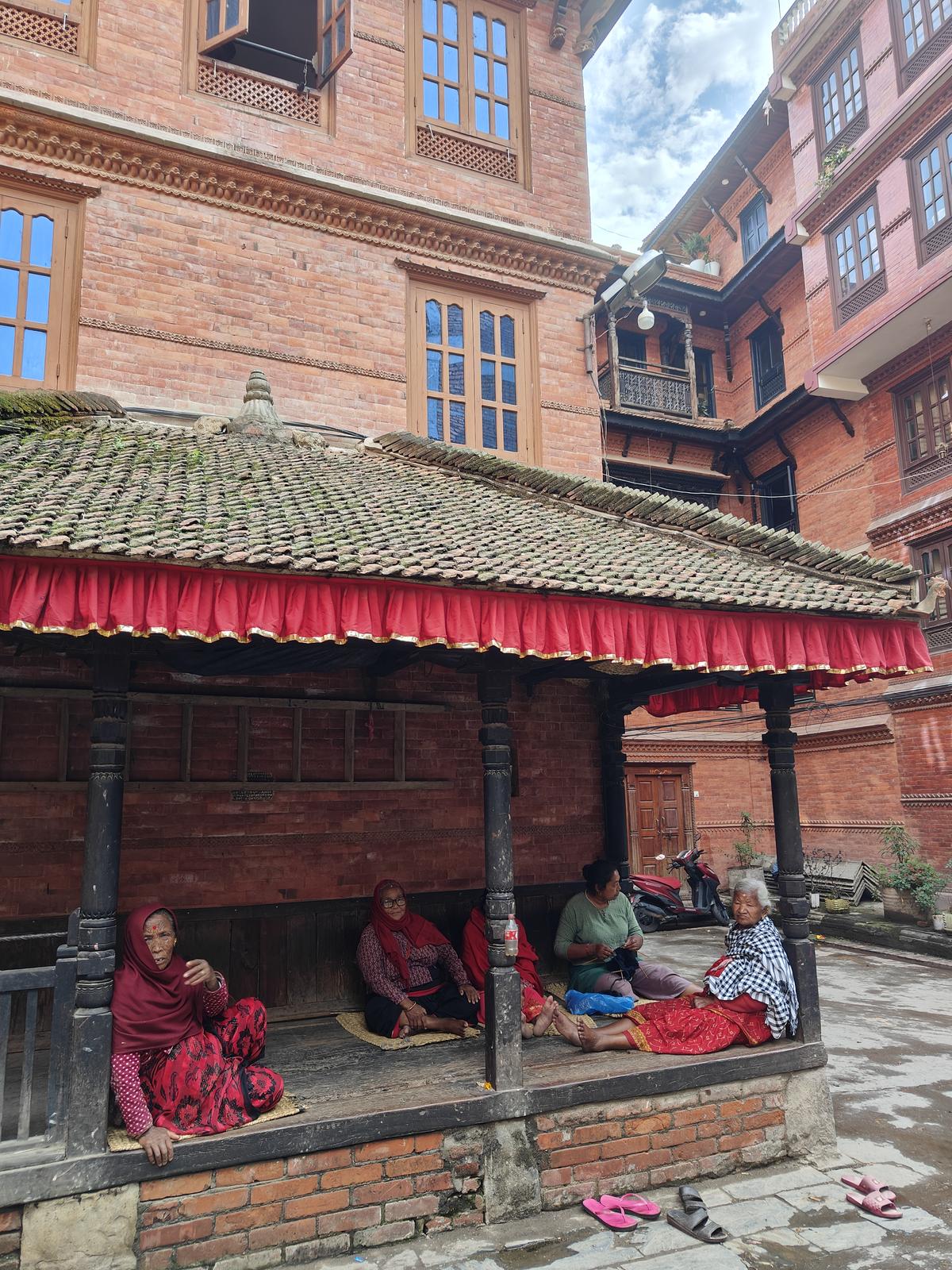
The most striking aspect of Kathmandu’s current transition is the friction and harmony between the ancient and the digital. At the Kumari Ghar, the residence of the Living Goddess, the atmosphere remains thick with incense and centuries-old devotion. Yet, the walls now bear "No TikTok" signs—a necessary intervention as influencers attempt to capture the four-year-old deity for social media engagement.
This dichotomy defines the "New Nepal." In Durbar Square, one can witness a group of youth in leather jackets choreographing a dance reel just feet away from devotees bowing to the fierce, stone-carved Kaal Bhairav shrine. This is not seen as a contradiction by locals, but as a continuation of a culture where the sacred is woven into the mundane.
The Culinary Evolution
The shift is also palatable in the city’s food scene. While traditional staples like juju dhau (sweet buffalo yogurt) in Bhaktapur and sel roti (rice flour doughnuts) remain essential, they now coexist with a sophisticated mixology culture. At establishments like Bitters & Co., local ingredients such as sea buckthorn, fermented leafy greens, and the numbing Timur pepper are being reimagined in high-end cocktails. Rabin Gurung, a mixologist who returned to Nepal after years in Hong Kong, embodies this "homecoming" trend. "If you want to see harmony in chaos, come to Nepal," Gurung says. "There is magic here."
The "Balen Effect" on National Identity
The rise of Prime Minister Balen Shah has provided a political mirror to this cultural shift. His lyrics, which address systemic corruption (Balidan) and the struggles of the working class (Aam Nepali Buwaa), have become the soundtrack for a generation that feels represented for the first time. Our guide on a recent hike to the Nagi Gompa monastery, Prashan Poudyal, noted: "The prime minister is my age. We finally have someone who thinks young."
Future Implications: A Sustainable Path Forward
As Nepal looks toward 2025 and beyond, the implications of this cultural pivot are twofold:
- Economic Resilience: By promoting Patan, Bhaktapur, and Kathmandu as year-round cultural destinations, Nepal reduces its economic dependency on the narrow spring and autumn climbing windows. This creates more stable, year-round employment for locals in the hospitality and arts sectors.
- Heritage Preservation: The influx of "culture-first" tourists provides the financial impetus for the continued restoration of UNESCO World Heritage sites, many of which are still recovering from the 2015 earthquake.
The "living goddess" remains a symbol of Nepal’s enduring spirit, but the country is no longer content to be a museum piece or a playground for mountaineers. It is a nation in the midst of a vibrant, youthful, and digitized awakening. For the traveler, the message is clear: the most breathtaking views in Nepal are no longer found only at 29,000 feet, but in the intricate wood carvings of a Patan alleyway, the spicy kick of a Kathmandu cocktail, and the optimistic energy of a generation finally finding its voice.
Travel Logistics: Exploring the Valley
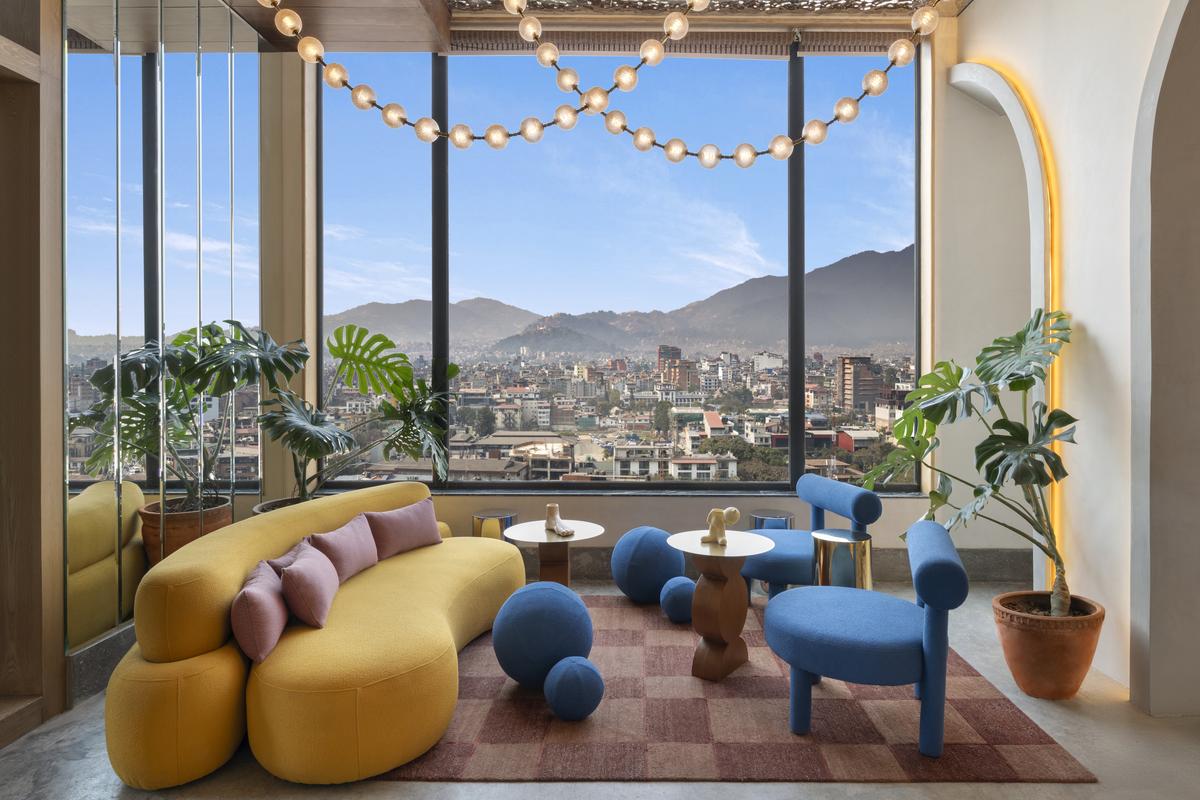
- Where to Stay: Moxy Kathmandu offers a "luxe-hostel" vibe with 101 guestrooms, a rooftop bar (La Hacienda), and communal spaces designed for social interaction.
- What to Eat: Seek out juju dhau in Bhaktapur, sel roti for breakfast in Patan, and Wai Wai sadeko (spicy noodle salad) at local bars.
- Cultural Etiquette: While the city is modernizing, respect for religious sites is paramount. Always observe "No Photography" signs in shrines and dress modestly when visiting monasteries like Nagi Gompa.
