

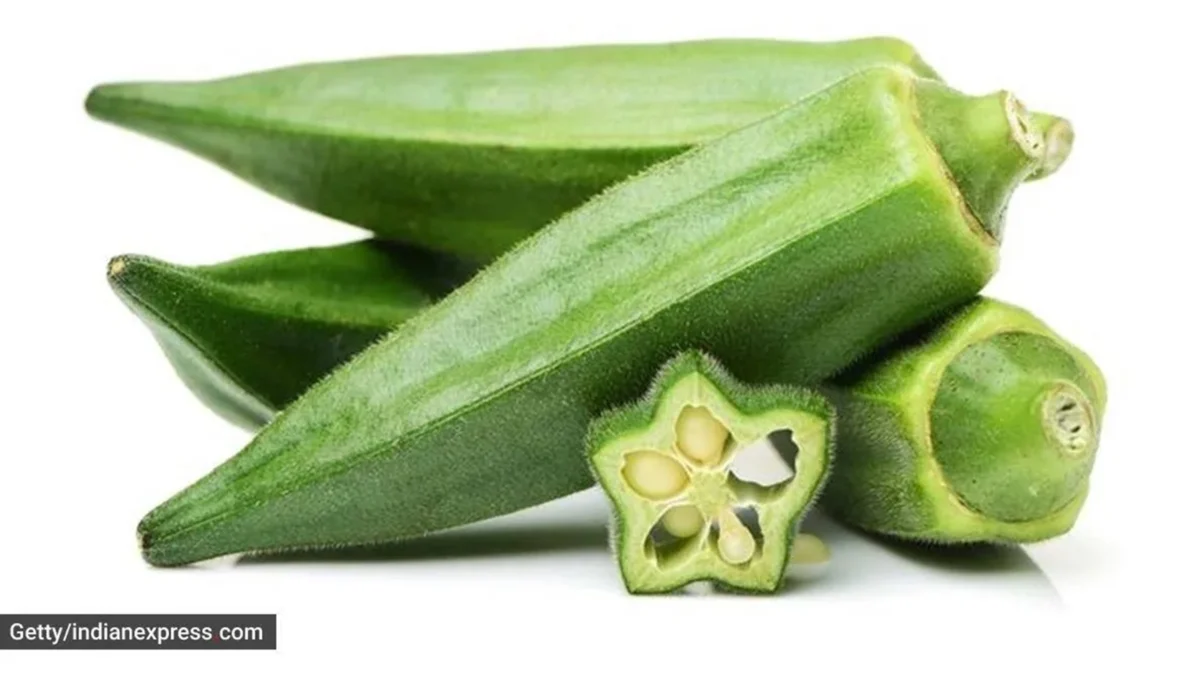
The landscape of modern nutrition is increasingly turning toward the "rainbow diet," a philosophy that encourages the consumption of vibrant, naturally colored produce to maximize phytonutrient intake. Among the latest entrants to capture the attention of health enthusiasts and culinary experts alike is Purple Okra, also known as magenta bhindi. While the traditional green okra (Abelmoschus esculentus) has been a staple in South Asian, African, and Southern American cuisines for centuries, its purple counterpart is emerging as a premium, nutrient-dense alternative that offers more than just visual flair.
Clinical dietitian Garima Goyal recently highlighted the significance of this vegetable, noting that its striking hue is not merely aesthetic but a marker of potent biological compounds. As the global food market shifts toward functional foods—items that provide health benefits beyond basic nutrition—purple okra is being repositioned from a backyard heirloom curiosity to a commercial "superfood."
Main Facts: What Defines Purple Okra?
Purple okra is a variety of the common okra plant characterized by its deep burgundy or magenta skin. Despite the radical difference in exterior color, the interior flesh remains a creamy white or pale green, and the seeds are identical to those of the standard green variety.
The Role of Anthocyanins
The primary differentiator between purple and green okra is the presence of anthocyanins. These are a type of flavonoid—a class of compounds with antioxidant effects. Anthocyanins are the same pigments responsible for the deep reds, purples, and blues in blueberries, blackberries, red cabbage, and purple carrots.
According to Goyal, these pigments are known for their:
- Antioxidant Properties: They neutralize free radicals, which are unstable molecules that can damage cells.
- Anti-inflammatory Effects: They help reduce systemic inflammation, which is a precursor to many chronic diseases, including arthritis and heart disease.
- Cardiovascular Support: Anthocyanins are linked to improved blood vessel function and lower blood pressure.
Nutritional Equivalence and Enhancements
While the purple variety offers the "antioxidant boost" of anthocyanins, it retains all the foundational nutrients of green okra. Both varieties are low in calories and high in essential vitamins and minerals. A 100-gram serving typically provides significant amounts of:
- Vitamin C: Essential for immune function and skin health.
- Vitamin K: Crucial for blood clotting and bone metabolism.
- Folate (Vitamin B9): Vital for DNA synthesis and particularly important for pregnant women.
- Magnesium: Involved in over 300 biochemical reactions in the body, including muscle and nerve function.
- Dietary Fiber: Specifically mucilaginous fiber, which aids in digestion and blood sugar regulation.
Chronology: From Heirloom to Health Trend
The journey of purple okra from a rare botanical specimen to a modern dietary recommendation follows a timeline of agricultural diversification and shifting consumer priorities.
1. Ancient Roots and Global Dispersal
Okra itself is believed to have originated in West Africa or Ethiopia. It traveled across the Atlantic via the slave trade to the Americas and eastward to the Indian subcontinent. For most of this history, the green variety was selected for its high yields and uniformity.
2. The Development of "Burgundy" Strains (1980s)
In the mid-20th century, plant breeders began stabilizing purple variants. The most famous, the ‘Red Burgundy’ okra, was developed by Leon Robbins at Clemson University and introduced in 1983. It won the All-America Selections award in 1988, marking the first time a purple variety was recognized for both its ornamental beauty and its productivity.
3. The "Superfood" Era (2010s–Present)
As nutritional science began to emphasize the importance of polyphenols and antioxidants, "forgotten" vegetables like purple carrots, purple cauliflower, and purple okra began appearing in organic markets and farm-to-table restaurants. By 2024-2025, the focus on "metabolic health" and "gut microbiomes" pushed purple okra into the spotlight in urban centers like New Delhi and Mumbai, where consumers are increasingly willing to pay a premium for nutrient-dense produce.
Supporting Data: The Science of Metabolic Balance
The health claims surrounding purple okra are backed by a growing body of evidence regarding its components.
Digestive Health and the Mucilage Factor
One of the most unique aspects of okra is its mucilage—the "slime" that many people either love or avoid. This mucilage is actually a soluble fiber that plays a critical role in metabolic health.

- Blood Sugar Regulation: Studies suggest that okra mucilage can inhibit the absorption of glucose in the intestinal tract, leading to more stable blood sugar levels after meals.
- Cholesterol Management: The fiber binds with bile acids (which contain cholesterol) in the digestive system, allowing them to be excreted from the body rather than reabsorbed.
Oxidative Stress and Cellular Health
Garima Goyal emphasizes that the antioxidants in purple okra help protect cells from "oxidative stress." Oxidative stress occurs when there is an imbalance between free radicals and antioxidants in the body, leading to tissue damage. By consuming anthocyanin-rich foods, individuals can bolster their body’s internal defense mechanisms, potentially slowing the aging process of cells and reducing the risk of mutations that lead to cancer.
Weight Management
With its high fiber content and low caloric density, purple okra promotes satiety. Fiber slows down the rate of digestion, helping individuals feel full for longer periods. This makes it an ideal vegetable for those managing obesity or metabolic syndrome.
Official Responses: Expert Insights on Consumption
The medical and nutritional community views purple okra as a valuable addition to a diverse diet, though they caution against viewing any single vegetable as a "magic bullet."
The Dietitian’s Perspective
Garima Goyal notes that while purple okra is visually stunning, its color is delicate. "The striking purple hue comes from anthocyanins… but this color tends to fade when cooked, turning green or brown depending on heat and acidity," she explains. To maximize the health benefits, Goyal recommends specific preparation methods:
- Light Sautéing: Quick cooking at high heat can preserve some of the pigment.
- Roasting: This reduces the "slimy" texture while maintaining nutrient density.
- Raw Consumption: Thinly sliced in salads, the purple color remains intact, providing the full spectrum of anthocyanins.
The Medical Disclaimer
As with all nutritional trends, experts maintain a level of professional caution. The standard disclaimer applies: this information is based on public domain data and expert interviews. Individuals with specific medical conditions—such as kidney stones (as okra is high in oxalates)—should consult their healthcare practitioner before significantly increasing their intake.
Implications: Agriculture, Economy, and Lifestyle
The rise of purple okra has broader implications beyond the individual dinner plate, affecting agricultural practices and market dynamics.
1. Agricultural Diversification
For farmers, purple okra represents an opportunity for crop diversification. Because it is often perceived as a "gourmet" or "health-plus" item, it can command higher prices at farmers’ markets and organic retail outlets. However, the seeds can be more expensive, and the plants may sometimes have slightly lower yields than the most aggressive green hybrids, making it a "niche" but profitable crop.
2. The "Visual" Economy of Food
In the age of social media, the visual appeal of food drives consumption trends. The vibrant magenta of the raw pods makes purple okra a favorite for food bloggers and chefs looking to create "Instagrammable" healthy meals. This aesthetic demand indirectly supports the consumption of healthier foods by making them more appealing to younger, tech-savvy demographics.
3. Food Security and Climate Resilience
Okra is a famously hardy plant. It is heat-tolerant and relatively drought-resistant compared to leafy greens. As climate change impacts traditional vegetable farming, promoting hardy, nutrient-dense crops like purple okra ensures that populations have access to vitamins and minerals even in harsher growing conditions.
4. Accessibility Challenges
Currently, the primary hurdle for purple okra is availability. It is not yet a staple in traditional "sabzi mandis" (vegetable markets) across India or in standard supermarkets in the West. It remains localized to:
- Organic Specialty Stores: Catering to health-conscious consumers.
- Farmers’ Markets: Where heirloom and non-GMO varieties are celebrated.
- Online Grocery Platforms: Which bridge the gap between niche farmers and urban buyers.
Conclusion
Purple okra is a testament to the fact that nature often packages its most potent medicines in vibrant colors. While it shares the robust nutritional foundation of its green cousin—offering fiber, Vitamin C, and metabolic support—its unique anthocyanin content provides an extra layer of protection against inflammation and oxidative stress.
As clinical dietitian Garima Goyal concludes, purple bhindi is not a "superfood in isolation," but rather a "nutritional upgrade" that fits beautifully into a plant-rich diet. Whether sought out for its striking appearance or its heart-healthy pigments, this magenta variant of a kitchen staple is a vivid reminder that diversity on the plate is the key to longevity and wellness. By incorporating such variety, consumers can transform an everyday meal into a sophisticated, health-boosting experience.
