

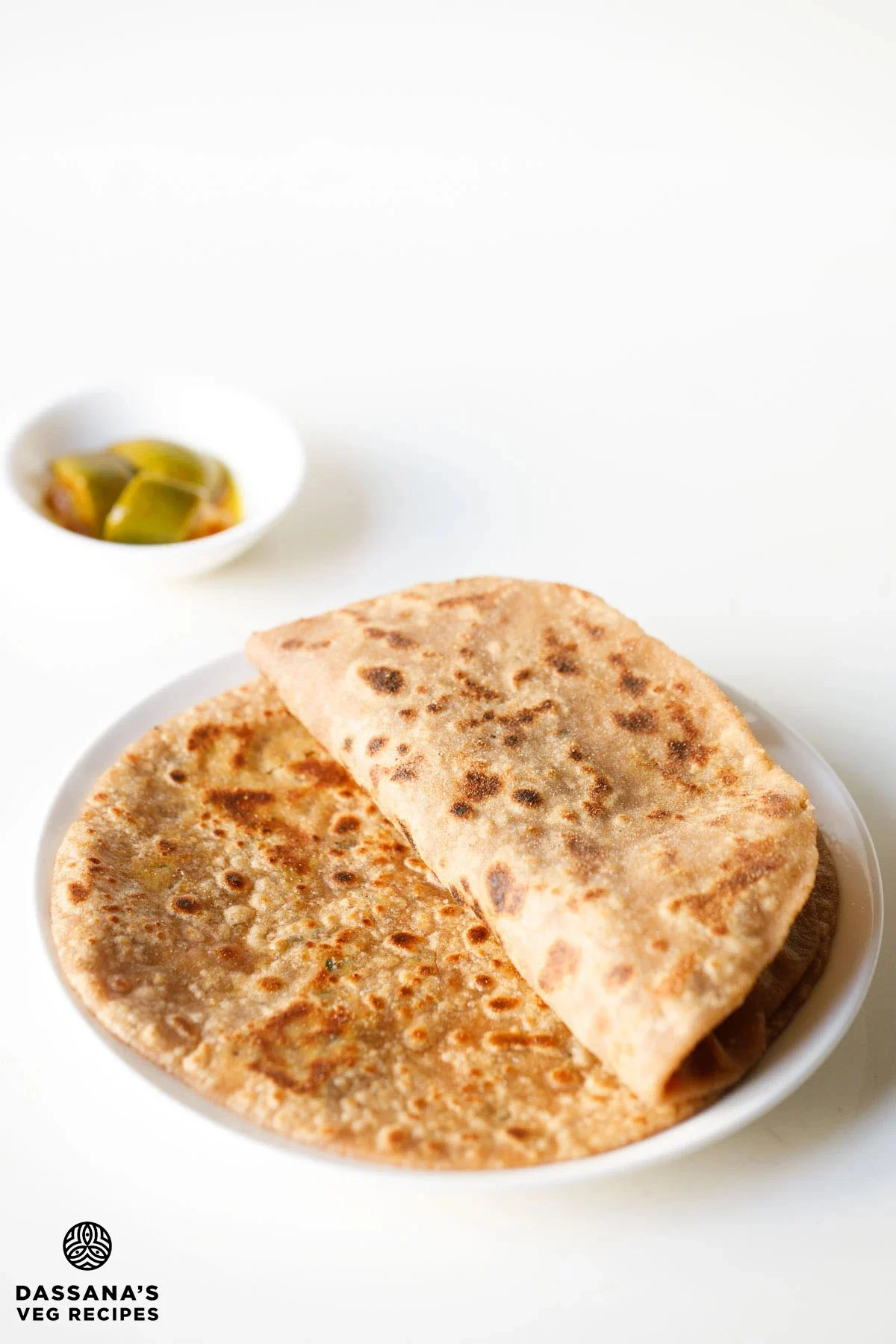
PATNA, BIHAR – In the evolving landscape of global gastronomy, where ancient grains and "superfoods" are being rediscovered by health-conscious consumers, a humble staple from Eastern India is making a significant impact. Sattu Paratha, a traditional stuffed flatbread rooted in the culinary heritage of Bihar, Jharkhand, and Eastern Uttar Pradesh, is transitioning from a rural necessity to a mainstream nutritional powerhouse.

Long regarded as the "poor man’s protein," sattu—a flour made from roasted black chickpeas (Kala Chana)—is the heart of this dish. Unlike the more globally recognized Aloo Paratha or Gobi Paratha, the Sattu Paratha offers a unique combination of shelf-stability, high-protein content, and a distinct flavor profile characterized by pungent mustard oil and tangy pickle masalas.

Main Facts: The Anatomy of a Regional Icon
Sattu Paratha is more than just a meal; it is a sophisticated exercise in flavor balancing and food preservation. At its core, the dish consists of two primary components: a whole wheat dough and a robust, uncooked filling.

The Nutritional Powerhouse: Sattu
The defining ingredient, sattu, is produced by dry-roasting Bengal gram (Kala Chana) in sand and then grinding it into a fine flour, often with the nutrient-rich skins intact. This roasting process precooks the flour, giving it a nutty aroma and a low glycemic index (GI). Because it is already "cooked" during the roasting phase, the filling for the paratha requires no further heat before being stuffed into the dough, preserving the volatile oils of the added herbs and spices.

The Flavor Profile
The traditional Bihari preparation relies on a specific quartet of ingredients to achieve its "authentic" status:

- Mustard Oil: Provides a sharp, pungent base.
- Pickle Masala: Usually sourced from North Indian mango pickles (Aam ka Achar), adding acidity and complexity.
- Nigella Seeds (Kalonji): Offering a slight bitterness and onion-like aroma.
- Carom Seeds (Ajwain): Aiding in digestion and providing a thyme-like scent.
The filling is further enriched with finely chopped onions, ginger, garlic, green chilies, and fresh coriander. This mixture is bound together with a minimal amount of water to reach a crumbly yet cohesive consistency.

Chronology: From Ancient Sustenance to Modern Superfood
The Origins of Travel Food
Historically, the Sattu Paratha emerged as a solution for travelers, farmers, and laborers in the humid plains of the Ganges. Because the sattu filling is dry and the paratha is roasted on a griddle with ghee or oil, it possesses a longer shelf life than vegetable-stuffed breads. In the era before widespread refrigeration, it became the quintessential travel food for long train journeys across the Indian subcontinent.

The Cultural Shift (1990s – 2010s)
For decades, sattu was often stigmatized in urban Indian centers as "rustic" or "lower-class" food. However, as the Indian diaspora moved globally and domestic migration to cities like Delhi, Mumbai, and Bangalore increased, the demand for regional comfort food grew. The Sattu Paratha began appearing on the menus of high-end North Indian restaurants, rebranded as a high-protein, artisanal flatbread.

The Modern Health Movement (2020 – Present)
In the last five years, the global shift toward plant-based proteins has catapulted sattu into the limelight. Nutritionists began highlighting its cooling properties (essential for the Indian summer) and its high fiber content. Today, sattu is frequently cited alongside quinoa and oats as a sustainable, indigenous superfood, leading to a surge in its popularity among fitness enthusiasts.

Supporting Data: A Technical and Nutritional Analysis
The Sattu Paratha is a calorie-dense yet nutritionally balanced meal. According to recent culinary data and nutritional breakdowns for a standard serving (approximately 8 parathas per batch), the profile is as follows:

- Caloric Value: Approximately 119 kcal per medium-sized paratha.
- Macronutrients: While the carbohydrate count stands at 4g (largely from the whole wheat and chickpea fiber), the fat content is approximately 12g, primarily consisting of healthy monounsaturated and polyunsaturated fats from mustard oil and ghee.
- Micronutrients: The dish is a notable source of Vitamin C (4mg), Calcium (16mg), and Iron (0.2mg).
- Sodium and Potassium: A single serving contains roughly 350mg of sodium and 40mg of potassium.
Technical Preparation Methods
Journalistic observation of traditional kitchens reveals two distinct methods of construction:

- The Modern/Easy Method: The dough is rolled into a 4-5 inch circle, brushed with oil, and the stuffing is placed in the center. The edges are pleated and sealed before the paratha is rolled out to its final 8-inch diameter.
- The Artisanal/Bowl Method: This traditional technique involves shaping a dough ball into a "cup" or "bowl" with the fingers, keeping the center thick and the edges thin. The sattu mixture is pressed into this cavity before sealing. This method is preferred by experts as it ensures a more even distribution of the filling and prevents the dough from tearing.
Official Responses: Culinary Experts and Nutritionists Weigh In
"The beauty of the Sattu Paratha lies in its simplicity and the lack of a pre-cooking stage for the filling," says Dr. Ananya Sharma, a food historian specializing in South Asian grains. "By mixing the raw spices and mustard oil directly into the sattu, you create a probiotic-friendly environment and retain the full medicinal benefits of the carom and nigella seeds."

Regional culinary boards in Bihar have also noted the economic implications. A spokesperson for the Bihar State Tourism Development Corporation (BSTDC) stated, "We are seeing a renewed interest in ‘Litti Chokha’ and ‘Sattu Paratha’ from international tourists. It is no longer just a local staple; it is a cultural ambassador. We are working with local farmers to ensure the quality of Kala Chana is maintained as export demand for sattu flour rises."

Nutritionists emphasize the "staying power" of the dish. "Because of the complex carbohydrates in whole wheat and the high protein in roasted gram, Sattu Paratha has a high satiety value," notes nutritionist Rahul Verma. "It prevents the insulin spikes associated with refined flour breads, making it an excellent option for those managing blood sugar levels."

Implications: The Future of Indigenous Grains
The rise of Sattu Paratha signals a broader shift in the global food industry toward regionalism and sustainability. The implications of this trend are three-fold:

1. Economic Empowerment of Local Farmers
The increased demand for sattu directly benefits farmers in the rain-fed regions of Bihar and Jharkhand, where black chickpeas are a primary crop. As sattu becomes a premium product in urban markets, the "farm-to-table" value chain is being strengthened, providing better price realizations for pulse cultivators.

2. Sustainability and Food Security
Sattu is an environmentally friendly protein source. Chickpeas require significantly less water than animal-based proteins and even some other plant proteins like soy. The "no-cook" nature of the filling also reduces the carbon footprint of meal preparation, aligning with modern "slow food" movements.

3. Cultural Preservation and Innovation
While the traditional recipe remains the gold standard, culinary innovation is occurring. Modern iterations include "Sattu Quesadillas" or "Sattu-stuffed Wraps" for school lunchboxes. However, experts warn that the removal of core ingredients like mustard oil or pickle masala—often done to cater to milder palates—can strip the dish of its identity.

Conclusion
The Sattu Paratha stands as a testament to the wisdom of traditional Indian cooking. It is a dish that solved the problems of the past—hunger, spoilage, and physical exhaustion—and is now solving the problems of the present: nutritional deficiency and the need for sustainable eating. As Bihar continues to share its culinary treasures with the world, the Sattu Paratha remains a pungent, spicy, and wholesome reminder that sometimes, the best "new" food trends are thousands of years old.

Serving Suggestion: For an authentic experience, culinary experts recommend serving Sattu Paratha hot with a side of Baingan Chokha (roasted eggplant mash), fresh curd, or a robust mango pickle. For those traveling, omitting onions from the filling is advised to extend the paratha’s freshness for up to 24 hours without refrigeration.
