

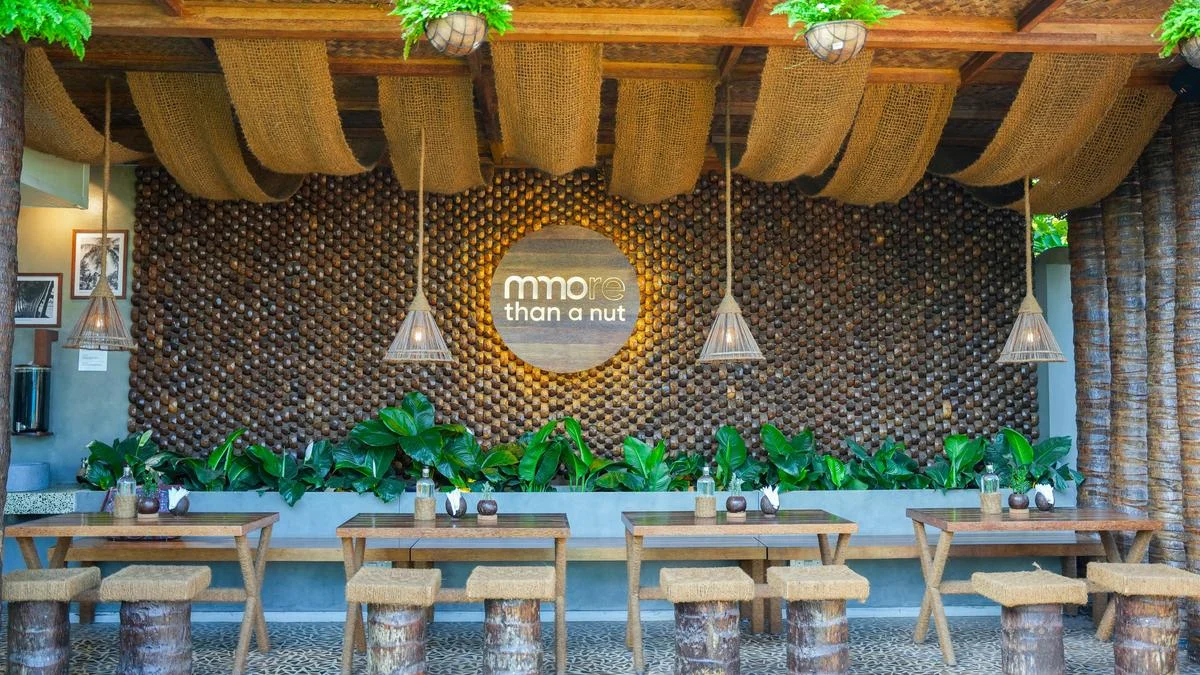
ALUVA, KERALA – In the lush landscapes of Kerala, a state whose very name translates to "The Land of Coconuts," the ubiquitous palm tree has long been the backbone of the local economy and culture. However, as global markets shifted toward imported nuts and synthetic alternatives, the humble coconut often found itself relegated to the background of modern culinary and architectural trends. Enter Ubais Ali, a second-generation entrepreneur who is spearheading a quiet revolution from a bespoke storefront in Aluva, near Kochi.
His venture, MMore Than A Nut, is not merely a cafe; it is a manifesto for the versatility of the Cocos nucifera. Located strategically near Rajagiri Hospital, the establishment serves as a living gallery, a laboratory for food science, and a retail hub that challenges the traditional boundaries of what a coconut can be. From the floorboards beneath one’s feet to the delicate baklava on the plate, every element of the experience is derived from the "Kalpavriksham"—the mythical wish-fulfilling tree of Indian lore.
Main Facts: A Holistic Ecosystem of Coconut Innovation
At first glance, MMore Than A Nut appears to be a stylish, contemporary coffee shop. However, a closer inspection reveals a radical commitment to a single raw material. The cafe’s infrastructure represents a masterclass in sustainable design and value-added manufacturing.
Architectural and Interior Innovation
The most striking feature of the cafe is its construction. Eschewing traditional timber or synthetic materials, Ali has utilized the various components of the coconut tree to create a high-end aesthetic:
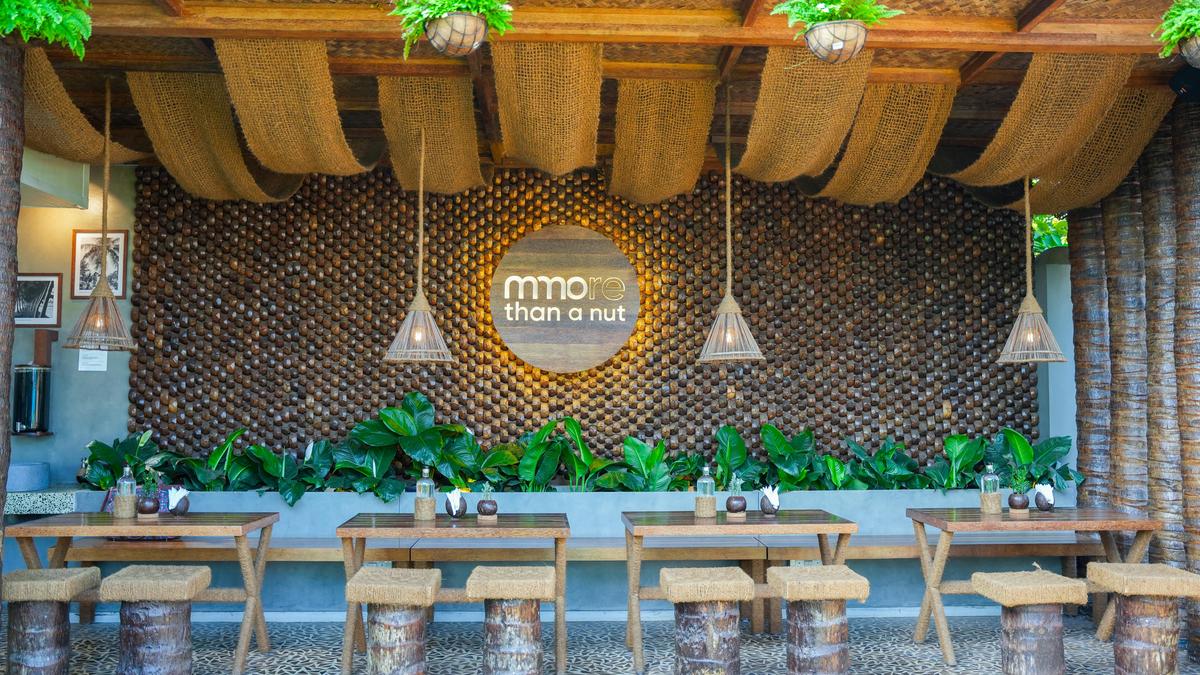
- Furniture: Tables and benches are crafted from coconut wood, a material often overlooked due to the technical difficulties in seasoning and processing it.
- Flooring and Cladding: In a feat of architectural ingenuity, pieces of coconut shell have been repurposed as flooring tiles, creating a mosaic effect reminiscent of high-end terrazzo. The walls feature coconut-based cladding, providing both insulation and a unique organic texture.
- Lighting and Decor: Lampshades are fashioned from coconut shells, casting a warm, dappled light across the space. Even the peripheral elements—garden lights, dustbins, and tableware—are derived from the tree’s byproducts, demonstrating a zero-waste philosophy.
Culinary Diversification
The menu at MMore Than A Nut is a departure from standard cafe fare. By utilizing coconut flour, milk, sugar, and water, the kitchen produces a range of "travel cakes" and confections designed for the modern palate:
- Bakery: Offerings include coconut-banana cakes, desiccated coconut muffins, and "brookies" (a brownie-cookie hybrid) that utilize coconut flour as a gluten-free or fiber-rich alternative to wheat.
- Global Fusion: The menu features a coconut-filled baklava, replacing the traditional pistachio or walnut centers with roasted coconut, bridging Middle Eastern pastry techniques with Keralite ingredients.
- Beverages: Beyond the standard tender coconut water, the cafe serves "Neera"—the unfermented sap of the coconut palm—alongside complex smoothies like avocado-coconut and caramelized pineapple-coconut. A signature hot chocolate replaces dairy with rich coconut milk, catering to the growing vegan and lactose-intolerant demographic.
Chronology: From Oil Mill to Experience Center
The journey of MMore Than A Nut is inextricably linked to the history of Mezhukkattil Mills (MMO), a name synonymous with coconut oil production in Kerala for nearly half a century.
- 1976: The Foundation: The story begins with Ubais Ali’s father, who established Mezhukkattil Mills as a traditional oil-crushing unit. For decades, the mill focused on the commodity market, producing high-quality coconut oil for domestic use.
- The Export Era: As the second generation took the reins, Mezhukkattil Mills expanded its horizons, entering the international market. They began exporting virgin coconut oil, coconut milk powder, and desiccated coconut, gaining insights into global health trends and the rising demand for plant-based alternatives.
- The R&D Pivot: Recognizing that the "commodity trap" (low margins on raw oil) was a threat to long-term sustainability, Ali established a dedicated Research and Development kitchen on the second floor of the factory. This facility became the birthplace of the recipes now served at the cafe.
- 2020s: The Launch of MMore Than A Nut: The cafe was envisioned as the retail face of the MMO brand. It was designed to move the coconut from the "pantry shelf" to the "lifestyle space," providing a tangible experience of the brand’s innovative capabilities to those driving past the Aluva-Perumbavoor road.
Supporting Data: The Economic and Nutritional Case for Coconut
The expansion of ventures like MMore Than A Nut comes at a critical time for Kerala’s agricultural sector. While Kerala accounts for nearly 33% of India’s coconut production, the state has struggled with fluctuating copra prices and competition from cheaper palm oil imports.
Value Addition as an Economic Multiplier
According to data from the Coconut Development Board (CDB), value-added products like virgin coconut oil (VCO) and coconut flour can fetch three to five times the price of traditional copra. By processing the husk, shell, and pith into homeware and construction materials, entrepreneurs can tap into the "circular economy," ensuring that no part of the harvest is wasted.

Nutritional Profile
The cafe’s shift toward coconut-based ingredients aligns with global nutritional trends:
- Medium-Chain Triglycerides (MCTs): Found in coconut milk and oil, MCTs are prized for their ability to provide quick energy and support metabolic health.
- Gluten-Free Trends: Coconut flour is naturally gluten-free and high in fiber, making it a sought-after ingredient for the growing number of health-conscious consumers in urban Kerala.
- Low Glycemic Index: Coconut sugar and Neera offer a lower glycemic index compared to refined cane sugar, appealing to the region’s diabetic-prone population.
Official Responses and Recognition
The innovative approach of Mezhukkattil Mills has not gone unnoticed by regulatory and governmental bodies. The company has received several accolades for its contribution to the agricultural industry.
Governmental Recognition:
The Government of Kerala and the Coconut Development Board have previously recognized Mezhukkattil Mills for excellence in packaging design and product innovation. Officials have noted that such private enterprises are essential for the "Kerala Brand" to compete on a global stage.
Founder’s Perspective:
Ubais Ali remains vocal about the need for a cultural shift in how Indians perceive their local produce. "We see a lot of content about raisins and almonds from other countries," Ali remarked during a tour of the facility. "How about we push our own produce? The coconut is part of our everyday lives, yet it is so undervalued. We want to showcase the potential of what can be done apart from the regular uses."
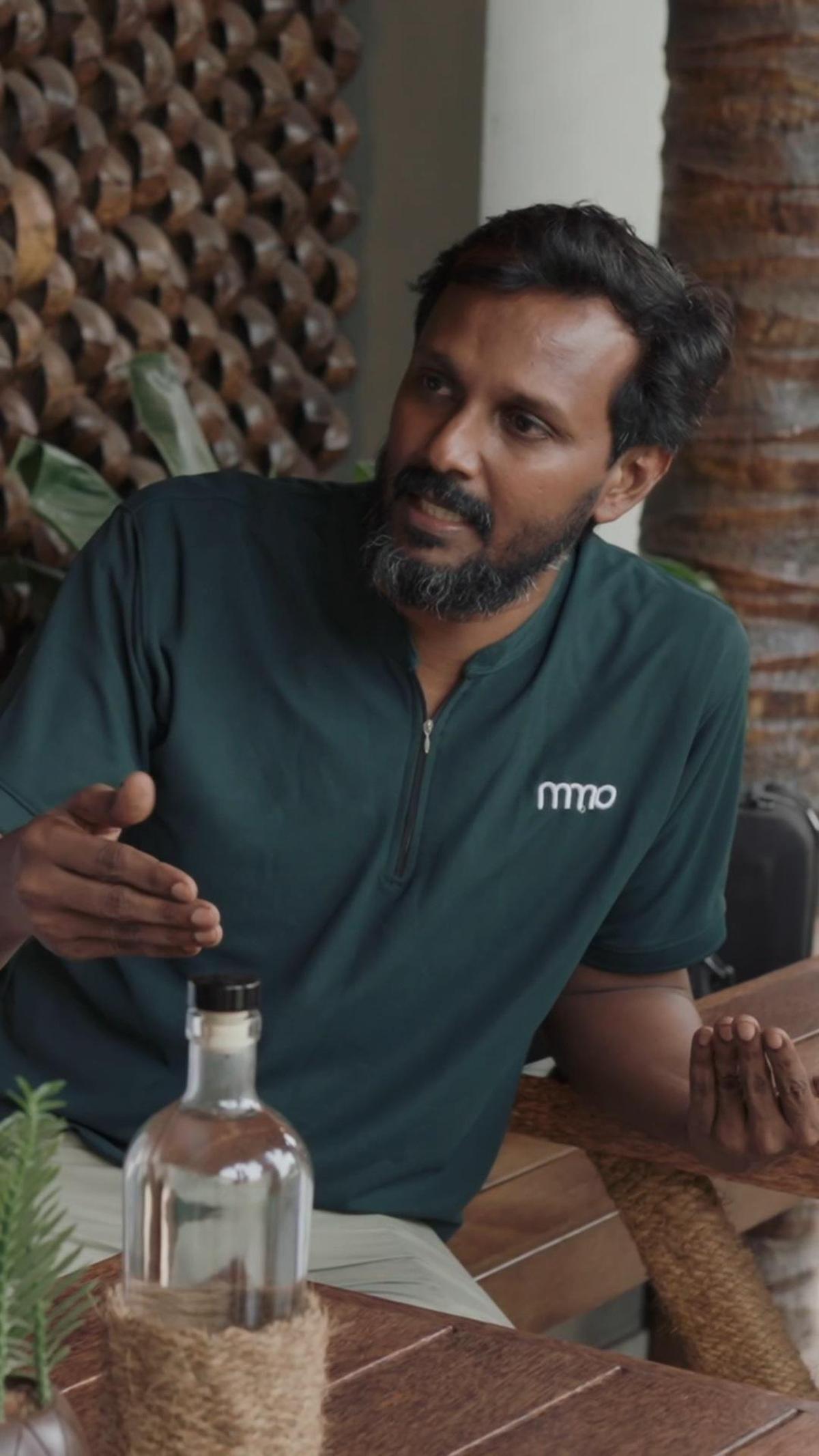
Ali emphasizes that the cafe is a proof-of-concept. It demonstrates to other entrepreneurs and farmers that the coconut tree can support a high-end retail ecosystem, provided there is an investment in design and R&D.
Implications: A Blueprint for Sustainable Agriculture
The success of MMore Than A Nut carries significant implications for the future of Kerala’s agrarian economy and the broader movement toward sustainable living.
1. Reversing the "Brain Drain" in Agriculture
By rebranding coconut farming as a "cool," tech-savvy, and design-oriented industry, ventures like this could attract younger generations back to the agricultural sector. It shifts the narrative from back-breaking labor to creative entrepreneurship.
2. Environmental Sustainability
The use of coconut wood and shell in construction provides a sustainable alternative to tropical hardwoods and plastic-based composites. As the world looks for carbon-sequestering building materials, the fast-growing coconut palm offers a renewable resource that does not require the clearing of natural forests.
3. The Experience Economy
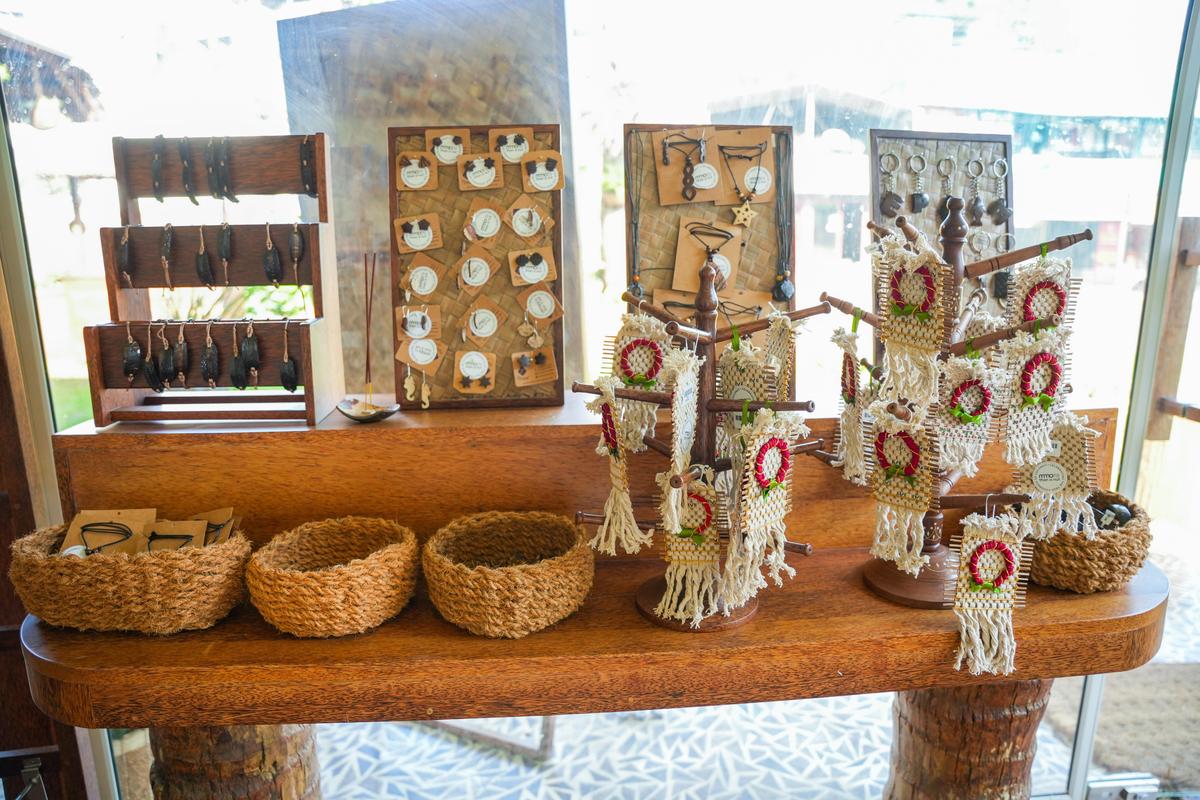
The cafe represents a shift toward the "experience economy" in Kerala. Instead of just selling a bottle of oil, Ali is selling an atmosphere, a philosophy, and a taste. This model is likely to be replicated by other spice and plantation-based businesses in the region, such as vanilla, cardamom, or coffee estates, looking to create direct-to-consumer touchpoints.
4. Strengthening the "Keralam" Brand
As Kochi continues to grow as a hub for tourism and IT, MMore Than A Nut serves as a cultural ambassador. It provides visitors with a sophisticated interpretation of Kerala’s heritage, moving beyond the cliches of "sun and sand" to a deeper appreciation of the state’s botanical wealth.
In conclusion, MMore Than A Nut is more than just a culinary curiosity; it is a strategic intervention in the lifecycle of the coconut. By blending traditional wisdom with modern R&D, Ubais Ali is ensuring that the Kalpavriksham remains relevant for the 21st century, proving that sometimes, the most innovative solutions are the ones that have been growing in our own backyards for millennia.
