

By [Your Name/Staff Reporter]
Published: April 23, 2026
In the quiet corners of libraries and the bustling kitchens of bibliophiles, April 23 serves as a bridge between two worlds: the literary and the culinary. As the world observes World Book Day 2026, the spotlight falls not just on the prose of the past, but on the flavors that fueled it. From the ale-soaked taverns of Shakespeare’s London to the spice-laden decks of Amitav Ghosh’s Ibis, food has always been more than mere sustenance in literature; it is a language of power, class, and emotion.
Main Facts: The Intersection of Plate and Page
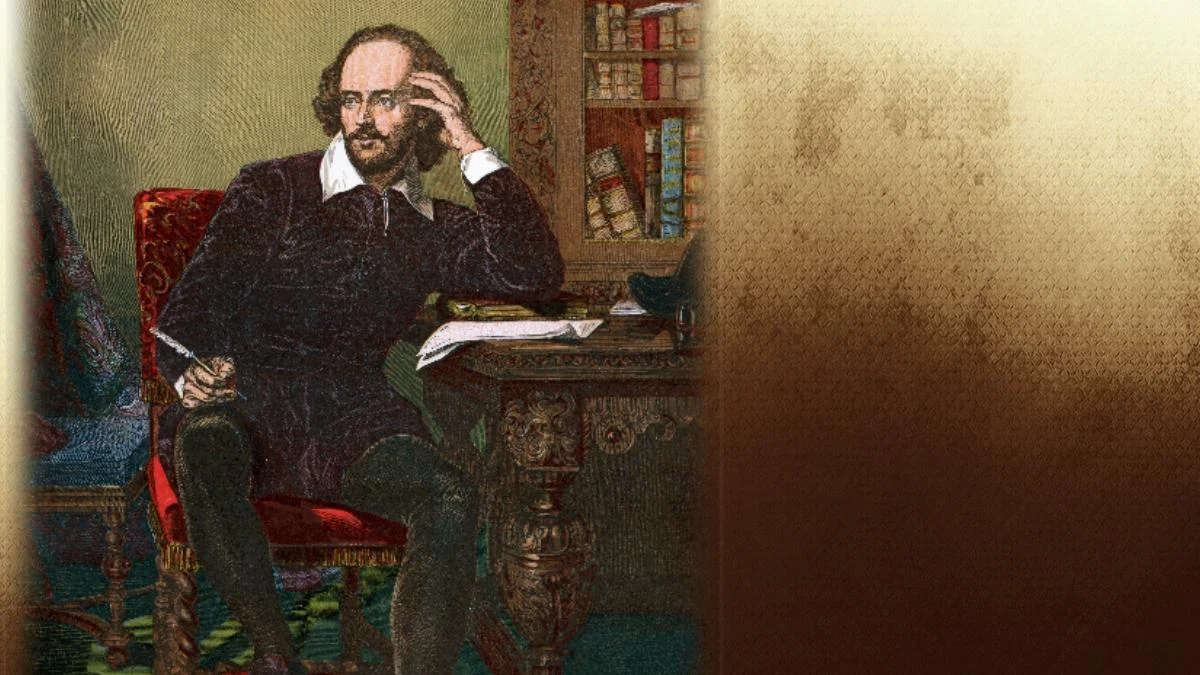
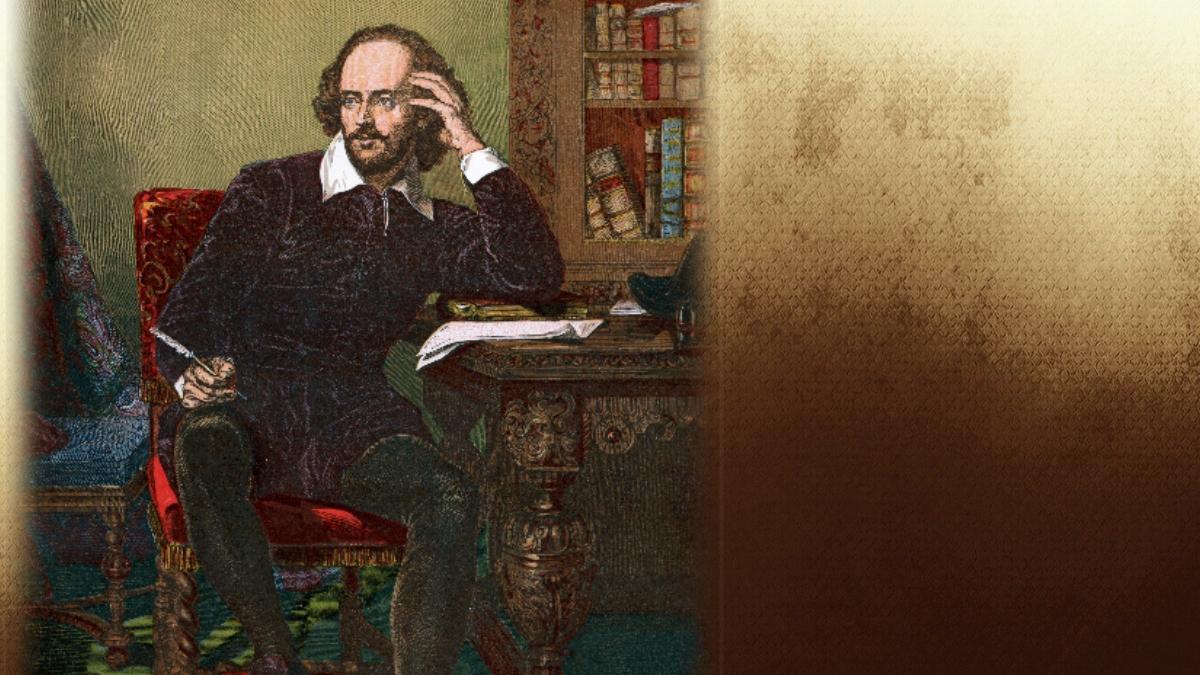
The 2026 celebration of World Book Day carries a unique theme: "The Great Library of Flavors." This year, literary societies and culinary historians have converged to celebrate the release of Much Ado about Cooking, a definitive guide to the Elizabethan palate as seen through the eyes of William Shakespeare. The book’s launch coincides with the 462nd anniversary of the Bard’s birth—and the 410th of his death—reminding us that while his words are immortal, they were often inspired by the very mortal pangs of hunger.
The trend of "Literary Gastronomy" has seen a resurgence in 2026. Readers are no longer content with just reading about a Victorian tea party or a colonial-era banquet; they seek to recreate them. This movement highlights a growing academic and public interest in how authors use food as a tool for character development and world-building.
In Shakespeare’s works, food is a frequent guest. As Adam, the elderly servant in As You Like It, poignantly cries, “O, I die for food! Here lie I down and measure out my grave.” This line serves as a stark reminder that in the 16th and 17th centuries, food security was a central human concern, making its appearance in drama a high-stakes narrative device.
Beyond the Bard, the 2026 literary calendar pays homage to Jane Austen’s delicate social hierarchies, often defined by what was served at the dinner table, and Amitav Ghosh’s sprawling epics that map the global movement of ingredients like opium, nutmeg, and black pepper.
Chronology: A History of Literary Feasting
To understand the current fascination with culinary literature, one must trace the evolution of how food has been depicted across different eras of the English canon.
The Elizabethan Stage (Late 16th – Early 17th Century)
For Shakespeare, food was rarely just food. It was a metaphor for the state of the soul or the state of the nation. In the late 1500s, the "Banquet" was a symbol of order and hospitality. However, Shakespeare often used the subversion of a meal to signal chaos.
- 1606: Macbeth features a banquet that collapses into madness when the ghost of Banquo appears. The "failed feast" became a recurring trope for political instability.
- 1590s: In the Henry IV plays, the character of Falstaff becomes the embodiment of gluttony and excess, his constant talk of "sack" (fortified wine) and sugar representing a life lived outside the bounds of courtly decorum.
The Regency Drawing Room (Early 19th Century)
Fast forward to the early 1800s, and Jane Austen transformed the meal into a social battlefield. For Austen, food was a marker of "breeding" and economic status.
- 1815: In Emma, the strawberry-picking party at Donwell Abbey and the ill-fated picnic at Box Hill use food to expose the cracks in social etiquette. The refusal or acceptance of a dish was often a proxy for the refusal or acceptance of a suitor.
The Post-Colonial Spice Route (21st Century)
In the modern era, writers like Amitav Ghosh have moved the focus from the dining room to the cargo hold.
- 2008–2015: With the Ibis Trilogy, Ghosh mapped the 19th-century opium trade. His descriptions of food are sensory and historical, detailing the fusion of cultures through the "chutneyfication" of language and ingredients. By 2026, Ghosh’s work is recognized as a pioneer in "Ecological Gastronomy," linking what we eat to the history of global trade and exploitation.
Supporting Data: The Statistical Breadth of the Bard’s Kitchen
Quantitative analysis of Shakespeare’s First Folio reveals the sheer volume of his culinary obsession. Digital humanities projects at major universities have cataloged the following:
- Frequency of References: There are over 2,000 mentions of food, drink, and dining across Shakespeare’s 38 plays.
- Alcohol as a Motif: "Wine" is mentioned 165 times, while "Ale" and "Beer" appear 54 times. These are often used to differentiate between the aristocracy and the commoners.
- The Vocabulary of Hunger: Words like "famished," "starved," and "appetite" appear most frequently in his tragedies (Coriolanus and Titus Andronicus), where food scarcity drives the plot toward violence.
- The "Titus" Statistic: In Titus Andronicus, food reaches its most macabre extreme. The play concludes with a "cannibal feast" where a mother is served a pie made of her own sons. While extreme, critics argue this reflects the precariousness of life in a world where the "eater" can quickly become the "eaten."
In contrast, Jane Austen’s letters (over 160 surviving examples) contain meticulous details about her family’s brewing of spruce beer and the prices of tea and sugar, showing that her literary focus on domestic economy was mirrored in her real-world anxieties.
Official Responses: Critics and Historians Weigh In
The 2026 World Book Day festivities have drawn commentary from leading voices in the arts.
Dr. Helena Sterling, Chair of the Shakespeare Birthplace Trust, stated during a morning symposium in Stratford-upon-Avon:
"We often treat Shakespeare as a philosopher of the mind, but we must remember he was a philosopher of the body. His characters are driven by hunger, thirst, and the sensory delights of the tavern. Much Ado about Cooking isn’t just a gimmick; it’s a vital piece of historical reconstruction that allows us to taste the world that produced Hamlet."
In India, literary critic Sameer Azad commented on the inclusion of Amitav Ghosh in this year’s "Culinary Canon":
"Ghosh has done for the spice trade what Dickens did for the Victorian slum. He has made us smell the turmeric and the salt air. On World Book Day, we celebrate his ability to show that every meal we eat today is a product of a complex, often violent, historical journey."
Publishing houses have also noted a 25% increase in the sales of "Literary Companion Cookbooks" over the last fiscal year, suggesting that the "Book-to-Table" movement is a significant driver of physical book sales in an increasingly digital age.
Implications: Why We Read (and Eat) in 2026
The focus on food in literature for World Book Day 2026 carries several profound implications for the future of reading and cultural preservation.
1. The Multisensory Reading Experience
As virtual and augmented reality become more integrated into our lives, there is a counter-movement toward "slow, tactile living." Reading a book while preparing a dish mentioned within its pages offers a multisensory grounding that digital media cannot replicate. This "embodied reading" is being touted by educators as a way to increase literacy engagement among younger generations.
2. Cultural Preservation and De-colonization
By studying the food in the works of Jane Austen alongside the works of Amitav Ghosh, readers are forced to confront the origins of the "English Tea." Austen’s sugar and tea were the products of the colonial systems Ghosh describes. Literary gastronomy thus becomes a tool for teaching history, allowing readers to understand the hidden costs of the luxuries depicted in classic literature.
3. The Environmental Narrative
In 2026, as climate change impacts global food security, Shakespeare’s depictions of "famine-driven" unrest (notably in Coriolanus) take on a new, chilling relevance. Literature serves as a historical record of what we grew, what we ate, and what we might lose.
4. Community and Commensality
Ultimately, the theme of "Much Ado about Cooking" reinforces the concept of commensality—the act of eating together. In a fragmented world, the shared experience of a story and a meal remains one of the few universal human constants.
Conclusion: The Final Course
As the sun sets on World Book Day 2026, the legacy of the Bard and his successors remains as flavorful as ever. Whether it is the "marchpane" of a Capulet feast, the "thin gruel" of an Austenian invalid, or the "muri" (puffed rice) shared on a boat in the Sundarbans, food in literature serves as a bridge.
It reminds us that while the languages we speak and the clothes we wear may change over centuries, the basic human needs—to be fed, to be heard, and to be part of a story—remain unchanged. This April, as we celebrate Shakespeare’s month, let us not only read his words but, in a sense, eat them too, savoring the rich, complex history that every page provides.
Suggested Reading for World Book Day 2026:
- Much Ado about Cooking: The Elizabethan Kitchen (New Release)
- The Jane Austen Diet by Bryan Kozlowski
- Sea of Poppies by Amitav Ghosh
- Shakespeare’s Kitchen: Renaissance Recipes for the Contemporary Cook by Francine Segan
