

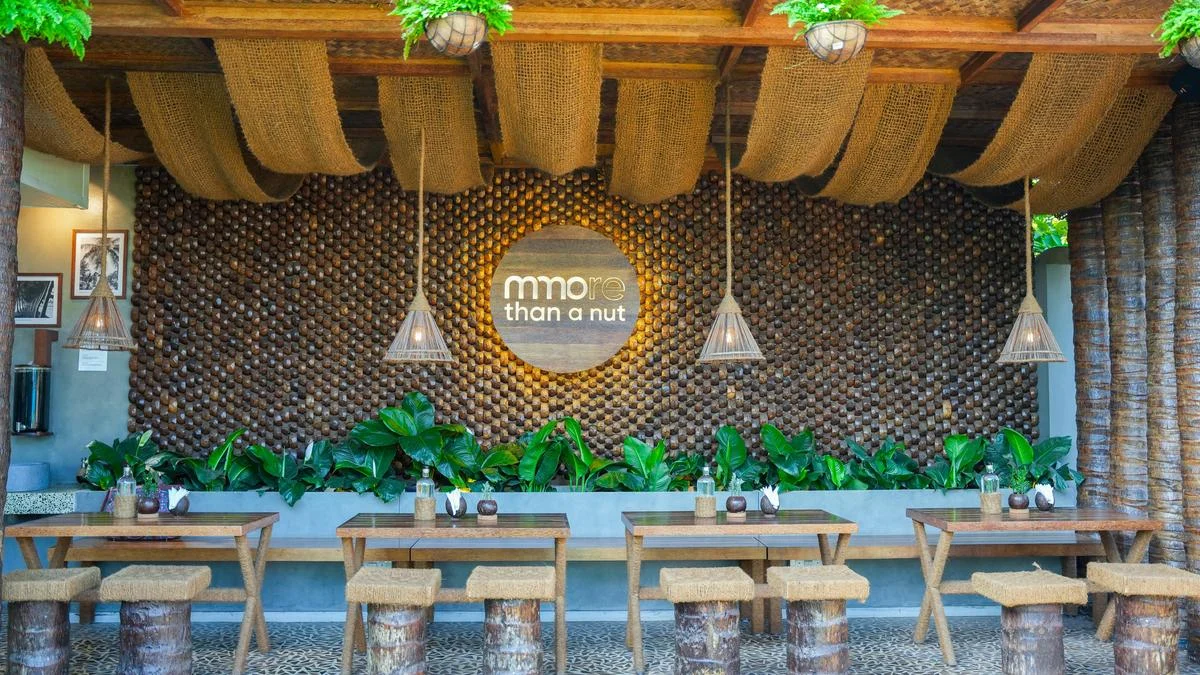
ALUVA, KERALA – In the bustling outskirts of Kochi, near the Rajagiri Hospital in Aluva, stands a structure that defies the conventional definitions of contemporary architecture and culinary design. At first glance, "MMore Than A Nut" might appear to be another boutique cafe catering to the modern penchant for aesthetic interiors and artisanal beverages. However, to label it a mere coffee shop is to fundamentally misunderstand the vision of its founder, Ubais Ali.
This establishment is a living manifesto for the coconut tree—the Kalpavriksham, or "wish-fulfilling tree." From the floor beneath one’s feet to the lampshades overhead, and from the menu’s dairy-free hot chocolate to the very dustbins in the corner, every element of the cafe is derived from the coconut tree. It is a bold experiment in sustainability, value-added agriculture, and cultural reclamation.
Main Facts: A Holistic Ecosystem of Coconut Innovation
"MMore Than A Nut" serves as the experiential flagship for Mezhukkattil Mills Originals (MMO), a brand that has spent decades refining the science of coconut processing. The cafe is strategically positioned outside the company’s massive processing facility, functioning as both a retail outlet and a proof-of-concept for the versatility of the coconut.
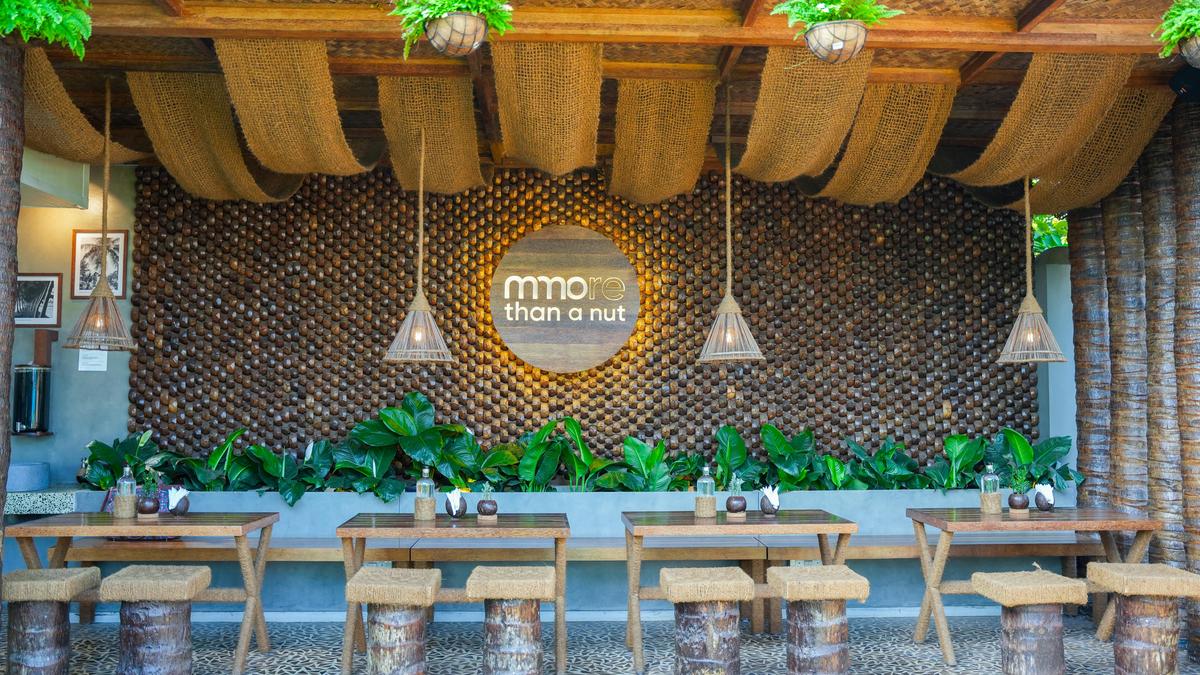
The cafe’s interior is a masterclass in bio-material utility. The tables and benches are crafted from coconut wood, a material often overlooked in favor of more traditional hardwoods like teak or mahogany. The walls feature cladding made from coconut shells, and the flooring utilizes a unique mosaic technique where fragments of coconut shell are embedded to create a durable, aesthetically striking surface reminiscent of traditional terrazzo.
The culinary offerings further push the boundaries. Eschewing the standard reliance on wheat flour and dairy, the cafe’s kitchen—located in a specialized R&D unit on the second floor of the adjacent factory—produces a range of "travel cakes," cookies, and confections where coconut flour and milk are the primary ingredients. The beverage menu replaces cow’s milk with coconut milk and offers specialized drinks like chilled neera (the unfermented sap of the coconut flower) and smoothies that blend tender coconut pulp with tropical fruits.
Chronology: From 1976 Oil Mill to 21st-Century Innovator
The story of "MMore Than A Nut" is inextricably linked to the history of Mezhukkattil Mills, a cornerstone of the regional agricultural economy for nearly half a century.
- 1976: The Foundation: The journey began when Ubais Ali’s father established Mezhukkattil Mills. For decades, the facility functioned as a traditional oil mill, focusing on the extraction and wholesale of coconut oil—a staple of the Keralite kitchen and economy.
- The Transition Era: As the global market shifted, the mill began to look beyond simple extraction. The company moved into the export market, providing high-quality coconut products to international buyers. This period saw the mill transition from a local unit into a sophisticated factory-like enterprise.
- The R&D Pivot: Recognizing that the "commodity trap" limited the potential of the coconut, the younger generation, led by Ubais Ali, began investing heavily in Research and Development. They sought to deconstruct the coconut into its constituent parts—husk, shell, water, meat, and sap—to create high-value products.
- The Launch of MMO and the Cafe: The culmination of this R&D was the birth of the MMO brand. To showcase these innovations to a public that had grown to take the coconut for granted, Ubais Ali envisioned a space where people could touch, see, and taste the tree’s potential. "MMore Than A Nut" was thus established as the physical embodiment of this decades-long evolution.
Supporting Data: The Science of Value Addition
The economic logic behind "MMore Than A Nut" is supported by the sheer variety of products the facility now generates. By moving away from a mono-product focus (oil), Mezhukkattil Mills has insulated itself against price fluctuations in the copra market while maximizing the utility of every nut sourced from Kerala’s farmers.
The store’s inventory includes:

- Edibles: Virgin coconut oil, coconut milk powder, desiccated coconut, coconut butter, cooking pastes, coconut vinegar, and specialized coconut flour.
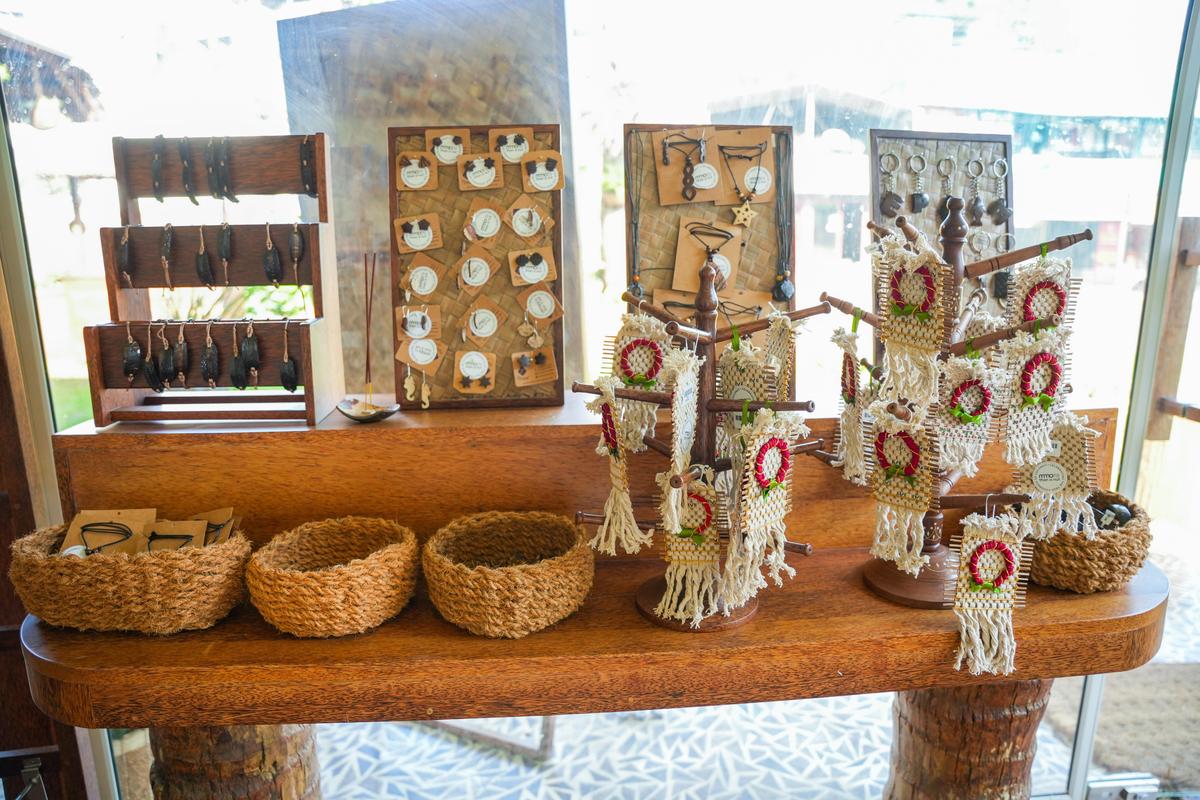
- Home & Lifestyle: Coconut wood tiles for flooring and walls, mats made from coconut fiber (coir), and utensils carved from polished shells.
- The Bakery Innovation: The "travel cakes"—designed to last several days without refrigeration—utilize the moisture-retaining properties of coconut. These include combinations such as coconut-banana and banana-coconut-chocolate, where coconut flour provides a gluten-free or low-gluten alternative to traditional baking.
The company’s commitment to innovation has not gone unnoticed. Mezhukkattil Mills has received multiple awards from the Government of India and various agricultural boards for its excellence in product development and sustainable packaging design. These accolades underscore the technical rigor behind what might otherwise be seen as a simple lifestyle cafe.
Official Responses: The Visionary’s Perspective
Ubais Ali, the driving force behind the brand, speaks with a passion that borders on the evangelical when discussing the coconut. For him, the cafe is a tool for advocacy.
"We see a lot of content about raisins and almonds from other countries," Ali notes, pointing to the global marketing machines that have turned Mediterranean and Californian nuts into "superfoods" found in every Indian household. "How about we push our produce? Like coconuts, in this case. We need to give the coconut its due… especially for those of us from Kerala."
Ali argues that the coconut has been undervalued precisely because of its ubiquity. "It is not without reason that the coconut tree is referred to as the Kalpavriksham," he says. "Every part of it has a use, but we have stopped seeing the potential. With this cafe, we want to showcase the potential of coconuts and what can be done with them apart from the regular uses."
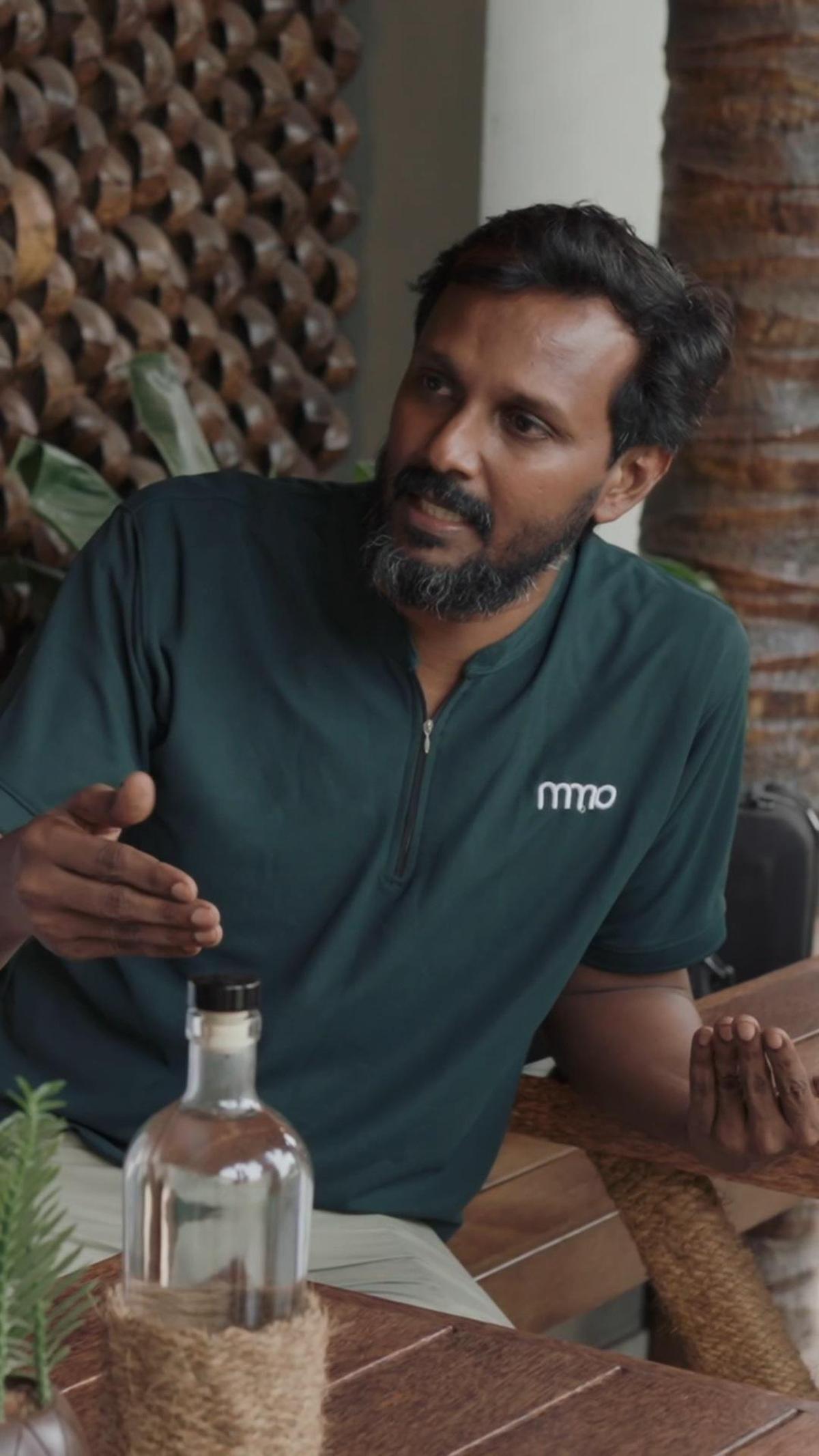
Regarding the culinary trials, Ali explains that the process was far from simple. Replacing dairy and wheat with coconut-based alternatives required extensive fine-tuning in their dedicated kitchen unit. "We researched how coconut could be used in various recipes and the combinations that would work. We wanted to ensure that the health benefits did not come at the cost of flavor."
Implications: Economics, Sustainability, and Health
The success of "MMore Than A Nut" carries significant implications for the future of agriculture and sustainable design in India.
1. Economic Empowerment for the Agrarian Sector
By creating a high-end market for coconut-based products, MMO provides a more stable and lucrative demand for local farmers. When a coconut is viewed not just as a source of oil but as a source of furniture, gourmet food, and architectural materials, its "value-per-unit" increases exponentially. This model offers a blueprint for other regional crops across India.
2. Sustainability and the Circular Economy
The construction of the cafe demonstrates a "zero-waste" philosophy. In traditional processing, shells and husks are often treated as industrial waste or low-value fuel. By converting these byproducts into high-end flooring, cladding, and homeware, Ali is showcasing a circular economy in action. Coconut wood, specifically, is a sustainable alternative to slow-growing hardwoods, as coconut trees are often replaced once they pass their peak fruit-bearing years.
3. The Health and Wellness Shift
As global dietary trends lean toward plant-based and gluten-free diets, the coconut is perfectly positioned for a resurgence. The cafe’s use of neera is particularly noteworthy. Neera is rich in vitamins and minerals and has a low glycemic index, yet it has historically been neglected due to its tendency to ferment quickly into toddy. MMO’s ability to collect, chill, and serve fresh neera represents a technological triumph that brings a traditional health drink into the modern urban palate.
4. Cultural Identity
For Kerala, a state whose very name is derived from Kera (the coconut palm), the tree is a cultural icon. However, modernization often leads to a distancing from traditional symbols. "MMore Than A Nut" recontextualizes the coconut for the "Instagram generation," proving that traditional materials can be modern, sleek, and sophisticated.
Conclusion: More Than Just a Name
As the sun sets over the Aluva facility, the garden lights—also made of coconut components—flicker on, casting a warm glow over a cafe that is doing much more than selling coffee. Ubais Ali and Mezhukkattil Mills are engaged in a project of "re-branding" a gift of nature.
"MMore Than A Nut" is a reminder that innovation does not always require the invention of new materials; sometimes, it simply requires a new way of looking at what has been standing in our backyards for centuries. In the heart of Kerala, the Kalpavriksham is finally fulfilling a new set of modern wishes: sustainability, health, and economic pride.
