

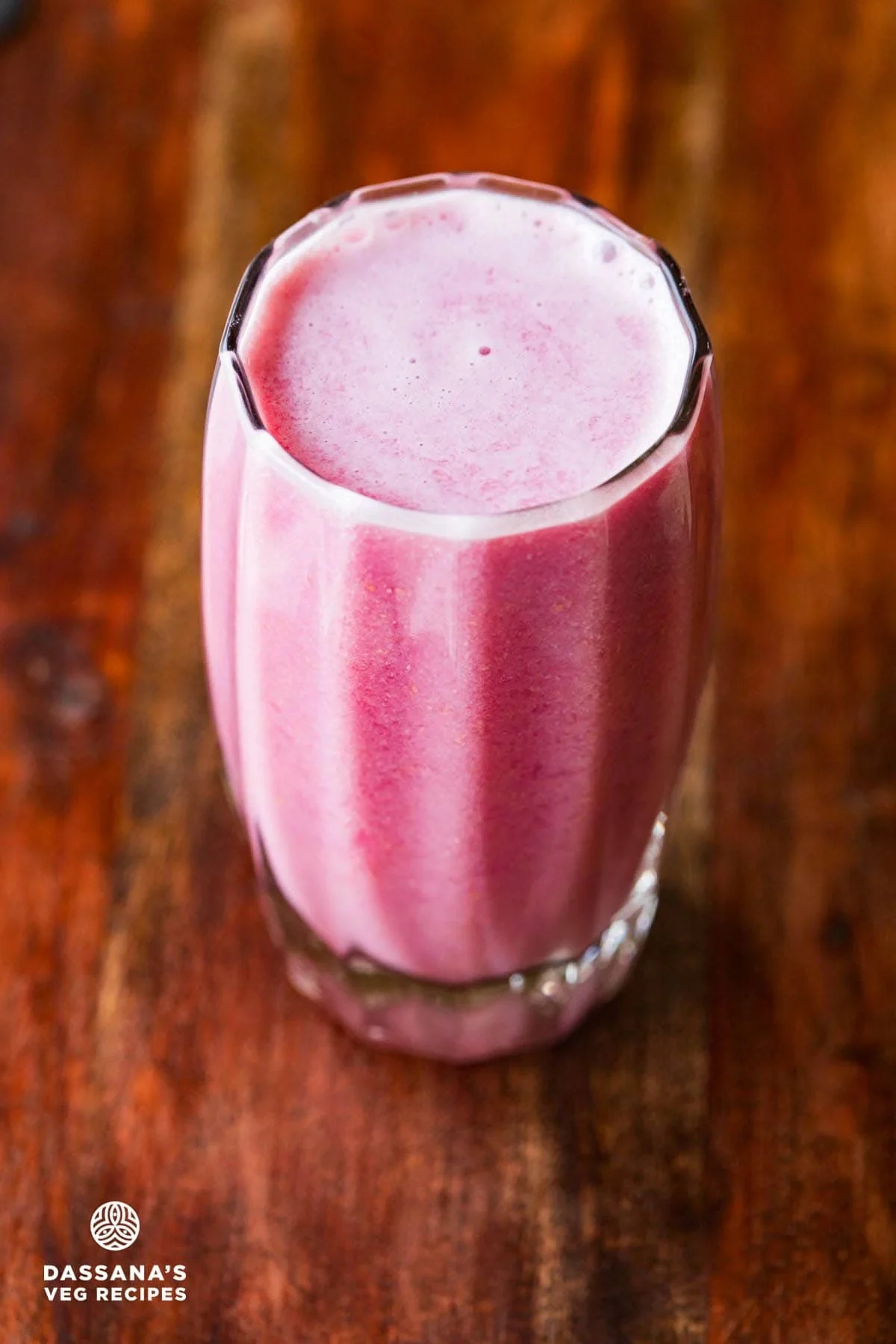
In an era increasingly defined by the "clean label" movement and a heightened consumer focus on functional beverages, the humble pomegranate has re-emerged as a cornerstone of the modern wellness diet. Known in various cultures—most notably in India as "Anar"—the pomegranate is no longer just a seasonal delicacy but a primary subject of interest for nutritionists and culinary enthusiasts alike. As processed, store-bought juices face scrutiny for high sugar content and the loss of volatile nutrients during pasteurization, the shift toward homemade pomegranate juice represents a broader return to artisanal, health-conscious food preparation.
The process of creating fresh pomegranate juice at home is both an art and a science, requiring a nuanced understanding of the fruit’s anatomy and the mechanical pressures required to extract its essence without compromising flavor. This report examines the technical methodologies of extraction, the rigorous nutritional data supporting its consumption, and the wider implications of the DIY juicing trend on public health.

Main Facts: The Rise of the Pomegranate in Functional Nutrition
Pomegranate juice is a naturally sweet, slightly tart liquid extracted from the fruit’s arils—the translucent, ruby-red sacs surrounding the seeds. Unlike commercial variants, which often incorporate fillers, preservatives, or added sugars, homemade pomegranate juice relies entirely on the fruit’s inherent brix (sugar content) and acidity.
The Varietal Spectrum
A common misconception among consumers is that a pomegranate’s quality is determined by the redness of its skin. However, experts note that skin and aril colors vary significantly between cultivars. Varieties range from pale pink to deep, bruised ruby. These variations do not necessarily indicate ripeness; some of the sweetest pomegranates feature pale arils. The primary indicator of juice yield is the fruit’s weight-to-size ratio; a heavier fruit indicates a higher concentration of juice-filled arils.

The Mechanical Challenge
The central challenge in pomegranate juice production is the extraction of the arils without incorporating the white pith (mesocarp) or the bitter seeds (exocarp). The pith contains high levels of tannins, which, if juiced, can render the liquid unpalatable. Consequently, the method of preparation is critical to the final product’s sensory profile.
Chronology: The Technical Process of Extraction and Refinement
The journey from whole fruit to a chilled glass of juice involves several distinct phases, each requiring precision to ensure maximum yield and minimum waste.

Phase 1: Preparation and the "Water-Immersion" Technique
To begin, the fruit must be thoroughly rinsed to remove any agricultural residues. The traditional method of cutting a pomegranate often results in significant staining due to the fruit’s high anthocyanin content. To mitigate this, culinary experts advocate for the "underwater method."
- Initial Incision: A thin slice is removed from the crown (top) of the fruit.
- Sectioning: The skin is scored into four to six sections.
- Submersion: The fruit is placed in a large bowl of water. By breaking the fruit apart underwater, the arils naturally sink to the bottom while the lighter, air-filled white pith floats to the surface. This allows for a clean separation without the mess of spraying juice.
- Draining: The cleaned arils are then strained and dried, ready for mechanical processing.
Phase 2: Mechanical Extraction Methods
There are two primary schools of thought regarding home extraction: the use of a high-speed blender versus an electric juicer.

- The Blender Approach: This method is accessible to most households. The arils are placed in the blender and "pulsed" rather than blended continuously. The objective is to rupture the juice sacs without crushing the hard seeds. Over-blending leads to a "gritty" texture and a bitter aftertaste. Once pulsed, the mixture is passed through a fine-mesh strainer, where manual pressure is applied with a spoon to ensure every drop is salvaged.
- The Electric Juicer Approach: Modern slow juicers or centrifugal juicers are more efficient at separating the liquid from the solids. The arils are fed through a tube, and the machine applies consistent pressure. This method generally results in a clearer juice with less sediment, though it requires more specialized equipment.
Supporting Data: A Quantitative Analysis of Nutritional Value
The nutritional profile of fresh pomegranate juice is remarkably dense, making it one of the most nutrient-efficient beverages available. Based on a standard two-serving yield (approximately 234 kcal), the juice provides a complex array of macronutrients and micronutrients.
Macronutrient Breakdown
- Carbohydrates: 53g (primarily from natural fructose and glucose).
- Dietary Fiber: 11g (when some pulp is retained, which is significantly higher than most filtered juices).
- Protein: 5g.
- Total Fats: 3g (largely from the heart-healthy oils found in the seeds).
Micronutrient Density and Daily Value (DV)
The juice is particularly rich in Potassium (666mg), which is essential for cardiovascular health and blood pressure regulation. Its Vitamin C content (29mg) provides a substantial boost to the immune system, while Vitamin K (46µg) plays a vital role in bone metabolism and blood clotting. Furthermore, the presence of Folate (107µg) makes it an excellent choice for prenatal nutrition.

The Role of Polyphenols
Beyond standard vitamins, pomegranates are famous for their polyphenol content, specifically punicalagins and anthocyanins. These compounds act as potent antioxidants. Clinical studies have suggested that the antioxidant activity in pomegranate juice is three times higher than that of red wine or green tea, contributing to reduced oxidative stress and inflammation in the body.
Official Responses: Expert Insights and Dietetic Perspectives
Dietitians and food scientists have long advocated for homemade fruit juices over their shelf-stable counterparts. We analyzed common expert stances on the consumption of fresh pomegranate juice.

The Glycemic Argument
While pomegranate juice is high in natural sugars (39g per serving), nutritionists point out that the presence of 11g of fiber helps to modulate the glycemic response. "When you make juice at home and leave a small amount of the pulp, you are consuming a whole-food product," says one clinical nutritionist. "This prevents the rapid insulin spikes often associated with ‘clear’ commercial juices that have been stripped of all structural plant material."
The "Cold-Pressed" Advantage
Food scientists emphasize that the heat used in commercial pasteurization can degrade Vitamin C and certain delicate enzymes. By juicing at home and consuming the product immediately, the consumer ensures they are receiving the "live" enzymatic profile of the fruit. Experts recommend consuming the juice within 24 hours of extraction or freezing it into cubes to preserve its integrity.

Storage and Safety
Official food safety guidelines suggest that because homemade juice lacks preservatives, it is highly susceptible to fermentation and bacterial growth if left at room temperature. Refrigeration in glass containers is mandatory for short-term storage, while freezing is the only viable option for long-term preservation.
Implications: The Future of the DIY Wellness Movement
The resurgence of homemade pomegranate juice is indicative of a larger shift in global consumer behavior. There are three primary implications of this trend:

1. The Decentralization of Health
As information regarding the benefits of "superfoods" becomes more accessible via digital platforms, consumers are taking health into their own hands. The "DIY" approach to juicing allows individuals to bypass the industrial food complex, ensuring that their beverages are free from hidden additives like corn syrup, dyes, or synthetic vitamins.
2. Environmental Sustainability
Home juicing contributes to a reduction in single-use plastic waste. By purchasing whole fruits—often from local markets—consumers eliminate the need for the plastic bottles and tetra-paks associated with the commercial juice industry. Additionally, the leftover pomegranate rinds and seed pulp are highly compostable, closing the loop on food waste.

3. Economic and Culinary Empowerment
While pomegranates can be expensive depending on the season, the cost-per-ounce of homemade juice is often lower than high-end, organic "cold-pressed" brands found in specialty stores. Moreover, the process empowers the home cook to experiment, using pomegranate juice as a base for smoothies, marinades, or reductions, thereby elevating the domestic culinary experience.
Conclusion
Fresh pomegranate juice stands as a testament to the power of simple, unprocessed ingredients. Through the meticulous application of extraction techniques—such as the water-immersion method—and an appreciation for the fruit’s complex nutritional profile, individuals can produce a beverage that is as beneficial to the body as it is pleasing to the palate. As the world moves toward a more transparent and health-oriented food future, the pomegranate remains an enduring symbol of vitality and natural abundance.
