

Introduction: The Minimalist Masterpiece of Luso-Asian Cuisine
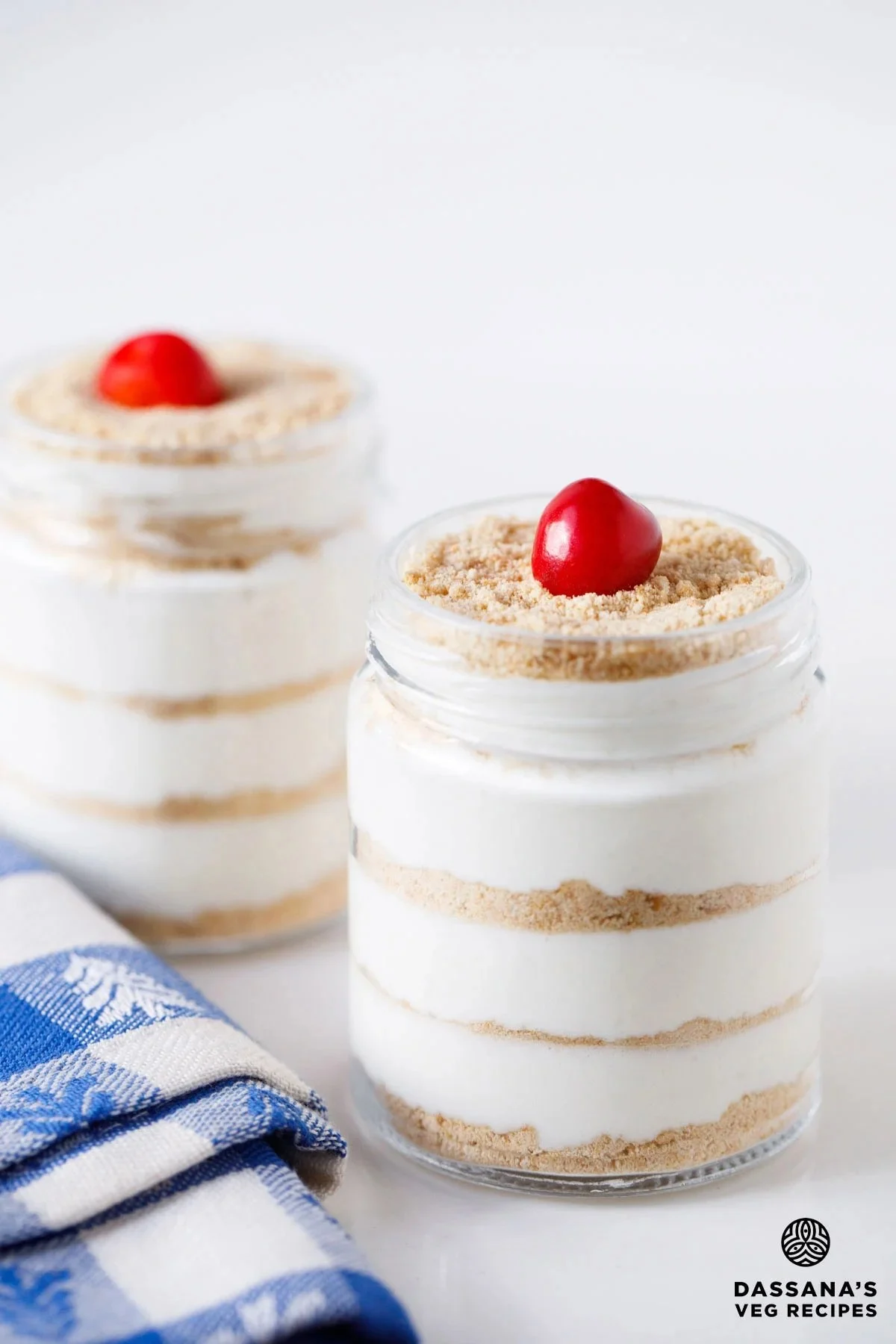
In the pantheon of global desserts, few dishes manage to achieve the delicate balance of textural complexity and ingredient simplicity as effectively as Serradura. Often referred to as "Portuguese Sawdust Pudding," this chilled, no-bake delicacy has transcended its humble origins in the Iberian Peninsula to become a cornerstone of the culinary identities of Macau and Goa. At its core, Serradura is an exercise in restraint, utilizing only three primary components: heavy whipping cream, sweetened condensed milk, and finely crushed Marie biscuits.
The name "Serradura" translates literally from Portuguese to "sawdust," a whimsical nod to the appearance of the pulverized biscuit crumbs that are layered between clouds of sweetened cream. Despite its unassuming name, the dessert represents a significant chapter in the history of colonial culinary exchange, illustrating how simple European techniques were adapted and embraced across the Lusophone world. Today, as home cooks and professional chefs alike seek efficient yet high-quality dessert solutions, Serradura is experiencing a resurgence, celebrated for its "no-bake" convenience and its sophisticated, melt-in-the-mouth profile.

Chronology: The Journey of the "Sawdust" Pudding
The history of Serradura is inextricably linked to the Portuguese Age of Discovery and the subsequent establishment of maritime trade routes. While the exact date of the dessert’s invention remains a subject of culinary debate, its trajectory follows the expansion of the Portuguese Empire.
The Iberian Roots
In Portugal, the use of dairy and biscuits in layered puddings has long been a domestic tradition. The 19th and early 20th centuries saw the rise of the "Marie biscuit" (or Bolacha Maria), which, although of British origin—created in London in 1874 to commemorate the marriage of the Grand Duchess Maria Alexandrovna of Russia to the Duke of Edinburgh—became an indispensable staple in Portuguese pantries. The affordability and long shelf life of these biscuits made them the perfect candidate for a dessert that required no oven.

Transmission to Macau
The dessert found a second, perhaps more prominent home in Macau, a Portuguese territory until 1999. In the humid, subtropical climate of the South China Sea, a chilled, creamy pudding offered a refreshing respite. Macanese chefs refined the layering technique, often serving it in elegant glassware to showcase the distinct contrast between the white cream and the sandy "sawdust." It remains one of Macau’s most iconic sweet treats, sold in everything from high-end hotels to street-side stalls in the historic Senado Square.
The Goan Adaptation
Simultaneously, Serradura traveled to the Indian state of Goa, another former Portuguese colony. In Goa, the dessert was integrated into the local Catholic community’s festive menus. It became a staple at weddings, Christmas feasts, and in the "café culture" of Panjim and Margao. The Goan version often remains truest to the three-ingredient minimalist form, though modern iterations may occasionally incorporate local flavors like cardamom or a splash of cashew feni for a contemporary twist.

Supporting Data: The Science of Texture and Fat Content
The success of a Serradura rests not on complex cooking techniques, but on the physical properties of its ingredients and the precision of its assembly.
The Role of Lipid Concentration
Professional pastry chefs emphasize that the choice of cream is the most critical variable in the recipe. For a stable Serradura, a cream with a minimum of 35% milk fat (heavy cream or whipping cream) is required. This high fat content allows for the creation of a stable matrix of air bubbles during the whipping process. Creams with lower fat percentages often fail to reach the "medium-stiff peak" stage necessary to support the weight of the biscuit layers, resulting in a dessert that collapses or becomes unpleasantly runny as it sits.

Nutritional Profile and Caloric Density
Based on a standard serving size, Serradura is a calorie-dense indulgence. A single portion (approximately one-fourth of a standard recipe) contains:
- Calories: 508 kcal
- Total Fat: 34g (of which 20g are saturated)
- Carbohydrates: 46g
- Sugar: 27g
- Protein: 7g
The high caloric value is attributed primarily to the combination of heavy cream and condensed milk. However, the dessert also provides notable amounts of Vitamin A (1190 IU) and Calcium (163 mg), owing to its concentrated dairy base.

The "Softening" Phenomenon
A unique characteristic of Serradura is the transformation it undergoes during the 4-to-5-hour refrigeration period. The moisture from the whipped cream is gradually absorbed by the "sawdust" biscuit layers. This does not make the biscuits soggy; rather, it transforms them into a soft, cake-like consistency that contrasts beautifully with the airy lightness of the cream.
Official Responses: Perspectives from the Culinary Industry
Culinary historians and professional chefs view Serradura as a prime example of "functional minimalism."

"Serradura is a testament to the brilliance of home-style Portuguese cooking," says Maria Gonçalves, a Lisbon-based culinary consultant. "It takes three shelf-stable or readily available ingredients and uses mechanical action—whipping—to create a luxury texture. It is a democratization of the mousse."
In Macau, tourism officials have long recognized the dessert as a cultural asset. "Food is a vital part of Macau’s UNESCO Creative City of Gastronomy designation," a representative noted in a recent hospitality forum. "Serradura represents the fusion of East and West. It is simple, accessible, and tells a story of global connection."

Meanwhile, in the burgeoning "no-bake" movement popularized on social media platforms like TikTok and Instagram, Serradura is being hailed as the ultimate "entry-level" gourmet dessert. Influencers and home cooks praise the recipe for its "fail-proof" nature, noting that it provides the aesthetic appeal of a professional parfait with none of the risks associated with baking, such as sinking cakes or burnt crusts.
The Process: A Step-by-Step Technical Guide
To achieve a professional-grade Serradura, one must follow a disciplined sequence of preparation.

Phase I: Mechanical Pulverization
The biscuits must be reduced to a fine, uniform powder. While a food processor is the most efficient tool for achieving the "sawdust" texture, traditionalists argue that crushing them in a zip-top bag with a rolling pin allows for a more "rustic" variation in crumb size. Regardless of the method, the objective is to eliminate large chunks that would disrupt the smoothness of the mouthfeel.
Phase II: Emulsification and Aeration
The cream must be chilled—ideally in a pre-chilled metal bowl—to ensure maximum volume.

- Soft Peaks: Initial whipping introduces air, creating a light, frothy texture.
- Incorporation: Sweetened condensed milk is added. This acts as both the sweetener and a stabilizer.
- Medium-Stiff Peaks: The final whip must be carefully monitored. The cream should hold its shape but retain a glossy finish. Over-whipping beyond this point risks turning the cream into butter, resulting in a grainy, unpleasant texture.
Phase III: Stratification
The layering process is where the visual identity of the Serradura is formed. Starting with a base of biscuit crumbs provides a sturdy foundation. The layers should be leveled gently with the back of a spoon to ensure clean lines, particularly if the dessert is being served in clear glass vessels. The final layer must always be the "sawdust" to justify the dish’s name.
Implications: The Future of Traditional Desserts in a Modern Kitchen
The enduring popularity of Serradura carries several implications for the future of the global food industry.

The Rise of "Minimalist Gourmet"
As consumer lifestyles become increasingly fast-paced, there is a growing demand for "high-reward, low-effort" recipes. Serradura fits this niche perfectly. It requires no specialized equipment beyond a hand mixer and no heat, making it an environmentally friendly "green" dessert that saves on energy costs.
Cultural Preservation through Gastronomy
Serradura serves as a "living artifact" of Luso-Asian history. By continuing to serve this dessert, restaurants in Macau and Goa are preserving a specific colonial heritage that might otherwise be lost to the homogenization of global food chains. It encourages a form of "gastrotourism," where travelers seek out the most authentic version of the "Sawdust Pudding" in the narrow alleys of Old Goa or the Taipa Village in Macau.

Dietary Adaptations
Looking forward, the Serradura template is ripe for innovation. We are already seeing the emergence of:
- Vegan Alternatives: Utilizing coconut cream and condensed coconut milk.
- Gluten-Free Variants: Employing almond-based or gluten-free tea biscuits.
- Flavor Infusions: Incorporating matcha, espresso, or fruit purées into the cream layers to appeal to a younger, more adventurous palate.
Conclusion
Serradura is far more than a simple three-ingredient pudding. It is a culinary bridge between continents, a masterclass in texture, and a symbol of how the most basic ingredients can be transformed through technique into something sublime. Whether enjoyed in a high-end Macanese restaurant or prepared in a quiet kitchen in Goa, the "Portuguese Sawdust Pudding" remains a timeless reminder that in the world of gastronomy, simplicity is often the ultimate sophistication. As it continues to set in refrigerators across the globe, Serradura’s legacy as a premier no-bake dessert is firmly established, promising a sweet, creamy, and slightly "dusty" experience for generations to come.
