

The Indian automotive landscape is currently undergoing a seismic shift, transitioning from a market defined by basic mobility to one driven by sophisticated technology, diverse powertrains, and aspirational design. In the center of this transformation stands Renault. No longer content with being a niche player known primarily for the Kwid and the original Duster, the French automaker has unveiled a comprehensive, multi-layered strategy aimed at capturing a significant share of the world’s third-largest auto market.
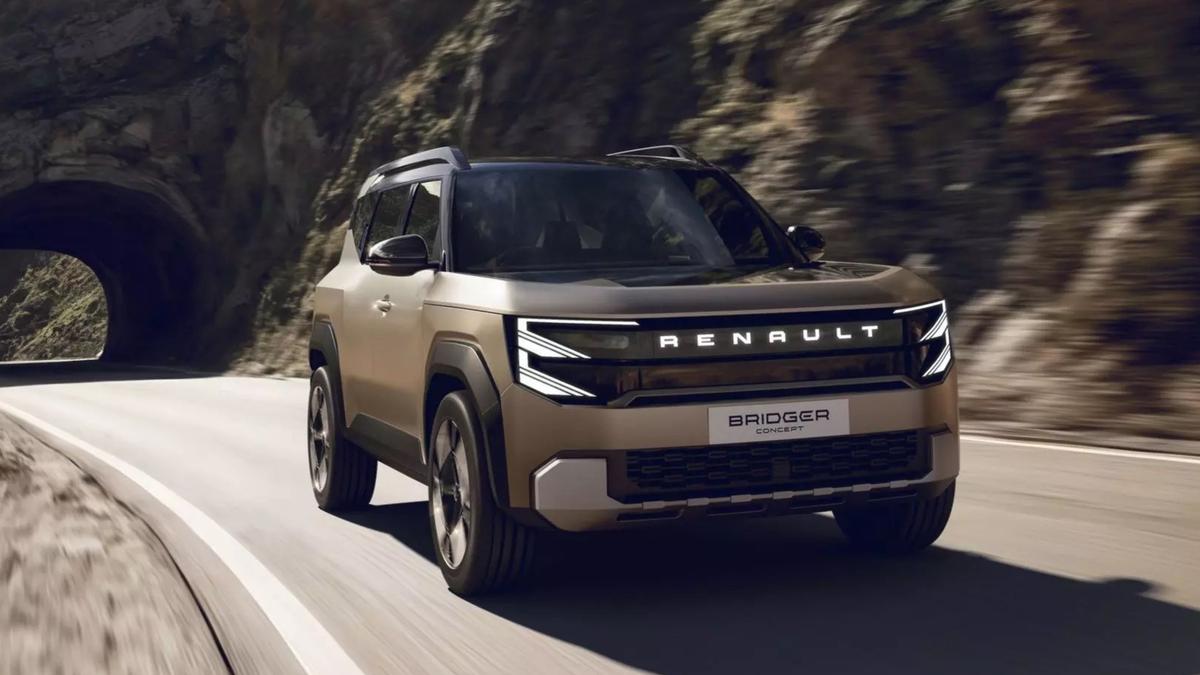
At the heart of this "Renaulution" is the Renault Bridger Concept—a vehicle that serves as more than just a design study; it is a declaration of intent. Positioned within the hyper-competitive B-SUV segment, the Bridger represents the next phase of Renault’s evolution in India, underpinned by a sophisticated dual-platform strategy and a commitment to making India a global hub for engineering and exports.
Main Facts: A Seven-Model Roadmap
Renault Group has officially outlined a roadmap that will see its Indian portfolio expand to seven models by 2030. This represents the most aggressive product offensive the brand has undertaken in the country since its inception. The strategy is built upon three primary pillars:
- The Dual-Platform Approach: Renault will utilize two distinct architectures—the Renault Group Modular Platform (RGMP) for mid-tier and premium offerings, and the Renault Group Entry Platform (RGEP) for volume-driven, accessible vehicles.
- Multi-Energy Capability: Recognizing that the Indian market will see a prolonged coexistence of Internal Combustion Engines (ICE), Strong Hybrids, and Battery Electric Vehicles (BEVs), the new RGMP platform is engineered to support all three, alongside flex-fuel and CNG options.
- Global Integration: India is being elevated to one of Renault’s top three global markets. The company expects the Indian operations to contribute nearly 35% of its global sales in the near future, transforming the Chennai facility into a critical export and development base.
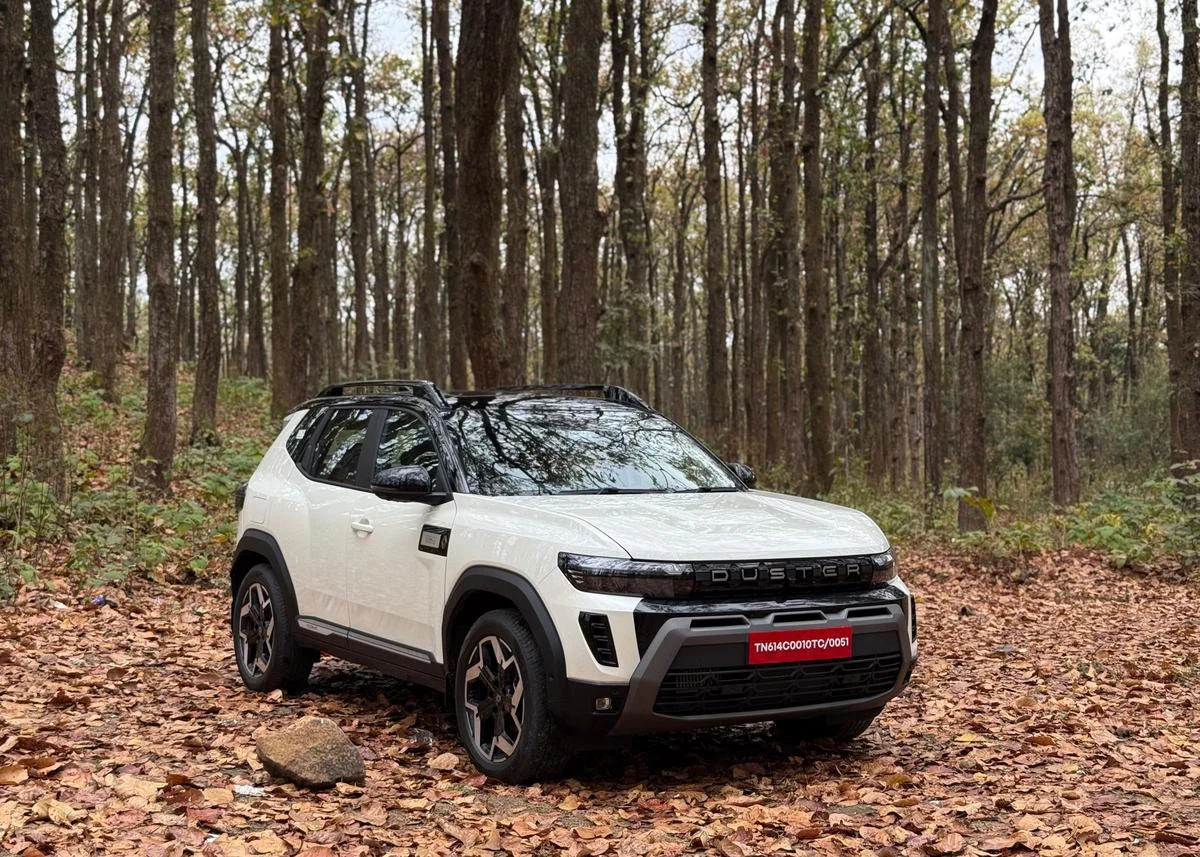
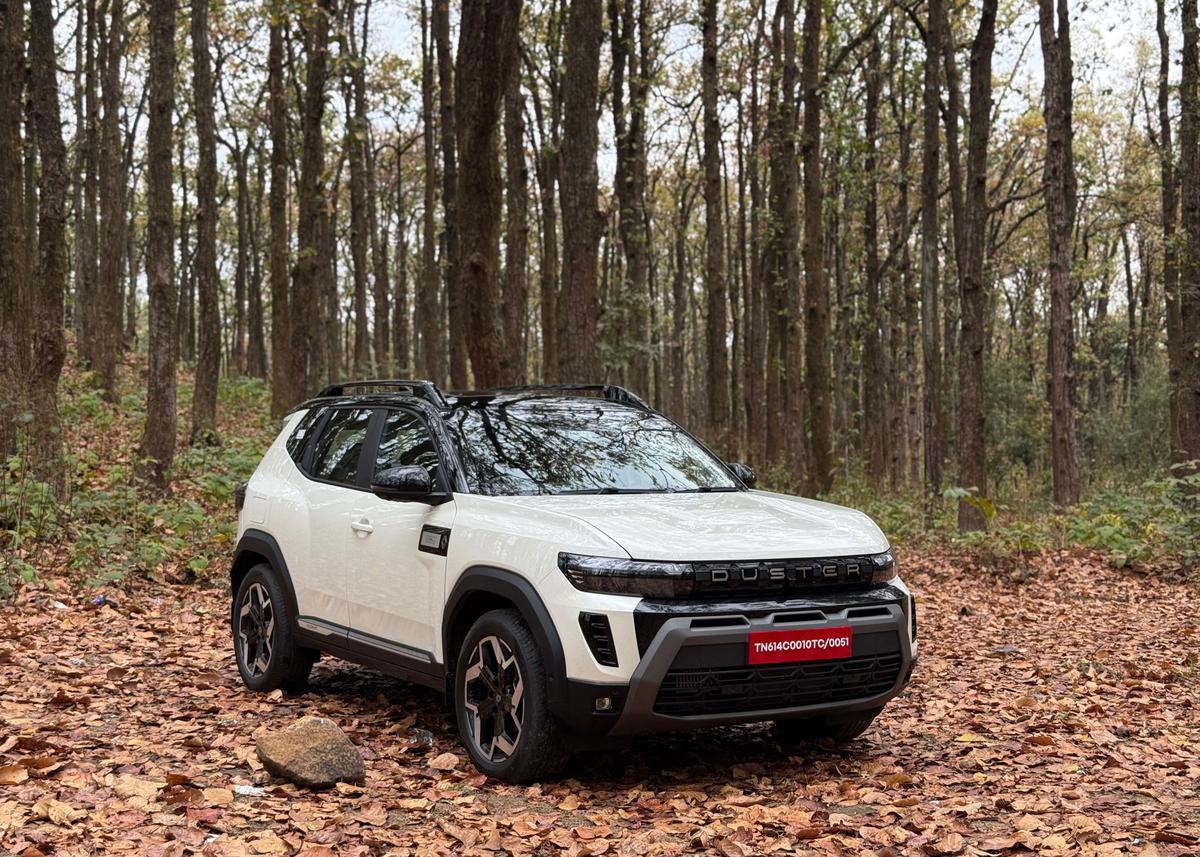
The Bridger Concept is the second vehicle slated for the RGMP architecture, following the all-new Renault Duster, which has already set the stage for this new era.
Chronology: From the New Duster to the 2030 Vision
The timeline of Renault’s current Indian resurgence can be traced through a series of strategic launches and platform developments.
- The Launch of the All-New Duster: The re-introduction of the Duster nameplate served as the foundational step for the RGMP architecture in India. By launching with turbo-petrol options and preparing a strong hybrid variant for the festive season, Renault signaled its move away from diesel toward a more modern, "multi-energy" future.
- The Unveiling of the Bridger Concept: Following the Duster, the Bridger Concept was introduced to showcase how the RGMP platform could be scaled down into the B-SUV segment. This move targets the heart of the Indian market, where buyers seek the presence of an SUV with the maneuverability of a compact car.
- Current Portfolio Reinforcement: Parallel to the new launches, Renault is updating its existing "Entry Platform" (RGEP) vehicles. The Triber and Kiger are slated for CNG iterations and engine upgrades to maintain their relevance in the value-conscious segments.
- The 2030 Horizon: Between now and the end of the decade, Renault will fill the gaps in its lineup, moving toward a total of seven models. This will include a mix of SUVs, potentially an MPV, and full-electric vehicles derived from the RGMP toolkit.
Supporting Data: Engineering a Flexible Future
The success of Renault’s strategy hinges on the technical prowess of its two platforms. This dual-pronged approach allows the company to balance affordability with cutting-edge technology.
The RGMP (Renault Group Modular Platform)
The RGMP is a "next-generation toolkit" that represents a significant leap over previous architectures. Its primary advantage is its electrical and electronic (E/E) architecture, which supports:
- Advanced Software Integration: Allowing for better infotainment, over-the-air (OTA) updates, and advanced driver assistance systems (ADAS).
- Powertrain Versatility: The platform is "propulsion-agnostic." It can accommodate a traditional petrol engine, a strong hybrid system (like the E-Tech system seen globally), or a full electric drivetrain without requiring a ground-up redesign of the chassis.
- Market Positioning: This platform allows Renault to compete in the midsize and premium B-SUV segments, offering a level of refinement and safety that aligns with global standards.
The RGEP (Renault Group Entry Platform)
While RGMP looks to the future, RGEP remains the "backbone" of Renault’s current volume. It underpins the Triber and Kiger, two models that have kept Renault’s sales charts ticking.
- Cost Optimization: RGEP is designed for maximum localization, keeping price points competitive against domestic giants.
- Evolutionary Updates: Renault is not leaving this platform stagnant. Provisions for CNG and more powerful naturally aspirated engines are being integrated to address consumer feedback regarding performance and running costs.
The Bridger Concept: Design and Dimensions
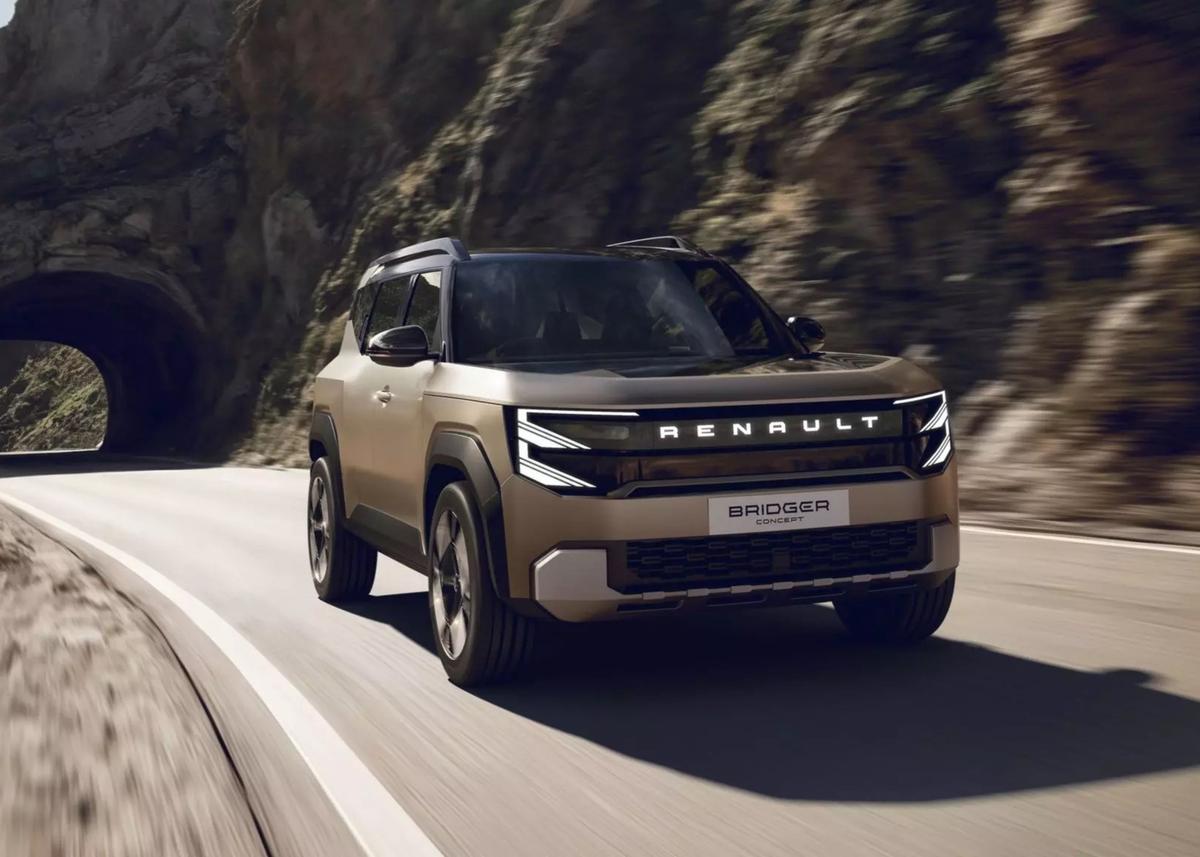
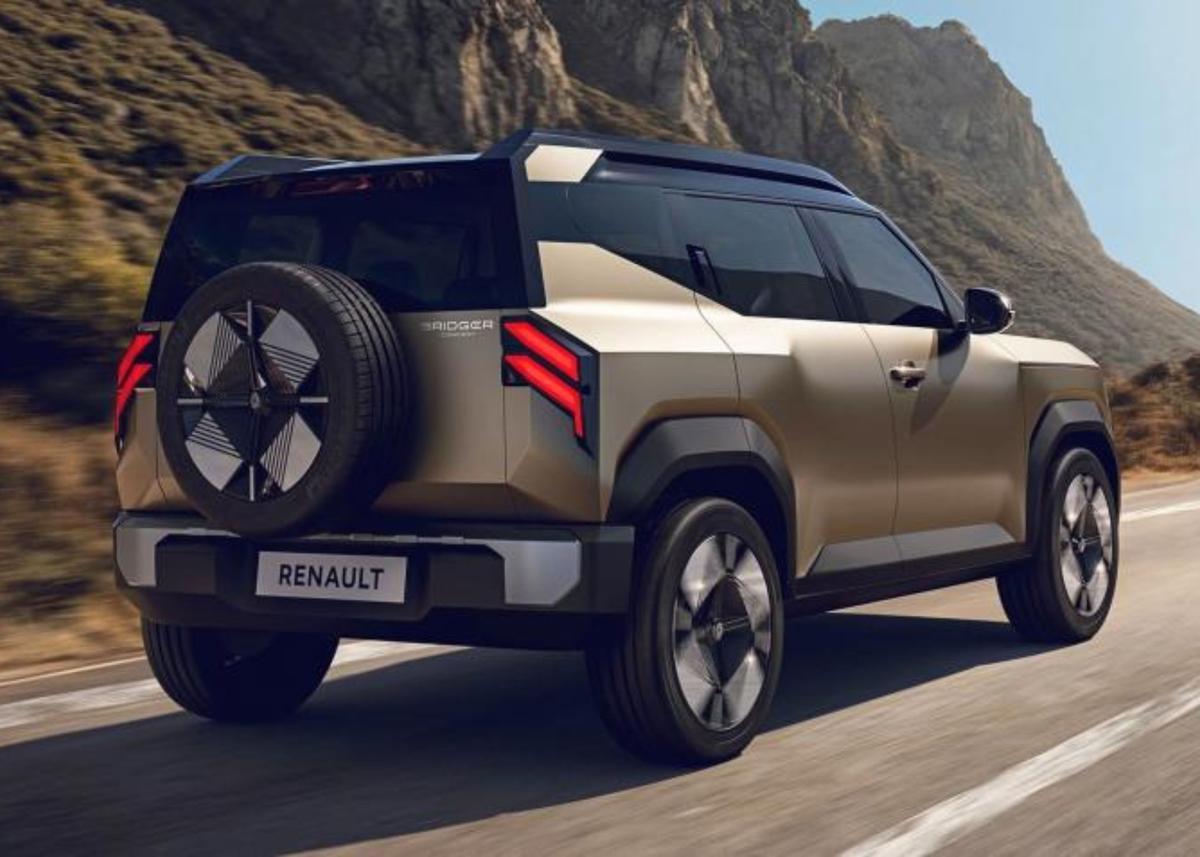
The Bridger Concept itself is a masterclass in "Urban Toughness." In terms of physical presence, the vehicle features an upright nose and squared wheel arches that mimic the utilitarian appeal of classic off-roaders. However, its compact footprint and controlled overhangs are specifically designed for the tight confines of Indian metros like Mumbai, Delhi, and Bangalore. It bridges the gap between a rugged lifestyle vehicle and a practical daily commuter.
Official Responses: A Vision from Chennai
The scale of Renault’s commitment was underscored during recent high-level meetings at the company’s Chennai operations. Leadership, including Francois Provost (CEO of Renault Group) and Stephane Deblaise (CEO of Renault Group India), have emphasized that India is no longer a secondary market for the brand.
According to the executive vision, the Chennai facility—which includes a massive manufacturing plant and a sophisticated engineering center—is central to Renault’s global "International Game Plan 2027." The official stance is that the work being done in India on platforms like the RGMP will eventually feed back into Renault’s global programs.
"The Bridger is designed to be relevant from day one," a company spokesperson noted during the concept reveal. "It is not just about styling; it is about how the vehicle adapts to the evolving expectations of the Indian buyer, who now demands global quality alongside local sensibility."
The company has also addressed the "multi-energy" strategy, stating that while they are bullish on EVs, they recognize the infrastructure realities of India. By engineering the RGMP to handle hybrids and ICE simultaneously, Renault can "pivot on a dime" depending on how government regulations and consumer preferences shift over the next five years.
Implications: Reshaping the Competitive Landscape
Renault’s new strategy has profound implications for the Indian automotive market and the brand’s global standing.
1. Competitive Pressure in the B-SUV Segment
The B-SUV segment is currently the most crowded space in India, featuring heavyweights like the Maruti Suzuki Brezza, Tata Nexon, and Hyundai Venue. By introducing the Bridger (on the RGMP platform), Renault is attempting to out-spec its rivals. If Renault can offer a strong hybrid or a superior E/E architecture at a competitive price, it could disrupt the traditional dominance of Korean and Japanese manufacturers in this space.
2. The End of the "Budget-Only" Tag
For years, Renault was seen as a brand for those looking for "more car for less money." While the Triber and Kwid successfully occupied that space, they limited the brand’s premium appeal. The Duster and the Bridger, backed by the RGMP architecture, represent a shift toward "sophisticated value." Renault is now aiming for a customer base that values engineering depth and safety as much as price.
3. India as an Export Powerhouse
With the RGMP being a global platform, the Indian-made Bridger and Duster are prime candidates for export to other emerging markets in Latin America, Southeast Asia, and Africa. This aligns with the Indian government’s "Make in India" initiative and provides Renault with the economies of scale necessary to keep domestic prices low.
4. Navigating the Energy Transition
By refusing to commit solely to EVs or solely to ICE, Renault is playing a pragmatic game. This "well-judged" approach allows them to capture the current demand for high-efficiency petrol and CNG cars while being ready to flood the market with EVs as soon as the charging infrastructure matures.
Conclusion
The Renault Bridger Concept is the face of a much larger, more complex machinery that is now in motion. Through the synergy of the RGMP and RGEP platforms, a massive seven-model expansion, and a renewed focus on Indian engineering, Renault is positioning itself not just to survive, but to lead in one of the world’s most volatile markets.
From the rugged surfacing of the Bridger to the high-tech hybrid systems of the upcoming Duster, the message from Chennai is clear: Renault is no longer just a participant in the Indian market—it is an architect of its future. As these models roll out between now and 2030, the "Renaulution" will be measured not just in sales figures, but in how it reshapes the expectations of the Indian driver.
