

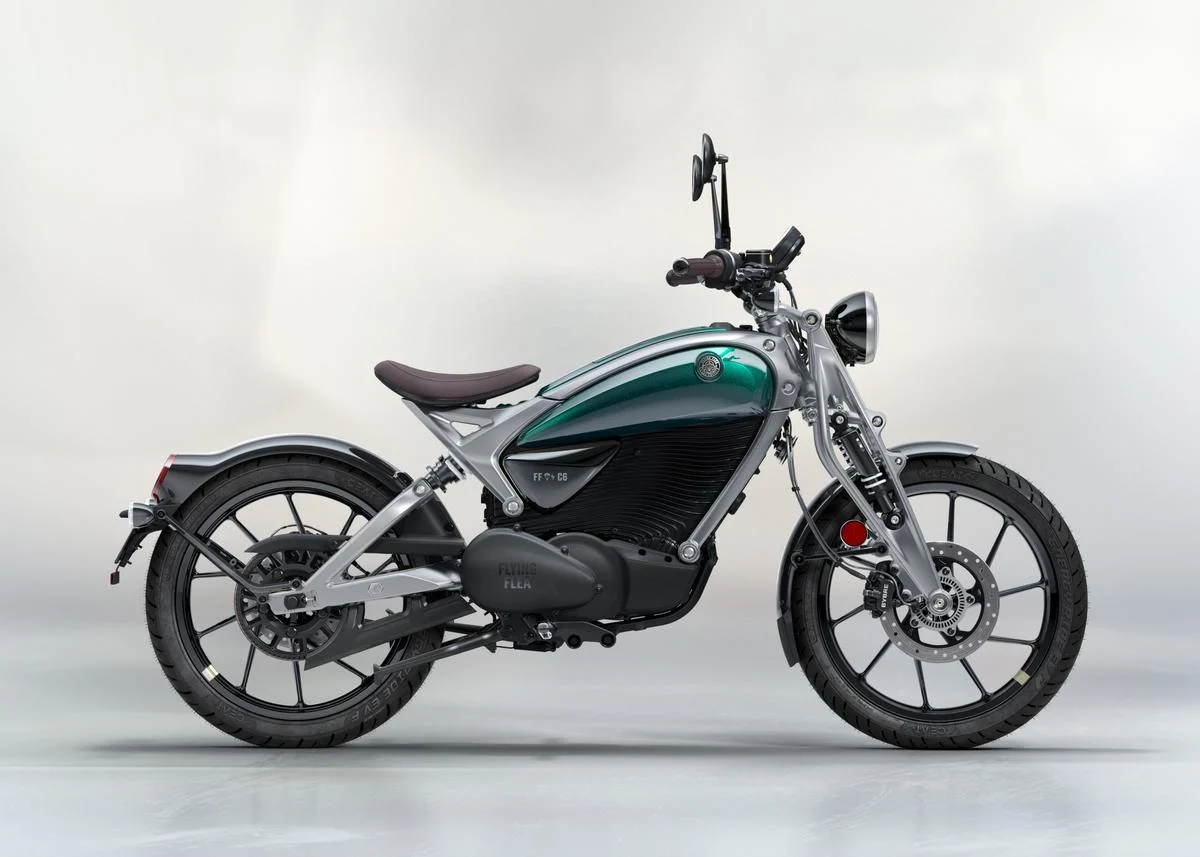
In a move that signals a definitive shift in the landscape of Indian motorcycling, Royal Enfield has officially ventured into the electric vehicle (EV) sector with the launch of the Flying Flea C6. This debut marks the introduction of the "Flying Flea" sub-brand—a dedicated vertical designed to redefine urban mobility through a blend of heritage-inspired aesthetics and cutting-edge electric propulsion. Unlike many manufacturers who adapt existing internal combustion engine (ICE) frames for electric powertrains, Royal Enfield has developed the C6 as a ground-up electric platform, prioritizing lightweight agility, sophisticated connectivity, and a distinct visual language that honors the brand’s storied past.
Main Facts: The Core of the Flying Flea C6
The Flying Flea C6 is positioned not merely as a motorcycle but as a high-tech urban tool. Priced at ₹2.79 lakh (ex-showroom), it targets the premium end of the electric two-wheeler market. However, in a strategic move to lower the barrier to entry, Royal Enfield is offering a "Battery-as-a-Service" (BaaS) model, which brings the initial acquisition cost down to ₹1.99 lakh. This model allows consumers to pay for the battery—the most expensive component of an EV—as a subscription or usage-based cost, effectively decoupling the vehicle’s price from the fluctuating costs of energy storage.
Technical Specifications at a Glance:
- Battery Capacity: 3.91 kWh high-density lithium-ion pack.
- Powertrain: Electric motor producing a peak power of 15.4 kW and a maximum torque of 60 Nm.
- Performance: A top speed of 115 km/h, tailored for urban expressways and city commutes.
- Weight: An exceptionally low kerb weight of 124 kg, achieved through extensive use of forged aluminum and lightweight materials.
- Range Dynamics: Optimized for city use, with regenerative braking systems to maximize energy recovery during frequent stop-and-go traffic.
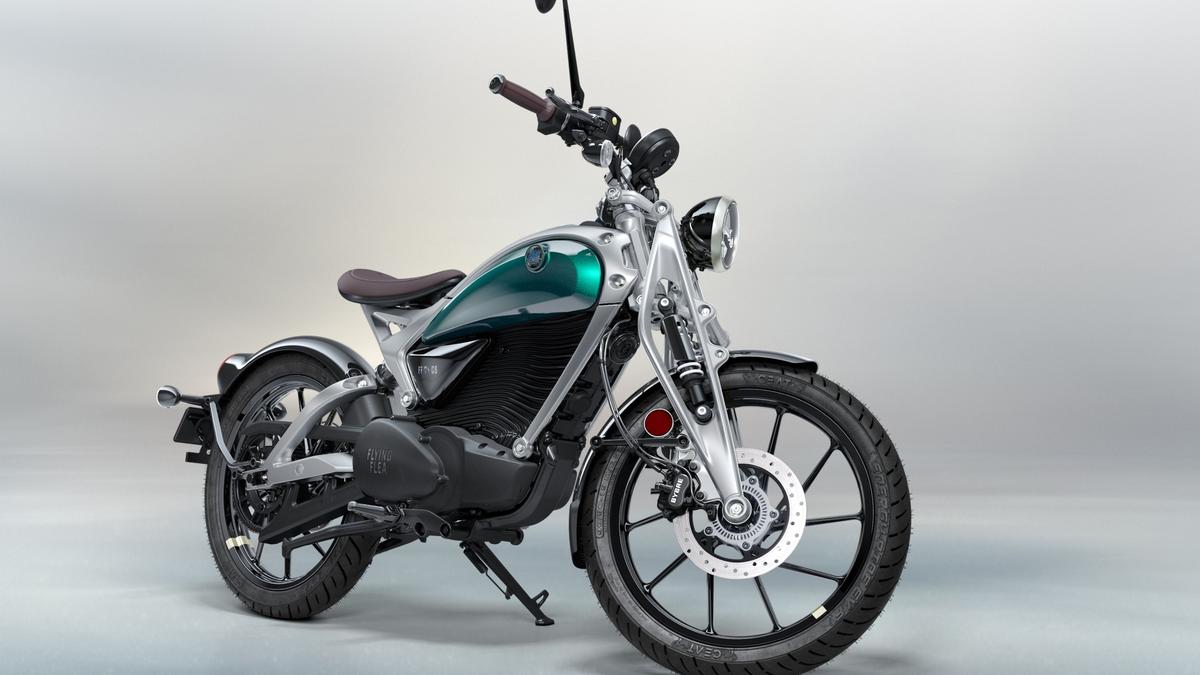
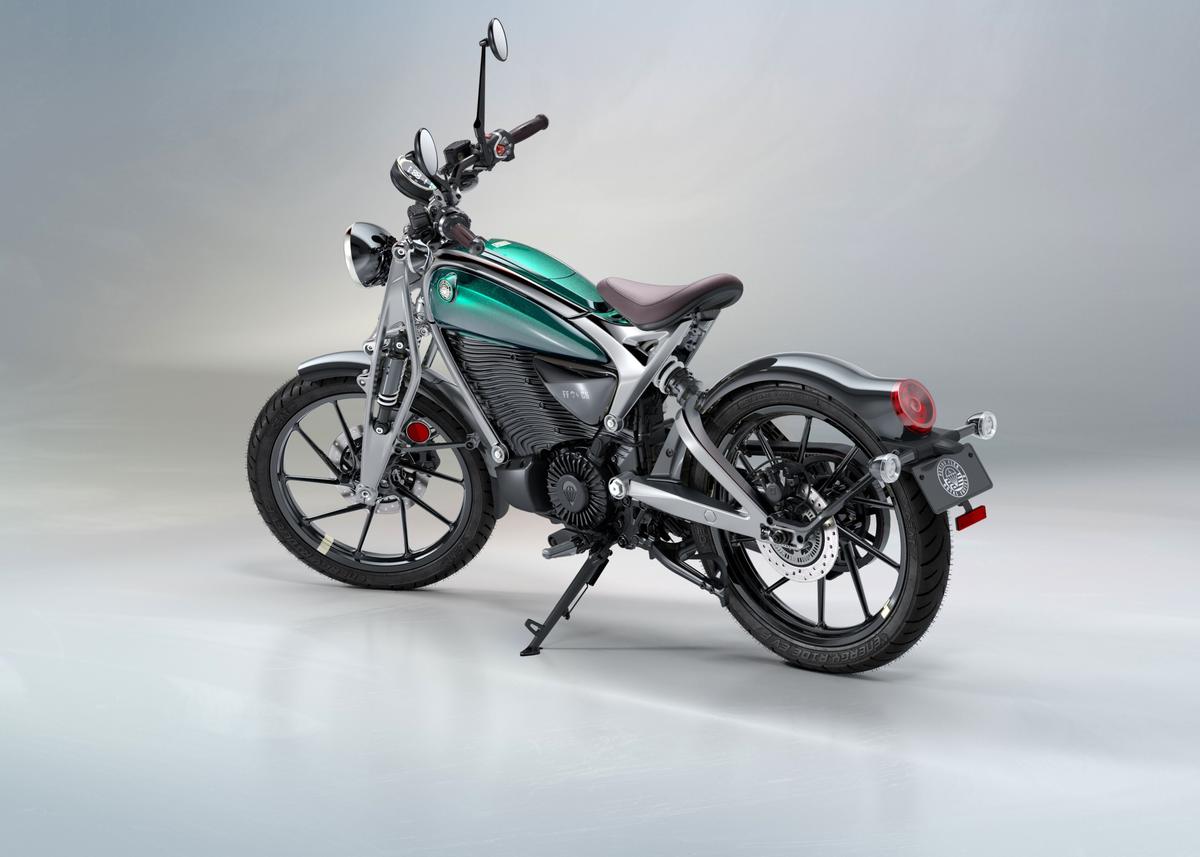
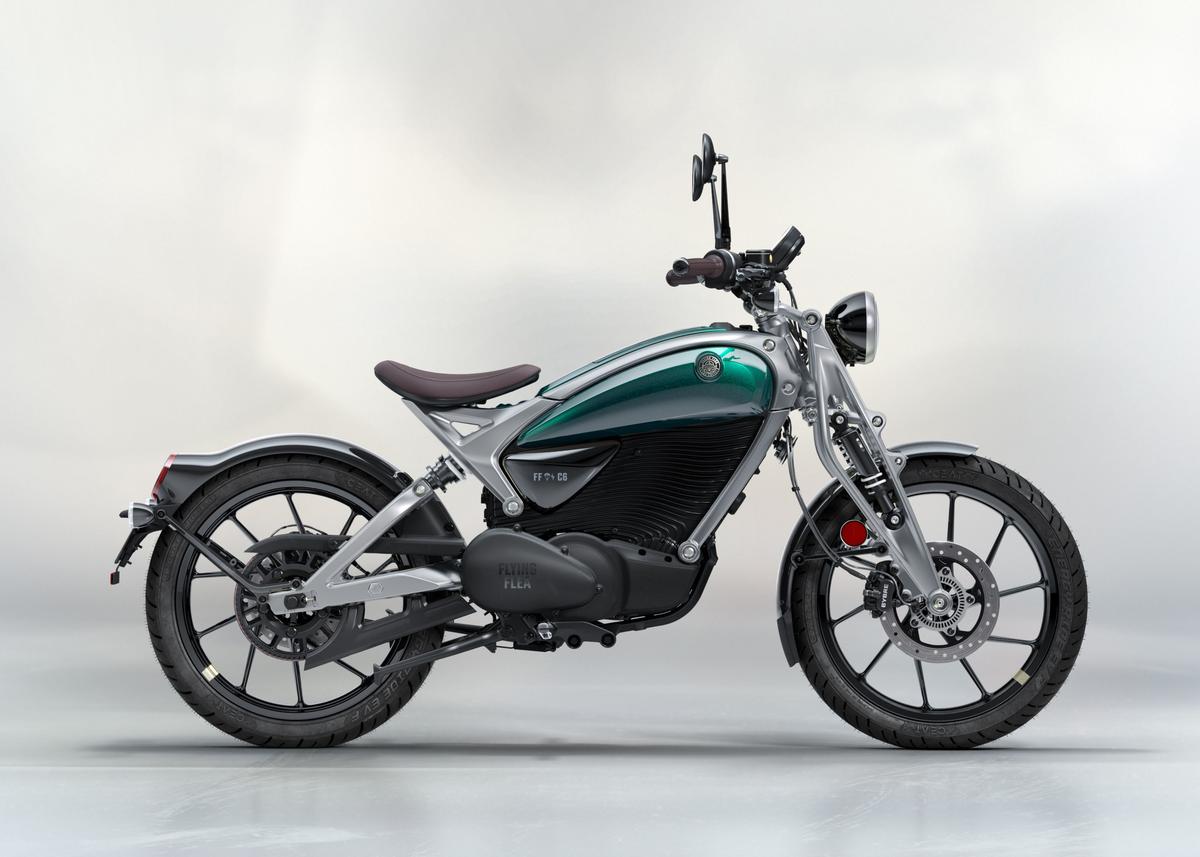
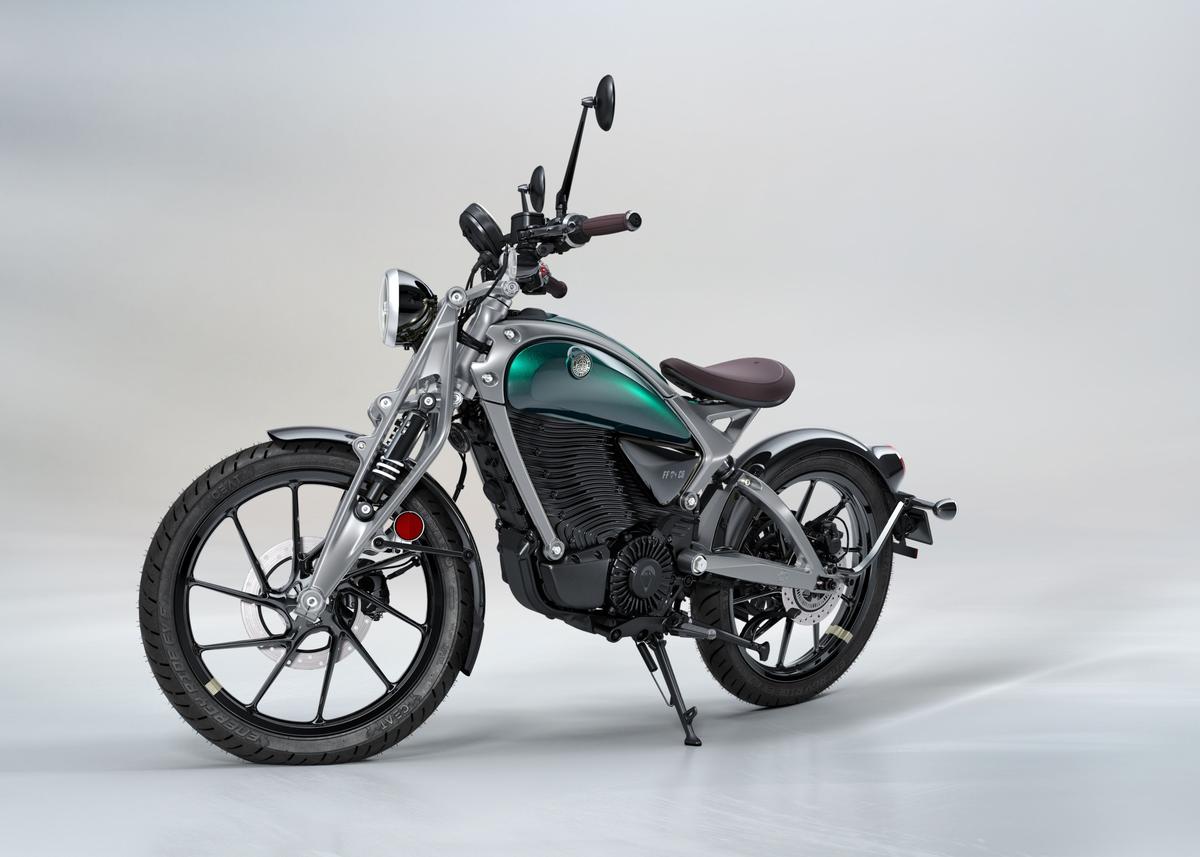
The design of the C6 is its most striking attribute. The centerpiece is the forged aluminum girder fork. Traditionally seen on motorcycles from the early 20th century, the girder fork has been re-engineered using modern metallurgy to provide precise handling while significantly reducing the front-end mass. This is complemented by an articulating mudguard and a battery casing featuring functional cooling fins, which serve the dual purpose of thermal management and providing a rugged, industrial aesthetic.
Chronology: From Battlefield to Battery Power
The "Flying Flea" moniker is steeped in historical weight. To understand the C6, one must look back to the 1940s. The original Flying Flea (the Royal Enfield WD/RE) was a lightweight 125cc motorcycle designed to be dropped by parachute behind enemy lines during World War II. It was a machine defined by its simplicity, lightness, and ability to traverse difficult terrain where larger vehicles failed.
The Development Timeline:
- Concept Phase (2020–2022): Royal Enfield initiated its EV program, establishing dedicated R&D teams in both India and the UK. The goal was to create an electric platform that didn’t feel like a "heavy cruiser" but rather a "nimble urbanite."
- The Birth of the Sub-Brand (2023): The decision was made to house electric projects under the Flying Flea banner to allow for a distinct design philosophy that wouldn’t be constrained by the "Classic" or "Bullet" legacies.
- Official Unveiling (Early 2026): The C6 was showcased as the flagship model, demonstrating the scalability of the new EV architecture.
- Booking Commencement (April 2026): Royal Enfield opened the order books, starting with Bengaluru as the pilot city for the rollout.
- Projected Deliveries (May 2026): The first batch of Flying Flea C6 motorcycles is scheduled to reach customers by the end of May 2026, followed by a phased expansion into other Tier-1 cities like Mumbai, Delhi, and Chennai.
Supporting Data: Engineering and Connectivity
The Flying Flea C6 is as much a software product as it is a mechanical one. The integration of a Vehicle Control Unit (VCU) allows the motorcycle to process thousands of data points per second, optimizing power delivery based on the rider’s style and the environment.
Charging Infrastructure and Flexibility
Recognizing that "range anxiety" is often secondary to "charging anxiety" in urban environments, Royal Enfield has engineered the C6 to be highly adaptable:

- Standard Charging: The bike can be plugged into any standard 16 Amp wall socket, making home charging accessible without the immediate need for specialized wall-box installations.
- Rapid Charging: Under ideal conditions, the battery can charge from 20% to 80% in approximately 65 minutes.
- Efficiency Metrics: The system is designed to add roughly one kilometer of range for every minute of charging when using optimized power sources.
The Digital Cockpit
The rider interface is centered around a circular TFT touchscreen. This display is not merely for speed and battery levels; it acts as a hub for:
- Triple Connectivity: Built-in WiFi, Bluetooth, and 4G LTE ensure the bike is always "online."
- Over-the-Air (OTA) Updates: Much like a smartphone, the C6 can receive software patches that improve battery efficiency, refine throttle response, or add new features to the UI long after the bike has left the showroom.
- Safety Suite: The C6 features lean-sensitive Anti-lock Braking Systems (ABS) and Traction Control, utilizing an Inertial Measurement Unit (IMU) to adjust safety interventions based on the bike’s lean angle.
Official Responses: A Vision for the Future
While official press releases emphasize the technical prowess of the C6, the underlying sentiment from Royal Enfield’s leadership suggests a broader strategic pivot. Sources close to the project indicate that the Flying Flea brand is intended to capture a younger, more tech-savvy demographic that may find the traditional "thump" of a petrol-powered Enfield less appealing than the "hum" of a sustainable, connected machine.
In internal communications, the company has highlighted that the Flying Flea platform is modular. This means the C6 is only the beginning. The "C" in C6 likely stands for "Classic," hinting at future iterations—perhaps an "S" for "Scrambler" or an "R" for "Roadster"—all built on the same lightweight electric architecture.
The decision to launch in Bengaluru first is also a calculated move. As India’s tech hub, Bengaluru has the highest density of EV charging infrastructure and a consumer base that is historically early-adopters of green technology. Royal Enfield representatives have stated that the phased rollout is essential to ensure that the "after-sales ecosystem," including specialized EV technicians and battery swap/service stations, is fully matured before a national scale-up.
Implications: Changing the Urban Two-Wheeler Paradigm
The arrival of the Flying Flea C6 has significant implications for the Indian automotive industry and the global perception of Royal Enfield.
1. Market Positioning
By entering at the ₹2.79 lakh mark, Royal Enfield is avoiding the "budget" EV segment dominated by electric scooters. Instead, they are carving out a "lifestyle electric" niche. They are competing less with commuter scooters and more with premium electric bikes like the Ultraviolette F77 or high-end ICE streetfighters. The BaaS model, however, is the "wildcard" that could disrupt the market by making a premium product financially competitive with mid-range petrol motorcycles.
2. The End of "Weight" as a Brand Identity
For decades, Royal Enfield was synonymous with heavy, steel-clad motorcycles. The C6’s 124 kg kerb weight is a radical departure. It proves that the brand can innovate without losing its soul. By using forged aluminum and a minimalist design, they have addressed one of the biggest criticisms of EVs—that they are too heavy due to battery weight.
3. Sustainability and Urban Planning
As cities worldwide implement stricter emission norms and "Green Zones," the Flying Flea C6 provides a solution for the enthusiast who wants a "real" motorcycle that is also future-proof. The inclusion of features like "tip-over alert" and "live location sharing" also suggests a focus on rider safety and security in dense urban environments.
4. The "Connected" Rider
The C6 transitions the rider from a mechanical operator to a digital user. With the bike’s ability to adapt to rider behavior over time, Royal Enfield is entering the realm of AI-assisted commuting. This data-driven approach will likely provide the company with invaluable insights into how urban riders use their vehicles, informing the design of the next generation of Flying Flea models.
In conclusion, the Flying Flea C6 is more than just Royal Enfield’s first electric motorcycle; it is a bold manifesto. It suggests that the future of the brand is not just about looking back at its heritage, but using that heritage as a foundation to build something entirely new. As deliveries begin in May 2026, the industry will be watching closely to see if the "Flea" can once again jump over the obstacles of a changing world—this time, powered by electrons rather than gasoline.
