

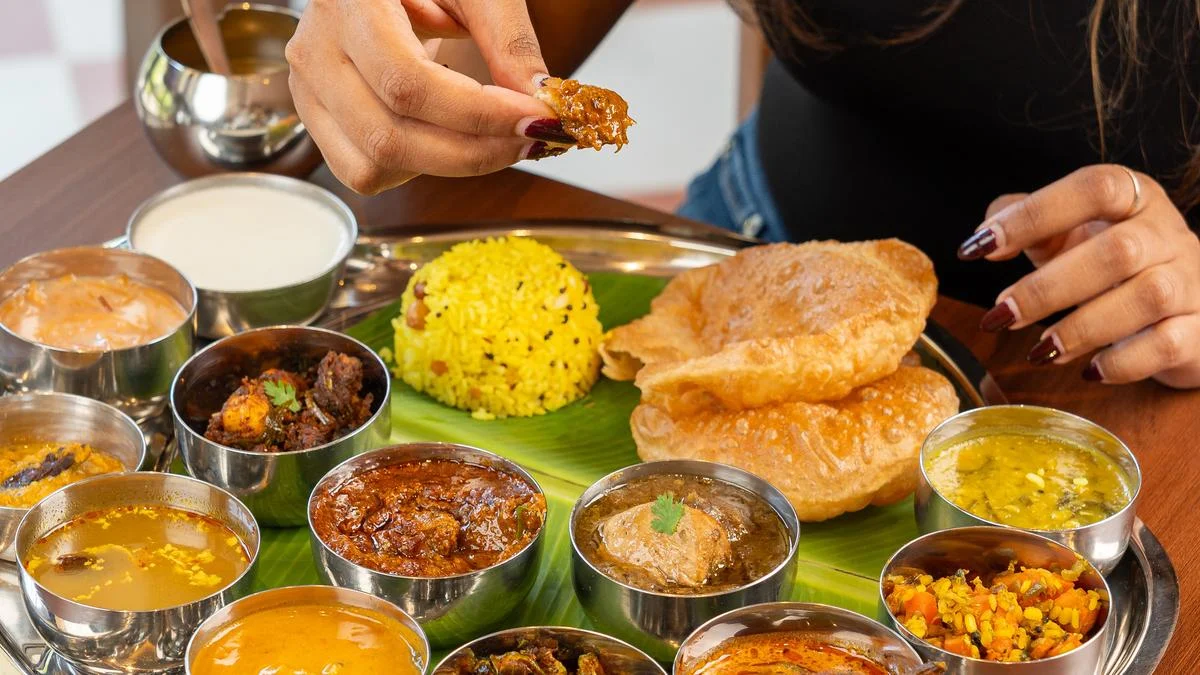
For decades, the culinary identity of Hyderabad was distilled into a single, aromatic pot: the Dum Biryani. To the outsider, the city was a monochromatic landscape of long-grain Basmati, saffron streaks, and tender goat meat. However, a seismic shift is currently underway beneath the city’s glittering skyline. Hyderabad is undergoing a "culinary decolonization," reclaiming the vast, intricate tapestry of Telugu cuisine that was long overshadowed by its more famous Nizami cousin.
The conversation is no longer restricted to "less, medium, or full masala." Instead, the city’s gourmands are discussing the tartness of gongura, the crunch of nimmakayya guddu bonda, and the smoky depth of golichina mamsam. From high-end bistros in Banjara Hills to archival kitchens celebrating Telangana’s agrarian roots, Hyderabad is widening its table to include the micro-cuisines of Andhra, Telangana, Rayalaseema, and Uttar Andhra.
Main Facts: The Diversification of the Hyderabadi Palate
The contemporary Hyderabadi food scene is witnessing a pivot toward regional authenticity and hyperlocal techniques. This transformation is characterized by several key trends:
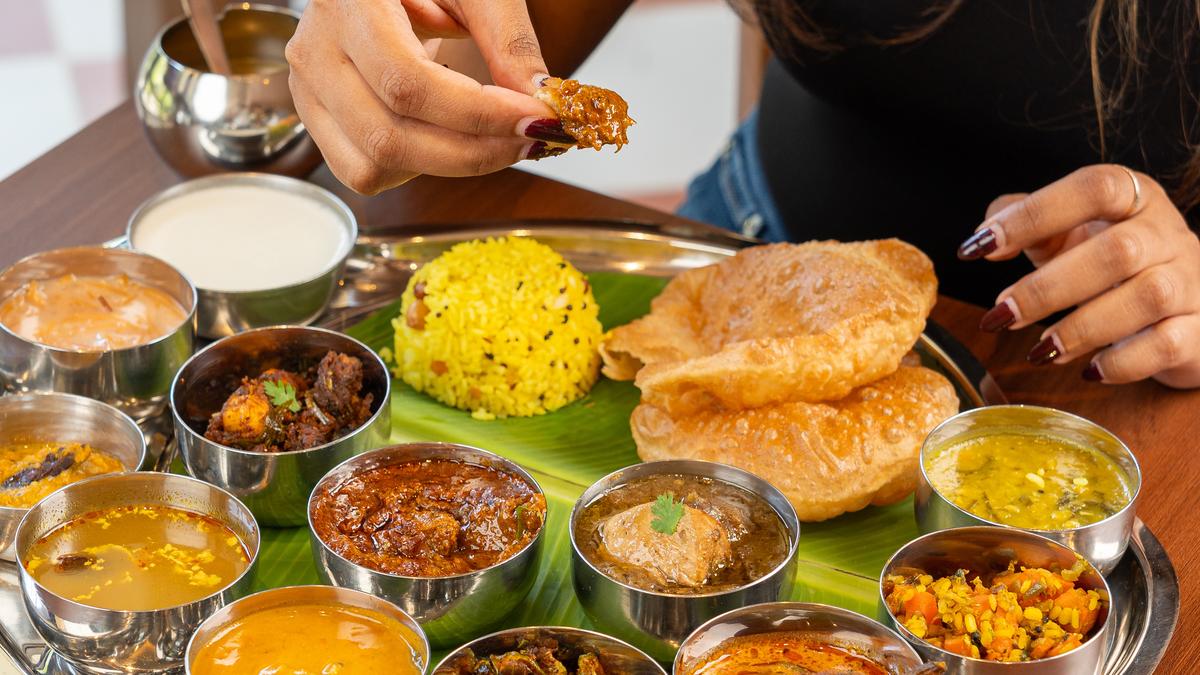
- The Rise of Regional Staples: Dishes that were once confined to home kitchens—such as muddapappu avakaya annam (dal and mango pickle rice) or thotakura liver fry—are now headlining restaurant menus.
- The Pulao Over Biryani Movement: While Biryani remains a staple, there is a burgeoning interest in regional pulaos that utilize short-grain rice varieties like Chitti Muthyalu, offering a different textural experience and allowing the flavors of the meat and spices to shine more brightly.
- Elevated Dining Experiences: Traditional Telugu food is being reimagined through the lens of fine dining. This includes serving rasam as an amuse-bouche and utilizing traditional plating techniques, such as stone pots and brassware, to enhance the sensory experience.
- Hyperlocal Specialization: New establishments are moving away from "multicuisine" models to focus exclusively on specific sub-regions, such as the spice-heavy profiles of Karimnagar or the pulse-based delicacies of Uttar Andhra.
Chronology: From Legacy Canteens to Neo-Telugu Bistros
To understand this evolution, one must look at the timeline of Hyderabad’s commercial food industry.
The Foundation (1980s – 2000s)
In 1985, Venugopal Reddy founded Hotel Indu Deluxe, a landmark that prioritized authentic Telugu flavors at a time when the city was beginning to lean heavily into the "Biryani City" brand. For nearly four decades, such establishments operated as the guardians of traditional taste, serving a loyal clientele who sought the comforts of home-style cooking. During this era, Telugu food in the commercial space was largely identified with the "Thali"—a functional, rushed lunch designed for efficiency rather than celebration.
The Biryani Hegemony (2000s – 2015)
As Hyderabad transformed into a global IT hub, the Biryani became its primary export. Chains expanded rapidly, and the dish became synonymous with the city’s hospitality. During this period, regional Telugu dishes were often relegated to "side orders" or found only in smaller, unorganized mess-style eateries.
The Regional Awakening (2016 – 2023)
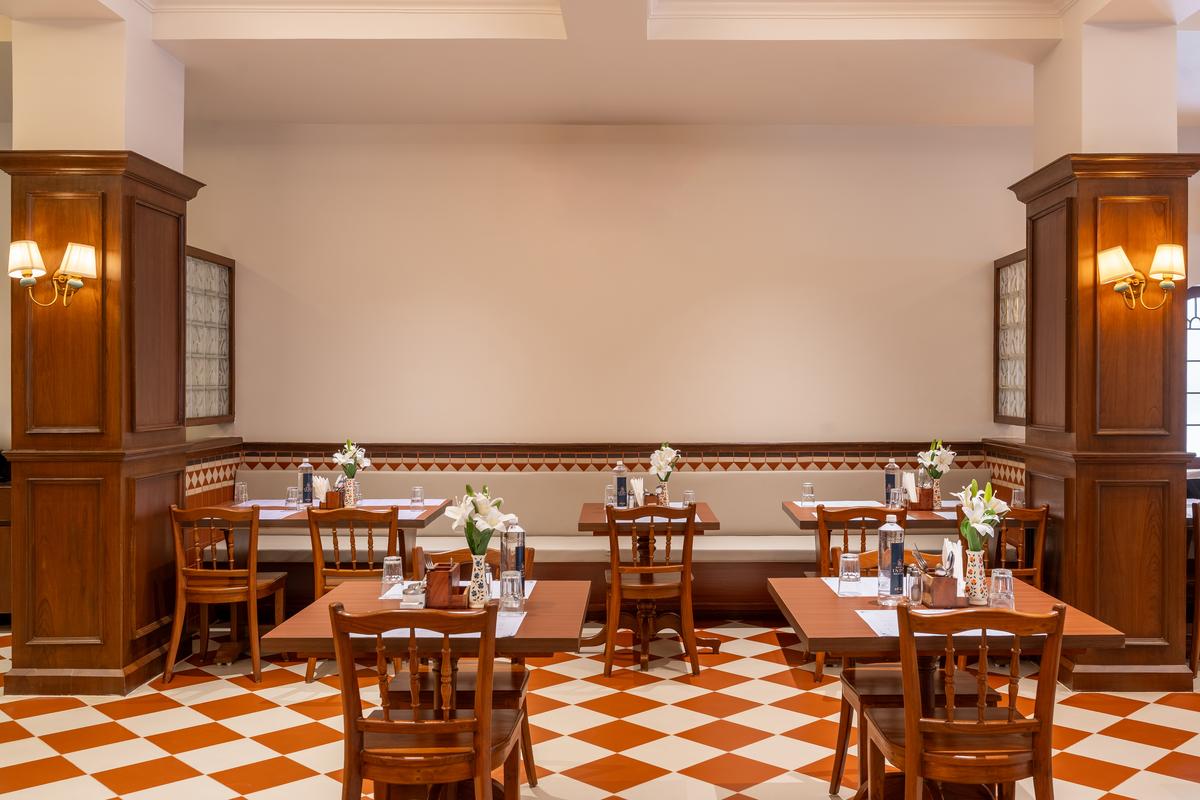
The post-pandemic era accelerated a desire for "comfort food" and "authentic roots." Restaurateurs began to realize that the local population was experiencing "Biryani fatigue." In 2023 and 2024, legacy brands like Indu Deluxe began expanding into upscale neighborhoods like Banjara Hills, signaling that regional food was no longer just for the working class—it was a luxury experience.
The Modern Era (2024 – Present)
Today, the city is seeing the rise of "archival kitchens" like Terrai and "concept cafes" like Coffee Sangam. The focus has shifted from mass production to storytelling, where every dish is presented with its geographical and historical context.
Supporting Data: The Anatomy of a Changing Menu
The shift is most visible in the ingredient profiles and dish selections currently dominating the market. Unlike the cream-heavy, gravy-based predictability of North Indian "Mughlai" cuisine, the new Telugu wave emphasizes:

- Acidity and Heat: The use of chintapandu (tamarind), gongura (sorrel leaves), and avakaya (mango pickle) provides a sharp, tart contrast to the heat of Guntur chilies.
- The "Vepudu" (Fry) Culture: Restaurants are spotlighting dry roasts such as seena roast and mamsam ghee roast, which offer a textured alternative to the ubiquitous kebab.
- Vegetarian Sophistication: The focus on pappu (dals) has intensified. Variants like mamidikaya pappu (mango dal) and thotakura pappu (amaranth dal) are being elevated from side dishes to main attractions.
- Seafood Integration: Hyderabad, though inland, is embracing coastal traditions. The whole grilled murrel fish—often called Hyderabad’s answer to grilled lobster—is now a staple at high-end venues like Vivaha Bhojanambu and Telangana Spice Kitchen.
According to industry insiders, the "thali" is being deconstructed. Diners are now ordering individual regional dishes like chepala pulusu (fish tamarind gravy) served in stone pots, allowing for a more focused appreciation of specific flavors rather than a generalized buffet experience.
Official Responses: Voices from the Culinary Frontline
The architects of this movement believe that the time for Telugu cuisine to claim its global standing is overdue.
Rohit Reddy, Manager of Hotel Indu Deluxe, emphasizes the self-sufficiency of the cuisine: "Our cuisine has so much to offer that we don’t need a multicuisine menu. Our cooks are from Bheemavaram, Warangal, West Godavari, and Rajahmundry. There is no need to borrow dishes from elsewhere. Everyone is now inquisitive about the depth of Telugu flavors."

Sampath Tummala, owner of Spicy Venue and Theta Theta Telugu, highlights the shift in dining psychology: "There has to be a distinction between a rushed lunch and one you plan to celebrate. Telugu food was long identified with the thali, but now it’s time for individual dishes to shine. We serve chepala pulusu in a stone pot, bubbling as it reaches the table, to highlight the beauty of the craft."
Gopi Bylapula of Culinary Lounge looks toward international recognition: "Showcasing regional food can drive cultural and culinary tourism while preserving intangible heritage. In 2025, UNESCO inscribed Italian cuisine, recognizing the entire ecosystem from cultivation to consumption. Telugu cuisine, too, must aim for global recognition, given its depth and centuries-old techniques."
Chef Vignesh Ramachandran of Coffee Sangam addresses the gap between street food and hygiene: "We all crave that roadside dahi puri but hold back over hygiene. As Indians, we return to familiar flavors for comfort. It was time Hyderabad brought that into cafes. When you compare our regional cuisine with Western offerings, the variety and flavor give us an edge."
Implications: Tourism, Culture, and the Global Market
The enrichment of Hyderabad’s food scene has profound implications for the city’s future as a global destination.
1. Culinary Tourism
By diversifying beyond Biryani, Hyderabad is positioning itself as a hub for "gastronomic pilgrimages." Tourists are no longer just visiting for a single meal at Charminar; they are staying longer to explore the "Neo-Telangana" flavors of Terrai or the "Uttar Andhra" nuances provided by home chefs like Sowjanya Narsipuram.
2. Preservation of Intangible Heritage
The rise of home chefs entering the professional space is ensuring that "lost" recipes are preserved. Sowjanya Narsipuram’s introduction of guna charu (made with semi-ripe jackfruit) and jeedi kobbari paala koora (cashew and coconut milk curry) brings ancient agrarian traditions into the modern urban consciousness.

3. Economic Shift for Local Producers
The emphasis on regional cooking often means a higher demand for local ingredients—short-grain rice varieties, specific pulses, and regional chilies. This creates a more robust supply chain for local farmers who specialize in indigenous crops like millets, which are taking center stage at restaurants like Terrai.
4. Rebranding the Indian "Fine Dining"
For too long, Indian fine dining was synonymous with "Butter Chicken" and "Naan." The success of Telugu-forward spaces like Telugu Medium Kitchen & Bar and Maredumilli proves that there is a massive market for high-concept, regional-centric dining. This shift encourages other Indian cities to look inward at their own micro-cuisines rather than imitating Western or pan-Indian models.
Conclusion
Hyderabad’s culinary landscape is no longer a one-note symphony of Biryani. It has evolved into a complex, multi-layered orchestra of flavors that celebrate the diverse geographies of the Telugu-speaking heartland. As the city moves toward 2025, the focus is clear: authenticity, hyperlocality, and a fierce pride in a culinary heritage that is as old as the Deccan itself. The Biryani may still be the king, but the table has finally grown large enough to accommodate the rest of the royal family.
