

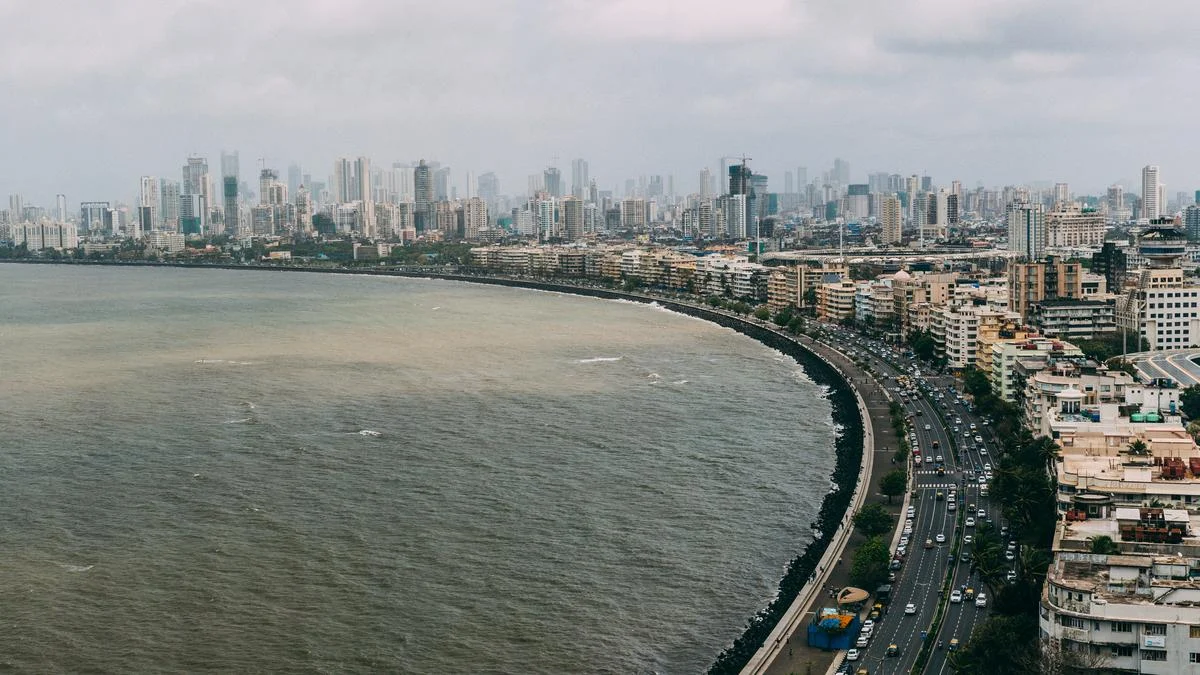
Mumbai, India – The perennial debate within real estate circles – whether to chase the allure of emerging corridors or anchor investments in time-tested locales – is finding a decisive answer in Mumbai’s current market dynamics. Far from being a transient trend, a significant shift is underway, with established neighborhoods not only outperforming newer growth pockets in terms of price appreciation and buyer demand but also demonstrating robust rental strength. This evolution is deeply rooted in a fundamental recalibration of homebuyer priorities, signaling a move away from mere price-consciousness towards a more holistic evaluation of long-term value, lifestyle, and integrated living.
The Indian housing market, despite global economic headwinds, has displayed remarkable resilience. Industry projections, such as those from Cushman & Wakefield, anticipate over 300,000 home launches in 2026, underscoring sustained confidence in demand. Concurrently, the market is witnessing a pronounced upward swing in higher-value segments. A JLL report indicates that properties exceeding ₹1 crore constituted nearly 62% of sales in the first half of 2025, a notable increase from 51% a year prior. This data points to a discerning buyer base that prioritizes enduring quality, strategic location, and enhanced livability over short-term affordability metrics.
The Enduring Appeal of Established Mumbai Neighborhoods
Mumbai’s established western suburbs, including areas like Goregaon, Malad, Borivali, Kandivali, Andheri, Bhandup, and Mulund, have historically been vibrant residential hubs. Today, they have transcended their origins to become fully developed neighborhoods, boasting comprehensive social infrastructure. These locales are replete with reputable schools, advanced healthcare facilities, thriving commercial centers, diverse retail options, and an intricate network of transportation links.
What distinguishes these mature areas is the inherent completeness of their ecosystem. Unlike nascent development zones that require considerable time for infrastructure to mature, these established neighborhoods offer immediate certainty. Prospective residents gain a clear understanding of the lifestyle and amenities they can expect, while investors benefit from a predictable rental demand. This pre-existing infrastructure forms the bedrock of convenience and stability for residents, offering a settled and seamless living experience.
The ongoing enhancement of infrastructure has further amplified the advantage of these established pockets. The expansion of the Metro network, coupled with new road projects and improved east-west connectivity, has dramatically enhanced the accessibility of several western suburban micro-markets. These strategically connected areas are consistently outperforming the broader market, with numerous locations across Mumbai and the Mumbai Metropolitan Region (MMR) witnessing double-digit capital appreciation. This surge is a direct consequence of evolving homebuyer preferences, where improved connectivity is increasingly dictating perceived value.
Redefining Affordability: Beyond the Price Tag
The concept of affordability in the real estate market is undergoing a significant transformation. Buyers are no longer solely fixated on the price per square foot. Instead, a more nuanced evaluation is taking place, encompassing factors such as the time saved on daily commutes, the quality of civic amenities, proximity to essential services like schools and hospitals, and the overall convenience derived from residing in a well-connected locale.
This shift in perspective explains the persistent strong demand for mature residential areas, even when newer corridors present a lower initial entry price. For many families, a slightly higher upfront investment is seen as a strategic trade-off for a superior quality of daily life and a more robust prospect for long-term capital growth. The perceived value is no longer a singular metric but a composite of convenience, lifestyle, and future potential.
Redevelopment: The New Engine of Mumbai’s Housing Supply
In a city grappling with land scarcity, Mumbai’s housing market is witnessing a pronounced pivot towards redevelopment as the primary source of new supply. The city is increasingly relying on the rejuvenation of its existing housing stock to meet the burgeoning demand. This structural shift is further propelled by supportive policy reforms enacted by the Maharashtra government. Recent reforms have streamlined procedures for housing societies, simplified approval processes, and reduced decision-making friction, thereby accelerating the pace of redevelopment initiatives.
On the ground, the scale of redevelopment activity is demonstrably expanding, particularly across the western suburbs. Cluster redevelopment projects, once a rarity, are now a common feature, often reaching scales previously associated with greenfield developments. A significant redevelopment initiative in Kandivali East, for instance, is projected to yield a gross development value of approximately ₹1,100 crore. Similarly, another project in the broader western suburban belt is estimated at over ₹350 crore. These substantial figures not only reflect heightened developer confidence but also underscore a fundamental transformation in how established neighborhoods are being reimagined and repositioned.
What sets this current cycle apart is that redevelopment is no longer confined to isolated building upgrades. It is evolving into a comprehensive neighborhood-level transformation. Aging housing societies are being systematically replaced by meticulously planned developments that enhance infrastructure efficiency while carefully preserving the existing social fabric and community spirit. This integrated approach aims to modernize living spaces without disrupting the established sense of place and belonging.
The Ascendancy of Hyperlocal Expertise
The adage that "real estate is local" has, in today’s market, evolved into an even more granular, almost hyperlocal, understanding. Each neighborhood within Mumbai possesses its unique character, unwritten rules, and distinct operational dynamics. In areas heavily reliant on redevelopment, particularly across the western and central suburbs, this hyperlocal insight becomes paramount. Every project necessitates close collaboration with existing residents and a profound comprehension of their expectations and concerns.
Developers who cultivate a deep understanding of these micro-markets over time are demonstrably better positioned for success. Their approach transcends mere construction; they strive to integrate seamlessly into the existing neighborhood fabric and enhance what is already present. This nuanced understanding allows them to navigate the complexities of community engagement and deliver projects that resonate with local needs and aspirations.
This micro-market focus is also evident in the rental sector. As living costs escalate in prime urban areas, a growing number of individuals are seeking refuge in well-connected suburbs that offer a more favorable equilibrium between cost and convenience. While Mumbai continues to exhibit robust property registration figures, with over 80,000 registrations recorded in the first half of 2026, demand is now distinctly segmented across various pockets. Established western suburbs maintain their stability, underpinned by strong connectivity and access to employment hubs. In contrast, areas like Thane are attracting a greater volume of demand from budget-conscious tenants. The overarching trend indicates that improved infrastructure, especially along Metro corridors, is increasingly prioritizing connectivity over sheer location prestige, thereby sustaining the steady demand for established neighborhoods.
Mumbai’s Growth Narrative: A New Chapter of Renewal
Mumbai’s growth trajectory is entering a new and dynamic phase. The emphasis is shifting from outward expansion to an intensive focus on upgrading and optimizing existing urban assets. For a city as densely populated and historically rich as Mumbai, the most significant opportunity lies in the comprehensive renewal of its established neighborhoods through redevelopment. The objective extends beyond the construction of modern residential units; it encompasses a holistic approach that respects and integrates with the existing communities.
Ultimately, real estate transcends the mere aggregation of bricks and mortar. It is intrinsically linked to the people who inhabit these spaces and the neighborhoods in which they flourish. When redevelopment is undertaken with meticulous care, a commitment to quality, and a long-term vision, established areas invariably emerge as superior investment and living destinations. They offer what new markets struggle to replicate in the short to medium term: a foundation of trust, a sense of familiarity, and a complete, functional ecosystem. These are the intangible yet invaluable assets that define the enduring appeal of Mumbai’s time-tested neighborhoods, making them the bedrock of the city’s evolving real estate landscape.
