

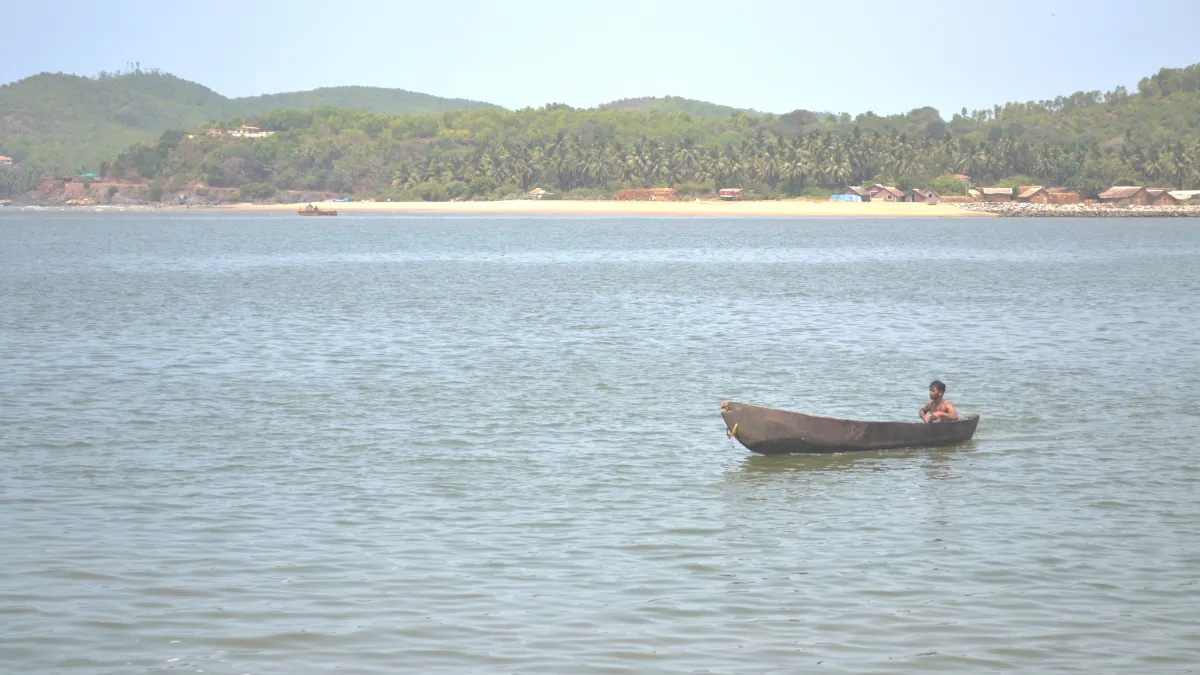
PUNE — The Konkan coast, a pristine 720-kilometer stretch of Maharashtra’s shoreline renowned for its white-sand beaches, lush mangroves, and thriving fishing industry, is facing an invisible and escalating public health crisis. A groundbreaking study conducted by leading Indian scientists has revealed that the region’s coastal sediments are not only heavily contaminated with arsenic but are also serving as an evolutionary laboratory for antibiotic-resistant "superbugs."
The research, led by a collaborative team from the BRIC-National Centre for Cell Science (BRIC-NCCS) in Pune and the University of Delhi, warns that human-induced pollution is fundamentally altering the microbial landscape of the shore. This chemical and biological transformation poses a direct threat to the millions of tourists who visit these beaches and the local communities whose livelihoods depend entirely on the sea.
I. Main Facts: A Dual Threat to Public Health
The core of the study’s findings lies in a phenomenon researchers describe as a "double threat." The Konkan coastline is currently grappling with two converging environmental disasters: heavy metal toxicity and antimicrobial resistance (AMR).
The Arsenic Crisis
According to the study, arsenic has emerged as the most significant pollutant in the region. While arsenic can occur naturally, the concentrations found at specific sites along the Konkan coast—particularly around Savane, Harnai, Palande, and Ladghar—have reached levels classified as "severely contaminated." The presence of such high levels of heavy metals is usually a signature of industrial discharge and unregulated waste management.
The Rise of the Superbug
The most alarming discovery is the presence of bacterial communities that have developed a high resilience to common antibiotics. The researchers isolated various strains of bacteria and found that nearly 37% of them possessed a Multiple Antibiotic Resistance (MAR) Index higher than 0.2. In microbiological terms, an index higher than 0.2 indicates that the microorganisms are originating from high-risk environments where antibiotics or heavy metals are frequently used or disposed of.
The Biological Link: Co-selection
The study clarifies that these two threats are not occurring in isolation. Through a process known as "co-selection," the presence of toxic heavy metals like arsenic, chromium, and lead is actually driving the evolution of antibiotic resistance. When bacteria are forced to adapt to toxic metals to survive, they often develop genetic defenses. These defense mechanisms are frequently located on the same strands of DNA—known as plasmids—that carry resistance to antibiotics. In essence, by polluting the coast with arsenic, human activity is inadvertently "training" bacteria to survive modern medicine.

II. Chronology: Mapping the Microbial Shift
The study represents a multi-year effort to understand the shifting ecology of the Maharashtra coastline. The timeline of the research and the subsequent findings suggest a gradual but accelerating degradation of the coastal environment.
Phase 1: Site Selection and Sampling
The research team focused on five strategic locations along the Konkan coast. These sites were chosen based on their proximity to human settlements, fishing hubs, and industrial zones. Locations such as Harnai and Savane are critical economic zones, making the health of their ecosystems vital to the state’s economy.
Phase 2: Chemical and Genomic Analysis
The team employed a sophisticated two-pronged scientific approach. First, they used culture-dependent methods, growing bacteria in laboratory Petri dishes to test their reactions to various pharmaceutical agents. This provided immediate data on which drugs were failing.
Second, they utilized culture-independent metagenomics. This cutting-edge technique involves extracting all the DNA directly from a sample of beach sand. Metagenomics allows scientists to see the "dark matter" of the microbial world—the 99% of bacteria that cannot be grown in a lab. This phase of the study allowed the researchers to map the entire genetic potential of the shoreline’s microbiome.
Phase 3: Identifying the Source
By 2024, the data synthesis revealed a clear pattern. The presence of fecal indicator bacteria (FIB) such as E. coli, Klebsiella, and Enterococcus pointed toward a consistent and ongoing discharge of untreated domestic sewage into the coastal waters. This sewage, combined with industrial runoff containing heavy metals, created the "perfect storm" for the emergence of superbugs.
III. Supporting Data: The Science of Resistance
The empirical evidence gathered by the BRIC-NCCS and University of Delhi team provides a sobering look at the scale of the contamination.

Heavy Metal Concentrations
The study identified arsenic as the primary driver of microbial change, but it was not the only culprit. Significant levels of chromium and lead were also detected. These metals act as environmental stressors. In the samples analyzed, the correlation between arsenic concentration and the presence of resistance genes was statistically significant, reinforcing the theory of co-selection.
Antibiotic Efficacy
The culture-dependent tests yielded startling results regarding common medications:
- Penicillin and Amoxicillin: A vast majority of the bacteria isolated showed high resistance to these foundational antibiotics.
- Modern Antibiotics: While newer, more potent drugs still showed some efficacy, the researchers warned that the gap is closing as bacteria continue to swap resistance genes via horizontal gene transfer.
Microbial Dominance
The DNA analysis revealed a dominance of bacteria from the Firmicutes and Proteobacteria phyla. These groups are notorious for their metabolic plasticity—their ability to change their internal chemistry to survive in harsh, toxic, or fluctuating environments. The high prevalence of these bacteria in Konkan’s sands is a clear indicator of an ecosystem under extreme stress.
Fecal Contamination
The detection of Klebsiella and Enterococcus is particularly concerning for public health. Klebsiella is a frequent cause of hospital-acquired infections, including pneumonia and bloodstream infections. The presence of these pathogens in recreational beach sand suggests that tourists and locals are at risk of contracting infections that may be difficult to treat with standard medical protocols.
IV. Official Responses and Institutional Perspectives
While the study was conducted by academic and research institutions, its findings have sent ripples through the scientific and environmental policy communities in India.
The "One Health" Approach
The researchers have framed their findings within the "One Health" framework—a global strategy that recognizes that the health of people is closely connected to the health of animals and our shared environment. The BRIC-NCCS team has emphasized that the contamination of the Konkan coast is not just an "environmental issue" but a "human health emergency."

Calls for Infrastructure Reform
The study serves as a formal critique of current coastal management practices. Experts involved in the research have pointed out that the presence of E. coli and other fecal bacteria is a "smoking gun" for the failure of local sewage treatment infrastructure. They argue that without the installation of modern Sewage Treatment Plants (STPs) and stricter monitoring of industrial effluents, the Konkan coast will continue to deteriorate.
Limitations and Future Research
The researchers have been transparent about the study’s limitations. They noted that the data was collected at specific points in time and that coastal environments are highly dynamic. Factors such as the monsoon season, tidal shifts, and seasonal tourism surges can significantly alter the concentration of pollutants. However, they maintain that the baseline data is strong enough to warrant immediate intervention.
V. Implications: The Future of the Konkan Coast
The long-term implications of this study are profound, affecting everything from international tourism to the safety of India’s food supply.
Threats to the Fishing Industry
The Konkan coast is the backbone of Maharashtra’s fisheries. If the sediment is contaminated with arsenic and superbugs, these pollutants can enter the marine food web. Through a process called bioaccumulation, toxins can move from the sediment to microorganisms, then to fish, and eventually to the humans who consume them. This poses a long-term risk to food security and the economic viability of the fishing export market.
The Tourism Paradox
The very beauty that draws millions to beaches like Ladghar and Harnai is being undermined by invisible toxins. If these beaches become known as reservoirs for antibiotic-resistant infections, the impact on the local hospitality industry could be catastrophic. There is an urgent need for public awareness campaigns to inform visitors about hygiene and the risks associated with contaminated coastal waters.
A Global Warning
The situation in Maharashtra is a microcosm of a global problem. As antibiotic resistance becomes one of the leading causes of death worldwide, the role of environmental pollution in accelerating this crisis cannot be ignored. The Konkan study provides a blueprint for how other coastal regions should monitor their own "microbial health."

The Road Ahead
To protect the Konkan coast for future generations, the study suggests a multi-pronged strategy:
- Stricter Industrial Oversight: Implementing rigorous checks on heavy metal discharge from nearby industries.
- Urban Planning: Upgrading sewage systems in coastal towns to ensure no untreated waste reaches the ocean.
- Continuous Monitoring: Establishing permanent microbial and chemical monitoring stations along the coast to provide real-time data on water and sand safety.
The sands of the Konkan, once thought to be a symbol of purity and natural beauty, are now telling a different story—one of human neglect and microbial defiance. The findings of the BRIC-NCCS and the University of Delhi are a vital wake-up call. The question remains whether policy-makers will act in time to reverse the tide of contamination.
