

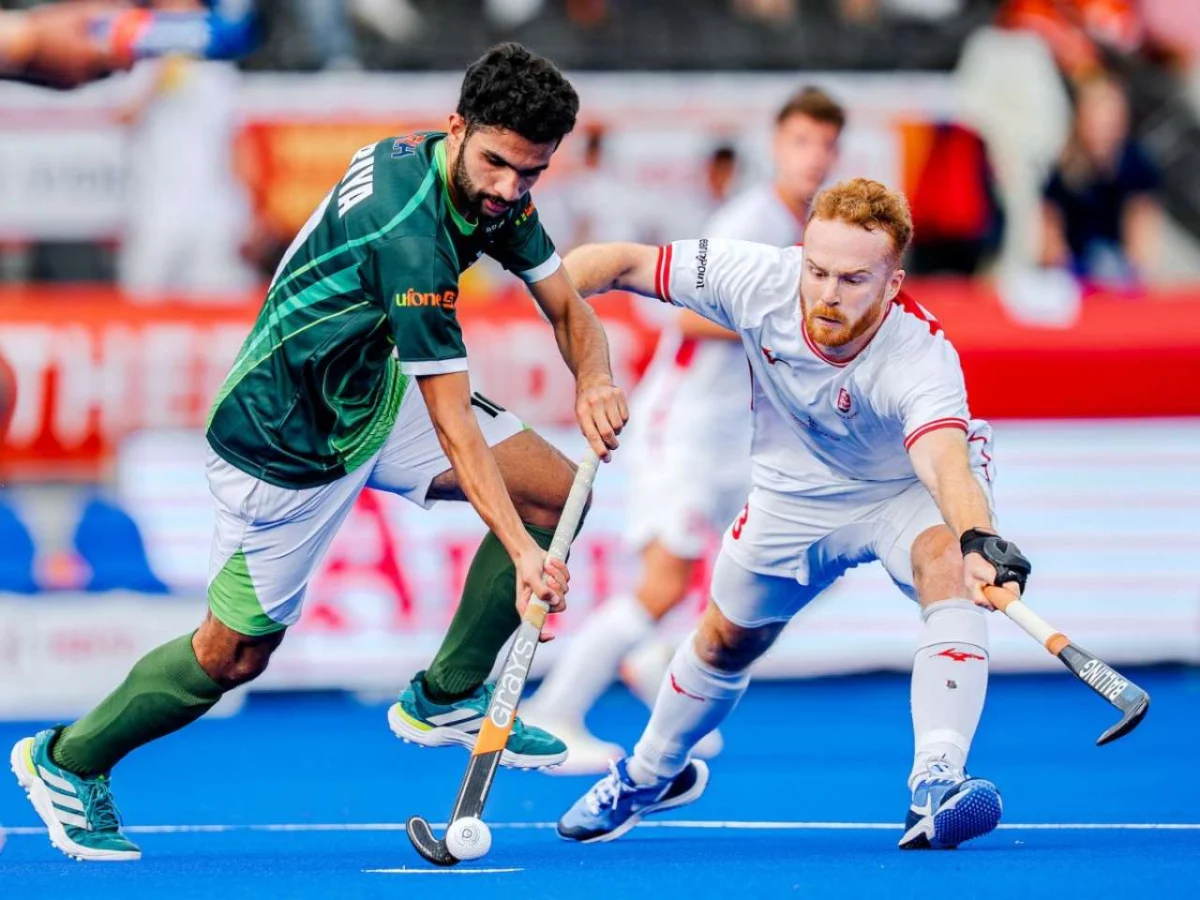
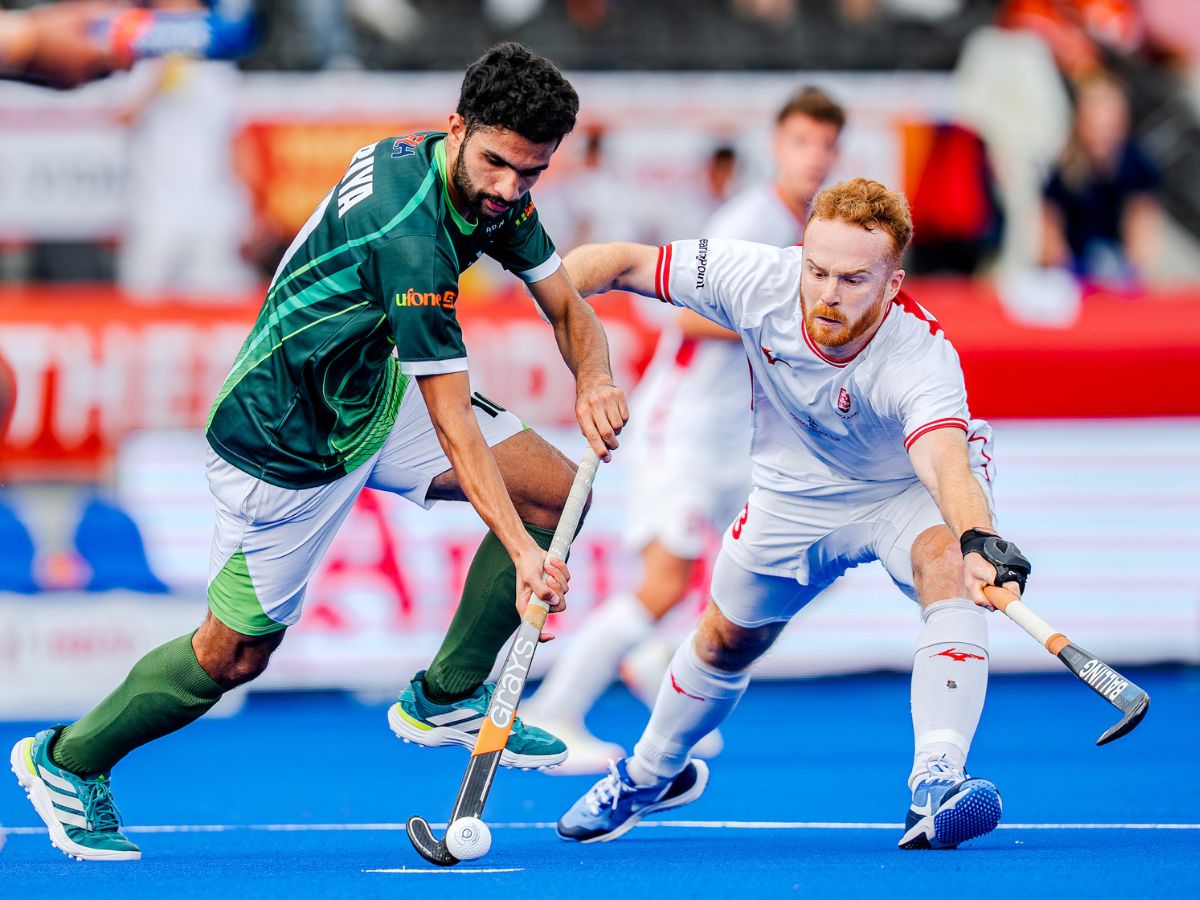
[City, Country] – August 16, 2026 – Pakistan’s highly anticipated return to the Men’s Hockey World Cup after a significant absence was overshadowed by an astonishing logistical oversight and a subsequent on-field penalty. In a match against formidable opponents England, the Pakistani team found themselves in an embarrassing predicament when their essential penalty corner protective equipment was reportedly left in the dressing room. This unprecedented lapse led to a delay in play, a green card for captain Abu Bakar Mahmood, and ultimately contributed to a demoralizing 4-1 defeat at the hands of a clinical English side.
The incident, which unfolded during a critical juncture in the first half, has sent shockwaves through the hockey world, prompting widespread criticism and raising serious questions about the preparedness and professionalism of the national team. For a nation that once dominated the sport, this bizarre blunder serves as a stark reminder of the deep-seated issues plaguing Pakistani hockey.
Main Facts: A Blunder of Epic Proportions
Pakistan’s opening match of the 2026 Men’s Hockey World Cup against England began with a mix of hope and trepidation, but quickly devolved into an unforeseen spectacle of disorganization. The core of the issue revolved around the inexplicable absence of the team’s penalty corner protective gear – the face masks, leg guards, and gloves that are absolutely vital for player safety during these high-stakes set pieces.
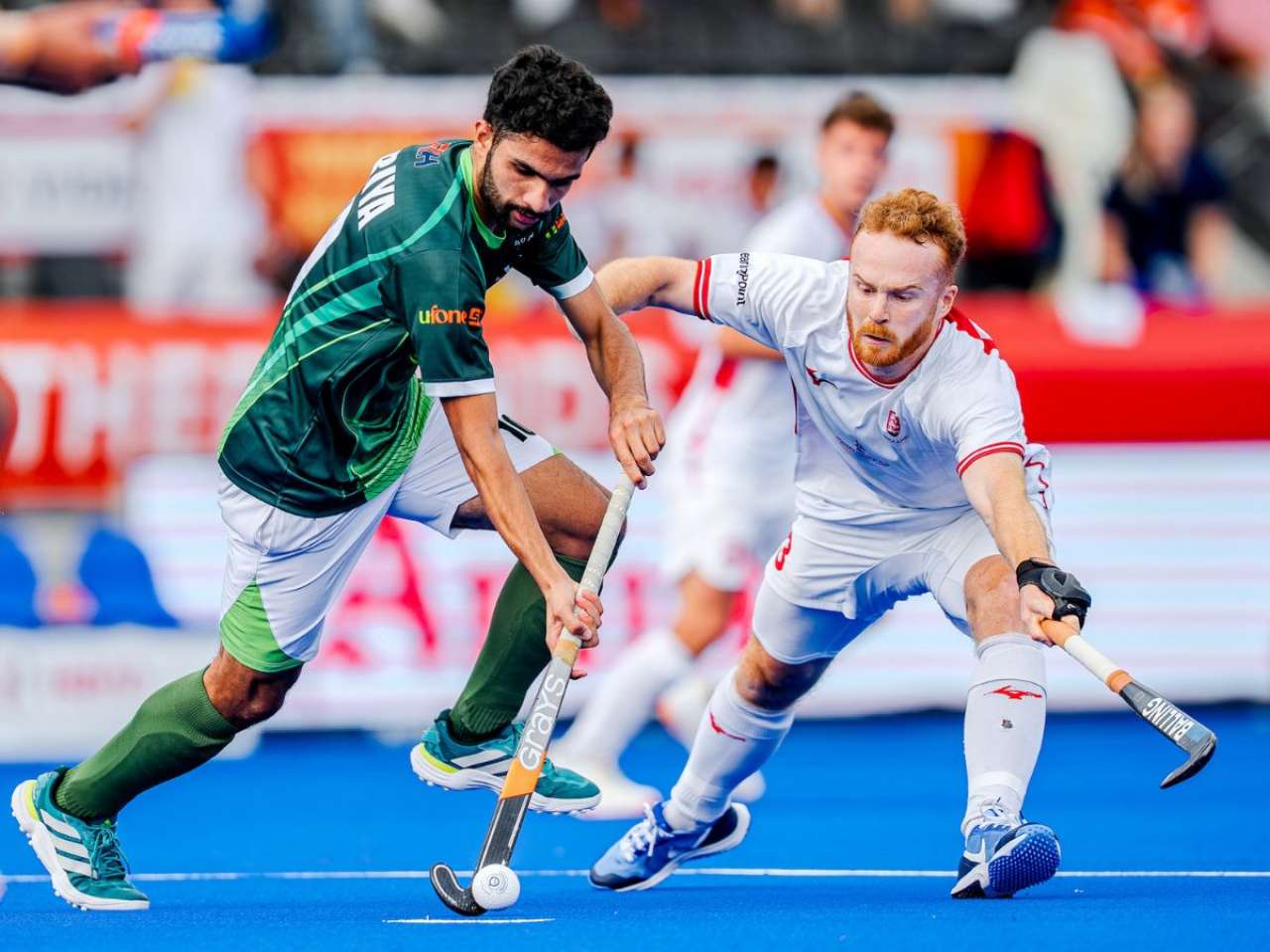
When awarded their first penalty corner of the game, the Pakistani players were observed scrambling, seemingly searching for the equipment that should have been readily available pitch-side. The realization that the gear was missing triggered a frantic dash back to the dressing room by a team official, causing a considerable delay in the proceedings.
The match officials, adhering strictly to the rules and the spirit of fair play, deemed this delay unacceptable. Consequently, Pakistan’s captain, Abu Bakar Mahmood, was issued a green card, resulting in a mandatory two-minute suspension from the field. This left his team numerically disadvantaged at a crucial point in the game.
England, a team known for its disciplined approach and strategic prowess, capitalized on Pakistan’s disarray, maintaining their composure and extending their lead. The final whistle confirmed a comprehensive 4-1 victory for England, leaving Pakistan to reflect not only on their performance but also on an administrative error that bordered on the amateurish. The incident immediately became the dominant talking point, eclipsing the on-field action and casting a long shadow over Pakistan’s World Cup campaign.
)
Chronology of the Unfolding Disaster
The match commenced with both teams looking to assert dominance, but it was England who drew first blood.
12th Minute: England’s Stuart Rushmere broke the deadlock, finding the back of the net to give his side an early 1-0 lead. This goal set the tone, putting Pakistan under pressure from the outset.
17th Minute: The pivotal moment of the match, and arguably the most bizarre, occurred. Pakistan was awarded a penalty corner, a golden opportunity to equalize or at least test the English defense. As per standard procedure, the designated defenders began to don their protective gear. However, a palpable sense of confusion soon permeated the Pakistani ranks. Players could be seen gesturing, looking towards their bench, and then frantically searching behind the goal area.

The realization dawned quickly: the essential penalty corner protective equipment – the helmets, face masks, shin guards, and hand protection – was not present on the sidelines. It had, astonishingly, been left in the team’s locker room.
A hurried discussion ensued between the players, coaching staff, and match officials. A team member was then dispatched in a desperate sprint back to the dressing room, located some distance from the pitch, to retrieve the forgotten gear. This impromptu retrieval mission consumed precious minutes, holding up the game and disrupting its rhythm.
Referee’s Intervention: The match referee, witnessing the prolonged and avoidable delay, had no option but to intervene. Under FIH (International Hockey Federation) rules, deliberate or prolonged delays, often resulting from a team’s lack of preparedness, can lead to disciplinary action. In this instance, the official deemed the oversight to be significant enough to warrant a sanction.
)
Green Card for Captain Abu Bakar Mahmood: Pakistan’s captain, Abu Bakar Mahmood, was singled out for the disciplinary action and shown a green card. This sanction meant he had to leave the field for a two-minute suspension, further exacerbating Pakistan’s woes by reducing them to ten men. The penalty corner, once an attacking opportunity, now became a symbol of their disorganization, played out with their captain off the field.
Match Progression Post-Incident: The incident visibly unsettled the Pakistani side. England, maintaining their focus and professionalism, continued to press their advantage.
Later in the First Half: Sam Ward extended England’s lead, capitalizing on Pakistan’s disarray and adding another goal to make it 2-0.
)
Second Half: The English offensive continued its relentless pressure. Samuel Hooper and James Albery each found the net, piling on the misery for Pakistan and stretching England’s lead to a commanding 4-0.
50th Minute: Pakistan finally managed to register a consolation goal through Rehan Abdul Afraz. While a momentary reprieve, it did little to alter the overall outcome or the narrative of a deeply disappointing opening fixture.
Penalty Corner Statistics: Throughout the game, Pakistan was awarded two penalty corners. Both went unconverted, reflecting not only the initial logistical failure but also a broader struggle to capitalize on crucial scoring opportunities. The first, marred by the equipment blunder, was played under duress, while the second simply failed to yield a goal.
)
The 4-1 scoreline was a stark reflection of England’s dominance and Pakistan’s struggles, both tactical and administrative.
Supporting Data and Contextual Insights
The "penalty corner kit" blunder is more than just a trivial oversight; it underscores fundamental aspects of modern hockey and highlights the critical importance of meticulous preparation.
The Crucial Role of Penalty Corner Gear
A penalty corner is one of the most exciting and dangerous set-pieces in field hockey. It involves an attacking team launching the ball from the baseline towards the goal, with a limited number of defenders (usually four, including the goalkeeper) positioned behind the goal line. The ball is stopped, and a direct shot is often taken.
)
The ball speed generated during a drag flick or a powerful hit from a penalty corner can exceed 100-120 kilometers per hour (60-75 mph). At such speeds, impacts on unprotected body parts can lead to severe injuries, including concussions, fractures, and eye damage. Therefore, specialized protective gear is mandatory for defenders during a penalty corner. This typically includes:
- Face Masks: Hard, transparent masks to protect the eyes, nose, and mouth.
- Gloves/Hand Protectors: Reinforced gloves to shield hands and fingers from powerful shots.
- Shin and Thigh Pads: Additional padding for the legs.
- Arm Guards: For forearm protection.
- Groin Protectors: Essential for male players.
Forgetting this equipment is akin to a Formula 1 team forgetting to put tires on a car before a pit stop – it’s a fundamental failure of operational readiness that puts player safety at risk and directly impacts competitive play.
Understanding the Green Card
In field hockey, cards are used to sanction players for various infractions:
)
- Green Card: A warning, resulting in a two-minute suspension from the field. It’s typically issued for minor offenses, deliberate delays, or unsporting behavior. In this case, the prolonged delay caused by the missing equipment directly led to the green card for the captain, signifying a collective team lapse rather than an individual’s foul play.
- Yellow Card: A more serious warning, resulting in a five or ten-minute suspension, depending on the severity of the offense.
- Red Card: The most severe penalty, resulting in permanent expulsion from the match and potentially further disciplinary action.
The green card issued to Abu Bakar Mahmood, while seemingly minor, had a significant impact. It meant Pakistan had to defend their goal, and potentially execute their own attacking play, with one less player for two crucial minutes.
Pakistan’s Fading Glory: A Historical Perspective
This incident gains further poignancy when viewed against Pakistan’s illustrious hockey history. Once the undisputed kings of the sport, Pakistan boasts an enviable record of four Men’s Hockey World Cup titles (1971, 1978, 1982, and 1994). They were pioneers, innovators, and a dominant force for decades, their fast, fluid, and artistic style of play captivating audiences worldwide.
However, the late 20th and early 21st centuries have witnessed a precipitous decline. The team’s last appearance at a World Cup prior to this 2026 edition was in 2018. They notably missed out on the 2023 tournament, a stark indication of their struggle to qualify for major international events. This current World Cup marks a much-anticipated return, intended to be a stepping stone towards reclaiming past glory. The opening match blunder, however, risks reinforcing the narrative of a once-great hockey nation now grappling with basic organizational competencies.
)
Tournament Context and Upcoming Fixtures
The 2026 Men’s Hockey World Cup is a global showcase, bringing together the best teams in the world. For Pakistan, a strong performance is crucial not only for their standing in international hockey but also for reigniting public interest and support back home.
Pakistan’s Upcoming Schedule:
- August 17: vs. Wales – A crucial match where Pakistan will be desperate to secure their first points and restore some pride.
- August 19: vs. India – The highly anticipated "arch-rivals" clash, always a marquee event in world hockey, regardless of current form. This match carries immense emotional weight and could either salvage or further derail Pakistan’s campaign.
Other Tournament Results:
The tournament also saw other significant results. India, another Asian powerhouse, started their campaign strongly by defeating Wales 3-1, with captain Harmanpreet Singh scoring two goals. India and England are also set to face off on August 17, a match that will likely have significant implications for group standings.
)
Official Responses and Reactions
The immediate aftermath of the incident saw a wave of disappointment and criticism, particularly from former players and commentators.
Salman Akbar’s Scathing Assessment: Former Pakistan captain and Olympian Salman Akbar did not mince words when reacting to the incident. He described it as "another unwanted record" for Pakistan hockey, emphasizing the sheer unprofessionalism of forgetting such fundamental safety equipment at a tournament of this magnitude.
"You simply cannot forget something as basic as safety equipment at a World Cup," Akbar reportedly stated. "This is not just about tactics or fitness; it’s about discipline, organization, and basic professionalism. Incidents like this put the entire team’s readiness and the management’s competence under the microscope. It’s embarrassing for the nation." His comments highlight a pervasive frustration among the hockey fraternity regarding the persistent organizational shortcomings that have plagued Pakistani hockey for years.
)
Expected Response from Pakistan Hockey Federation (PHF): While no immediate official statement from the Pakistan Hockey Federation (PHF) or the team management was available at the time of reporting, such a high-profile blunder will undoubtedly necessitate an explanation. The PHF is likely to face intense scrutiny from the media, former players, and the public. A formal inquiry into the incident, identifying accountability and outlining measures to prevent future occurrences, would be a reasonable expectation. The focus will be on who was responsible for ensuring the equipment was pitch-side and why this fundamental checklist was missed.
Team Captain’s Perspective: Captain Abu Bakar Mahmood, despite receiving the green card, is likely to bear the brunt of the criticism. As the leader on the field, he represents the team, and such a visible lapse in preparation reflects poorly on his leadership and the team’s overall discipline. While he was directly sanctioned for the delay, the root cause lies with the broader team management and logistical support. His statements, when they come, will be crucial in understanding the team’s internal perspective and morale.
England’s Reaction: The English team, while undoubtedly benefiting from Pakistan’s disarray, maintained a professional demeanor. Their focus remained on executing their game plan, and their post-match comments are expected to emphasize their own performance rather than dwelling on Pakistan’s blunder, adhering to sporting etiquette.
)
Implications: A Deeper Dive into Pakistan Hockey’s Malaise
The penalty corner kit fiasco is more than an isolated incident; it’s a symptom of a much deeper malaise within Pakistani hockey. It speaks volumes about the systemic issues that have contributed to the sport’s decline in a nation where it once reigned supreme.
Immediate Tactical and Psychological Impact
The immediate implications were clear:
- Lost Opportunity: The penalty corner itself was a scoring chance squandered, denying Pakistan a potential equalizer or a crucial goal.
- Numerical Disadvantage: Playing with ten men for two minutes put immense pressure on the remaining players, forcing them to expend extra energy and disrupting their defensive structure.
- Psychological Blow: Forgetting essential gear is a colossal mental lapse. It undoubtedly affected team morale, confidence, and focus, creating an atmosphere of disorganization and amateurism that is difficult to recover from in a high-pressure World Cup match.
- Momentum Shift: The incident handed momentum squarely to England, allowing them to consolidate their lead and dictate the pace of the game.
Long-Term Systemic Failures Exposed
This incident brings to the forefront several long-standing issues that have plagued Pakistani hockey:
)
-
Fading Domestic Hockey Scene: The backbone of any strong national team is a robust domestic structure. In Pakistan, club hockey and inter-provincial competitions have significantly dwindled. This lack of competitive opportunities means young talent doesn’t get the exposure, rigorous training, and match practice needed to develop into world-class players. The talent pipeline has largely dried up.
-
Failure to Adapt to Modern Hockey: The sport has evolved dramatically, emphasizing speed, fitness, scientific training, and sophisticated tactical systems, often played on artificial turf. Pakistan, with its traditional style and often outdated training methodologies, has struggled to keep pace. The physical demands of modern hockey require year-round conditioning and state-of-the-art facilities, areas where Pakistan has consistently lagged.
-
Financial Woes and Administrative Instability: The Pakistan Hockey Federation (PHF) has been plagued by chronic financial difficulties. Reports of late salaries for players and coaching staff, insufficient funding for training camps and international tours, and constant infighting among administrators have been commonplace. This instability creates an environment of uncertainty and demotivation, directly impacting player performance and organizational efficiency. Basic logistics, such as ensuring all equipment is present, can suffer under such conditions.
)
-
Substandard Training Facilities and Equipment: Without adequate infrastructure – proper artificial turfs, modern gyms, recovery facilities, and up-to-date coaching equipment – players cannot prepare effectively for the demands of international competition. This incident, involving basic safety gear, highlights a potential broader issue with equipment management and availability.
-
Cricket’s Overwhelming Dominance: Perhaps the biggest challenge for hockey in Pakistan is the unparalleled popularity and commercial dominance of cricket. Almost all media attention, corporate sponsorship, and government funding are directed towards cricket, leaving other sports like hockey severely underfunded and marginalized. This disparity affects everything from grassroots development to the professional management of national teams.
Impact on Reputation and Future Prospects
The blunder has dealt a significant blow to Pakistan’s international reputation in hockey. For a team trying to rebuild and regain respect, such an error undermines credibility and reinforces negative perceptions about their professionalism. It places immense pressure on the team ahead of their crucial matches against Wales and arch-rivals India. How they respond to this setback, both on and off the field, will define their World Cup campaign.
)
Conclusion: A Call for Fundamental Change
The "forgotten kit" incident at the 2026 Hockey World Cup is a microcosm of the challenges facing Pakistan hockey. It’s a stark, public illustration of administrative shortcomings that ripple through every aspect of the sport, from grassroots development to elite performance. While the players bear the immediate consequences on the field, the ultimate responsibility lies with the management and the broader hockey ecosystem in Pakistan.
For a nation with such a glorious hockey heritage, this episode should serve as a powerful wake-up call. Reclaiming past glory will require more than just talent and passion; it demands a fundamental overhaul of governance, infrastructure, financial management, and a renewed commitment to professionalism at every level. Until these deep-seated systemic issues are addressed with urgency and unwavering dedication, incidents like the one witnessed against England will continue to mar Pakistan’s journey in the sport they once ruled. The path back to the top for Pakistan hockey is long and arduous, and it starts with ensuring that the basic necessities, like protective gear, are never forgotten again.
