

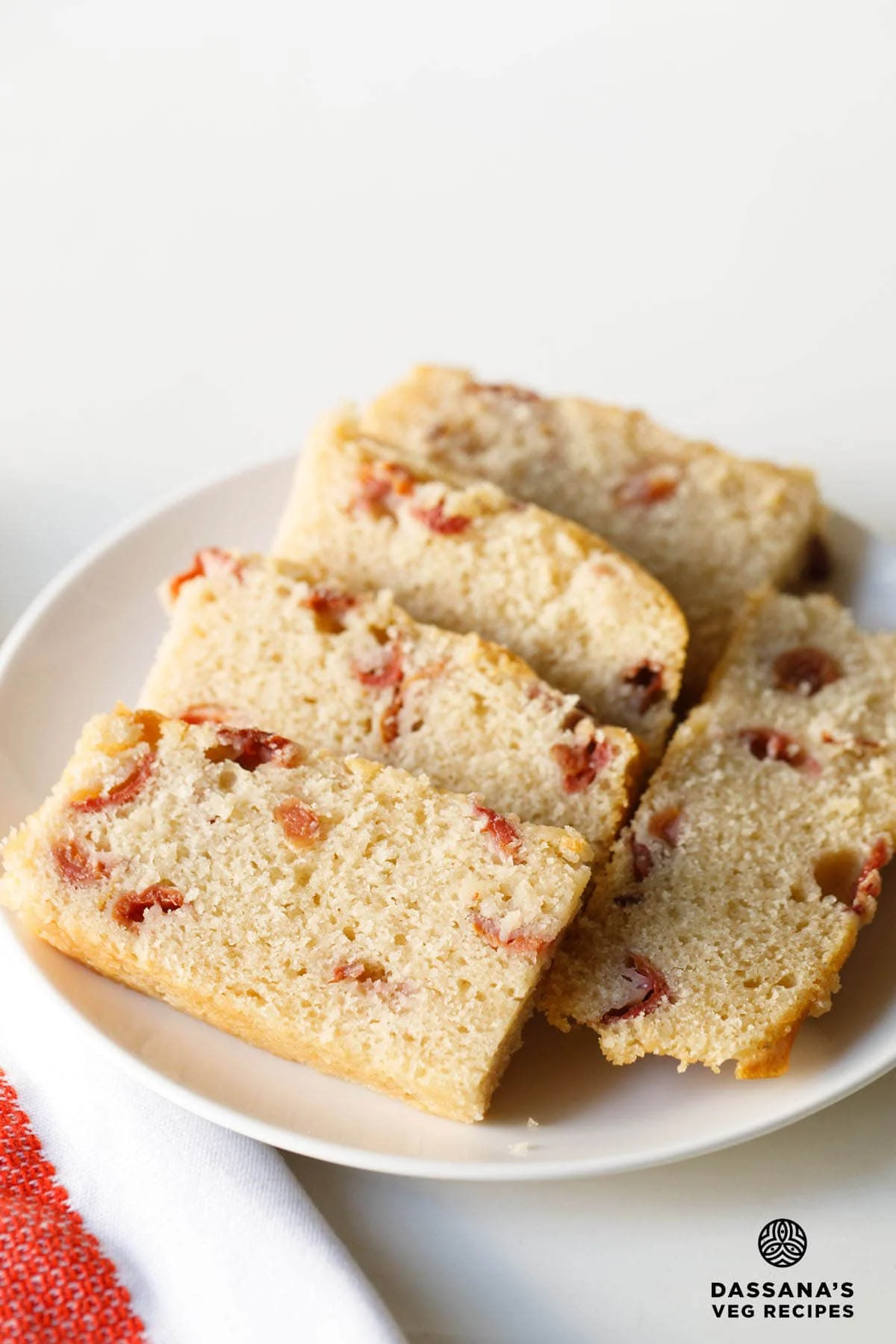
Main Facts: The Rise of Seasonal, Egg-Free Gastronomy
In the evolving landscape of home baking, the transition from processed, store-bought desserts to artisanal, seasonal creations has marked a significant shift in consumer behavior. At the forefront of this movement is the "Fresh Cherry Cake"—a sophisticated yet accessible bake that prioritizes the use of whole, seasonal fruit over canned alternatives. This specific recipe, characterized by its moist, tender crumb and the absence of eggs, serves as a cornerstone for a growing demographic of bakers seeking inclusive, high-quality domestic treats.

The Cherry Cake is more than a simple tea-time snack; it represents a convergence of chemical precision and agricultural appreciation. Utilizing 200 grams of fresh cherries, the recipe leverages the natural acidity and sweetness of the fruit to complement a vanilla-infused batter. By opting for oil over butter and a homemade buttermilk substitute (a mixture of milk and vinegar), the cake achieves a shelf-life and moisture level that rivals professional patisserie standards.

As dietary preferences continue to lean toward vegetarianism and vegan-adaptability, the egg-free nature of this cake addresses a critical gap in the market. It provides a solution for those with allergies, religious dietary restrictions, or those simply looking to reduce their intake of animal products without sacrificing the structural integrity or flavor of their baked goods.

Chronology: From Orchard to Oven – The Life Cycle of a Bake
The creation of a Fresh Cherry Cake is a systematic process that requires a chronological adherence to temperature control and ingredient integration. The journey from raw ingredients to a finished dessert follows a precise timeline.

Phase I: Fruit Preparation and Pre-Heating
The process begins with the selection and preparation of the cherries. Whether using vibrant Indian varieties or imported sweet cherries, the fruit must be rinsed, de-stemmed, and pitted. For those without professional equipment, the "avocado-style" method—slicing around the seed and twisting—is employed to maintain the fruit’s structural integrity. Simultaneously, the oven is preheated to 180 degrees Celsius (356 degrees F), a critical step that ensures the leavening agents react immediately upon entry.

Phase II: The Chemical Foundation (The Buttermilk Reaction)
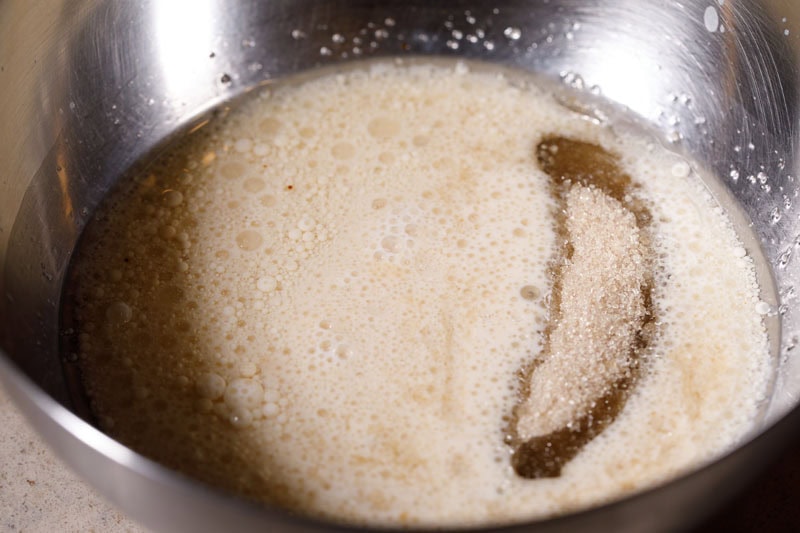
Ten minutes prior to mixing the batter, a "cheat’s buttermilk" is prepared. By combining 3/4 cup of milk with a tablespoon of apple cider vinegar or lemon juice, a chemical reaction is triggered. This process curdles the milk, creating an acidic liquid that will eventually react with the baking powder to produce carbon dioxide, ensuring the cake rises despite the absence of eggs.

Phase III: Dry Ingredient Integration and Fruit Coating
The dry ingredients—all-purpose flour, salt, baking powder, and a vital addition of cornstarch—are sifted together. The cornstarch serves to lower the overall protein content of the flour, resulting in a "softer" crumb. A crucial chronological step occurs here: the halved cherries are tossed in a tablespoon of flour. This coating provides friction, preventing the heavy fruit from sinking to the bottom of the pan during the 50-minute bake.

Phase IV: Assembly and Emulsification
The wet ingredients, including 1/3 cup of neutral oil and 3/4 cup of sugar, are whisked into the buttermilk mixture until fully dissolved. The dry ingredients are then folded in. The chronology of mixing is vital; over-mixing at this stage would develop gluten, leading to a tough, bread-like texture rather than a delicate cake.

Phase V: The Baking and Cooling Period
The batter is transferred to a 7-inch pan and baked for 50 to 55 minutes. The final stage of the chronology is the cooling process. A cake removed too early from its pan may crumble due to the moisture released by the cherries. It must rest on a wire rack until it reaches room temperature, allowing the internal structure to set completely.

Supporting Data: Nutritional Analysis and Ingredient Efficacy
To understand the impact of the Fresh Cherry Cake on a balanced diet, one must examine the nutritional data associated with the recipe. Based on a standard yield of eight servings, the cake provides a moderate caloric intake with a focus on carbohydrates and healthy fats.

Nutritional Breakdown (Per Serving):
- Calories: 262 kcal
- Carbohydrates: 44g (primarily from flour and raw sugar)
- Fat Content: 8g (Total), with a focus on monounsaturated fats (6g) derived from the oil.
- Protein: 3g
- Sugar: 23g
- Micronutrients: The cake is a surprising source of Vitamin A (53 IU), Calcium (59mg), and Folate (44µg), largely contributed by the fresh cherries and milk.
The Science of Substitutions
The data suggests that the use of oil instead of butter not only keeps the cake soft when refrigerated (as oil remains liquid at lower temperatures) but also reduces the saturated fat content to a mere 1 gram per slice. Furthermore, the inclusion of 1 tablespoon of cornstarch is a data-backed method to simulate the texture of cake flour using standard all-purpose flour, a common hurdle for home bakers.

Official Responses: Expert Insights from the Test Kitchen
Culinary experts and seasoned bakers, including Dassana (the developer of this specific method), emphasize that the success of egg-free baking lies in the details that many novices overlook.
On Ingredient Quality
"Freshness is non-negotiable," experts suggest. Using fresh cherries rather than canned ones prevents the batter from becoming overly saturated with syrup and ensures a "slight tartness" that cuts through the sweetness of the vanilla sponge. The "Official" recommendation for those using tart cherries is to adjust the sugar content upward, whereas very sweet cherries allow for a reduction in added sugar.

On Technical Execution
The most common feedback from professional test kitchens regarding this recipe concerns the "sinking fruit" phenomenon. The official response to this challenge is twofold: the flour-coating technique and the batter’s consistency. The batter must be "medium-thick and flowing." If the batter is too thin, no amount of flour coating will keep the cherries afloat.

On Aesthetic Presentation
For those serving the cake in a professional or festive capacity, experts suggest a light brushing of simple sugar syrup over the warm cake. This addresses the "floury appearance" that can sometimes remain on the surface cherries, giving the fruit a professional, glossy sheen.

Implications: The Future of Home Baking Culture
The popularity of the Fresh Cherry Cake has broader implications for the culinary world and domestic economy.

1. The Localization of the Supply Chain
By emphasizing "Indian cherries" or seasonal local varieties, the recipe encourages consumers to shop at local markets rather than relying on imported, preserved goods. This has a positive ripple effect on local agriculture and reduces the carbon footprint associated with long-distance food transport.

2. The Democratization of Baking
The fact that this recipe requires "no special equipment besides an oven" (not even a cherry pitter) implies a shift toward a more inclusive baking culture. It removes the barrier to entry for beginners, suggesting that high-quality, "neatly sliced" desserts are achievable for anyone with basic kitchen tools.

3. Health and Dietary Inclusivity
As the global population becomes more conscious of dietary triggers, the move toward egg-free, dairy-adaptable (using plant-based milk) recipes is significant. This Cherry Cake stands as a template for how traditional desserts can be modified to meet modern health standards without losing their "soul." The use of raw sugar and the ability to control sugar levels based on fruit ripeness further empowers the consumer to make healthier choices.

4. Storage and Longevity
The implication of using oil and an acidic buttermilk base is a longer shelf life. In a world where food waste is a growing concern, a cake that remains moist for 4 to 5 days in the refrigerator is a practical asset for the modern household.

In conclusion, the Fresh Cherry Cake is not merely a recipe but a testament to the sophistication of modern home baking. It balances the rustic charm of seasonal fruit with the rigorous demands of egg-free chemistry, resulting in a dessert that is as nutritionally informed as it is delicious. As we move further into an era of mindful consumption, such recipes will likely become the standard for the conscientious home cook.
