

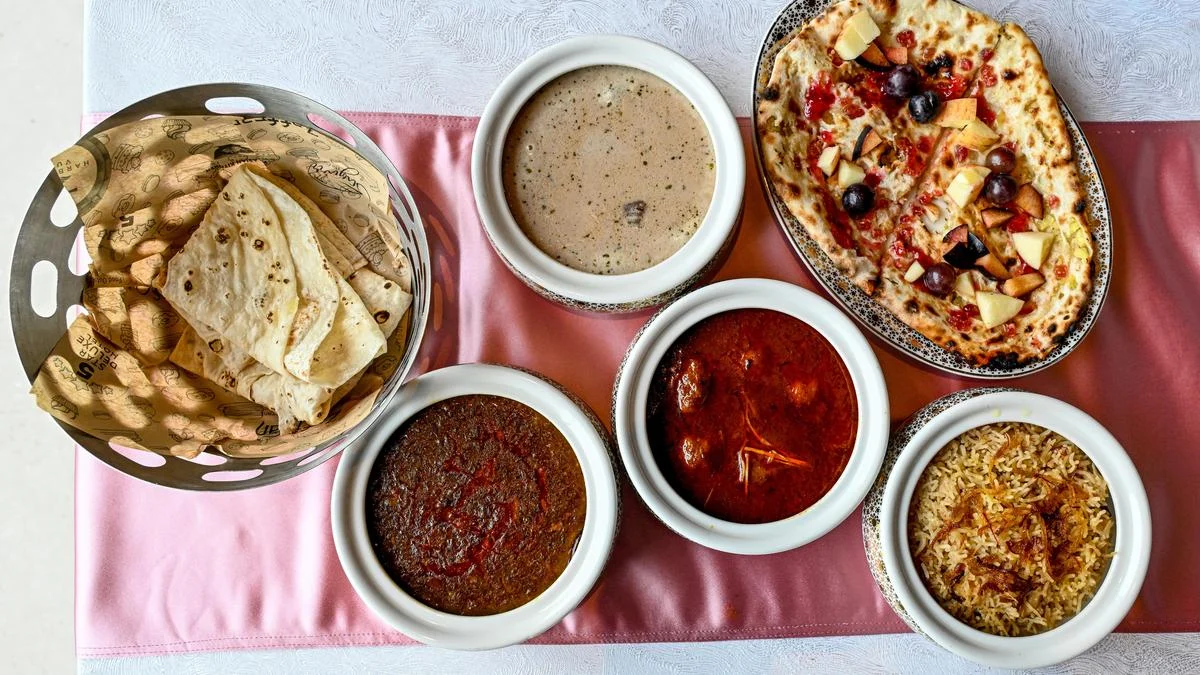
VISAKHAPATNAM – As the salt-laden breeze of the Bay of Bengal sweeps across the promenade of RK Beach, an entirely different olfactory experience awaits diners at the Novotel Visakhapatnam Varun Beach. Within the sophisticated confines of Zaffran, the hotel’s signature Indian restaurant, the air is thick with the scent of hand-ground fennel, sun-dried ginger, and the world’s most expensive spice: Kashmiri saffron.
The occasion is Dawat-E-Wazwan, a meticulously curated Kashmiri food festival that seeks to transport the palate from the humid shores of Andhra Pradesh to the temperate, saffron-streaked valleys of the Himalayas. Led by the expertise of guest chefs Rehman and Abdul, the festival is more than a mere culinary promotion; it is a masterclass in the "Wazwan"—the legendary multi-course meal that defines Kashmiri identity and hospitality.
I. Main Facts: A Culinary Bridge Across the Subcontinent
The Dawat-E-Wazwan festival, which concludes on June 28, represents a significant effort by Novotel Visakhapatnam to diversify the city’s gastronomic landscape. While Visakhapatnam has long been celebrated for its fiery Andhra cuisine and fresh seafood, the introduction of authentic Kashmiri flavors offers a stark, sophisticated contrast.
Key Event Details:
- Venue: Zaffran, Novotel Visakhapatnam Varun Beach.
- Curators: Chef Rehman and Chef Abdul, specialists in the Wazwan tradition.
- Core Philosophy: A focus on "aroma over heat," utilizing slow-cooking techniques and traditional spice blends.
- Cost for Two: Approximately ₹3,000–₹3,500 (plus taxes), positioning it as a premium dining experience.
- Signature Ingredients: Saffron, yogurt, fennel (saunf), dry ginger (sonth), and Kashmiri red chilies (used primarily for color).
The festival menu is a balanced tapestry of vegetarian and non-vegetarian offerings, designed to debunk the myth that Kashmiri food is exclusively meat-centric. While the legendary mutton preparations take center stage, the inclusion of lotus stems (Nadur) and artisanal paneer ensures a comprehensive representation of the Valley’s pantry.
II. Chronology: The Evolution of the Wazwan Tradition
To understand the significance of the dishes served at Zaffran, one must look back at the historical evolution of the Wazwan. The term is derived from two words: waz (the cook) and wan (the shop).
The tradition dates back to the 14th century, following the invasion of Timur, which brought a wave of skilled artisans, weavers, and cooks from Samarkand to the Kashmir Valley. Over centuries, these Central Asian influences merged with local Kashmiri Pandit traditions to create a unique culinary synthesis.
Traditionally, a Wazwan consists of 36 courses, prepared overnight under the supervision of a Vasta Waza (master chef). The meal is served on a Traem (a large, engraved copper platter) shared by four people. While the Novotel festival adapts this for an à la carte and buffet-style setting, the chronological preparation methods remain archaic and precise. The meat for the Rista and Gushtaba, for instance, is still hand-pounded on a stone plinth immediately after slaughter to ensure the cellular structure of the meat creates a natural emulsion—a process that takes hours of physical labor before the sun even rises.

III. Supporting Data: The Science of Spice and Texture
The hallmark of Kashmiri cuisine, as presented at Dawat-E-Wazwan, is its departure from the "onion-tomato-garlic" trinity that dominates much of North Indian commercial cooking. Instead, the flavor profiles are built on a foundation of dairy and dried aromatics.
The Aromatic Pillars
- Fennel and Ginger: Unlike the pungent heat of black pepper or green chilies, the heat in Wazwan is subtle. The combination of Saunf (fennel) and Sonth (dry ginger) provides a digestive quality and a lingering warmth.
- The Color of the Valley: The vibrant red of the Rista gravy does not come from high-scoville chilies but from the Mawal (cockscomb flower) and mild Kashmiri chilies, which provide a deep crimson hue without the searing burn.
- Dairy and Fat: The use of mustard oil and yogurt is central. Yogurt acts as a tenderizer for meats and a base for gravies like Yakhni, providing a creamy, slightly tart finish.
Menu Highlights and Technical Analysis
- Kashish Paya Shorba: A masterclass in extraction. By slow-simmering mutton trotters, the chefs have created a broth rich in collagen and clarity. It serves as a "palate opener," designed to coat the stomach before the heavier courses arrive.
- Maaz Seekh Kebab: Unlike the more common Lucknowi or Hyderabadi variants which often use heavy papaya paste for tenderization, the Kashmiri Maaz (meat) kebab relies on the quality of the mince and the precision of the flame. The result is a succulent texture that emphasizes the lamb’s natural fat.
- The Rista: This is arguably the most technically demanding dish on the menu. The meatballs are simmered in a gravy infused with saffron and cardamom. The springy, almost "bouncy" texture of the meat is the hallmark of a true Waza.
- Nadur Yakhni: Utilizing the lotus stems harvested from the Dal Lake (sourced specifically for the festival), this dish highlights the vegetarian sophistication of the region. The yogurt base is delicate, flavored with dried mint and cloves.
IV. Official Responses: The Chef’s Perspective
In an exclusive dialogue regarding the festival’s curation, Chef Rehman emphasized the importance of "patience" as an ingredient.
"Wazwan is not ‘fast food.’ It is a labor of love and a test of balance," Chef Rehman explained. "In modern kitchens, people are often too quick to add garam masala to fix a flavor. In our tradition, if the flavor isn’t right, you don’t add more spice; you change the cooking time or the temperature. We don’t rely on heavy spices; instead, the flavors come from ingredients like yogurt and saffron."
The management at Novotel Visakhapatnam Varun Beach noted that the festival was part of a broader strategy to cater to the evolving tastes of the city’s residents. "Visakhapatnam is becoming a hub for travelers and professionals from across India," a spokesperson for the hotel stated. "Events like Dawat-E-Wazwan allow us to provide an authentic cultural experience that goes beyond just a meal. It’s about storytelling through food."
While the feedback has been overwhelmingly positive, the chefs remain humble about the challenges of replicating the mountain cuisine in a coastal environment. "The humidity in Vizag affects how spices bloom," Chef Abdul noted. "We have had to slightly adjust our resting times for the doughs and meats to ensure the texture remains authentic to what you would find in Srinagar."
V. Implications: Gastronomy as Cultural Diplomacy
The Dawat-E-Wazwan festival at Novotel has implications that extend beyond the hospitality sector. It serves as a form of "gastronomic diplomacy," bringing the nuances of Kashmiri culture to a region of India that has historically had limited exposure to the Valley’s traditions.
1. Diversification of the Vizag Food Scene
For years, "North Indian" food in South Indian coastal cities was limited to a generic "Mughlai" template. The success of this festival indicates a growing appetite for specific, regional micro-cuisines. This shift encourages other luxury hotels and local restaurateurs to move away from "all-purpose" menus toward specialized, authentic offerings.

2. Sourcing and Supply Chain
The festival highlights the logistical feat of transporting regional ingredients—such as Kashmiri walnuts, dried cockscomb flowers, and authentic saffron—across the country. This creates a blueprint for future food festivals, proving that geographical distance is no longer a barrier to authentic culinary execution.
3. The "Slow Food" Movement
In an era of instant gratification and 10-minute deliveries, the Wazwan philosophy of slow cooking and manual labor (hand-pounding meat) serves as a reminder of the value of artisanal cooking. The festival encourages diners to slow down and appreciate the complexity of flavors that can only be achieved through hours of simmering.
4. Critical Observations
While the festival is a triumph of flavor, it also highlights the subjective nature of palate preferences. The Badami Kukar Tikka, while technically sound, struggled to project its almond notes against the charcoal smokiness, and the Kong Phirni (saffron rice pudding) leaned toward a level of sweetness that might overwhelm the modern, health-conscious diner. However, these are minor critiques in what is otherwise a seamless execution of a difficult craft.
Conclusion: A Saffron-Scented Success
As the Dawat-E-Wazwan festival enters its final days, it leaves behind a legacy of aromatic excellence. For the people of Visakhapatnam, it has been an opportunity to experience the "Paradise on Earth" through the medium of the Traem.
Chefs Rehman and Abdul have successfully demonstrated that the heart of Kashmiri food lies not in the fire of the chili, but in the soul of the saffron and the patience of the cook. For those seeking a meal that tells a story of history, migration, and mountain air, Zaffran remains the destination of choice until June 28. In the end, the festival proves that while the geography of India is vast and varied, the language of a well-cooked meal is universal.
