

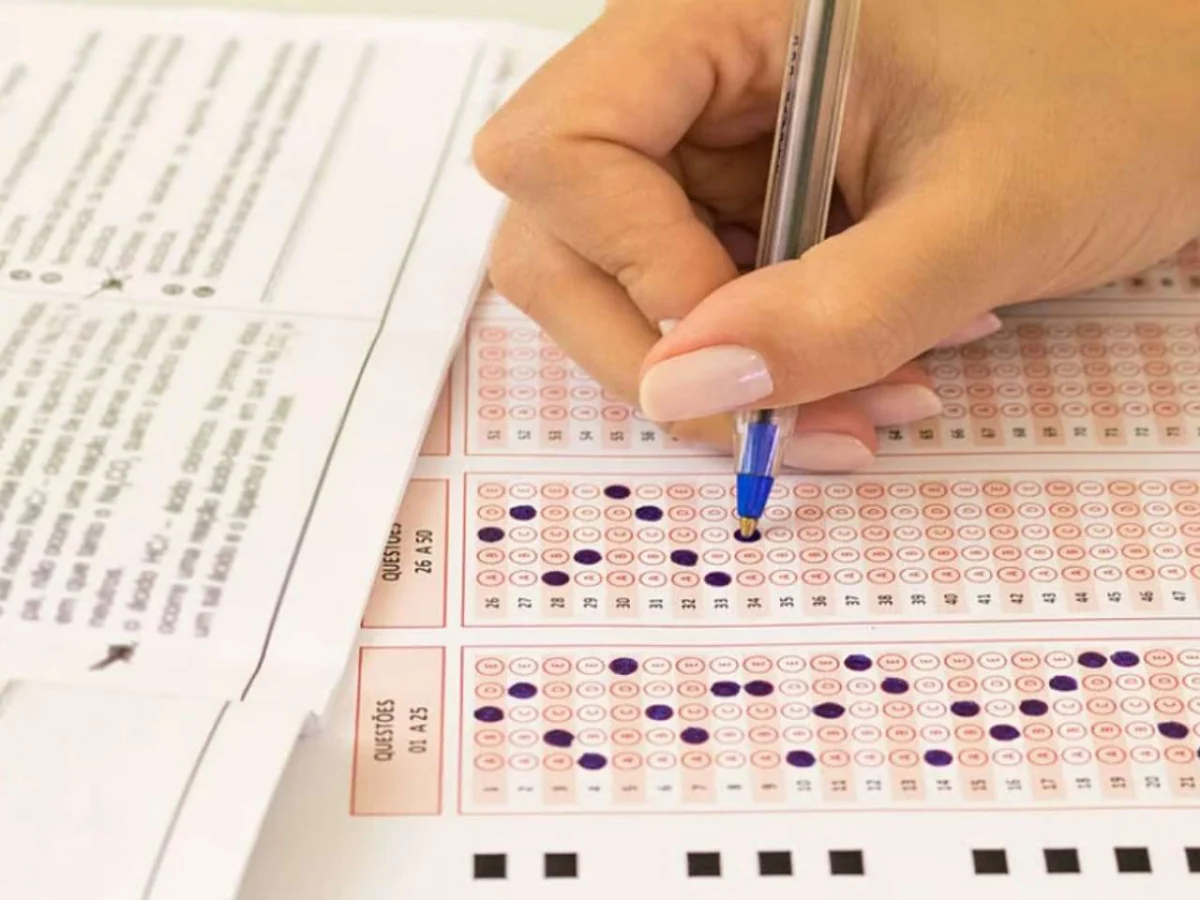
New Delhi: The National Testing Agency (NTA) has issued a stern warning to candidates and parents participating in the NEET UG 2026 examination, addressing a disturbing trend of submitting fabricated or artificially generated OMR response sheets for result scrutiny. The agency has unequivocally stated that only original OMR sheets, downloaded exclusively through official NTA platforms, will be considered for verification. This move signals a zero-tolerance policy towards fraudulent practices, with the NTA explicitly warning that any attempt to submit counterfeit documents could lead to severe legal repercussions.
The agency’s alert, disseminated through its official social media channels and direct communications, comes in the wake of numerous complaints from candidates and their guardians who have expressed discrepancies between their anticipated and officially declared NEET 2026 scores. These complaints, it has emerged, have been accompanied by OMR sheets that bear clear signs of manipulation or outright fabrication, raising serious questions about the integrity of the scrutiny process.
The Growing Concern: Fake OMR Sheets Emerge in NEET UG 2026 Scrutiny
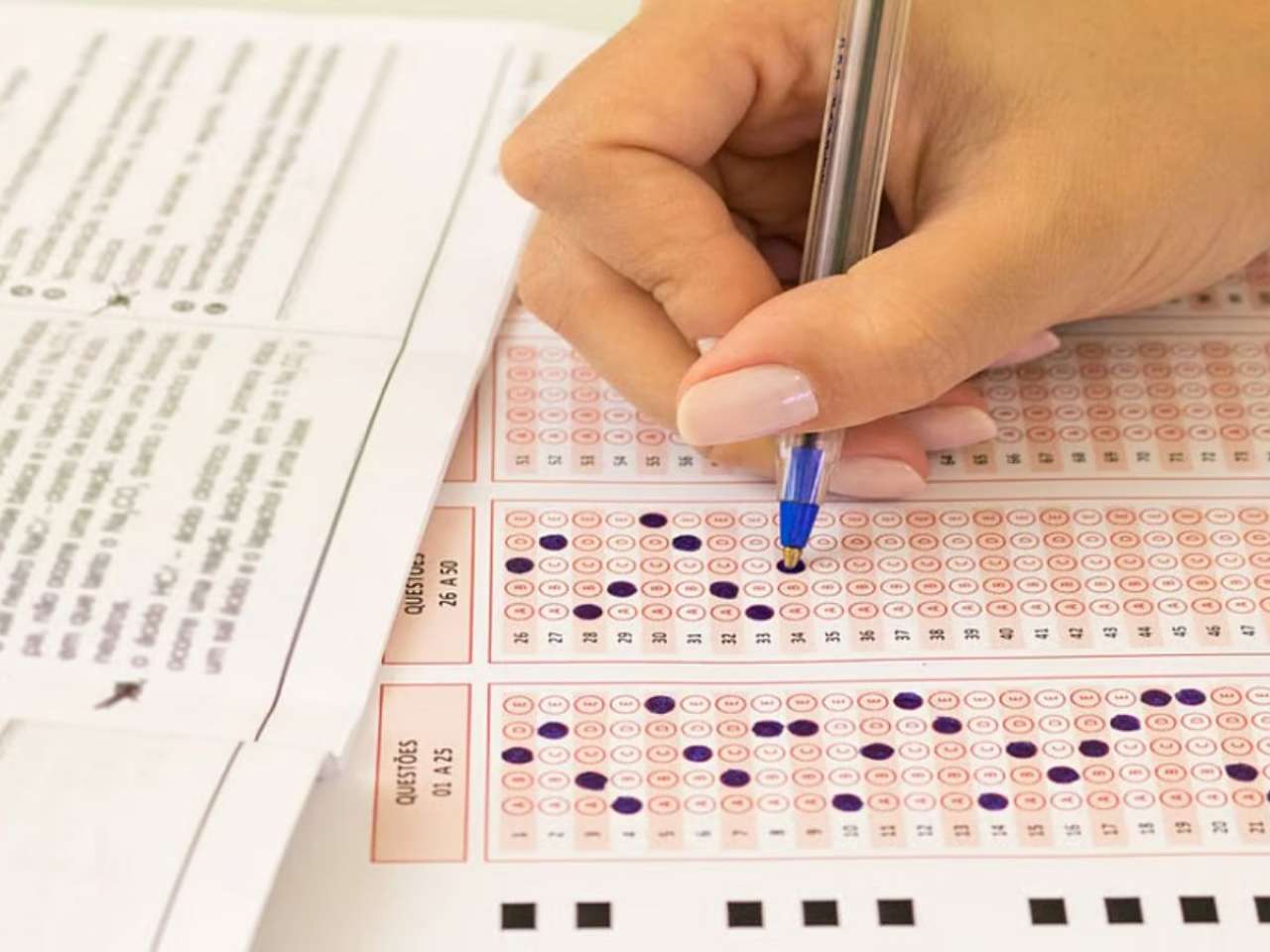
The National Testing Agency (NTA) has found itself at the forefront of a significant integrity challenge concerning the NEET UG 2026 examination. In a recent development that has sent ripples of concern through the academic and examination fraternity, the NTA has officially flagged the submission of what appear to be fake or AI-generated OMR response sheets by candidates seeking a review of their examination results. This alarming trend suggests a coordinated effort by some individuals to exploit the re-evaluation process for personal gain, potentially compromising the fairness and credibility of the entire examination system.
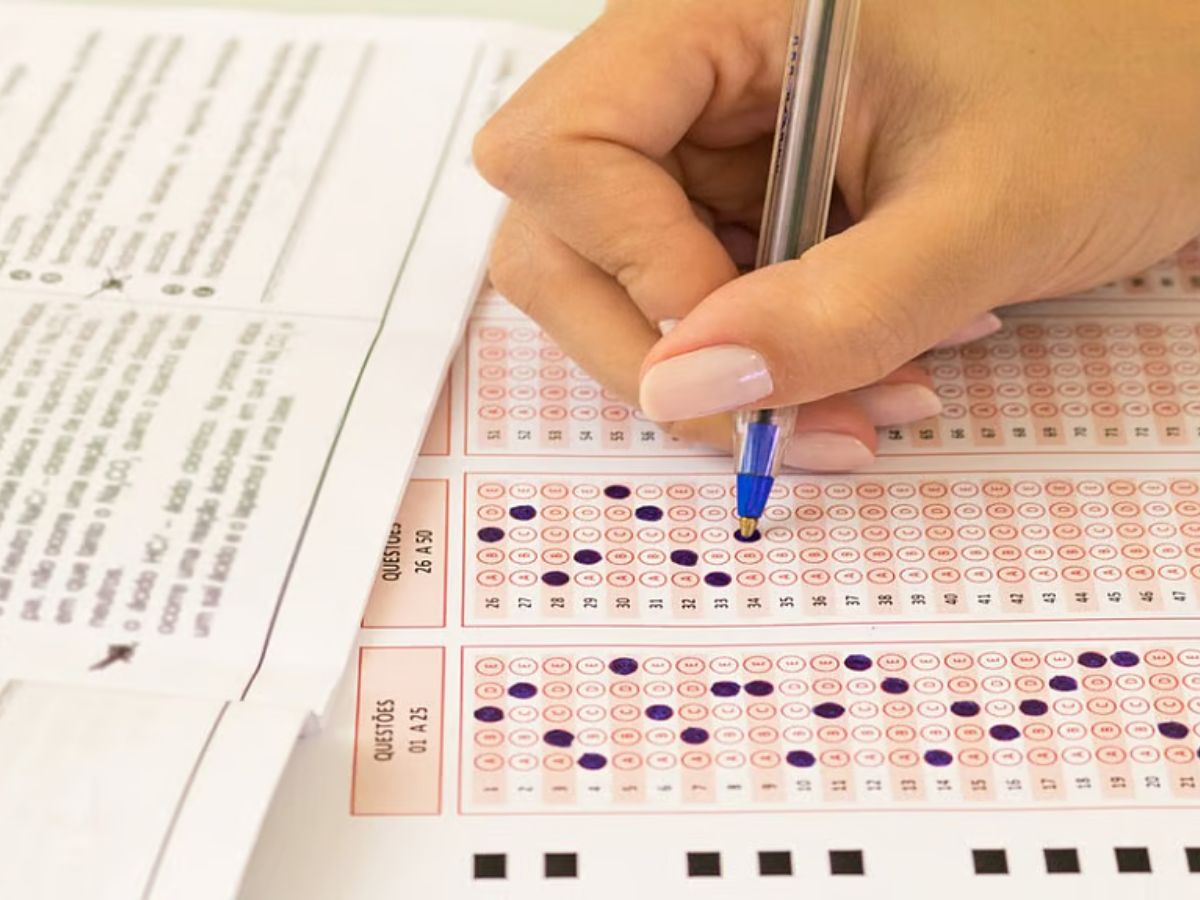
The NTA’s proactive stance underscores the seriousness of the situation. The agency has explicitly communicated that it is diligently monitoring and scrutinizing every complaint lodged. However, a significant number of OMR sheets presented for verification have been identified as either counterfeit or produced using advanced artificial intelligence (AI) technologies. This discovery has prompted the NTA to issue a robust advisory, urging students and parents to adhere strictly to the submission of only authentic OMR sheets for any scrutiny process. The agency has left no room for ambiguity: the submission of fraudulent documents will not be tolerated and could indeed invite stringent legal action against the complainant.
)
This warning is not merely a procedural update; it is a direct response to a perceived attempt to subvert the established examination and evaluation protocols. The NTA’s vigilance in identifying these fake OMR sheets demonstrates a commitment to maintaining the sanctity of the NEET UG examination, a gateway to critical undergraduate medical courses across India.
Chronology of Events: From Complaints to Crackdown
The NTA’s recent advisory is the culmination of a growing unease surrounding the NEET UG 2026 examination results and the subsequent scrutiny process. While the exact timeline of when these fake OMR sheets first surfaced is not precisely detailed, the NTA’s public statement on social media platform X (formerly Twitter) late on Saturday indicates that the issue had reached a critical point requiring immediate public disclosure.

The agency’s post directly addressed the submission of "various complaints with counterfeit OMR sheets." These complaints, the NTA noted, were primarily driven by a perceived disparity between candidates’ expected performance and their officially declared NEET 2026 scores. This suggests that some candidates, perhaps dissatisfied with their results or suspecting errors in evaluation, resorted to submitting fabricated evidence to bolster their claims.
The NTA’s statement on X read: “NTA is closely monitoring and scrutinizing all complaints. In the wake of many OMR sheets submitted for scrutiny turning out to be fake/AI generated, students and parents are advised to submit only original OMRs for scrutiny. Any fake / AI generated OMR may invite legal action against the complainant.” This declaration marks a definitive turning point, transforming a suspected issue into an officially acknowledged problem that demands decisive action.
)
The agency’s proactive approach is further underscored by the fact that this warning came just two days after the NTA declared the NEET UG 2026 re-test results on July 16th. The re-test itself was a consequence of a significant paper leak scandal that rocked the original examination, highlighting the NTA’s commitment to ensuring a fair process despite earlier setbacks. However, the emergence of fake OMR sheets now presents a new, internal challenge to the integrity of the examination system.
The fast-tracking of the re-test results and the subsequent release of the final answer key indicate the NTA’s efforts to restore normalcy and confidence in the NEET UG examination. Yet, the current situation regarding the OMR sheets casts a shadow over these efforts, necessitating a firm hand to deter any attempts at manipulation.
)
Supporting Data and the Scale of the NEET UG 2026 Examination
The NEET UG examination is one of the most competitive and high-stakes entrance tests in India, determining admissions to undergraduate medical courses (MBBS, BDS, and AYUSH programs) across the country. The sheer volume of candidates appearing for this exam, coupled with the intense pressure to secure a seat, unfortunately, creates an environment where fraudulent practices can unfortunately surface.
According to the NTA’s official declaration on July 16th, a substantial number of candidates have qualified in the NEET UG 2026 examination. A total of 11.25 lakh candidates have successfully cleared the exam, signifying the immense competition and the large pool of aspiring medical professionals. This figure alone underscores the scale of the examination and the critical importance of maintaining its integrity.
)
Furthermore, the NTA has provided insights into the gender distribution of the successful candidates, noting that over 58 percent of those who qualified were women. This statistic highlights the significant participation and success rate of female candidates in the medical entrance exam.
Adding to the intensity of the competition, the NTA revealed that a remarkable 138 candidates have achieved a perfect or near-perfect score of more than 690 marks out of a total of 720. This concentration of high scorers at the top further emphasizes the need for a robust and uncompromised evaluation system, where every mark and every answer is accurately recorded and assessed.
)
The context of the re-test, conducted weeks after the original exam was cancelled due to a paper leak scandal, amplifies the NTA’s responsibility. The agency had to demonstrate its capability to conduct a secure and fair examination, and the subsequent declaration of results and the final answer key were crucial steps in rebuilding trust. However, the current issue with fake OMR sheets threatens to undermine these efforts, highlighting the persistent challenges in safeguarding the examination process from internal manipulation.
Official Responses: NTA’s Firm Stance and Legal Ramifications
The National Testing Agency (NTA) has adopted a resolute and uncompromising stance in its response to the submission of fake OMR sheets. The agency’s public statements, particularly on the X platform, serve as a clear articulation of its policy and the potential consequences for those who engage in such fraudulent activities.
)
In its official advisory, the NTA has emphasized the absolute necessity of submitting only original OMR response sheets for the scrutiny process. This means that candidates must rely on the documents that were officially generated and provided to them through the NTA’s authorized channels. The agency has explicitly stated that any OMR sheet that is not downloaded from official platforms, or that shows signs of alteration, manipulation, or artificial generation, will not be considered valid for verification.
The NTA has also been very clear about the potential legal ramifications. The warning that "Any fake / AI generated OMR may invite legal action against the complainant" is a direct deterrent. This implies that the NTA is prepared to pursue legal avenues against individuals found to be submitting fraudulent documents. Such legal action could range from disqualification from the examination and future NTA-conducted tests to criminal charges, depending on the severity of the offense and the evidence gathered.
)
Furthermore, the NTA’s advisory extends to parents as well, acknowledging their role in the examination process and the potential for them to influence or be involved in such malpractices. The warning is a clear message to all stakeholders that the agency is committed to upholding the integrity of the examination system and will not hesitate to take decisive action against those who attempt to subvert it.
The agency’s strategy appears to be multi-pronged:
)
- Deterrence: The public warning and the threat of legal action are intended to dissuade potential offenders.
- Verification: By insisting on original, officially downloaded OMR sheets, the NTA aims to create a robust barrier against fabricated evidence.
- Enforcement: The agency’s preparedness to initiate legal proceedings signals its commitment to holding perpetrators accountable.
This firm approach is crucial, especially in the aftermath of the NEET UG 2026 paper leak scandal, where trust in the examination process was already shaken. The NTA’s current actions are aimed at reinforcing its commitment to fairness and transparency, ensuring that the NEET UG examination remains a credible pathway to medical education.
Implications: Safeguarding Integrity and Future Examinations
The NTA’s crackdown on fake OMR sheets for NEET UG 2026 has far-reaching implications, extending beyond the immediate concern of result scrutiny and impacting the broader landscape of examination integrity in India. This decisive action signals a critical juncture in the NTA’s efforts to combat fraudulent practices and uphold the credibility of its administered tests.
)
For the NEET UG 2026 Candidates and Parents:
The most immediate implication is for the candidates and their parents who were considering or have already submitted OMR sheets for scrutiny. The NTA’s warning serves as a stark reminder that attempting to manipulate the system will not only be unsuccessful but could also lead to severe penalties. This will likely deter many from engaging in such practices, encouraging them to rely on the official channels and processes for addressing their concerns. For genuine grievances, the emphasis on original documents ensures a fair review.
For the Credibility of the NTA and NEET UG:
The NTA’s proactive stance in identifying and addressing the issue of fake OMR sheets is crucial for rebuilding and maintaining public trust. By taking a firm and transparent approach, the agency demonstrates its commitment to fairness and its ability to detect and counter fraudulent activities. This can help to restore confidence in the NEET UG examination, which is a critical gateway for aspiring medical professionals. Failure to address such issues effectively could erode the credibility of the NTA and the entire examination system, leading to widespread distrust and potential chaos.
)
For Future Examinations:
The lessons learned from the NEET UG 2026 situation will undoubtedly inform the NTA’s strategies for future examinations. The agency is likely to enhance its technological capabilities for detecting AI-generated content and to further strengthen its verification protocols. This could include more rigorous checks on submitted documents, improved digital watermarking of OMR sheets, and advanced forensic analysis techniques. The increased scrutiny and the potential for legal action will serve as a deterrent for future attempts at similar fraudulent activities across all NTA-conducted examinations, including JEE, UGC-NET, and others.
The Role of Technology:
The mention of AI-generated OMR sheets highlights the evolving nature of examination malpractices. As technology advances, so too must the methods employed by examination bodies to counter these threats. The NTA’s acknowledgement of AI in this context suggests a need for continuous investment in and adaptation of technological solutions to safeguard the integrity of examinations. This includes developing sophisticated AI detection tools and staying ahead of emerging methods of document forgery.
)
Legal and Ethical Framework:
The NTA’s threat of legal action underscores the importance of a robust legal and ethical framework surrounding examinations. This incident highlights the need for clear regulations and severe penalties for those who attempt to compromise the integrity of the examination process. It also prompts a broader discussion about the ethical responsibilities of candidates, parents, and examination bodies alike.
In conclusion, the NTA’s firm stance against fake OMR sheets for NEET UG 2026 is a necessary and positive development. It reflects a commitment to fairness, transparency, and the long-term integrity of India’s crucial medical entrance examination. By drawing a clear line against fraudulent practices and emphasizing the potential legal consequences, the NTA is working to ensure that the NEET UG examination remains a credible and equitable pathway for deserving students to pursue their dreams of a career in medicine.
