

The dawn of the 21st century marked a seismic shift in how the world perceived the Indian subcontinent. In the early 2000s, the "Incredible India" campaign was launched, successfully dismantling archaic Western stereotypes of snake charmers and mystical poverty. It replaced them with a vibrant, design-led narrative that highlighted the country’s rich cultural tapestry and architectural grandeur. Today, that legacy is entering a sophisticated new chapter.
As global tourism enters an era dominated by digital algorithms, niche boutique experiences, and the "creator economy," the Ministry of Tourism has embarked on a landmark Public-Private Partnership (PPP) with IndiGo, India’s largest carrier. Titled Incredible !ndia by IndiGo, this initiative seeks to redefine the national brand for a modern audience, leveraging the reach of aviation to sell a contemporary, multifaceted India to the world.
Main Facts: A New Era of Public-Private Collaboration
The Incredible !ndia by IndiGo campaign represents a strategic pivot in India’s tourism marketing. While previous iterations were largely government-funded and state-driven, this new phase places a private sector giant at the center of the narrative. The partnership aims to utilize IndiGo’s vast international and domestic network to act as a primary storyteller for the Indian experience.
The Mechanics of the Partnership
The collaboration is not merely a branding exercise but a comprehensive media integration. Over the coming months, the campaign will be visible across multiple touchpoints:
- In-flight Programming: Curated content and destination films will be showcased to millions of passengers.
- Digital Integration: A robust social media and digital campaign designed to intercept travelers during the "inspiration" phase of their journey.
- International Outreach: Utilizing IndiGo’s expanding footprint in Central Asia, Southeast Asia, and the Middle East to draw travelers toward India’s lesser-known gems.
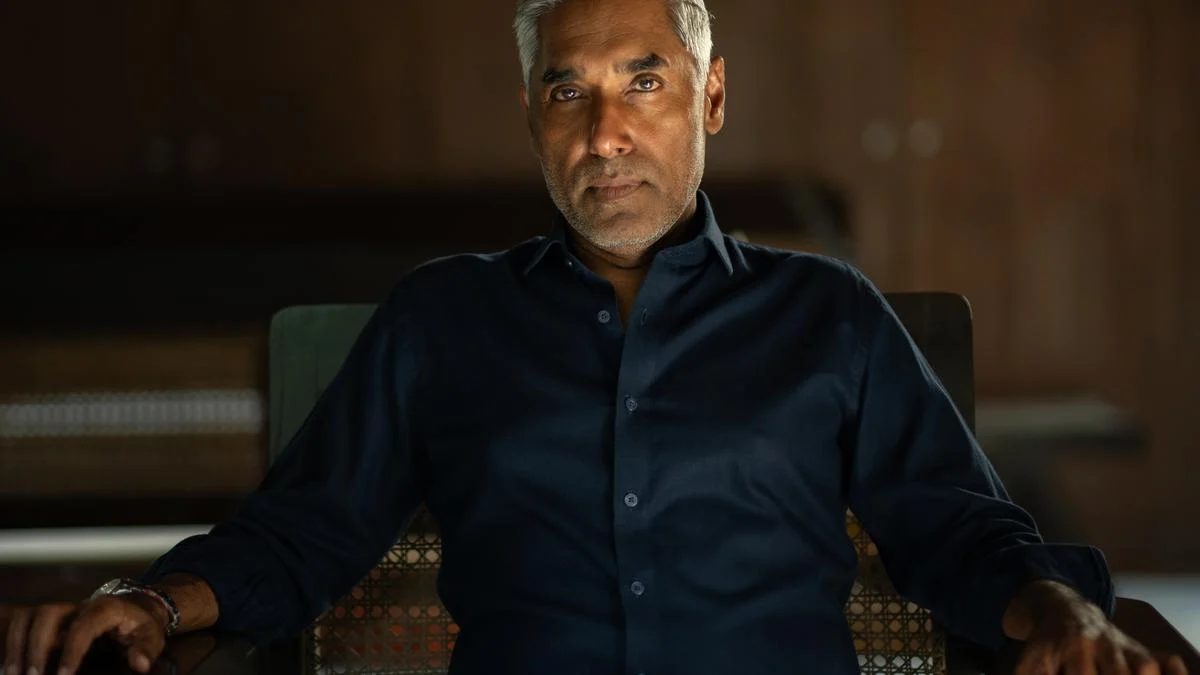
V Sunil, the creative visionary who helped craft the original campaign two decades ago and is now a key architect of this new partnership, emphasizes that the goal is to move beyond the "Golden Triangle" (Delhi, Agra, Jaipur) and showcase the depth of the Indian experience. The campaign focuses on "slow travel," cultural immersion, and the modern infrastructure that makes India more accessible than ever before.
Chronology: From Clichés to Culture to Collaboration
To understand the significance of the IndiGo partnership, one must look at the two-decade evolution of India’s branding.
2002–2010: The Branding Revolution
In the early 2000s, India was struggling to find a cohesive voice in the global tourism market. The launch of "Incredible India" was a watershed moment. It was the first time the country presented itself through the lens of high design and sophisticated aesthetics.
"In the beginning, it was purely a brand-building exercise to establish the words ‘Incredible India,’" says V Sunil. The campaign focused on the "spirit" of India, using high-contrast photography and minimalist layouts to grab attention in international magazines and on billboards in New York and Berlin.
2011–2020: The Rise of the Experience Economy
By the second decade, the campaign transitioned from a purely visual brand to an experiential platform. India began leveraging its "soft power" through global events. The rise of the Kochi-Muziris Biennale in Kerala and the Jaipur Literature Festival in Rajasthan transformed tourism from passive sightseeing into active cultural participation. Travelers were no longer just looking at monuments; they were engaging with India’s contemporary intellectual and artistic life.
2024 and Beyond: The Tech-Driven Pivot
The current phase, marked by the IndiGo partnership, acknowledges that the "gatekeepers" of travel have changed. In 2002, a traveler might have been influenced by a travel agent or a print ad. In 2024, they are influenced by Instagram reels, Google search algorithms, and the convenience of direct flight routes. The new campaign recognizes that a national brand cannot survive in a vacuum; it requires the infrastructure of an airline and the agility of digital marketing to remain competitive.
Supporting Data: The Changing Landscape of Global Tourism
The necessity for this reimagined campaign is backed by shifting global trends. According to industry reports, the "modern traveler" prioritizes authenticity and ease of access over traditional luxury.
The Rise of Cultural Tourism
Data shows that cultural festivals have become significant drivers of inbound tourism. The Kochi-Muziris Biennale, for instance, has seen a steady increase in international footfall, contributing significantly to Kerala’s economy. This "festival-led tourism" is a key pillar of the new campaign, as it offers a recurring reason for travelers to return to India.

The Influence of the "Algorithm"
In a market saturated with options, India is competing with every other destination on the planet for "screen time."
- Social Media Impact: Over 70% of Gen Z and Millennial travelers report that their destination choices are influenced by social media content.
- The Partnership Model: Tourism boards globally are moving toward collaborations. Examples like "Visit Britain" partnering with airlines or "Singapore Tourism Board" collaborating with tech platforms serve as the blueprint for the IndiGo-India partnership.
V Sunil notes that the "Incredible" tag remains the country’s greatest asset. "The word ‘incredible’ works very well for our kind of country. India is multicultural, multilingual, and diverse. That one word really holds it all together," he explains.
Official Responses: A Vision of Unified Growth
The partnership has received high-level backing from the Indian government, signaling a shift toward a more business-friendly approach to tourism promotion.
The Minister’s Perspective
Gajendra Singh Shekhawat, the Union Minister of Tourism, has been a vocal proponent of this public-private synergy. The Ministry views the partnership with IndiGo as a way to "democratize" tourism, making it easier for international visitors to navigate the vast geography of India through a single, trusted brand. The government’s role is shifting from being the sole provider of tourism information to being a facilitator of a broader ecosystem.
The Creative Mandate
For V Sunil and his team at the branding and design agency .POTNTIAL., the mandate is to keep the brand "rooted yet futuristic." Sunil argues that while technology and partnerships are essential, the core of the brand must remain emotional. "In the right hands, the reflection of India becomes beautiful," he says, citing how filmmakers like Wes Anderson have captured the aesthetic essence of Rajasthan to global acclaim. The goal is to replicate that "feeling" of India across all digital and physical touchpoints of the IndiGo journey.
Implications: Challenges and the Path Forward
While the Incredible !ndia by IndiGo campaign promises a new era of growth, it also brings to the fore the inherent challenges of scaling tourism in a developing nation.
The Overtourism Dilemma
As India invites the world to its shores, it must grapple with the same issues facing Venice, Barcelona, and Bhutan: how much tourism is too much? The pressure on infrastructure, the environment, and local cultures is a growing concern. The new campaign attempts to mitigate this by promoting "off-beat" destinations and spreading the tourist load across different states, rather than concentrating it in a few over-burdened hubs.
The "Cleanliness" Prerequisite
Perhaps the most candid observation from V Sunil is that branding has its limits. While a campaign can shape perceptions and evoke emotions, it cannot mask the ground reality. When asked what single change would make India more welcoming, Sunil’s answer was immediate and pragmatic: "A cleaner country."
The implication is clear: soft power and brilliant marketing must be met with civic improvements. For the "Incredible India" brand to sustain its value over the next twenty years, the "on-ground" experience must match the "on-screen" promise. This includes better waste management, improved public sanitation, and the preservation of the very heritage sites that the campaign promotes.
Conclusion: A Brand in Constant Motion
The Incredible !ndia by IndiGo campaign is more than just a series of advertisements; it is a reflection of a maturing nation that understands the power of collaboration. By blending the reach of a commercial airline with the cultural depth of a national identity, India is attempting to secure its place in the highly competitive global travel market.
As the campaign rolls out across international terminals and digital feeds, the message is clear: India is no longer just a destination to be seen; it is an experience to be lived, a culture to be felt, and—most importantly—a journey that is now more accessible than ever before. The success of this new chapter will depend not just on the brilliance of its visuals, but on the country’s ability to evolve its infrastructure alongside its image.
