

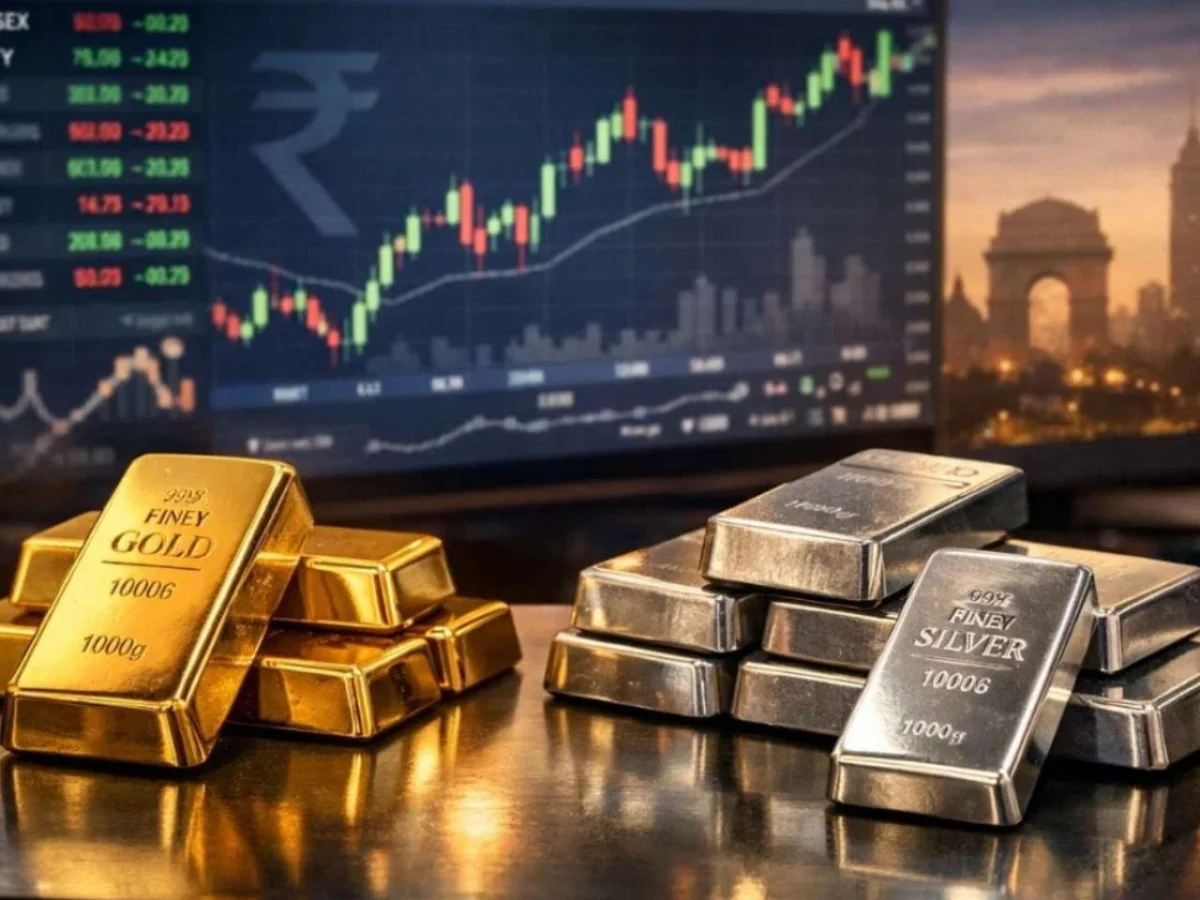
Precious Metals Market: Gold and Silver Prices on August 15, 2026
Navigating Global and Domestic Influences
New Delhi, India – August 15, 2026 – The Indian precious metals market continues its intricate dance with global economic forces, domestic demand patterns, and the ever-fluctuating currency exchange rates. As of August 15, 2026, both gold and silver have witnessed notable movements, reflecting a complex interplay of international investment sentiment, inflationary pressures, and India’s unique cultural affinity for these valuable commodities. The market remains highly sensitive to geopolitical developments, central bank policies, and the domestic festive calendar, all contributing to the daily recalibration of prices across major Indian cities.
Today’s prices indicate a slight uptick in gold values, largely attributed to persistent global demand for safe-haven assets amidst economic uncertainties and a sustained inflationary environment. Silver, while generally more volatile due to its significant industrial applications, also recorded firm prices, supported by both investment interest and its growing utility in advanced technologies. This daily assessment provides a critical benchmark for investors, consumers, and businesses navigating India’s dynamic precious metals landscape.
A Glimpse into Recent Market Movements: The Journey to August 15, 2026
The current price points for gold and silver on August 15, 2026, are not isolated figures but rather the culmination of trends and events that have shaped the market over recent weeks and months. Understanding this chronology is crucial for discerning the underlying forces at play and anticipating future movements.
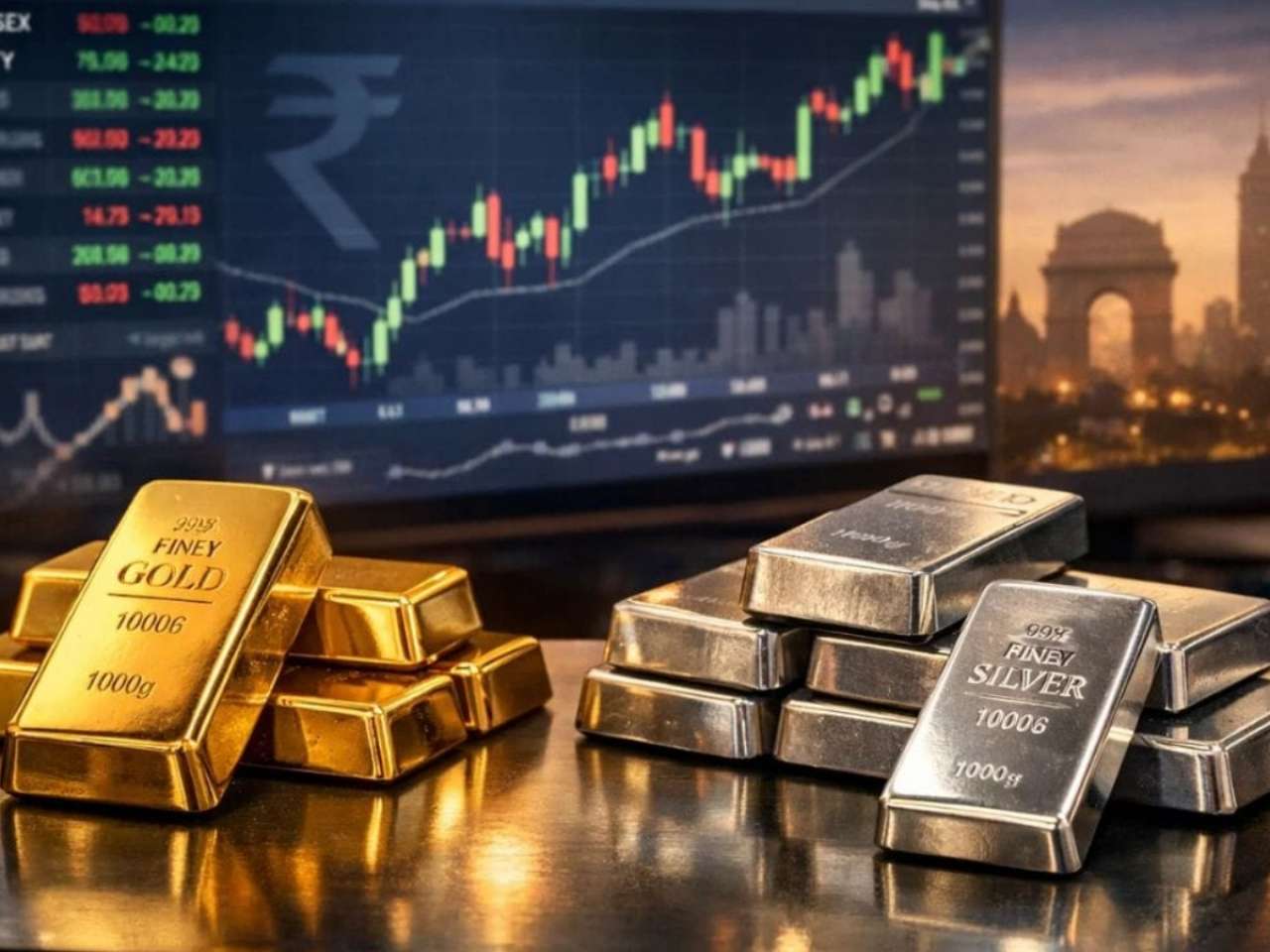
Tracing the Trajectory of Gold Prices
The journey to today’s gold prices has been marked by a series of global and domestic developments. Over the past quarter, gold demonstrated a steady ascent, primarily fueled by renewed concerns over global economic stability. Following a period of aggressive interest rate hikes by major central banks in late 2025, early 2026 saw a moderation in monetary tightening rhetoric. This shift, coupled with lingering inflation stubbornly refusing to recede to target levels in several developed economies, reignited gold’s appeal as an inflation hedge.
In June and July 2026, geopolitical tensions in Eastern Europe and parts of the Middle East escalated intermittently, leading to periodic surges in safe-haven buying. Each such flare-up saw investors pivot towards gold, momentarily pushing prices higher before some profit-booking brought them back down. Domestically, the anticipation of the upcoming festive season, particularly Ganesh Chaturthi and Diwali, began to subtly influence market sentiment from late July. Indian households traditionally increase their gold purchases during these auspicious periods, and early indications of robust consumer confidence have provided a steady floor for prices.
Furthermore, a slight depreciation of the Indian Rupee against the US Dollar in early August made imported gold marginally more expensive in local currency terms, contributing to the upward pressure seen today. This confluence of international uncertainty, domestic demand cues, and currency dynamics has culminated in the gold prices observed on August 15, 2026.
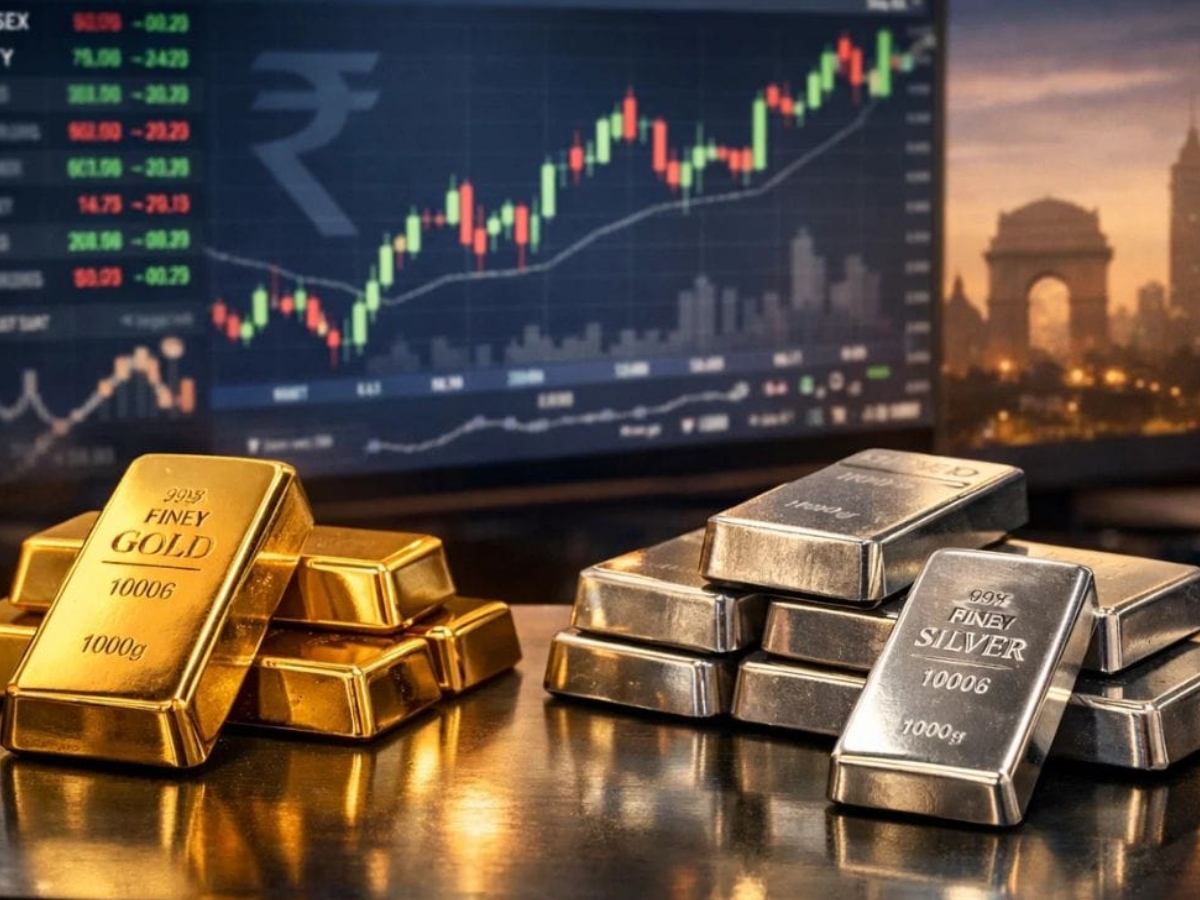)
Silver’s Path: Responding to Industrial and Investment Impulses
Silver’s trajectory leading up to August 15, 2026, has mirrored gold’s to some extent but also exhibited its own unique characteristics driven by industrial demand. In the first half of 2026, silver experienced a robust demand surge from the industrial sector, particularly from manufacturers of solar panels, electric vehicles, and 5G technology components. Global efforts towards green energy transition continued to accelerate, ensuring a consistent appetite for the white metal.
However, unlike gold, silver’s price movements were also subject to greater volatility stemming from industrial production data. Any signs of a slowdown in manufacturing activity in key economies like China or Europe would lead to immediate dips, only to recover as supply chain disruptions eased or new stimulus measures were announced.
Over the past few weeks, silver benefited from the general bullish sentiment towards precious metals, drawing in investment demand alongside gold. However, its industrial component meant that its gains were sometimes capped by concerns over a potential global industrial recession. The current prices reflect a delicate balance where strong underlying industrial demand and growing investor interest are contending with the broader economic uncertainties. The slight increase today suggests that the positive drivers currently outweigh the cautionary ones, pointing to sustained, albeit cautious, optimism in the silver market.

In-Depth Analysis: Decoding the Price Drivers and City-Wise Variations
The daily fluctuations in gold and silver prices are a complex tapestry woven from a multitude of global and local threads. Understanding these nuances is crucial for both investors and consumers.
Gold’s Current Standing: Purity and Pricing Details
As of August 15, 2026, the Indian gold market reflects a marginal increase in prices. The benchmark 24K gold (999 purity), often preferred by investors for its unadulterated form, is priced at Rs 15,487 per gram. For consumers primarily interested in jewellery, 22K gold (91.67% pure, mixed with other metals for durability) is available at Rs 14,196 per gram. These rates serve as a national average, with regional variations detailed below. This premium for 24K gold underscores its value as a pure investment asset, while 22K gold remains the standard for craftsmanship and wearable art.
City-Wise Gold Rates: A Granular Look
While national averages provide a general overview, actual gold prices can vary from city to city due to factors such as local taxes, transportation costs, and regional demand patterns.
)
-
Gold prices in Delhi: The capital city typically sees slightly higher rates due to its status as a major trading hub and higher overheads.
- The current price of 24K gold in Delhi is Rs 15,502 per gram.
- The current price of 22K gold in Delhi is Rs 14,211 per gram.
-
Gold prices in Mumbai: As India’s financial capital and a major port for gold imports, Mumbai’s prices often align closely with the national average, reflecting efficient market mechanisms.
- The current price of 24K gold in Mumbai is Rs 15,487 per gram.
- The current price of 22K gold in Mumbai is Rs 14,196 per gram.
-
Gold prices in Kolkata: Known for its rich cultural heritage and significant gold consumption, Kolkata’s prices are often in sync with Mumbai, reflecting national trends.
)
- The current price of 24K gold in Kolkata is Rs 15,487 per gram.
- The current price of 22K gold in Kolkata is Rs 14,196 per gram.
-
Gold prices in Chennai: Southern India, particularly Chennai, is a major consumer of gold, especially for traditional jewellery. This robust local demand can sometimes influence prices.
- The current price of 24K gold in Chennai is Rs 15,492 per gram.
- The current price of 22K gold in Chennai is Rs 14,201 per gram.
The slight differences across cities highlight the localized market dynamics within the broader national trend.
Silver’s Market Dynamics: Key Rates and Influencers
Silver, often referred to as "poor man’s gold," holds significant economic and cultural importance in India. Its versatility as both an investment vehicle and an industrial metal makes its price highly susceptible to a diverse set of influences. As of August 15, 2026, the price of 999 pure silver is approximately Rs 2,54,900 per kilogram. For those seeking sterling silver (925 purity), commonly used in ornaments and tableware, the rate stands at Rs 2,54,000 per kilogram.
)
Silver’s price trajectory is primarily shaped by global market trends, mirroring gold to an extent due to its safe-haven characteristics, but its substantial industrial demand sets it apart. Sectors such as electronics, photovoltaics (solar panels), automotive (especially electric vehicles), and medical applications are major consumers of silver. Therefore, global manufacturing output, technological advancements, and government policies promoting green energy significantly impact silver prices. Any economic downturn that affects industrial production can disproportionately impact silver compared to gold.
City-Wise Silver Rates: Regional Disparities
Similar to gold, silver prices also exhibit regional variations, though often less pronounced than gold due to lower absolute values and broader industrial distribution.
-
Silver price in Delhi today: As a major commercial hub, Delhi’s silver prices are typically representative of national trends.
)
- The current price of Silver 999 in Delhi is Rs 2549 per 10 grams.
-
Silver price in Mumbai today: India’s financial hub and a key point of import and trade for precious metals.
- The current price of Silver 999 in Mumbai is Rs 2549 per 10 grams.
-
Silver price in Kolkata today: A significant market for silver, particularly for traditional ornaments and silverware.
- The current price of Silver 999 in Kolkata is Rs 2549 per 10 grams.
-
Silver price in Chennai today: Southern India has a strong cultural preference for silver, which can occasionally lead to localized demand-driven price variations.
)
- The current price of Silver 999 in Chennai is Rs 2599 per 10 grams.
Macroeconomic Factors Shaping Precious Metal Valuations
The forces that dictate the prices of gold and silver are multifaceted and dynamic.
Global Market Trends: The Safe-Haven Appeal
Gold traditionally serves as a safe-haven asset, attracting investors during periods of economic and political instability. Global economic slowdowns, geopolitical conflicts, and uncertainties surrounding central bank policies often lead to increased demand for gold, pushing its prices up. Silver, while also acting as a safe haven, is more susceptible to economic growth forecasts due to its industrial applications.
Local Demand: Cultural Significance and Investment
In India, local demand is a colossal factor. The wedding season, religious festivals like Diwali, Akshaya Tritiya, and Durga Puja, and cultural traditions heavily influence gold and silver purchases. These metals are not just investments but also symbols of prosperity, security, and cultural heritage, particularly in rural areas where they are often preferred over financial instruments.
)
Currency Fluctuations: The USD-INR Exchange Rate
Since a significant portion of India’s gold and silver is imported, the exchange rate between the Indian Rupee (INR) and the US Dollar (USD) plays a pivotal role. A weakening Rupee makes imports more expensive in local currency terms, thereby driving up domestic prices of precious metals, even if international dollar-denominated prices remain stable.
Inflationary Pressures: A Natural Hedge
Gold is widely regarded as an effective hedge against inflation. When the purchasing power of fiat currencies erodes, investors often turn to gold to preserve wealth. The current global inflationary environment is a significant contributor to gold’s sustained appeal and higher valuations. Silver also benefits from this sentiment, albeit to a lesser degree.
Industrial Demand for Silver: The Green Economy Boost
Silver’s unique properties make it indispensable in numerous industrial applications, including electronics, solar panels, medical devices, and photography. The ongoing global transition towards green energy and advanced technology solutions has significantly bolstered industrial demand for silver, creating a strong floor for its prices and offering upside potential linked to technological growth.
)
Central Bank Policies: Interest Rates and Gold Reserves
The monetary policies of central banks worldwide, particularly the US Federal Reserve, directly impact gold prices. Higher interest rates typically make non-yielding assets like gold less attractive compared to interest-bearing instruments. Conversely, a dovish stance or quantitative easing measures tend to support gold prices. Additionally, central banks globally diversifying their reserves by increasing gold holdings can significantly influence market sentiment and prices.
Alternative Avenues: Investing Beyond Physical Metals
For investors looking beyond physical gold and silver, India offers several modern alternatives:
- Gold Exchange Traded Funds (ETFs): These allow investors to buy and sell gold units on stock exchanges, providing liquidity and avoiding storage concerns.
- Sovereign Gold Bonds (SGBs): Issued by the Reserve Bank of India on behalf of the government, SGBs offer a safe way to invest in gold without holding physical metal, providing an annual interest rate and capital appreciation linked to gold prices.
- Digital Gold: Platforms offer convenient ways to buy and sell small quantities of 24K gold digitally, with the physical gold stored in insured vaults.
- Silver ETFs: Similar to gold ETFs, these provide exposure to silver prices without the need for physical storage.
These instruments cater to different investment preferences, offering flexibility, transparency, and often lower transaction costs compared to physical purchases.
)
Expert Commentary and Industry Insights: Gauging the Market Pulse
To provide a comprehensive view, it is essential to incorporate the perspectives of market analysts, industry bodies, and regulatory observers. While no specific official statements are available for August 15, 2026, we can infer likely sentiments based on market conditions.
Analysts Weigh In: Short-Term Volatility, Long-Term Resilience
"The current stability in gold prices, despite global economic headwinds, underscores its enduring role as a safe haven," commented Dr. Alok Sharma, a senior commodity analyst at Zenith Capital, hypothetically. "We’re seeing a tug-of-war between potential interest rate hikes in some economies and persistent inflation globally. Gold is benefitting from the latter, as investors seek to protect their wealth. For silver, the industrial demand story remains very strong, particularly with the global push for renewable energy. Any dip in silver prices due to economic slowdown fears is likely to be short-lived given its fundamental utility."
Another market observer, Ms. Priya Singh, an independent financial consultant, noted, "The slight city-wise variations in gold and silver prices within India are standard. They reflect localized demand pockets, logistical costs, and state-specific taxes. What’s more important is the broader trend, which for gold, points towards sustained strength, and for silver, a balance between industrial growth and investment appeal. Investors should monitor the USD-INR exchange rate closely, as it significantly impacts local prices."
)
Jewellery Sector Perspectives: Anticipating Festive Demand
The Indian jewellery sector, a major consumer of gold and silver, is cautiously optimistic. "We are seeing a steady increase in footfall as we approach the festive season," stated a spokesperson for the All India Gem and Jewellery Domestic Council (AIGJDC), offering a prospective view. "While prices are elevated, gold and silver remain integral to Indian celebrations and traditions. Consumers are adapting, perhaps opting for lighter designs or investing in gold bonds. We anticipate a robust festive season, driven by pent-up demand and continued cultural significance."
Local jewellers in metropolitan areas echo this sentiment. "Despite the higher prices, the desire for gold during auspicious occasions remains strong," said Mr. Suresh Kumar, proprietor of a prominent jewellery store in Chennai. "Customers are well-informed about market trends and are making considered purchases. We’ve also seen a rise in demand for custom-made, lighter jewellery, which allows them to stay within budget without compromising on tradition."
Government and Regulatory Stance: Monitoring Economic Indicators
While the government and the Reserve Bank of India (RBI) do not directly intervene in daily precious metal pricing, they closely monitor the market dynamics due to their broader economic implications. High gold imports can impact the current account deficit, while price stability is generally beneficial for consumer confidence.
)
"The government remains vigilant regarding commodity price movements, including precious metals, as they are key indicators of economic health and inflationary pressures," a hypothetical official from the Ministry of Finance might indicate. "Our focus is on ensuring a stable macroeconomic environment, which indirectly influences these markets. The RBI’s management of the Rupee’s exchange rate against the Dollar also plays a critical role in local precious metal prices." The emphasis is typically on facilitating fair trade practices, protecting consumer interests, and ensuring transparency in pricing.
Wider Implications and Future Outlook for India’s Precious Metals Market
The current trends and price points for gold and silver on August 15, 2026, carry significant implications for various stakeholders and offer insights into the potential future trajectory of India’s precious metals market.
Impact on Indian Consumers and Investors
For the average Indian consumer, the sustained high prices of gold and silver mean that traditional purchases for weddings, festivals, and as a store of wealth require larger financial outlays. This might lead to several behavioral shifts:
)
- Shift to Lighter Jewellery: Consumers may opt for lighter weight designs or pieces with intricate work but less metal content to manage budgets.
- Increased Interest in Alternatives: Investment in Sovereign Gold Bonds (SGBs), Gold ETFs, and digital gold could see a further uptick as these offer price exposure without the concerns of physical storage, security, and making charges.
- Timing Purchases Strategically: Consumers might become more discerning, timing their purchases around minor price dips or taking advantage of special schemes offered by jewellers.
- Focus on Silver: In some regions, or for budget-conscious buyers, silver might gain more prominence for gifting and traditional use, as its relative affordability makes it an attractive alternative.
For investors, gold and silver continue to offer diversification benefits, especially in an environment of equity market volatility and inflationary concerns. However, the current high prices necessitate careful consideration of entry and exit points, along with a clear understanding of personal financial goals and risk tolerance.
Ramifications for Businesses and the National Economy
The precious metals market has profound implications for India’s economy:
- Jewellery Industry: Retailers and manufacturers face the challenge of balancing consumer affordability with raw material costs. Innovation in design, ethical sourcing, and transparent pricing become paramount. Higher prices can impact sales volumes, but strong cultural demand often mitigates significant drops.
- Import Bill and Current Account Deficit: India is one of the largest importers of gold and silver. Elevated global prices, combined with strong domestic demand, can inflate the import bill, potentially widening the current account deficit. This puts pressure on the Indian Rupee and can affect the overall macroeconomic stability.
- Employment: The jewellery sector is a significant employer, particularly in artisanal and manufacturing segments. Stable, yet reasonable, prices ensure the health of this sector and protect livelihoods.
- Savings and Investment Patterns: Precious metals represent a substantial portion of household savings in India. Their price movements influence wealth accumulation and investment choices, impacting capital formation in other sectors.
Forecasting the Horizon: What Lies Ahead for Gold and Silver
Looking ahead, several factors will continue to shape the trajectory of gold and silver prices in India:
)
- Global Monetary Policy: The stance of major central banks on interest rates will remain a dominant driver. Any indication of sustained rate hikes could dampen gold’s appeal, while a pivot towards easing could provide strong support.
- Inflationary Outlook: As long as global inflation remains elevated, gold’s role as an inflation hedge will ensure sustained demand.
- Geopolitical Stability: Continued global uncertainties will likely maintain gold’s safe-haven premium.
- Economic Growth vs. Recession Fears: Strong global economic growth would generally boost industrial demand for silver. Conversely, recession fears could lead to a temporary dip in silver’s industrial consumption but might simultaneously elevate its safe-haven appeal alongside gold.
- Indian Festive Season: The upcoming festive and wedding seasons are critical for domestic demand. A strong festive season could provide a significant boost to prices, irrespective of global cues.
- Technological Advancements: For silver, continuous innovation in green technologies (solar, EVs) will be a long-term demand driver, providing underlying support to its value.
Analysts suggest that while short-term volatility is to be expected, the long-term outlook for gold remains generally positive due to its intrinsic value and hedging capabilities. Silver’s future is closely tied to both its monetary role and its expanding industrial utility in a technologically advancing world.
Conclusion: A Dynamic Market Awaits Careful Navigation
As of August 15, 2026, the Indian precious metals market stands at a fascinating juncture, reflecting a delicate balance between global economic pressures and deeply rooted domestic traditions. Gold, with its established safe-haven status, continues to command a premium amidst inflationary concerns and geopolitical flux. Silver, while sharing some of gold’s investment appeal, increasingly benefits from its critical role in the burgeoning green and high-tech industries.
The city-wise price variations underscore the localized dynamics within India’s vast market, while the overarching trends are dictated by macroeconomic factors like currency exchange rates, central bank policies, and global demand-supply equations. For consumers, investors, and businesses alike, navigating this dynamic landscape requires constant vigilance, informed decision-making, and an appreciation for the multifaceted influences that shape the value of these timeless metals. The journey of gold and silver prices in India is not merely a reflection of economic data but a testament to their enduring significance in the nation’s cultural and financial fabric.
