MADURAI – In the shadow of the towering, intricate gopurams of the Meenakshi Amman Temple, where the air is a thick blend of jasmine, incense, and the humid pulse of a city that never sleeps, lies a modest portal to the past. Adorned with a simple red signboard that has guided generations of sweet-toothed pilgrims and locals alike, the Aathi Kalathu Original Nei Mittai Kadai stands as a testament to culinary continuity in an era of fleeting food trends.
For over 130 years, this establishment has remained a cornerstone of Madurai’s gastronomic identity. While the surrounding streets of East Avani Moola Street have transformed from quiet thoroughfares into a bustling commercial labyrinth, the shop’s internal rhythm remains dictated by the bubbling of ghee and the slow caramelization of sugar.
Main Facts: A Century of Confectionery Excellence
The Aathi Kalathu Original Nei Mittai Kadai is not merely a shop; it is a repository of the "Old World" flavors of the Pandyan capital. Its name, which translates to "Original Ghee Sweet Shop of Ancient Times," is a bold claim that the owners back with historical pedigree and unwavering recipes.
The shop is strategically located near the Pudumandapam, a 17th-century architectural marvel that once served as a vibrant marketplace. Today, the shop continues to draw crowds that rival the temple’s own queues. Its specialty lies in traditional South Indian sweets and savories, specifically those prepared with pure nei (ghee).
The primary offerings include:
- Wheat Halwa: A glossy, amber-hued delicacy made from processed wheat milk.
- Thirattu Paal Halwa: A rich, milk-based sweet that bridges the gap between fudge and liquid gold.
- Nei Mittai: The shop’s namesake, a crunchy yet melt-in-the-mouth candy made of groundnuts, jaggery, and ghee.
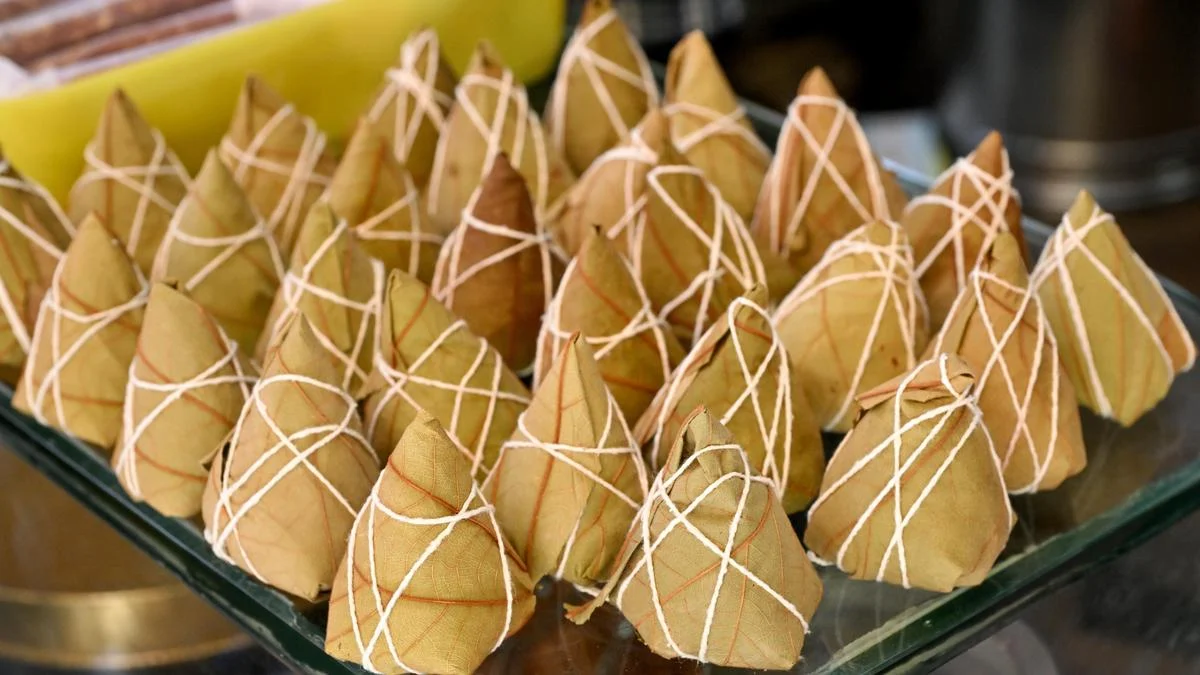
- Pottalam: A spicy, onion-and-chili-based snack uniquely packaged in dried leaves.
Despite the rise of modern "multi-cuisine" bakeries that sell everything from sourdough to gelato, Aathi Kalathu has survived by refusing to diversify. Their commitment is to the "original" taste—a quality that has earned them a loyal patronage spanning five generations.
Chronology: From the 19th Century to the Modern Era
The story of the shop is a chronicle of a single family’s dedication to a craft. The lineage of ownership provides a roadmap of the shop’s survival through world wars, independence, and the digital revolution.
- The Foundation (Late 19th Century): The shop was established by G. Muthuswamy Chettiar. In an era before industrial refrigeration and mass-produced snacks, Chettiar focused on high-quality ingredients and traditional preservation methods.
- The Second Generation: The mantle was passed to his son, M. Rajamanickam, who solidified the shop’s reputation among the local elite and temple visitors.
- The 1950s Transition: Ownership transitioned to N. Sundaresan, a close relative who took the reins during a period of significant urban growth in Madurai. It was during this time that the shop’s presence near the Meenakshi Temple became a permanent fixture of the city’s tourist circuit.
- The Contemporary Era: Today, the establishment is managed by S. Narasiman Sundaresan. Under his stewardship, the shop has navigated the challenges of a modernizing economy while keeping the manual, artisanal methods of production intact.
"We have seen the world change around us," says Narasiman. "But our kitchen operates much like it did in my grandfather’s time. The fire might be different, but the formula is identical."
Supporting Data: The Art and Science of Traditional Preparation
The longevity of Aathi Kalathu is rooted in a rigorous daily routine that begins long before the first temple bell rings. The shop’s commitment to quality is evidenced by its rejection of modern shortcuts.
The 6:00 AM Ritual
The workday commences between 6:00 AM and 7:00 AM. The most labor-intensive product is the Wheat Halwa. Unlike commercial versions that use cornstarch or artificial thickeners, Aathi Kalathu uses whole wheat. The grain is soaked for hours, then ground to extract the "milk." This extract is then slow-cooked in massive iron vats with sugar and generous quantities of ghee until it achieves a translucent, chewy consistency.
Sensory Metrics
A hallmark of the shop’s service is the "tasting ritual." Customers are served samples on a mantharai leaf (dried Bauhinia variegata leaf). This choice of vessel is not merely aesthetic; the leaf is biodegradable and imparts a subtle, earthy aroma that complements the richness of the ghee.
According to regular patrons, the sensory experience of the Wheat Halwa is defined by:
- Aroma: A dominant scent of toasted ghee and caramelized sugar.
- Texture: A "soft-chocolate" chewiness that resists the tooth slightly before melting.
- Appearance: A high-gloss finish that indicates a perfect emulsion of fat and sugar.
In contrast, the Thirattu Paal is prized for its delicacy. It is a semi-liquid confection where the milk has been reduced to its essence, resulting in a grainy yet smooth texture that is particularly popular among younger children and the elderly.

Official Responses: The Philosophy of "No Change"
In a series of interviews, S. Narasiman Sundaresan elaborated on the shop’s refusal to adopt the "bakery model" that has consumed many of its contemporaries. Across Madurai, traditional sweet stalls have rebranded as modern cafes, stocking cold drinks, sliced bread, and colorful pastries.
"Earlier, a sweet shop was a temple for traditional snacks. Now, everything is available in the same place—cakes, buns, ice cream. It dilutes the craft," Narasiman explains.
He notes that while the shop is open to customer suggestions—stating that they will prepare new items if there is a specific demand—they do not chase "trends." This conservative approach to the menu is their strongest marketing tool.
"People come here because they know exactly what the Nei Mittai will taste like. They want the taste of their childhood. If I change the recipe to make it cheaper or more ‘modern,’ I am not just changing a sweet; I am breaking a promise to my ancestors," Narasiman says.
This philosophy extends to the Nei Mittai itself. While it has always been a staple, Narasiman observes that its popularity has surged in the last six years, likely due to a growing "nostalgia market" among the Indian diaspora and middle-class locals seeking authentic, preservative-free snacks.
Implications: The ‘Pottalam’ and the Preservation of History
The shop’s impact extends beyond the culinary; it serves as a living archive of Madurai’s social history. A prime example is the Pottalam, a spicy snack made with small onions (shallots) and chillies.
A Relic of the Old Market
In the 1980s, the area surrounding the shop housed a massive vegetable market. Farmers and laborers from neighboring villages would arrive at the crack of dawn. They often carried "Kanji" (rice porridge) or curd rice from home.
"They needed something spicy and punchy to go with their simple breakfast," Narasiman recalls. "They would buy a small cone-shaped pottalam—the name literally means ‘packet’—and sit by the roadside to eat. It was the perfect combination of heat and salt to start a day of hard labor."
Though the vegetable market has since moved to the outskirts of the city, the Pottalam remains on the menu. It is still packed in the traditional mantharai leaf cone, serving as a culinary bridge to a bygone era of Madurai’s street life.
Cultural Significance in the Modern Economy
The survival of Aathi Kalathu has broader implications for the "Slow Food" movement in India. As global franchises expand, these "legacy brands" offer a unique value proposition:
- Artisanal Authenticity: The manual processing of wheat and milk provides a texture that industrial machinery cannot replicate.
- Sustainable Packaging: The continued use of leaves instead of plastic for serving and certain packaging aligns with modern environmental goals, albeit through ancient tradition.
- Community Trust: The shop is a go-to for major life events, from baby showers (where Wheat Halwa and Boondhi are customary) to religious festivals like Gokula Ashtami.
Conclusion: The Future of the Past
As Madurai evolves into a "Smart City," the Aathi Kalathu Original Nei Mittai Kadai remains a stubborn, beautiful anomaly. It proves that in the world of food, the shortest path to the consumer’s heart is often the longest path—one that involves hours of soaking, stirring, and staying true to one’s roots.
For the traveler visiting the Meenakshi Temple, a stop at the red board near Pudumandapam is more than a snack break; it is an encounter with a 130-year-old legacy. In every spoonful of halwa served on a mantharai leaf, there is a taste of the resilience of Madurai itself—sweet, rich, and timeless.
Visitor Information:
- Location: East Avani Moola Street, Opposite the Nandhi Statue, Madurai, Tamil Nadu.
- Specialties: Wheat Halwa, Thirattu Paal, Nei Mittai, Spicy Pottalam.
- Contact: +91 94871 80422
- Best Time to Visit: Early morning (8:00 AM) for fresh batches or evening for the full "temple town" atmosphere.