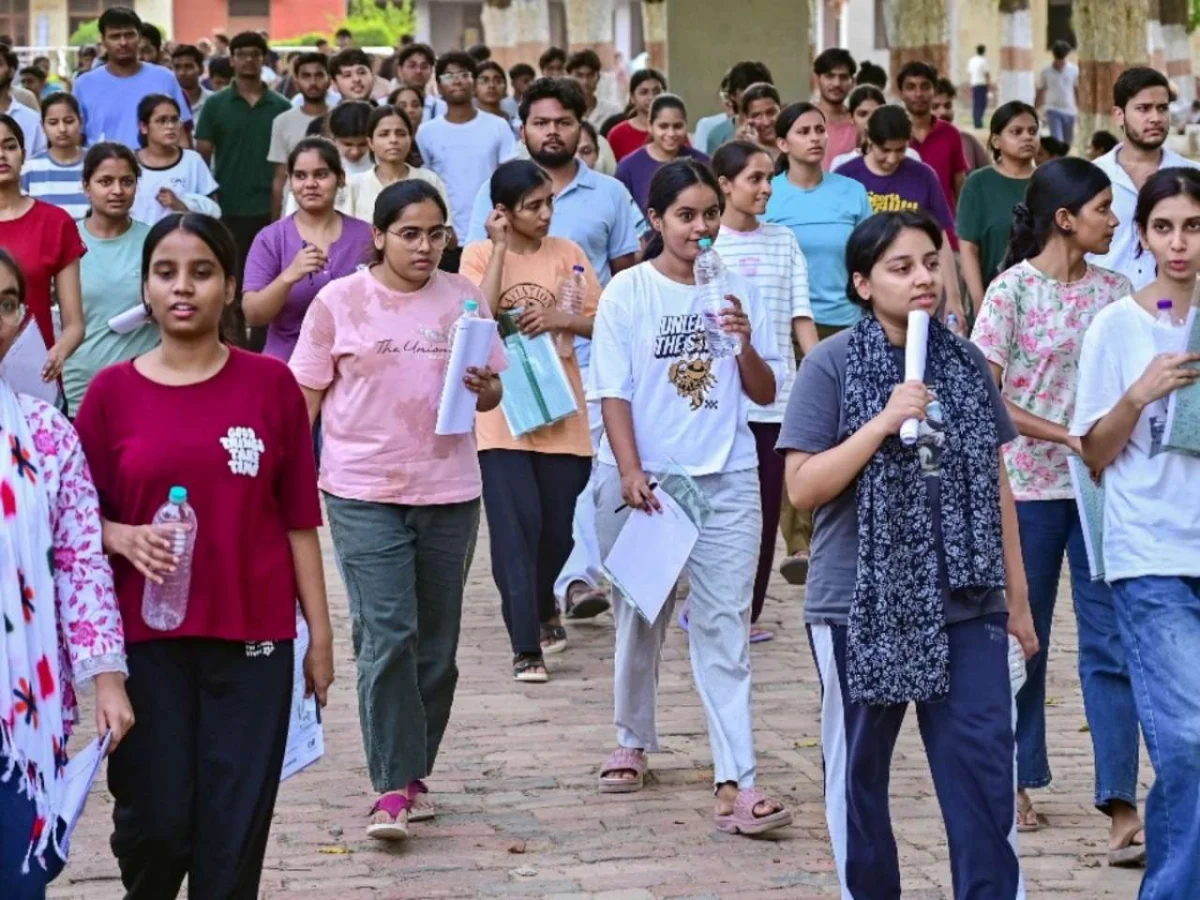
New Delhi, India – July 29, 2026 – The Medical Counselling Committee (MCC) has announced a series of significant and student-centric reforms set to streamline the National Eligibility cum Entrance Test (NEET) Undergraduate counselling process for the upcoming 2026 academic year. These pivotal changes, unveiled today through an official notice from the Ministry of Health and Family Welfare, aim to enhance transparency, reduce logistical burdens for aspiring medical professionals, and simplify administrative procedures, particularly for Non-Resident Indian (NRI) candidates. The comprehensive overhaul, driven by a commitment to a more efficient and accessible admission system, is poised to redefine the experience for hundreds of thousands of medical aspirants across India.
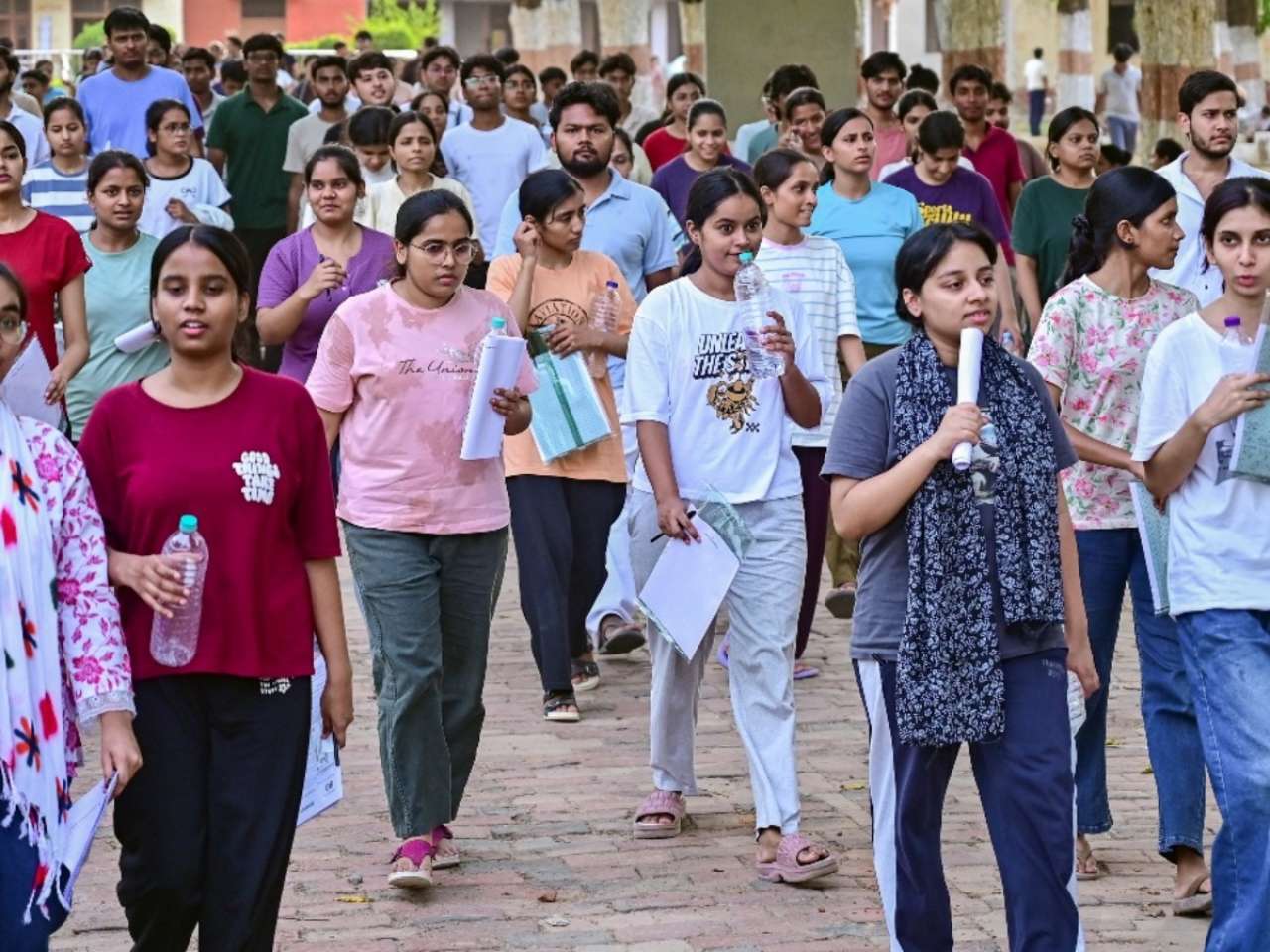
The MCC’s proactive approach to improving the NEET UG counselling process has been a subject of anticipation, and the latest announcement delivers on this front with three major policy shifts: the elimination of mandatory physical reporting for upgradation, the introduction of a convenient online resignation facility, and the enablement of online document uploads for NRI candidates. These changes, underpinned by crucial software modifications, signal a progressive shift towards a more digital and less cumbersome admission pathway.
)
The Core Reforms: A New Era of Convenience and Transparency
The NEET UG 2026 counselling, slated to commence shortly, will now operate under a significantly revamped framework designed to alleviate the anxieties and logistical challenges previously associated with the admission process. The MCC’s strategic interventions are meticulously crafted to benefit a vast pool of candidates who navigate the highly competitive landscape of medical education.

1. Eliminating Physical Reporting for Upgradation: A Game Changer for Aspirants
Perhaps the most impactful change for a majority of candidates is the discontinuation of mandatory physical reporting to an allotted college for those seeking seat upgradation in subsequent counselling rounds. Previously, candidates who secured a seat and wished to explore options for a better course or institution in a later round were required to physically report to their initially allotted college to complete admission formalities. This often involved significant travel, time commitment, and financial expenditure, even if the candidate ultimately intended to move to a different institution.
)
Under the new directive, candidates who have been allotted a seat and have opted for upgradation will no longer need to undertake this physical reporting requirement. Their admission in the counselling system will remain valid, allowing them to seamlessly participate in subsequent rounds without the erstwhile bureaucratic hurdle. This reform is a monumental relief for students, particularly those residing in remote areas or facing financial constraints, allowing them to focus on their academic pursuits and the counselling process itself without the added stress of unnecessary travel and administrative burdens. The MCC’s statement clearly articulates this shift: "Their admission will remain valid in the counselling system while participating in subsequent rounds." This ensures that candidates are not penalized for seeking better opportunities and can maintain their provisional admission status while exploring higher-ranked choices.
)
2. Online Resignation Facility: Empowering Candidates with Flexibility
In a move that further enhances candidate autonomy, the MCC has introduced a fully online resignation facility for NEET UG 2026 counselling. This means that candidates who wish to withdraw from their allotted seat can now do so through the official MCC counselling portal, eliminating the need for physical submission of resignation letters or in-person visits to the allotted institution.
)
This digital transformation of the resignation process is crucial. It not only saves time and resources for candidates but also accelerates the seat vacancy management for institutions. A quicker and more efficient resignation process allows for faster redistribution of seats to eligible candidates on the waiting list, thereby expediting the overall counselling timeline. The ease of online submission provides a clear audit trail and reduces the potential for procedural delays or misunderstandings that could arise from manual submissions. This digital empowerment is a testament to the MCC’s commitment to modernizing its services and making them more accessible in the digital age.
)
3. Online Document Upload for NRI Candidates: Simplifying a Complex Process
The MCC has also addressed a significant administrative bottleneck for Non-Resident Indian (NRI) candidates by enabling them to upload their requisite documents directly onto the MCC portal. Historically, the documentation and verification process for NRI seats has been complex and often required physical submission of numerous certificates. This reform aims to significantly simplify this procedure, making it more efficient and less burdensome for NRI aspirants and their families.
)
By allowing online document uploads, the MCC is not only digitizing the process but also creating a centralized repository for verification. This is expected to expedite the scrutiny of applications, reduce the chances of lost or delayed documents, and provide a more transparent system for verifying NRI status. This move is particularly beneficial for candidates residing abroad or those who find it challenging to arrange for physical document submission within the stipulated timelines. The ability to upload documents online offers greater flexibility and reduces the logistical complexities previously associated with this critical aspect of the counselling process.
)
Chronology of Reforms and the Road Ahead
The announcement of these changes follows a period of intense review and development by the MCC and the Ministry of Health and Family Welfare. While the exact timeline for the commencement of NEET UG 2026 counselling is yet to be formally announced, these policy shifts are designed to be in effect from the outset of the counselling process.
)
- July 16, 2026: The National Testing Agency (NTA) declares the results of the NEET UG 2026 examination. This marks the culmination of the testing phase and the beginning of the selection process.
- July 29, 2026: The Medical Counselling Committee (MCC), in conjunction with the Ministry of Health and Family Welfare, releases an official notice detailing significant reforms for the NEET UG 2026 counselling, including the three key changes highlighted above.
- Upcoming Weeks: The NEET UG 2026 counselling process is expected to commence shortly, with candidates now able to benefit from the enhanced digital infrastructure and revised procedures.
The MCC’s commitment to continuous improvement is evident in these timely reforms, which are a direct response to the feedback and experiences of past counselling cycles. The emphasis on digital solutions and candidate convenience underscores a forward-thinking approach to medical admissions in India.
)
Supporting Data: The Scale of NEET UG
The NEET UG examination is one of the largest and most competitive entrance examinations in India, serving as the gateway to undergraduate medical, dental, AYUSH, and allied health science programs. The sheer scale of the examination necessitates robust and efficient counselling mechanisms.
)
- Exam Participation: In 2026, approximately 20 lakh candidates appeared for the NEET UG exam.
- Examination Centres: The examination was conducted across 5,440 centres in 551 cities in India and 14 cities abroad, highlighting its national and international reach.
- Qualifying Candidates: A significant number of students, totaling 11.21 lakh, qualified for admission to undergraduate medical and allied programs. This vast pool of qualified candidates underscores the importance of a well-structured and fair counselling process.
The magnitude of these numbers emphasizes the critical need for reforms that can manage such a large influx of students and ensure a smooth and equitable admission experience. The implemented changes are expected to significantly ease the administrative load on both the MCC and the participating institutions, while simultaneously providing a much-needed respite for the candidates.
)
Official Responses and Rationale
The official notice from the Ministry of Health and Family Welfare, and by extension the MCC, explicitly states the rationale behind these significant changes. The overarching objective is to make the counselling process "more transparent and student-friendly." The Ministry has acknowledged the need for systemic improvements and has invested in necessary "software changes" to support these new policies.
)
While specific individual statements from MCC officials were not immediately available, the language used in the official notice reflects a clear intent to leverage technology for improved service delivery. The move towards online processes aligns with the broader digital India initiative and aims to create a more efficient, accessible, and less paper-intensive system. The emphasis on reducing physical reporting and enabling online submissions is a direct response to the logistical and financial burdens that candidates have historically faced.
)
Implications of the Reforms: A Brighter Future for Medical Aspirants
The implications of these MCC reforms for NEET UG 2026 counselling are far-reaching and profoundly positive for aspiring medical professionals:
)
- Reduced Stress and Financial Burden: The elimination of mandatory physical reporting for upgradation will save countless candidates the cost and stress of unnecessary travel. This is particularly impactful for students from economically weaker sections or those residing far from their allotted institutions.
- Enhanced Flexibility and Control: The online resignation facility empowers candidates with greater control over their admission process. They can make informed decisions and withdraw from a seat at their convenience, allowing for quicker reallocation of vacancies.
- Streamlined NRI Admissions: The online document upload system for NRI candidates will significantly simplify a process that was often a source of frustration and delay. This is a crucial step towards making medical education more accessible to the Indian diaspora.
- Increased Efficiency for MCC and Institutions: By digitizing key processes, the MCC and participating colleges can expect a reduction in administrative workload, faster processing times, and improved data management. This will likely lead to a more streamlined and efficient overall counselling cycle.
- Greater Transparency: Online systems inherently offer greater transparency. Candidates can track their application status, document submissions, and counselling progress more easily, fostering trust in the admission process.
- Focus on Merit and Academic Pursuits: With fewer logistical hurdles and administrative anxieties, students can better focus on their academic preparation and the crucial decisions related to their medical education journey.
In conclusion, the Medical Counselling Committee’s announcement of these comprehensive reforms for NEET UG 2026 counselling marks a significant step forward in the evolution of medical admissions in India. By embracing digital solutions and prioritizing candidate convenience, the MCC is paving the way for a more transparent, efficient, and student-friendly process, ensuring that the brightest minds can embark on their medical careers with greater ease and confidence. This modernization of the counselling system is a testament to the commitment to improving the educational landscape for future healthcare professionals.