

In 2015, a small but significant tremor shook the cultural foundations of Madurai, the ancient "City of Junctions." The city witnessed the opening of its first-ever pub, Infinito Resto Lounge, located at Vishal Mall. It was a spectacle of flaming shots, neon LED lights, and the clinking of cold beer mugs—a scene that prompted a young local reporter to enthusiastically lead his story with the exclamation, “Dude, we have a pub in town.” The article became an overnight sensation, rocketing to the top of The Hindu’s most-read list.
Yet, the celebration was short-lived. Within a year, Infinito had shuttered its doors. Madurai, it seemed, was not quite ready to trade its jasmine-scented evenings and traditional mess halls for the strobe lights of a modern lounge.
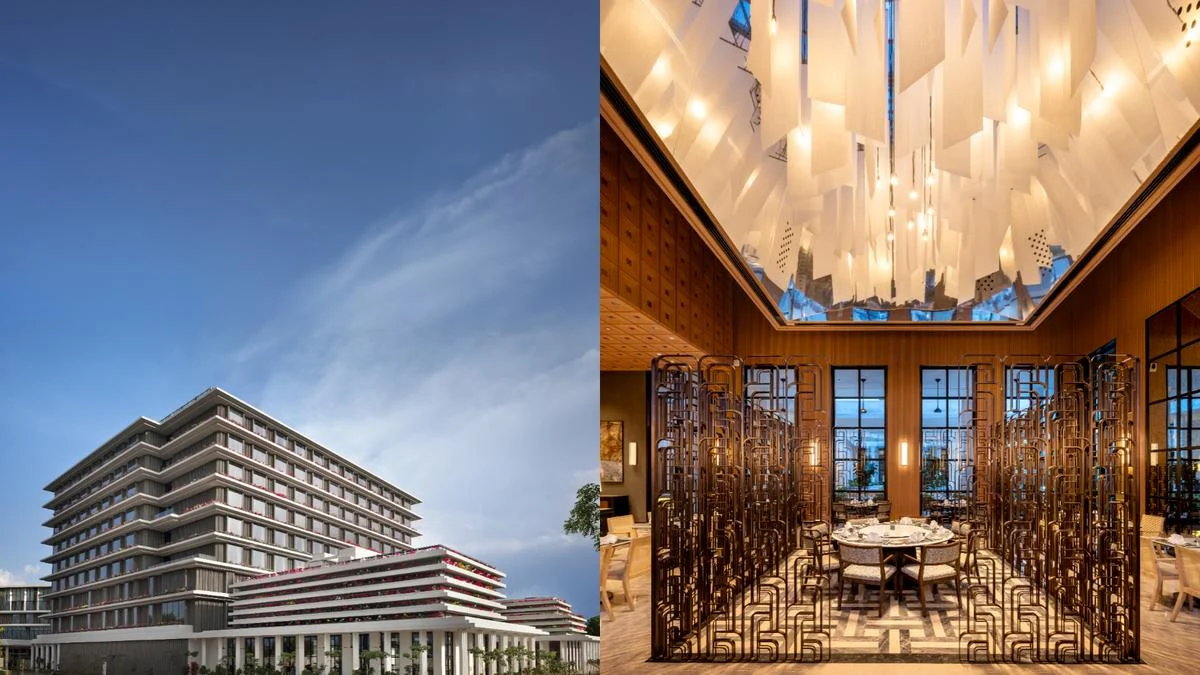
Fast forward nearly a decade, and the narrative has shifted dramatically. The "Athens of the East" is undergoing a profound metamorphosis. No longer just a pilgrimage stopover, Madurai is being "discovered" by national and international investors. A new, cosmopolitan generation of locals—educated abroad but returning to their roots—is demanding a lifestyle that blends global luxury with the city’s rich heritage. This shift is most visibly embodied in the arrival of The Residency Signature, a sprawling seven-acre property that signals the city’s readiness to host the world.

Main Facts: A New Benchmark for Luxury in South Tamil Nadu
The launch of The Residency Signature is not merely a hotel opening; it is a strategic response to the shifting socio-economic landscape of Southern Tamil Nadu. As the city gears up for the 2026 Kumbabhishekam of the iconic Meenakshi Amman Temple—an event occurring after a 17-year hiatus—the demand for high-end infrastructure has reached a fever pitch.
Key features of the new development include:
- Scale and Capacity: Spread across seven acres, the property features 191 rooms and suites, designed to accommodate the influx of high-net-worth pilgrims and business travelers.
- MICE Capabilities: With nearly 80,000 square feet of banquet and event space, including a convention center capable of seating 5,000 people, the hotel positions Madurai as a major contender for national conventions and "destination weddings."
- Architectural Synthesis: Designed by the renowned Singapore-based architect Wong Chiu Man of WoW, the hotel features 300 pillars inspired by the Thousand Pillar Mandapam of the Meenakshi Temple, blending modern aesthetics with Dravidian architectural motifs.
- Culinary Diversity: The property introduces global dining concepts like ‘Chin Chin’ (Chinese) and ‘Eden’ (a high-end bar) alongside traditional Madurai staples, bridging the gap between local street food and fine dining.
Chronology: The Evolution of Madurai’s Nightlife and Hospitality
To understand Madurai’s current trajectory, one must look at the evolution of its social spaces. For decades, the city’s "nightlife" was synonymous with late-night visits to parotta stalls and the iconic Jigarthanda hubs near the temple.

2015: The Infinito Experiment
The opening of Infinito was a "brave" attempt to introduce a Western-style pub culture. Its failure within 12 months suggested that the city’s social fabric was still deeply conservative, or perhaps the "pub" model lacked the local nuance required to survive in a city that prides itself on authenticity.
2016–2022: The Rise of the Tier-Two Professional
During this period, Madurai saw a steady increase in connectivity and the growth of satellite business towns. The city began to see a return of "global locals"—young professionals who had worked in Chennai, Bangalore, or overseas, returning to manage family businesses in industries like textiles, granite, and agriculture. This demographic sought "lifestyle" spaces that didn’t require a flight to a metropolitan hub.
2024: The Arrival of The Residency Signature
The Residency Group, having seen success in Chennai and Coimbatore, recognized that Madurai was no longer a "seasonal" destination. The move from "brave" (Infinito) to "audacious" (The Residency) marks the city’s transition into a mature market.

September 17, 2026: The Impending Milestone
The upcoming Kumbabhishekam (consecration ceremony) of the Meenakshi Temple is the North Star for the city’s current development. Expected to draw over 10 lakh (one million) devotees, the event is acting as a catalyst for infrastructure upgrades across the city.
Supporting Data: Madurai as a Regional Economic Hub
The investment in luxury hospitality is backed by Madurai’s unique position as a central node for several thriving business districts. According to the hotel management, Madurai serves as the primary service and entertainment hub for a cluster of "fantastic business towns," including:
- Theni and Dindigul: Hubs for agriculture and textiles.
- Virudhunagar and Sivakasi: The fireworks and printing capitals of India.
- Tuticorin: A major port city.
- Rajapalayam and Ramanathapuram: Known for surgical cotton and marine exports.
The data suggests that a significant portion of the high-end clientele consists of "drive-in" guests from these regions who visit Madurai for weekend luxury, shopping, and high-level business meetings. The hotel’s 24-hour check-in policy is a direct response to this "hub-and-spoke" travel pattern.

Furthermore, the culinary logistics of the region provide a competitive edge. Madurai is famous for its mutton and fresh produce. The Residency’s culinary team sources snapper, rock lobster, and tiger prawns directly from the nearby Rameshwaram coast, ensuring a supply chain that rivals metropolitan five-star establishments.
Official Responses: The Vision of the Stakeholders
The management team at The Residency Signature emphasizes that their goal is to make Madurai a destination in itself, rather than just a transit point.
Charles Fabien, Area Director of Operations at The Residency Towers, notes the shifting demographic: "The current generation is coming home to the family business after seeing the world. These are our guests: they do not need to drive to Chennai or Bangalore, or fly abroad for a luxurious weekend anymore. We are bringing that experience to their doorstep."

Chef Ajit Janardhanan, Culinary Director, highlights the integration of local excellence into the luxury framework. "You get great local vendors here. The mutton in Madurai is the best. We are combining that with global standards—whether it’s a leaf service wedding lunch for 2,500 guests or a botanical highball at our bar."
Sujit Kumar, Executive Assistant Manager, addresses the skepticism often associated with tier-two cities. "When we suggest hosting conferences, people are often skeptical. But once they come to Madurai, they are impressed. We have the high-tech breakout rooms, the specialized makeup spaces for brides, and even a Golden Key concierge. We are ready for any group in any season."
Implications: A City at a Crossroads
The "audacious" entry of large-scale luxury into Madurai carries several implications for the city’s future:

1. The Democratization of Luxury
While Madurai remains famous for its "dive bars" with sticky floors and free snacks (boiled peanuts and papaya chunks), the arrival of places like Eden—the hotel’s sleek bar—offers a stark contrast. This dual existence suggests a city that is learning to cater to multiple economic strata simultaneously. The luxury experience is becoming accessible to the local elite, who previously had to travel to cities like Singapore or Tokyo for similar ambiance.
2. Cultural Preservation vs. Modernization
The hotel’s design—incorporating 300 temple-inspired pillars and serving paruthi paal halwa alongside avocado toast—represents an attempt to modernize without erasing identity. However, the challenge remains for these luxury establishments to match the "gold standard" of Madurai’s legendary mess hotels. As the author notes, while the hotel offers bun parottas and mutton curries, they are still striving to meet the hyper-local standards set by the city’s traditional eateries.
3. Economic Diversification
By positioning itself as a MICE (Meetings, Incentives, Conferences, and Exhibitions) hub, Madurai is diversifying its economy away from purely religious tourism. This reduces the city’s dependence on the October–March tourist season, creating year-round employment and business opportunities.

4. Infrastructure Pressure
The expected influx of one million people for the 2026 Kumbabhishekam will put immense pressure on Madurai’s roads, sanitation, and public transport. The success of private ventures like The Residency Signature will depend heavily on the government’s ability to upgrade the city’s skeletal infrastructure to match the "Signature" experience.
Conclusion
Madurai is no longer the sleepy temple town it was perceived to be a decade ago. The ghost of Infinito, the failed pub of 2015, has been replaced by a more robust, sophisticated, and culturally rooted form of modernism. As the city prepares for the spiritual milestone of 2026, it is simultaneously laying the groundwork for a secular future as a hub of commerce, luxury, and global-standard hospitality. Madurai has always been a city that never sleeps; now, it is finally a city where one can party—and stay—in style.
