

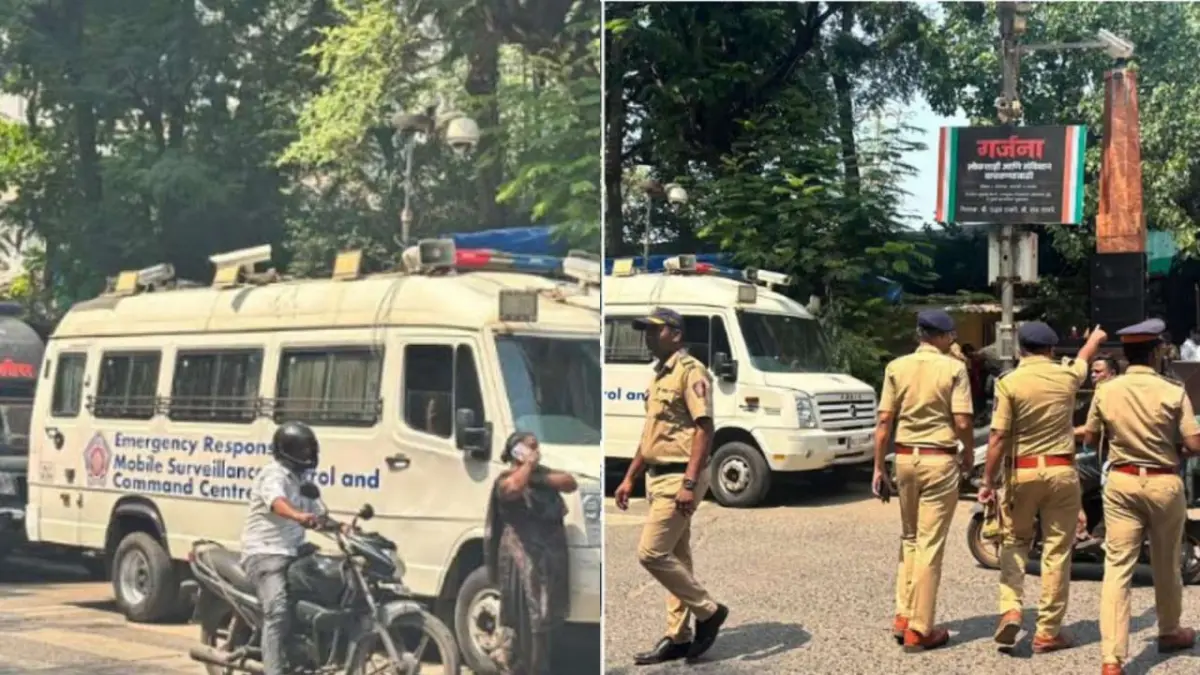
MUMBAI – October 2, 2026 – Mumbai’s iconic Shivaji Park, a historical crucible for political movements and public discourse, has been transformed into an impenetrable fortress today as authorities brace for a planned "jail-filling protest" by the Citizens for Justice and Peace (CJP). Despite explicit denials of permission by the Mumbai Police, the CJP has vowed to proceed with its demonstration, setting the stage for a tense standoff between activists and law enforcement in the heart of the bustling metropolis.
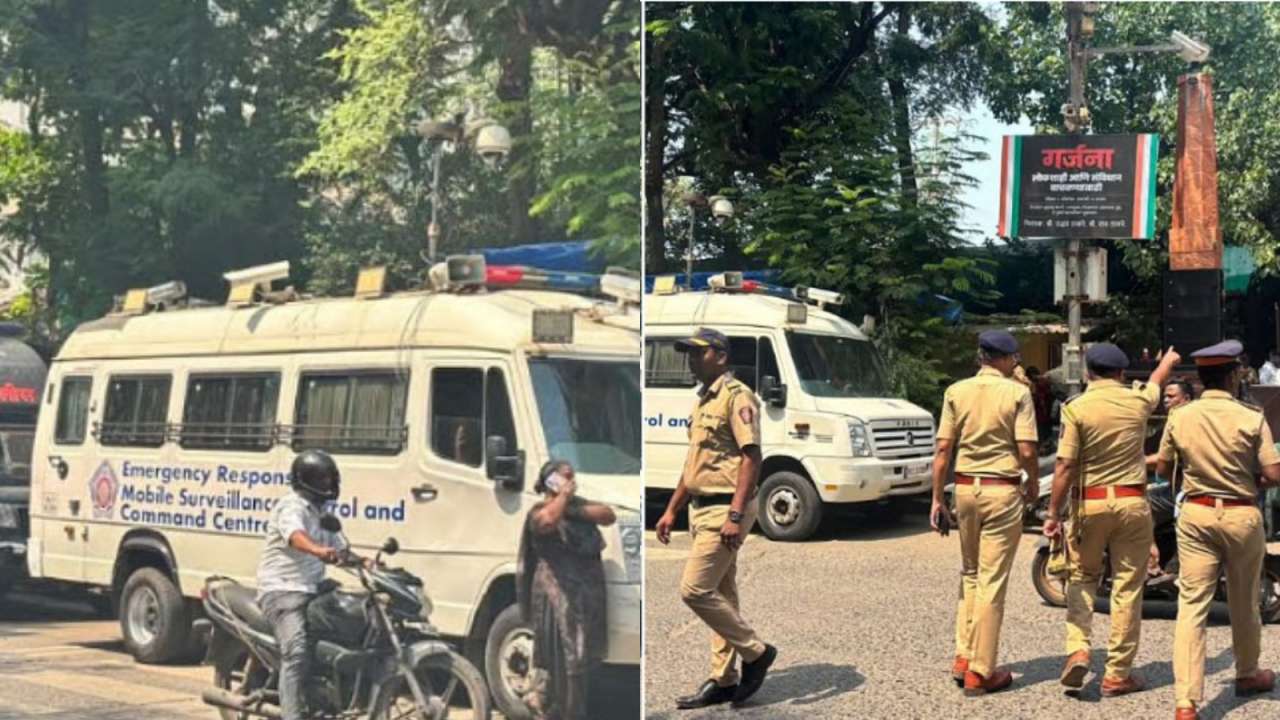
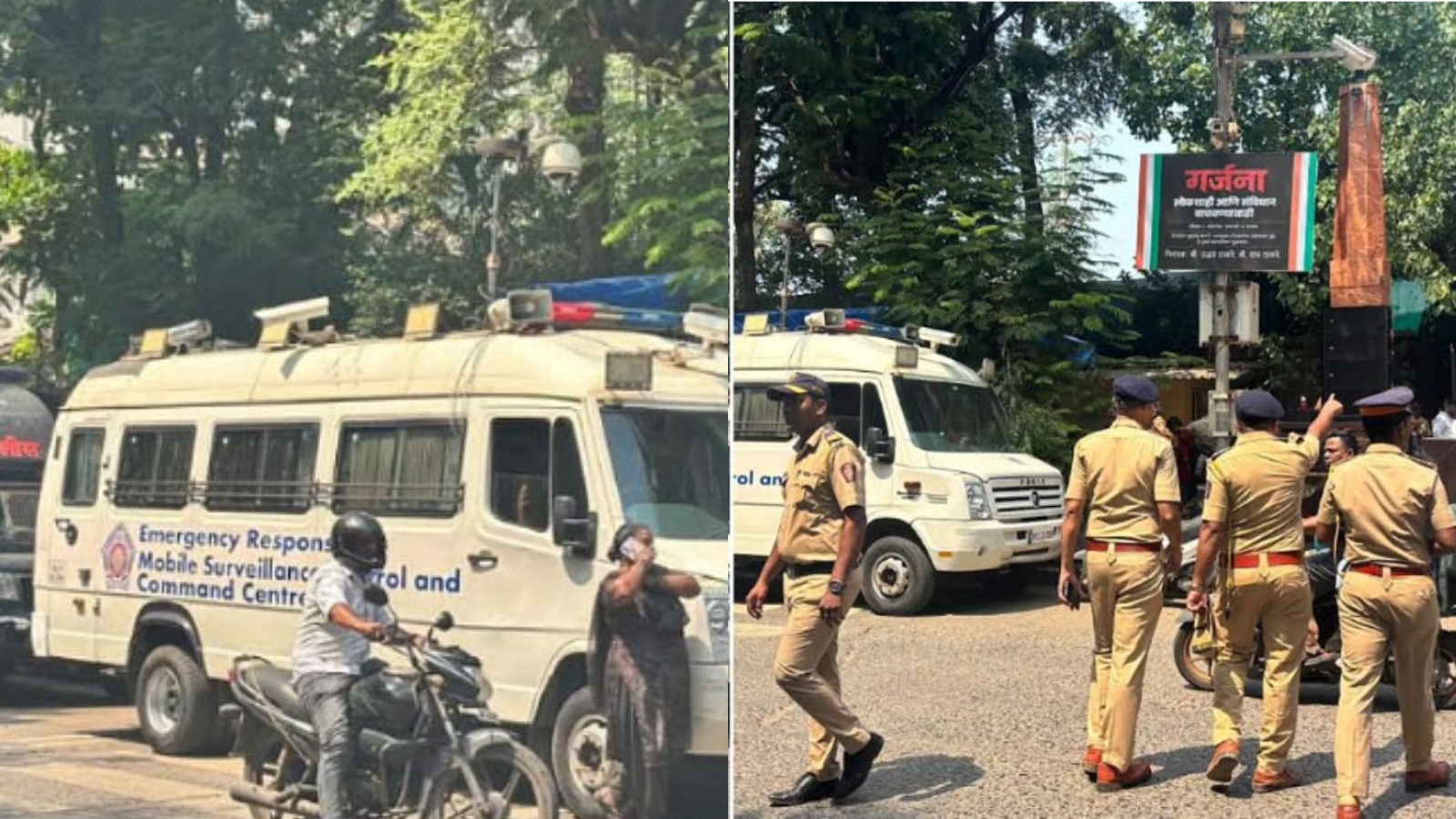
The widespread deployment of heavy security personnel, including anti-riot squads, Quick Response Teams (QRT), and specialized dog squads, underscores the gravity with which the state machinery is approaching the situation. The area surrounding the sprawling grounds has been completely cordoned off, with barricades erected at all key entry points, effectively sealing off access to the public. This preemptive measure aims to prevent any unauthorized assembly, reflecting the authorities’ firm stance against gatherings that do not adhere to legal permissions.
Main Facts: A City Holds Its Breath
The focal point of today’s heightened security is Shivaji Park, a ground steeped in Maharashtra’s rich political and social history. Traditionally a venue for massive rallies and cultural events, its current state of lockdown is a stark visual representation of the impending confrontation. The CJP, a prominent advocacy group, has called for a "jail-filling protest," a form of civil disobedience often referred to as ‘Satyagraha,’ where participants voluntarily court arrest to highlight their cause. While the specific demands of the CJP for this particular protest have not been explicitly detailed in official communications, it is understood to be related to pressing concerns regarding civic freedoms and government transparency, issues that often resonate deeply within India’s vibrant democracy.
Mumbai Police officials have unequivocally stated that no permission was granted for the proposed gathering. Assistant Commissioner of Police (ACP) Rajesh Sharma, speaking to the media this morning, reiterated, "Any assembly without due permission constitutes an unlawful gathering. We have taken all necessary precautions to maintain law and order and ensure public safety. Our primary objective is to prevent any disruption and ensure peace prevails." This categorical denial forms the legal basis for the massive security deployment and the subsequent measures to restrict access to the park. The city’s residents, accustomed to the ebb and flow of public life, are now navigating restricted access and a palpable sense of anticipation.
)
Chronology of Escalation: From Planning to Precaution
The build-up to today’s events began several days prior, with intelligence inputs suggesting the CJP’s intent to organize a large-scale protest at Shivaji Park. Sources within the Mumbai Police indicate that preliminary discussions were held with CJP representatives regarding their application for permission. However, citing concerns over potential public order disturbances, traffic congestion, and the sheer scale of the proposed gathering in a densely populated urban area, the police ultimately declined the request.
October 1, 2026 – Evening: As the sun set yesterday, the initial signs of heightened security began to emerge. Local police units were observed conducting reconnaissance around Shivaji Park. By late evening, the first wave of barricades was strategically placed, and visible police presence increased. Senior police officers, including Deputy Commissioner of Police (DCP) Zone V, conducted a thorough inspection of the park premises and its surrounding roads. Their assessment focused on identifying potential flashpoints, escape routes, and vantage points for surveillance. This preparatory phase included mapping out deployment strategies for different units and ensuring communication channels were robust. The main entrance to the park was sealed, and advisories were quietly circulated to local residents about potential disruptions. Social media monitoring, which had been ongoing for days, intensified, with authorities tracking hashtags and online discussions related to the protest to gauge public sentiment and potential mobilization efforts.

October 2, 2026 – Early Morning: Long before dawn, Shivaji Park was enveloped in a dense security blanket. Specialized units, including the anti-riot squad equipped with protective gear and crowd control instruments, began taking up positions. The Quick Response Teams (QRT), known for their rapid deployment capabilities, were stationed at strategic intervals, ready to address any unforeseen contingencies. The deployment also included several dog squads, whose presence is often a deterrent and an aid in detecting suspicious activities. Plainclothes police personnel were discreetly deployed throughout the vicinity, tasked with gathering intelligence, monitoring activities on the ground, and identifying potential agitators or organizers. Traffic diversions were implemented on roads leading to the park, causing early morning commuters to navigate altered routes and further highlighting the extraordinary nature of the security operation. The atmosphere was one of quiet vigilance, punctuated by the occasional crackle of police radios.
Supporting Data: An Unprecedented Display of Force
The scale of the security deployment at Shivaji Park is a testament to the Mumbai Police’s commitment to maintaining peace and order, particularly in a city known for its vibrant, sometimes volatile, protest culture. Estimates suggest that upwards of 1,500 police personnel have been mobilized for this operation, drawing resources from various city police stations, specialized units, and potentially even the State Reserve Police Force (SRPF) if deemed necessary.
)
Multi-layered Security Grid: The security apparatus is multi-layered. The outermost layer consists of traffic police managing diversions and directing vehicles away from the cordoned-off zone. The next layer involves uniformed police personnel manning the dozens of barricades, ensuring no unauthorized entry. These barricades are not merely symbolic; they are robust structures designed to withstand significant pressure, creating physical barriers to prevent large crowds from accessing the park. Inside this perimeter, plainclothes officers blend into the background, their role crucial for intelligence gathering and early warning.
Specialized Units on High Alert:
)
- Anti-Riot Squads: These units are specifically trained and equipped to handle large, potentially unruly crowds. Their presence sends a clear message about the authorities’ readiness to use non-lethal force if necessary to disperse an unlawful assembly. They are equipped with shields, batons, tear gas, and other crowd control measures.
- Quick Response Teams (QRT): The QRTs are elite units designed for rapid intervention in critical situations. Their strategic placement ensures that any breach or escalation can be addressed swiftly and effectively, minimizing potential damage or injury.
- Dog Squads: The highly trained K9 units are invaluable for perimeter patrols, detecting suspicious packages or individuals, and enhancing the overall deterrent effect of the security presence. Their keen senses provide an additional layer of surveillance that human eyes might miss.
Technological Surveillance: Beyond human and K9 assets, the police are also leveraging technology. CCTV cameras, both permanent installations and temporary deployments, provide real-time monitoring of the entire area. Drones may also be utilized for aerial surveillance to get a broader perspective of crowd movements and potential gatherings in adjacent areas. The monitoring of social media posts is a critical component, not just for tracking mobilization but also for identifying individuals attempting to spread misinformation or incite violence. This digital intelligence helps authorities preempt potential issues before they manifest physically.
The decision to deploy such an extensive security apparatus reflects the lessons learned from past protests in Mumbai and other major Indian cities, where unauthorized gatherings have sometimes escalated into law and order challenges. By implementing these stringent measures, the Mumbai Police aim to ensure that the CJP’s "jail-filling protest," while symbolic, does not devolve into chaos or endanger public safety.
)
Official Responses: Justification and Resistance
The official narrative from the Mumbai Police has been consistent and firm: the gathering is unauthorized, and all measures are being taken to uphold the rule of law.
Police Commissioner’s Statement (Paraphrased): "Our primary duty is to ensure the safety and security of all citizens. While the right to peaceful protest is fundamental, it must be exercised within the legal framework. When an organization chooses to proceed with a demonstration without the necessary permissions, especially one that involves ‘jail-filling,’ it necessitates a robust response to prevent any potential disruption to public life, traffic, and general peace. We urge all citizens to cooperate with law enforcement and avoid congregating in the prohibited areas." This statement encapsulates the delicate balance authorities must strike between protecting democratic rights and maintaining public order. The police have also issued advisories through various media channels, warning against participation in the unauthorized protest.
)
CJP’s Stance (Inferred/Hypothesized): While specific official statements from the CJP regarding the police denial were not explicitly provided in the original brief, it can be inferred that the organization views the denial of permission as an infringement on their constitutional right to protest. A hypothetical spokesperson for CJP might argue, "Our protest is a peaceful expression of dissent on critical issues affecting the common citizen. We believe in the power of non-violent civil disobedience to draw attention to these concerns. While we respect the police’s role, we also believe that legitimate protests should not be stifled under the pretext of law and order. We are prepared to face the consequences of our actions in our pursuit of justice." This perspective highlights the inherent tension between state control and individual/group freedoms in a democratic society.
Local Residents’ Voices: The presence of such heavy security has inevitably impacted the daily lives of those residing around Shivaji Park. As quoted by IANS, a local resident expressed a mix of curiosity and concern: "We are not protesting. We are residents of Shivaji Park, and we are just taking a round of the area. There is such a large crowd here and so many police personnel, and a stage has been set up there…" This sentiment reflects the inconvenience caused by the lockdown and the unusual spectacle unfolding in their neighbourhood. Other residents, while acknowledging the disruption, might also express support for the police’s efforts to maintain peace, fearing potential unrest. Shopkeepers and vendors in the vicinity are likely facing economic losses due to reduced footfall and restricted access, adding another layer to the public’s perception of the event.
)
Implications: Balancing Rights and Order
The events unfolding at Shivaji Park today carry significant implications for the future of public protests in Mumbai and potentially across the nation. They underscore the perennial tension between the fundamental right to protest, enshrined in democratic constitutions, and the state’s prerogative to maintain public order and safety.
Impact on Democratic Discourse: When a prominent advocacy group proceeds with an unauthorized protest and is met with a formidable police presence, it inevitably sparks a debate about the space for dissent in a democracy. Critics might argue that such stringent measures stifle legitimate expressions of public grievance, while proponents would contend that without clear regulations and enforcement, protests can quickly devolve into chaos, infringing upon the rights of other citizens. The outcome of today’s standoff will likely influence how future protest applications are handled and how activists strategize their movements.
)
Potential for Escalation and Legal Ramifications: The "jail-filling" nature of the CJP protest implies an intent for voluntary arrests. Should large numbers of protesters attempt to breach the barricades or resist dispersal, the situation could escalate, potentially leading to detentions, legal charges, and further confrontation. The police’s preparedness to bring in additional personnel signifies their readiness for such scenarios, highlighting the potential for a day marked by arrests rather than dialogue. The legal precedent set by prosecuting participants in an unauthorized gathering could also have long-term consequences for activist groups.
The Message Sent by Authorities: The robust and visible deployment of force by the Mumbai Police sends a clear message: unauthorized gatherings, particularly those involving large numbers and potential for civil disobedience, will not be tolerated. This firm stance aims to deter future unsanctioned protests and reinforce the authority of the state in controlling public spaces. However, it also runs the risk of alienating certain sections of the public who may perceive it as an overreach of power.
)
Future of CJP’s Movement: If the protest is successfully thwarted by police action, the CJP will face the challenge of re-strategizing its approach. Will it opt for smaller, more localized demonstrations, or seek legal recourse against the denial of permission? The media coverage and public reaction to today’s events will significantly shape the trajectory of their movement. Conversely, if a substantial number of protesters manage to court arrest, it could galvanize their support base and bring wider attention to their cause, despite the police’s efforts.
Media’s Role: The presence of numerous media outlets at Shivaji Park ensures that the events are being closely monitored and disseminated. The narrative shaped by news reports, live broadcasts, and social media updates will play a crucial role in influencing public opinion and shaping the understanding of the delicate balance between freedom of assembly and state control.
)
As the day progresses, Mumbai remains on high alert. The fortress-like Shivaji Park stands as a symbol of the ongoing tension, with the city watching to see how this carefully orchestrated standoff between civil society and state authority will ultimately unfold. The events of October 2, 2026, are poised to become a significant chapter in the discourse surrounding protest rights and public order in India’s democratic landscape.
