

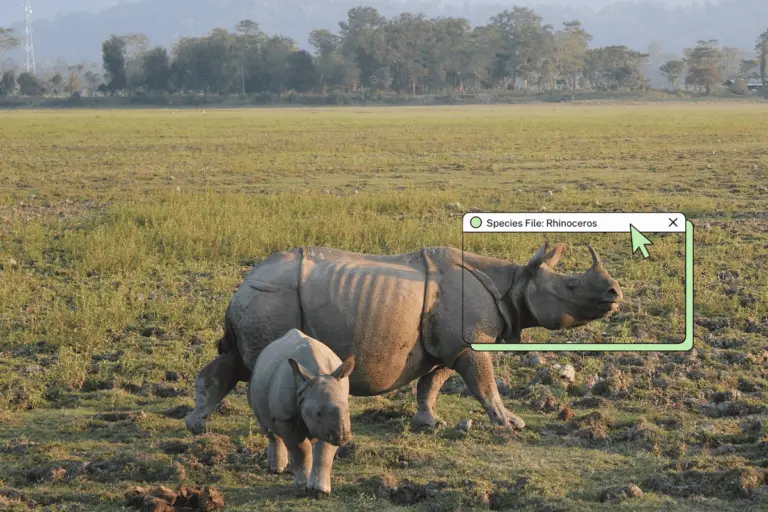
Assam, India — In the dense alluvial grasslands and tropical forests of Assam’s Manas National Park, a prehistoric silhouette once thought lost to the region is making a definitive stand. The greater one-horned rhinoceros (Rhinoceros unicornis), a species that was systematically wiped out from the park during a period of civil unrest decades ago, is now thriving. A landmark study on the re-established population has provided the most encouraging data yet, suggesting that the "wild unicorns" of India are not just surviving, but successfully adapting and breeding in their ancestral home.
The recovery of the species in Manas is being hailed as one of the most significant conservation success stories in South Asia. Through a combination of wild-to-wild translocations, rehabilitation programs, and rigorous community-led protection, the park has transformed from a site of local extinction to a beacon of biodiversity restoration.
Main Facts: The Return of a Giant
The greater one-horned rhino is the largest of the three Asian rhino species. Distinguished by its single black horn, which can grow between 8 and 25 inches, and its iconic grey-brown hide characterized by thick skin folds, the animal resembles a creature from a bygone era. Weighing up to 2,700 kilograms and standing approximately 6.5 feet tall, these megaherbivores are "ecosystem engineers" that play a vital role in maintaining the health of the grasslands and wetlands they inhabit.
According to the latest census and conservation data, the global population of the greater one-horned rhino stands at approximately 4,075 individuals, restricted entirely to the grasslands of India and Nepal. While the majority of this population is concentrated in Kaziranga National Park, the successful re-establishment of a satellite population in Manas is critical for the long-term survival of the species.
A recent study titled "The recruitment pattern and inter-calving interval of the reintroduced greater one-horned rhinoceros population in Manas National Park" has shed light on the health of this new population. The research indicates that the rhinos have adapted well to the Manas landscape, with recruitment rates (the rate at which new calves are added to the population) showing a positive trend. This biological data is a crucial indicator that the habitat is providing sufficient nutrients and security for the species to thrive.
Chronology: From Extinction to Re-establishment
The journey of the rhino in Manas National Park is a dramatic saga of loss and redemption.
The Era of Loss (1980s – 2001)
In the late 20th century, Manas National Park, a UNESCO World Heritage site, fell victim to intense socio-political instability. Civil unrest in the region led to a breakdown in law enforcement and park management. During this period, rampant poaching for the rhino’s horn—highly valued in traditional Eastern medicine—decimated the local population. By 2001, the greater one-horned rhinoceros was declared extinct within the boundaries of Manas National Park.
The Genesis of IRV2020 (2005)
Recognizing that the species could not afford to have all its "eggs in one basket" (concentrated in Kaziranga), the Indian Rhino Vision 2020 (IRV2020) was launched in 2005. This ambitious initiative was a partnership between the Assam Forest Department, the World Wide Fund for Nature (WWF-India), the International Rhino Foundation (IRF), and the Bodoland Territorial Council. The goal was to increase the rhino population in Assam to 3,000 and distribute them across at least seven protected areas.
The First Translocations (2008 – 2012)
In 2008, the first two rhinos were translocated from Pobitora Wildlife Sanctuary to Manas. This marked the beginning of a series of "wild-to-wild" translocations. These were supplemented by the release of rhinos rescued as orphans and rehabilitated by the Centre for Wildlife Rehabilitation and Conservation (CWRC) at Kaziranga.
Stability and Growth (2013 – Present)
Over the last decade, the focus has shifted from mere translocation to monitoring and protection. The population in Manas began to breed naturally, with the first calf born to a translocated rhino in 2011. Since then, multiple generations of rhinos have been born in the park, signaling the establishment of a truly self-sustaining population.
Supporting Data: Understanding the Biology of Success
The success of the Manas reintroduction is rooted in the specific biological needs and behaviors of the species. The greater one-horned rhino is a semi-aquatic grazer. It spends a significant portion of its day wallowing in wetlands and feeding on a variety of grasses, leaves, and aquatic plants.
The recent study highlights two critical metrics:
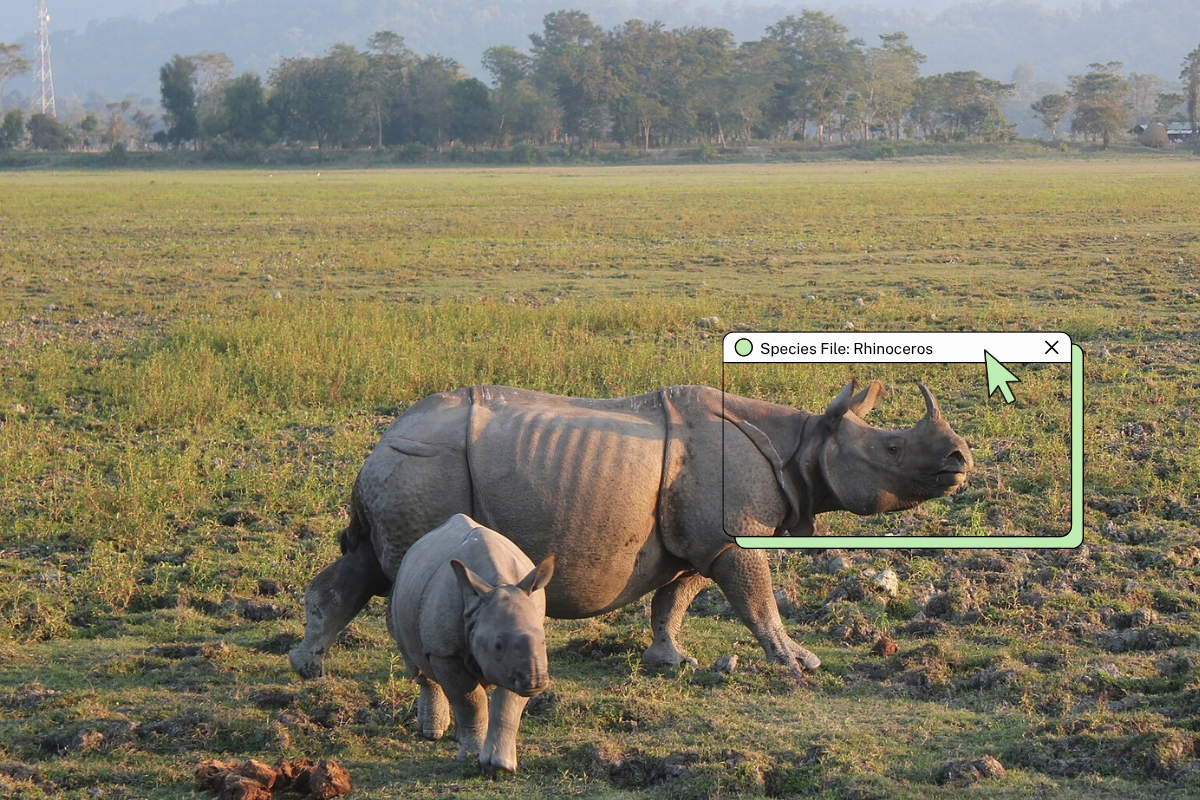
- Recruitment Pattern: The study found that the birth rate among the reintroduced rhinos is comparable to, and in some cases exceeds, the rates found in established populations like Kaziranga. This suggests that the Manas habitat—comprising the Terai-Duars savanna and grasslands—is of high quality.
- Inter-calving Interval: The time between successive births is a key indicator of female health and environmental stability. The study found that the inter-calving interval in Manas is within the healthy range of 3.5 to 4 years, suggesting that the females are not under significant nutritional or physiological stress.
Despite these positive metrics, the species remains listed as Vulnerable on the IUCN Red List. In India, it is protected under Schedule I of the Wildlife (Protection) Act, 1972, the highest level of legal protection available. Internationally, it is listed in Appendix I of CITES, which strictly prohibits commercial trade in rhino parts.
Official Responses: Protection and Persistence
Conservationists and officials remain cautiously optimistic, acknowledging that while the rhinos have returned, the threats that once wiped them out have not entirely vanished.
Mudit Gupta, Landscape Lead for the Eastern Terai at WWF-India, emphasizes that the safety of these animals is a result of constant vigilance. "Poaching remains a potential threat once rhinos are outside fenced protection," Gupta stated. "It is countered by increased ground patrols, intelligence-led protection initiatives, ongoing radiotelemetry tracking of released rhinos, and close cooperation with enforcement agencies across borders."
The Forest Department has also highlighted the role of technology. Many of the rhinos in Manas are fitted with radio collars, allowing rangers to track their movements in real-time. This "smart patrolling" ensures that if a rhino wanders near the park boundaries or into human-dominated landscapes, guards can be deployed immediately to prevent conflict or poaching attempts.
Furthermore, the Bodoland Territorial Council (BTC) has been instrumental in garnering local support. By involving indigenous communities in conservation efforts and tourism, the park has turned former poachers into protectors, creating a social barrier against wildlife crime.
Implications: Why the Manas Success Matters
The re-establishment of rhinos in Manas has implications that reach far beyond the borders of Assam.
Ecological Restoration
As megaherbivores, rhinos are essential for the ecosystem. They consume large quantities of vegetation, which helps maintain the structure of the grasslands. Their dung acts as a potent fertilizer and a dispersal mechanism for seeds, while their wallowing behavior creates water holes that are used by other species, such as the Bengal florican and various amphibians, during the dry season.
Genetic Diversity and Resilience
By creating a second major population center in Assam, conservationists are safeguarding the species against catastrophic events. A single disease outbreak or a massive flood in Kaziranga could devastate the species if they were only found there. Having a healthy population in Manas provides a "genetic insurance policy."
A Model for Global Conservation
The "Manas Model" of reintroduction—combining political will, international funding, scientific monitoring, and community engagement—is now being studied as a template for other species. Whether it is the reintroduction of cheetahs in central India or the restoration of bison in Europe, the lessons learned in the grasslands of Assam are proving invaluable.
Addressing Future Challenges
However, the path forward is not without hurdles. Habitat loss and fragmentation remain the most significant long-term threats. As human populations expand around the park, the "buffer zones" are shrinking. Additionally, invasive plant species like Chromolaena odorata and Mimosa are choking out the native grasses that rhinos depend on, necessitating active habitat management by park authorities.
Conclusion: The Future of the Wild Unicorn
The return of the greater one-horned rhinoceros to Manas National Park is more than just a win for a single species; it is a restoration of the park’s soul. The sight of a mother rhino and her calf grazing against the backdrop of the Bhutan hills is a testament to what is possible when science, government, and local communities align.
While the recovery remains fragile, the data from recent studies suggests that the rhinos of Manas are here to stay. As long as the patrols continue and the grasslands remain protected, the "wild unicorn" will continue to be a symbol of India’s enduring natural heritage. The success in Manas serves as a powerful reminder that even when a species is pushed to the brink of local extinction, dedicated conservation efforts can bring them back to the light.
