

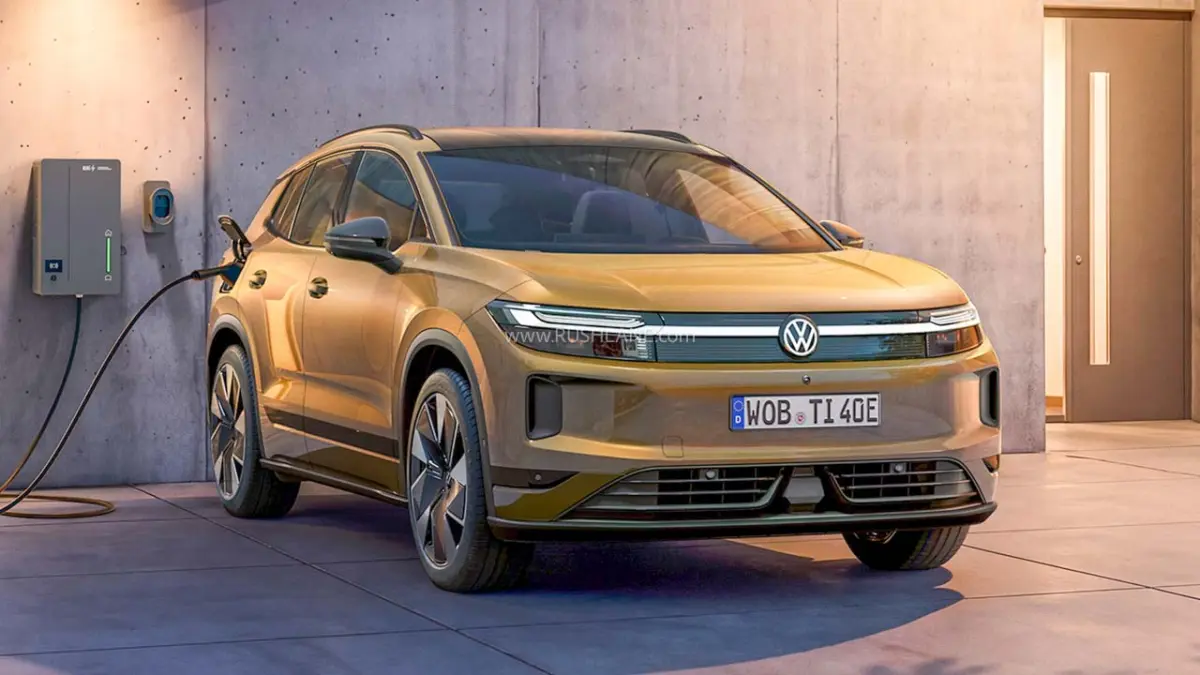
In a decisive move that signals a significant pivot in its global electrification strategy, Volkswagen has officially unveiled the ID. Tiguan. This all-electric SUV is not merely another addition to the ID. family; it represents a strategic consolidation of the brand’s mid-sized electric offerings and a return to the heritage-rich nomenclature that has defined Volkswagen’s success for decades. As the automotive industry grapples with fluctuating EV demand and shifting consumer preferences, the ID. Tiguan arrives as a bridge between the familiar utility of internal combustion engines (ICE) and the high-tech promise of battery electric vehicles (BEVs).
Main Facts: A Strategic Successor Emerges
The Volkswagen ID. Tiguan is positioned as the single direct successor to both the ID.4 and the ID.5. By phasing out these two models in favor of a unified "Tiguan" branded electric SUV, Volkswagen is betting heavily on brand equity. The Tiguan nameplate is one of the best-selling SUV monikers globally, and by electrifying it directly, the German automaker aims to capture traditionalist buyers who may have been alienated by the softer, more futuristic "crossover" styling of the previous ID. models.
Pre-sales for the ID. Tiguan are scheduled to commence in several European markets on October 13, 2024. The entry-level pricing has been set at EUR 42,695 (approximately Rs 46.30 lakh), positioning it competitively within the premium-mass market segment. While the ID. Tiguan takes center stage as the future of the brand, Volkswagen has confirmed that the current ICE-powered Tiguan—available in petrol, diesel, and plug-in hybrid (PHEV) variants—will continue to be sold alongside its electric counterpart for the foreseeable future. This "dual-track" strategy ensures that the company remains flexible as different global markets transition to electric mobility at varying speeds.
Chronology: From ID.4 to the Return of the Tiguan
The journey to the ID. Tiguan reflects Volkswagen’s evolving philosophy regarding electric mobility.
- 2020–2021: Volkswagen launched the ID.4 and ID.5, built on the first-generation MEB (Modular Electric Drive Matrix) platform. These vehicles featured a "jellybean" aerodynamic shape designed to maximize range but were often criticized for their lack of traditional SUV "presence" and a controversial touch-sensitive interior interface.
- 2023: Internal feedback and market analysis suggested that consumers missed the rugged, upright stance of the original Tiguan. Volkswagen began development on the MEB+ platform, an evolution of the existing architecture designed for better efficiency and faster charging.
- Late 2024: The official unveiling of the ID. Tiguan. This marks the first time Volkswagen has migrated one of its "legacy" names to a dedicated EV platform in the SUV segment (following the ID. Buzz).
- Early 2025: Deliveries are expected to begin across Europe.
- 2027: The ID. Tiguan is slated for a wider global rollout, including major markets like North America and potentially India, where the Tiguan brand enjoys significant prestige.
Supporting Data: Engineering and Aesthetic Specifications
The ID. Tiguan is built on the enhanced MEB+ platform, which allows for greater structural rigidity and optimized battery packaging. This shift in architecture has enabled a return to a "traditional SUV silhouette," characterized by a higher hood line and a more vertical tailgate.

Exterior Design: The "Pure Positive" Language
The vehicle debuts Volkswagen’s "Pure Positive" design language. Key aesthetic features include:
- Illuminated Branding: Both the front and rear VW logos are illuminated, a feature that is becoming a signature of the brand’s electric identity.
- Aerodynamics: Despite its boxier look, the SUV features a closed-off grille, air curtains in the front bumper, and aero-optimized alloy wheels to maintain a low coefficient of drag.
- Storage and Utility: The ID. Tiguan offers a substantial 534-liter rear boot. Uniquely for a Volkswagen EV, it also includes a 32-liter "frunk" (front trunk) for charging cables and smaller items, addressing a common critique of the ID.4.
Interior Technology: A Triple-Screen Revolution
The cabin represents a massive leap forward in both luxury and ergonomics. Volkswagen has moved away from the minimalist (and often criticized) interiors of early ID. models in favor of a high-tech "Command Center" layout:
- The Triple Screen Setup: A massive 15-inch central infotainment touchscreen is the focal point. It is flanked by a 10-inch digital instrument cluster for the driver and—most notably—a 12-inch dedicated display for the front passenger, a feature typically reserved for high-end luxury marques.
- Physical Ergonomics: Responding to global customer feedback, Volkswagen has reintroduced more physical buttons on the steering wheel and a raised center console that emphasizes a premium, cockpit-like feel.
- Premium Amenities: Higher trims feature 480-watt Harman Kardon audio systems, ventilated and massaging seats, and a panoramic sunroof.
Performance and Range
Volkswagen is offering two distinct battery configurations to cater to different use cases:
- Standard Range (58 kWh): Paired with a rear-mounted 140 kW (190 hp) motor, this variant is aimed at urban and suburban commuters.
- Long Range (77 kWh): This battery can be paired with either a Rear-Wheel Drive (RWD) motor producing 210 kW (286 hp) or a 4MOTION All-Wheel Drive (AWD) system delivering a combined 220 kW (299 hp).
The 77 kWh variant is engineered to achieve a WLTP-rated range of up to 600 km on a single charge. Furthermore, the ID. Tiguan boasts a towing capacity of up to 2 tons, making it one of the more capable electric SUVs for lifestyle and utility purposes.
Official Responses and Strategic Vision
While Volkswagen executives have remained focused on the European launch, the underlying message from Wolfsburg is clear: the ID. Tiguan is the centerpiece of a "re-alignment."

Industry analysts suggest that the decision to use the Tiguan name is a calculated move to stabilize sales. "Volkswagen has realized that while the ‘ID’ branding was essential to launch their electric era, the strength of their heritage names like Tiguan and Golf is irreplaceable," says a leading automotive market analyst. "The ID. Tiguan is an admission that consumers want the future of technology in a package they already know and trust."
Volkswagen’s electrification strategy now focuses on "familiarity through innovation." By utilizing the MEB+ platform, the company is also signaling that it can iterate on its technology faster than competitors, offering better software integration and faster DC charging speeds than the first-generation ID. vehicles.
Implications: What This Means for the Global Market
The introduction of the ID. Tiguan has far-reaching implications for the automotive landscape:
1. The End of the Alphanumeric Era?
The phasing out of the ID.4 and ID.5 in favor of the ID. Tiguan suggests that Volkswagen may eventually move away from the ID. numbering system entirely. We may soon see an "ID. Golf" or "ID. Passat" as the company merges its electric and combustion lineages.
2. Market Pressure on Rivals
With a 600 km range and a starting price under EUR 43,000, the ID. Tiguan is a direct shot across the bow of the Tesla Model Y, the Hyundai Ioniq 5, and the Kia EV6. Volkswagen’s advantage lies in its massive dealership and service network, which remains a comforting factor for buyers hesitant to switch to EV-only startups.

3. The "Dual-Track" Production Reality
By keeping the ICE Tiguan in production, Volkswagen is acknowledging that the "EV-only" future is arriving at different speeds in different regions. In markets like India or South America, the ICE Tiguan will remain the volume driver, while the ID. Tiguan will serve as the halo product for early adopters and tech enthusiasts.
4. Technological Democratization
The inclusion of a passenger-side screen and advanced ADAS (Advanced Driver Assistance Systems) in a Tiguan-class vehicle shows that high-end tech is trickling down to the mass market faster than expected. This will likely force competitors to upgrade their interior offerings to stay relevant.
Conclusion
The Volkswagen ID. Tiguan is more than just a new car; it is a course correction. By blending the rugged, dependable image of the Tiguan with the cutting-edge MEB+ electric architecture, Volkswagen is attempting to reclaim its position as the "People’s Car" in the electric age. With its impressive range, refined interior, and iconic nameplate, the ID. Tiguan is poised to become the most important vehicle in Volkswagen’s lineup as it navigates the complex transition to a zero-emission future. As pre-sales begin this October, the automotive world will be watching closely to see if the "Tiguan" magic can electrify the global sales charts once again.
