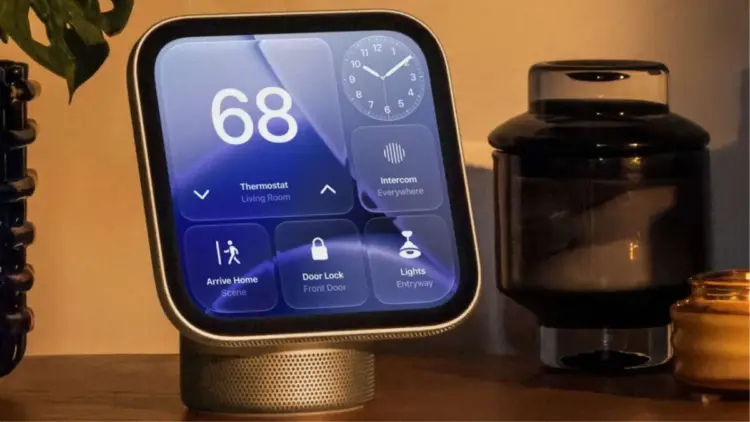
CUPERTINO, CA – October 14, 2026 – Apple, the tech giant renowned for its revolutionary iPhones and MacBooks, is making a deliberate and calculated return to the smart home market with the introduction of HomeView. Priced at USD 299 and slated for a November launch, this new 7-inch smart home screen is positioned not as a standalone disruptor but as a sophisticated extension of the iPhone ecosystem, armed with personalised Siri AI and a strategic emphasis on user trust and simplicity. This move signals Apple’s clear intent to challenge the established dominance of Amazon and Google, who have largely defined the smart home landscape over the past decade.
The unveiling, which took place at a dedicated event in New York, showcased HomeView as an elegant, minimalist device designed to seamlessly integrate into daily life. It represents Apple’s second significant attempt to carve out a substantial share in the burgeoning smart home segment, following the HomePod’s modest performance in 2018. With HomeView, Apple appears to be betting on a refined strategy: leveraging its unparalleled ecosystem, strong brand loyalty, and a renewed focus on data privacy to win over discerning consumers.
Main Facts: A New Vision for the Connected Home
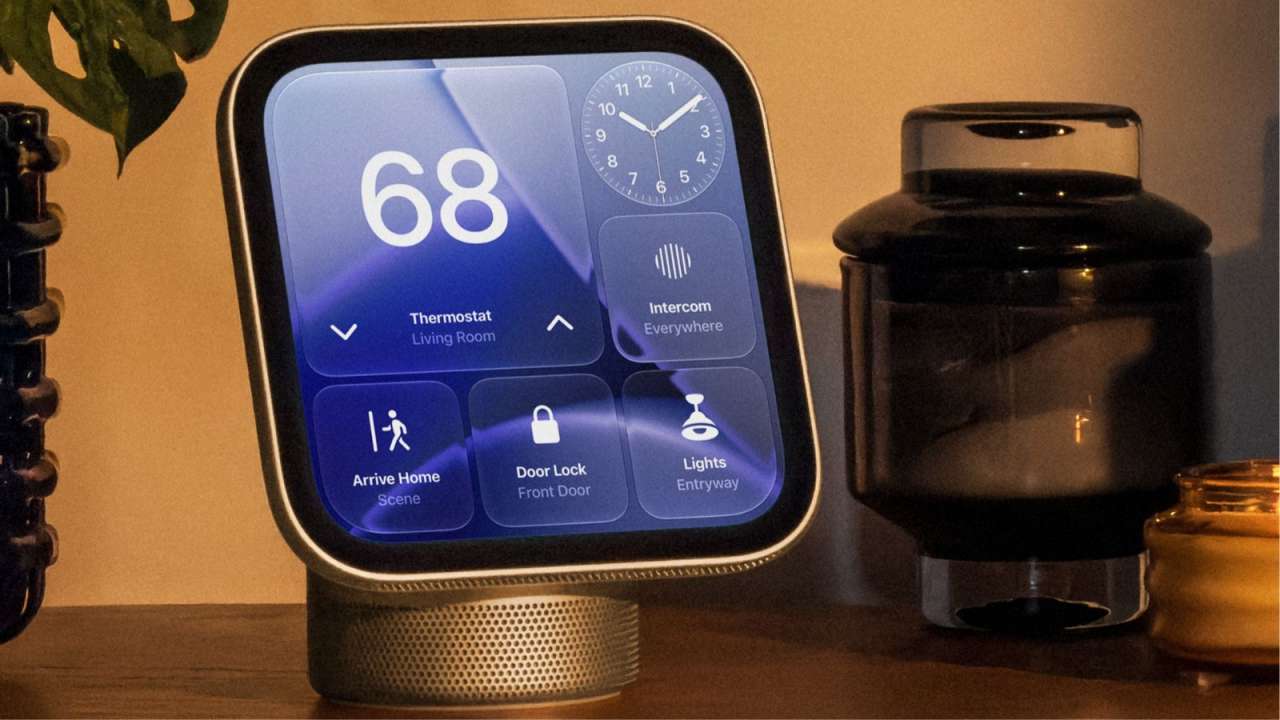
Apple’s HomeView is a compact, 7-inch touchscreen device engineered for intuitive interaction within the smart home environment. Its primary function is to serve as a personalised hub, extending the capabilities of a user’s iPhone through a dedicated display. The device can be flexibly positioned on an aluminium base or discreetly mounted on a wall, blending into various home aesthetics.
At its core, HomeView is powered by an enhanced, personalised Siri AI, which learns user preferences through camera and voice recognition. This intelligence allows the device to present customisable home screens, displaying relevant apps, calendar appointments, and notifications tailored to individual users. For instance, a family member’s Spotify account or specific iMessage conversations can be instantly accessible, reflecting a deep level of personalisation.
Crucially, Apple has designed HomeView with privacy as a cornerstone. The device itself does not store personal data directly; instead, it relies on a nearby iPhone for contextual information and data processing. This architectural choice aims to mitigate common privacy concerns associated with smart home devices, offering users greater confidence in the security of their personal information. While built-in Apple applications such as FaceTime and Apple Music are readily available, third-party apps like Spotify require support from the paired iPhone, reinforcing HomeView’s identity as an ecosystem extension rather than a completely autonomous smart display.
The USD 299 price point positions HomeView firmly in the premium segment of the smart home market, a strategy consistent with Apple’s historical approach to its product lines. By focusing on simplicity, elegant design, and robust privacy features, Apple seeks to differentiate HomeView from the more complex and often data-hungry offerings from its primary competitors, Amazon and Google. This strategic pivot highlights Apple’s belief that there remains a significant untapped market for a streamlined, trustworthy, and deeply integrated smart home gadget.

Chronology: Apple’s Smart Home Journey and Market Evolution
Apple’s journey into the smart home space has been characterized by careful, often measured, steps rather than aggressive market domination. The introduction of HomeView is not an isolated event but the culmination of years of development and learning from prior experiences within a rapidly evolving technological landscape.
Early Forays and HomeKit (2014 onwards): Apple’s initial serious venture into the smart home began with HomeKit, a software framework introduced in 2014. HomeKit aimed to provide a secure and unified way for users to control compatible smart home accessories using their iOS devices and Siri. While it established a standard for device manufacturers and offered a privacy-focused alternative, HomeKit’s reliance on third-party hardware adoption and a somewhat complex setup process meant it struggled to gain widespread mainstream traction against more integrated solutions.

The HomePod Era (2018): Four years later, Apple launched the HomePod, its first smart speaker. Positioned as a premium audio device with integrated Siri capabilities, the HomePod was lauded for its exceptional sound quality. However, its high price point (initially USD 349), limited smart assistant functionality compared to rivals, and strong emphasis on the Apple Music ecosystem meant it struggled to compete effectively against the more versatile and affordable Amazon Echo and Google Home devices. Despite subsequent price drops and feature updates, the HomePod achieved only around a 6% market share in the smart speaker segment, prompting Apple to discontinue the original model in 2021, though a smaller HomePod mini and a second-generation HomePod later emerged. This experience likely provided critical insights into the challenges of entering a mature market with a differentiated, yet perhaps too niche, product.
The Rise of Competitors: Meanwhile, Amazon and Google had been aggressively expanding their smart home ecosystems. Amazon launched the Echo in 2014, pioneering the smart speaker category, quickly followed by Google Home in 2016. Both companies rapidly iterated, introducing a wide range of devices, including smart displays like the Echo Show and Google Nest Hub, which added visual interaction to voice commands. Their strategies focused on affordability, broad third-party integration, and pervasive data collection to fuel their AI capabilities. For nearly a decade, these two tech giants have largely dictated the pace and direction of the smart home market, accumulating vast user bases and extensive libraries of compatible devices.

The Genesis of HomeView (2020s): The conceptualisation and development of HomeView likely began in the wake of the original HomePod’s performance, as Apple sought to address the gaps in its smart home strategy. Recognizing the increasing demand for visual interaction, the success of smart displays, and persistent consumer concerns about privacy, Apple appears to have refined its approach. HomeView, with its 7-inch screen, personalised Siri, and iPhone-centric design, represents a deliberate evolution, marrying the visual interface of smart displays with Apple’s core strengths in user experience, security, and ecosystem integration. The choice of a New York event for its unveiling underscores the product’s significance and Apple’s commitment to making a strong statement in the market. Its November launch positions it strategically for the crucial holiday shopping season, aiming to capture consumers looking for sophisticated yet simple smart home solutions.
Supporting Data: Market Dynamics, Privacy, and Apple’s Ecosystem Advantage
The smart home market is a complex ecosystem, characterized by rapid innovation, intense competition, and evolving consumer expectations. Understanding these dynamics is crucial to assessing HomeView’s potential impact.

Market Share and Growth: While the smart speaker market is largely dominated by Amazon and Google, with combined market shares often exceeding 80%, the broader smart home device market continues to exhibit robust growth. According to various industry reports, the global smart home market is projected to reach hundreds of billions of dollars by the end of the decade, driven by increasing adoption of smart lighting, thermostats, security systems, and entertainment devices. Smart displays, in particular, have seen significant uptake due to their hybrid functionality, offering both voice control and visual feedback. Apple’s original HomePod, despite its audio prowess, struggled to break through, never exceeding a 6% global market share in smart speakers, a stark contrast to the iPhone’s dominance in the premium smartphone segment. This historical data underscores the challenge Apple faces, but also the opportunity if it can effectively differentiate.
The Privacy Imperative: One of HomeView’s most compelling differentiators is its explicit focus on privacy. In an era marked by increasing data breaches, concerns over surveillance, and ethical debates surrounding AI, consumer trust has become a premium commodity. Surveys consistently show that users are wary of smart devices that constantly listen, record, or collect personal data without explicit consent or robust security measures. A 2023 study by the Pew Research Center, for instance, indicated that over 70% of adults expressed concerns about companies collecting their personal data through smart devices. Apple’s strategy to have HomeView rely on a nearby iPhone for sensitive contextual data, rather than processing and storing it locally or in the cloud independently, directly addresses these anxieties. This "privacy by design" approach could resonate strongly with a segment of the market disillusioned by the data practices of other tech giants.

Competitive Landscape – Price and Features: At USD 299, HomeView is priced higher than many entry-level smart displays from Amazon and Google. For example, the Amazon Echo Show 8 typically retails for around USD 130-150, and the Google Nest Hub (2nd Gen) for around USD 100. Even larger, more feature-rich models like the Echo Show 10 (with its rotating screen) are often found closer to HomeView’s price point, sometimes even lower during sales. However, Apple has historically succeeded in premium markets despite higher prices. The iPhone, consistently more expensive than its Android counterparts, continues to dominate the high-end smartphone segment globally. This suggests that a segment of consumers is willing to pay a premium for Apple’s perceived quality, design, and ecosystem advantages.
Apple’s Ecosystem Strength: The true "secret weapon" of HomeView lies in its deep integration with the Apple ecosystem. For the hundreds of millions of iPhone, iPad, and Apple Watch users, HomeView offers a seamless extension of their existing digital lives. Features like personalised Siri, direct FaceTime calls, integration with Apple Music, and the ability to leverage an iPhone for third-party app functionality create a frictionless user experience that competitors struggle to match. This ecosystem lock-in, where users find increasing value in staying within Apple’s suite of products and services, provides a significant competitive moat. This is a strategy that has repeatedly proven successful for Apple, turning "boring" (i.e., predictable, reliable, integrated) into a compelling user proposition.

Expert Commentary: Industry analysts are largely cautiously optimistic about HomeView. "Apple is not trying to beat Amazon or Google on price or sheer number of features," states tech analyst Sarah Chen of Tech Insights Group. "They’re targeting the segment that values privacy, premium design, and a coherent user experience above all else. Their ‘boring’ strategy is really about building trust and offering a seamless extension of what users already love about their iPhones." Others point out that Amazon and Google, despite their decade-long head start, haven’t created an unassailable lead in terms of a truly unified and private smart home experience, leaving an opening for Apple.
Official Responses: Messaging Simplicity, Trust, and Integration
While direct quotes from Apple executives regarding HomeView are sparse in the initial reports, Apple’s consistent messaging and strategic product positioning provide a clear indication of their official stance and the narrative they aim to convey. The New York event where HomeView was introduced would have meticulously crafted this message, emphasizing specific pillars.

Emphasis on Simplicity and Elegance: Apple’s presentation of HomeView would have heavily underscored its minimalist design and user-friendly interface. The phrase "simplicity and elegance" would likely have been a recurring theme, contrasting with the often feature-laden and sometimes complex smart home devices from competitors. Apple’s design philosophy consistently prioritizes clean lines, intuitive controls, and a seamless user experience. This translates into a device that aims to be unobtrusive yet highly functional, designed to blend into, rather than dominate, a living space.
The Trustworthiness Imperative: A core component of Apple’s official communication would center on trust, particularly concerning data privacy. By explicitly stating that HomeView does not store personal data directly but relies on a nearby iPhone for context, Apple is proactively addressing one of the most significant consumer anxieties in the smart home sector. This is a direct play to differentiate from rivals whose business models often rely on extensive data collection for advertising and service improvement. Apple’s messaging would highlight its commitment to user privacy as a fundamental right, positioning HomeView as a secure and reliable device that respects personal boundaries.

HomeView as an iPhone Extension: Apple would consistently frame HomeView not as a standalone, competing product, but as a natural and indispensable extension of the iPhone. This narrative leverages the immense loyalty and familiarity users have with their iPhones. By tying HomeView’s functionality, personalisation, and even third-party app support to the iPhone, Apple reinforces the value of its entire ecosystem. Executives would likely have articulated how HomeView enhances the iPhone experience, bringing familiar apps like FaceTime and Music to a dedicated home display, making the connected home experience more fluid and accessible for existing Apple users.
Addressing Past Challenges (Implicitly): While Apple rarely directly acknowledges past product shortcomings, the HomeView launch implicitly addresses lessons learned from the HomePod. The messaging would likely avoid comparisons to traditional smart speakers and instead focus on the visual interface and personalised experience, signaling a clear pivot from an audio-first strategy to a display-centric approach. The competitive landscape with Amazon and Google would be acknowledged indirectly, by emphasizing Apple’s unique strengths – privacy, design, and ecosystem integration – as key differentiators that set HomeView apart from the crowded market.

In essence, Apple’s official response and marketing strategy for HomeView are built on a foundation of "boring" done right: predictable reliability, trusted privacy, and seamless integration, all wrapped in the premium design language that Apple users have come to expect. This carefully curated message aims to build confidence and attract consumers looking for a smart home device that aligns with their values and existing tech ecosystem.
Implications: Reshaping the Smart Home Landscape
The introduction of Apple HomeView, while a second attempt, carries significant implications for the smart home market, Apple’s ecosystem, and consumer expectations.

Potential Market Disruption (or Niche Domination): HomeView is unlikely to instantly decimate Amazon and Google’s market share, given their decade-long head start and vast array of affordable devices. However, its entry could significantly disrupt the premium segment of the smart display market. Apple has a proven track record of entering established markets and, through superior design, user experience, and ecosystem integration, carving out a substantial and profitable niche. HomeView could become the preferred smart display for millions of existing iPhone users, pulling them deeper into the Apple ecosystem and potentially influencing their future smart home purchases towards HomeKit-compatible devices.
Raising the Bar for Privacy: Apple’s explicit focus on privacy with HomeView could force competitors to re-evaluate their own data collection practices and transparency. As consumer awareness about data security grows, a device that clearly prioritizes user privacy over pervasive data harvesting might gain a significant competitive edge. This could lead to a broader industry trend where privacy features become a more prominent selling point, benefiting consumers across the board.

Ecosystem Reinforcement: HomeView significantly strengthens Apple’s overall ecosystem strategy. By providing a dedicated smart display that acts as an iPhone extension, Apple creates another touchpoint within the home, making its services (Apple Music, FaceTime, HomeKit) more accessible and ingrained in daily routines. This deep integration fosters greater loyalty and provides another reason for users to remain within the Apple walled garden, increasing the stickiness of its platform. It also paves the way for tighter integration with future Apple services and hardware.
Challenges and Opportunities for Apple: The primary challenge for HomeView will be its price point. At USD 299, it is considerably more expensive than many competitors. Apple will need to effectively communicate the value proposition – superior design, enhanced privacy, and seamless integration – to justify this premium. An opportunity lies in targeting households that already own multiple Apple devices and are willing to invest in a cohesive, premium experience. Expanding third-party app support beyond iPhone reliance could also broaden its appeal in the future.

Evolution of Smart Home Interaction: HomeView’s emphasis on personalised Siri AI, camera, and voice recognition suggests a move towards more intuitive and context-aware smart home interactions. Instead of generic responses, HomeView aims to offer tailored information and services based on who is interacting with it. This could push the industry towards more sophisticated, user-centric AI that anticipates needs rather than merely responding to commands.
Competitive Reactions: Amazon and Google are unlikely to ignore Apple’s entry. They may respond by enhancing their own privacy features, refining their smart display interfaces, or further diversifying their product lines to offer premium alternatives. Price adjustments on existing devices or accelerated development of new features could also be part of their counter-strategy. The competition is expected to intensify, ultimately driving innovation across the smart home sector.

Long-Term Vision: HomeView represents more than just a smart display; it’s a strategic piece in Apple’s long-term vision for the connected home and perhaps even spatial computing. By establishing a robust, privacy-focused hub, Apple is laying groundwork for future integrations with augmented reality devices, advanced health monitoring, and even more sophisticated automation. The "boring" strategy of building trust and simplicity now could yield significant dividends as the smart home evolves into an even more interconnected and intelligent environment. Apple’s calculated move with HomeView is a testament to its patience and strategic thinking, aiming to redefine not just what a smart display can do, but what it means to truly trust the technology in our homes.