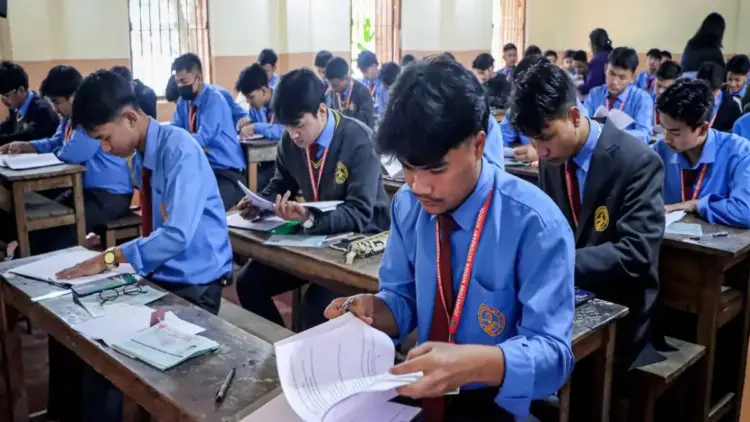
New Delhi, India – November 7, 2026 – The Central Board of Secondary Education (CBSE) has officially announced the schedule for practical examinations, project assessments, and internal assessments for Class 10 and Class 12 students in winter-bound regions for the upcoming 2026-27 academic session. This crucial announcement, detailed in a circular issued on November 5th, marks the beginning of the final assessment phase for these students as they prepare for their 2027 board examinations. The practical exams are slated to be conducted between November 9th and December 19th, 2026, providing a focused window for these vital components of the board examinations.
This specific timetable is meticulously designed to accommodate the unique academic calendar of schools situated in regions where winter conditions necessitate extended closures. By conducting these assessments before the peak winter months, CBSE aims to ensure that students in these affected areas have a fair and uninterrupted opportunity to complete this critical part of their board exam preparation. Students appearing for the CBSE Board Exams 2027 are strongly advised to closely monitor this revised schedule and to liaise directly with their respective schools for precise subject-wise dates and any localized directives.
A Structured Approach to Practical Assessments: Key Guidelines Unveiled
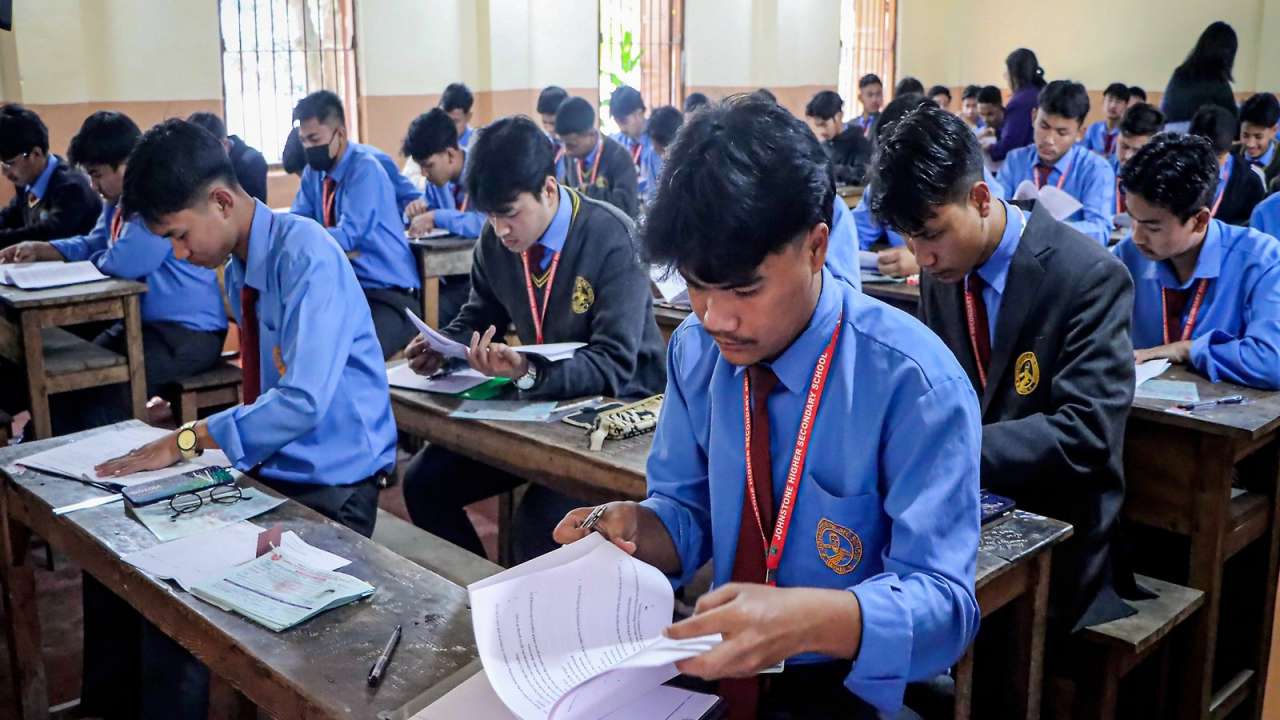
In its endeavor to maintain the integrity and fairness of the examination process, CBSE has laid down a series of stringent guidelines for winter-bound schools undertaking these assessments. A paramount instruction from the Board mandates that schools must meticulously finalize the list of eligible candidates prior to the commencement of practical exams, project assessments, and internal assessments. This pre-assessment vetting process is designed to prevent any discrepancies and ensure that only officially registered students participate.
Schools are further reminded that adherence to the online List of Candidates (LOC) is non-negotiable. Only those students whose names have been duly submitted through the LOC portal will be permitted to appear for these examinations. This measure underscores the importance of accurate and timely administrative procedures by the educational institutions.
For Class 10 students, the Board has emphasized that the internal assessment component will be conducted on a singular occasion. This means that schools must complete this assessment efficiently and upload the marks for all eligible candidates within the stipulated timeframe. This single opportunity highlights the need for effective planning and execution by the schools to ensure all students are assessed.
Facilitating External Oversight and Ensuring Timely Completion
Recognizing the importance of external validation and standardized evaluation, CBSE has directed schools to proactively engage with their respective Regional Offices. Schools are instructed to contact their concerned CBSE Regional Offices for the appointment of external examiners and observers, wherever deemed necessary. This collaborative approach aims to introduce an element of impartiality and adherence to national assessment standards.

Furthermore, the Board has reiterated the critical need for the timely completion of all practical examinations, project assessments, and internal assessments. The efficient administration of these components is crucial for the overall smooth functioning of the board examination system. A specific directive has been issued regarding Class 12 practical exam answer books, which must be dispatched to the concerned CBSE Regional Offices as per the established instructions. This ensures that the evaluation process is centralized and managed by the Board.
Enhancing Transparency: Practical Exams to Be Conducted in Shifts
To bolster transparency and guarantee a fair and equitable assessment process, CBSE has mandated a shift-based approach for schools with a larger student cohort. Schools accommodating more than 30 students are required to conduct practical examinations and project assessments in two or even three shifts per day. The specific number of shifts will be determined by the available laboratory infrastructure within the school. This strategic implementation aims to prevent any potential for malpractice and ensure that each student receives undivided attention during their assessment.

It is important for students and educators to note that this specific timetable and set of guidelines are exclusively for winter-bound schools. CBSE has assured that a separate circular, containing tailored instructions for practical exams, project assessments, and internal assessments, will be issued for schools operating under the regular academic session. This differentiation acknowledges the diverse operational realities faced by educational institutions across the country.
Student and Parent Advisory: Staying Informed is Key
As the practical examination period commences, students and their parents are strongly advised to maintain close communication with their respective schools. This proactive engagement is essential for obtaining the detailed subject-wise practical exam timetable, understanding any specific school-level arrangements, and staying abreast of further instructions or updates from the Board. The success of the board examination process hinges on a well-informed student body and robust communication channels between schools and the CBSE.

The commencement of these practical assessments for winter-bound schools sets a precedent for the upcoming board examinations, emphasizing CBSE’s commitment to a comprehensive and equitable evaluation system for all its students, irrespective of their geographical location or seasonal challenges. The rigorous implementation of these guidelines is expected to contribute to a transparent and reliable assessment process, ultimately benefiting the academic futures of thousands of students nationwide.
Chronology of Events Leading to the Announcement
The announcement of the CBSE practical exam schedule for winter-bound schools is a culmination of a carefully planned academic calendar. Typically, the Board begins its preparations for the subsequent academic year well in advance.

- Early to Mid-2026: Planning and syllabus finalization for the 2026-27 academic session would have been underway. This includes identifying specific needs and challenges for different regions.
- Mid-2026: Discussions and consultations with regional education authorities and school representatives from winter-bound regions would likely have taken place to understand their academic timelines and potential disruptions.
- Late August – September 2026: The Board would typically finalize the tentative dates for practical examinations, considering the academic calendar and the need to complete assessments before peak winter.
- October 2026: Draft schedules and guidelines would be prepared and circulated internally for review and approval.
- November 5, 2026: The official circular containing the detailed timetable and guidelines for practical, project, and internal assessments for winter-bound schools for the 2026-27 academic session is released.
- November 9 – December 19, 2026: The practical examinations commence as per the announced schedule.
This phased approach ensures that all logistical and academic considerations are addressed, leading to a well-structured and timely announcement that serves the needs of the affected student population.
Supporting Data and Context: The Winter-Bound Region Challenge
The decision to issue a separate timetable for winter-bound regions is rooted in a deep understanding of the climatic challenges faced by these areas. Regions such as Himachal Pradesh, Uttarakhand, Jammu and Kashmir, Ladakh, and parts of North Eastern states often experience prolonged periods of heavy snowfall, making regular school operations impossible during the peak winter months, typically from December to February.

Historically, these closures have posed significant hurdles for conducting board examinations, particularly the practical components that require specialized laboratory facilities and consistent student attendance. The early scheduling of practical exams is a strategic move to mitigate these disruptions. It allows students to complete these crucial assessments before the onset of severe winter weather, ensuring they are not disadvantaged compared to their counterparts in milder climates.
The number of students appearing for board examinations from these regions, while a fraction of the national total, is significant enough to warrant tailored logistical planning. The CBSE’s proactive approach in this regard demonstrates its commitment to inclusive and equitable educational opportunities for all students. The practical exams, often carrying a substantial weightage in the final board results, are a critical determinant of a student’s overall performance. Therefore, ensuring their fair and timely conduct is of utmost importance.

Official Responses and CBSE’s Commitment
While specific direct quotes from CBSE officials regarding this particular circular are not provided in the original text, the actions themselves speak volumes about the Board’s commitment. The issuance of a detailed circular with specific dates and guidelines reflects a responsive and proactive stance by the CBSE.
The emphasis on transparency through the shift-based system for larger schools, the mandate for schools to finalize candidate lists, and the instruction to liaise with Regional Offices for external examiners all point towards a systematic effort to uphold the integrity and fairness of the examination process.

A spokesperson for the CBSE, in a general statement regarding examination policies, might articulate the Board’s overarching philosophy: "The CBSE is dedicated to providing a robust and equitable examination system that caters to the diverse needs of students across the nation. Our policies are continuously reviewed and adapted to ensure that every student has a fair opportunity to showcase their academic achievements. The scheduling for winter-bound regions is a testament to our commitment to overcoming geographical and climatic challenges and ensuring that no student is left behind."
This sentiment is further reinforced by the clear distinction made for schools following regular academic sessions, indicating a nuanced approach to policy implementation. The Board’s consistent efforts to communicate such crucial information well in advance underscore its dedication to transparency and its role as a facilitator of student success.

Implications for Students, Schools, and the Examination System
The implications of this early scheduling of practical exams for winter-bound schools are far-reaching:
- For Students: This provides a significant advantage by allowing them to complete a substantial portion of their board exam requirements before the onset of peak winter. It reduces academic stress and allows for focused preparation for written examinations. Students must remain vigilant and actively communicate with their schools to ensure they are aware of all subject-specific dates and requirements.
- For Schools: Winter-bound schools are presented with a compressed timeline for conducting practicals. This necessitates meticulous planning, efficient resource management, and effective coordination with external examiners and the CBSE Regional Offices. The shift-based system for larger schools will require careful logistical arrangements to ensure smooth operations.
- For the Examination System: This proactive scheduling reinforces the CBSE’s ability to adapt its policies to diverse geographical and climatic conditions. It demonstrates a commitment to equitable assessment practices and helps maintain the integrity and credibility of the board examinations. The success of this early scheduling model can potentially inform future approaches for other regions facing unique academic challenges.
The early commencement of practical assessments for winter-bound regions by CBSE is a critical step in ensuring a fair and efficient examination process for the 2027 board exams. By addressing the unique challenges posed by these regions, the Board reaffirms its commitment to academic excellence and equitable opportunities for all students across India. The coming weeks will see a flurry of activity in laboratories and classrooms as students embark on this vital stage of their academic journey.