

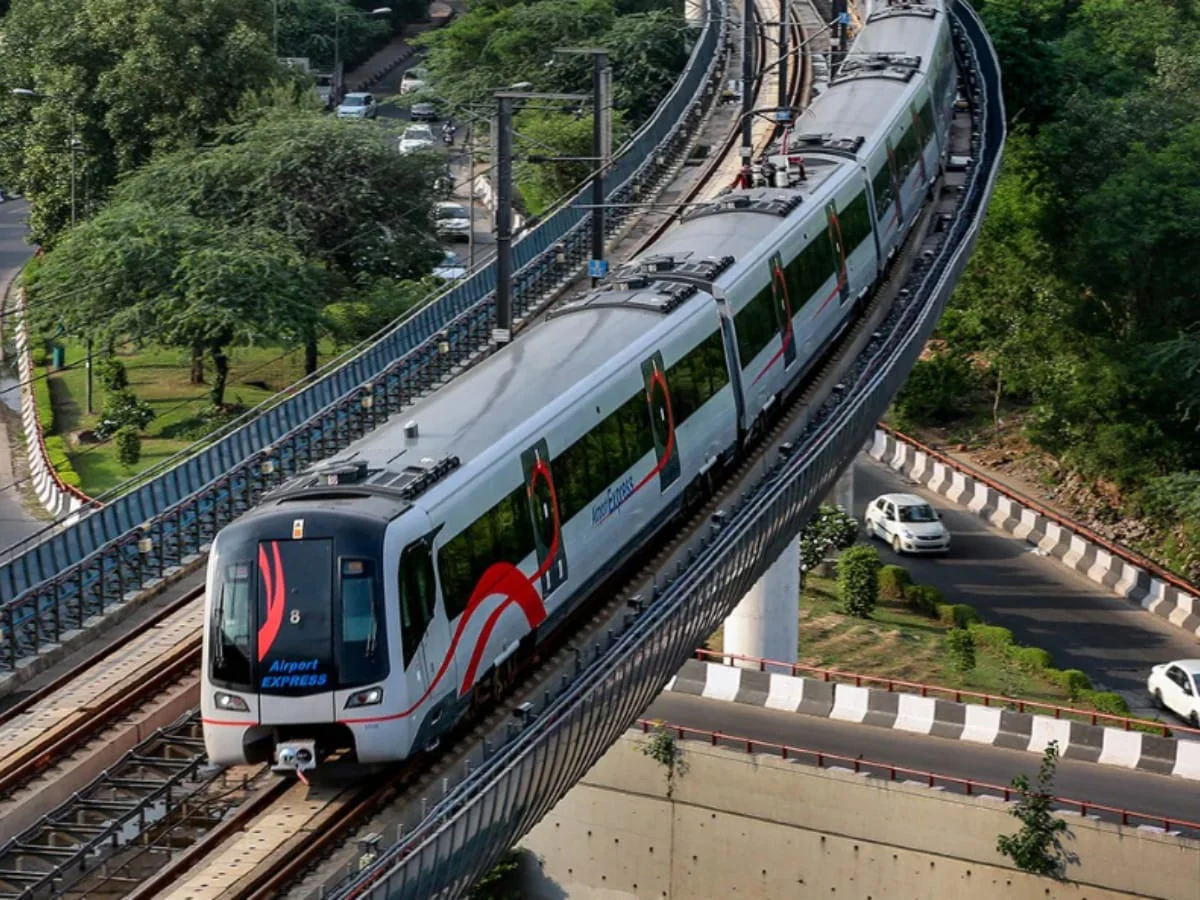
NEW DELHI — For nearly a century, the New York City Subway has stood as the ultimate symbol of urban transit scale, a sprawling labyrinth of steel and concrete that defined the modern metropolis. However, a tectonic shift in global infrastructure is currently underway. The Delhi Metro Rail Corporation (DMRC), which began operations only two decades ago, is on the verge of surpassing New York’s long-held record of 399 kilometers.
As of May 2026, the Delhi Metro has reached an operational length of 394 kilometers. With the imminent completion of a critical 12-kilometer corridor connecting Aerocity to Tughlakabad, the Indian capital is set to cross the 400-kilometer threshold, officially claiming the title of the world’s largest metro network in a single city and signaling India’s emergence as a global leader in high-tech mass transit.
Main Facts: The Race to 400 Kilometers
The Delhi Metro’s ascent is not merely a matter of regional pride; it is a statistical marvel. Currently, the network operates across 394 kilometers, making it the largest in India by a significant margin. To put this in perspective, the DMRC now accounts for more than 55% of all daily metro journeys taken across the entire Indian subcontinent.
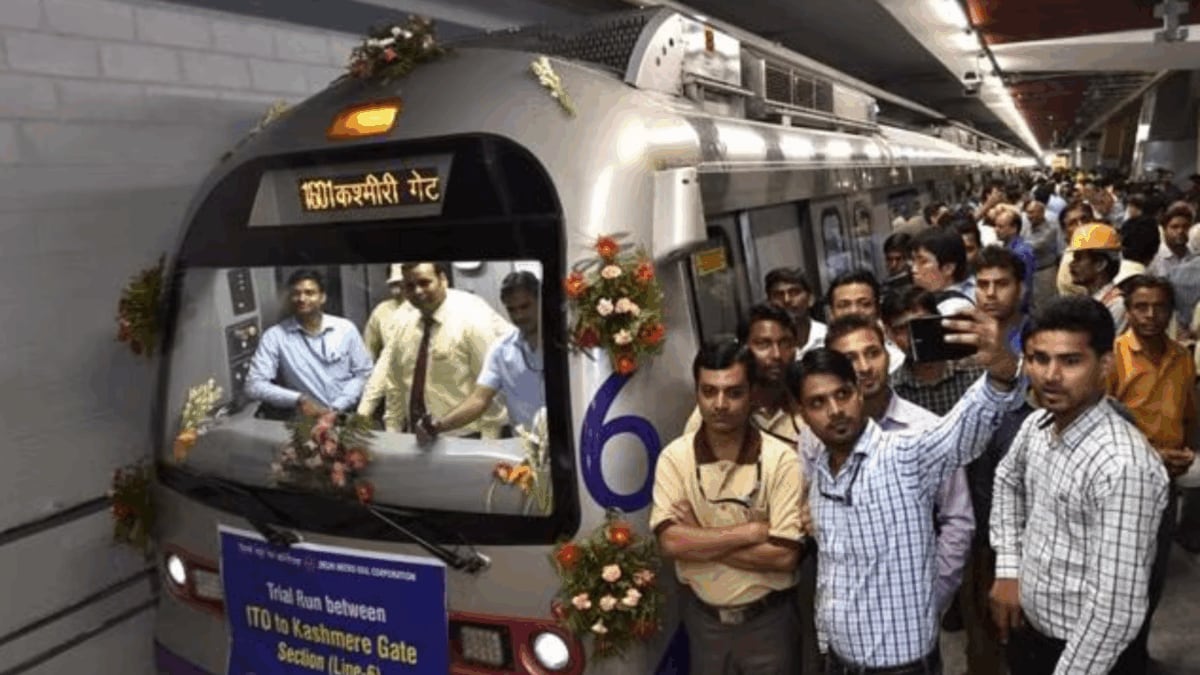
The "tipping point" for the world record lies in the Phase 4 expansion. The centerpiece of this expansion is the 12-kilometer Aerocity–Tughlakabad corridor. Once this section is operationalized, the total length will surge past 400 kilometers, unseating New York City’s 399-kilometer network. While cities in China, such as Shanghai and Beijing, boast massive total transit footprints, the Delhi Metro’s rapid-fire expansion within a single metropolitan framework is unprecedented in terms of the speed of execution and technological integration.
Beyond the physical length, the Delhi Metro has become a global benchmark for operational efficiency. It currently maintains a driverless network of 121 kilometers—one of the largest automated systems on the planet—and serves a population density that far exceeds most Western counterparts.
Chronology: From a Dream on Paper to Global Dominance
The journey of the Delhi Metro is a timeline of rapid modernization and political will.
1995–2002: The Foundation
The DMRC was registered in 1995, but it wasn’t until December 2002 that the first 8.4-kilometer stretch between Shahdara and Tis Hazari was inaugurated. At the time, the project was viewed with skepticism; many doubted that a city as chaotic as Delhi could sustain a world-class rapid transit system.
2003–2013: Phases 1 and 2
During this decade, the "Life Line of Delhi" took shape. Phase 1 and Phase 2 saw the completion of the Yellow, Blue, and Violet lines. By the time the 2010 Commonwealth Games arrived, the metro had already transformed the city’s geography, connecting the NCR (National Capital Region) satellite cities like Noida and Gurgaon to the heart of the capital.
2014–2024: The Great Acceleration
The year 2014 marked a paradigm shift in India’s infrastructure policy. The government moved from viewing metros as "luxury projects" to "urban necessities." In 2014, only five Indian cities had metro connectivity. By 2024, that number had expanded to over 20 cities. During this period, Delhi launched Phase 3, which introduced the "Ring" concept (Pink and Magenta Lines), significantly reducing travel time through interchange hubs.
2025–2026: The Record-Breaking Phase
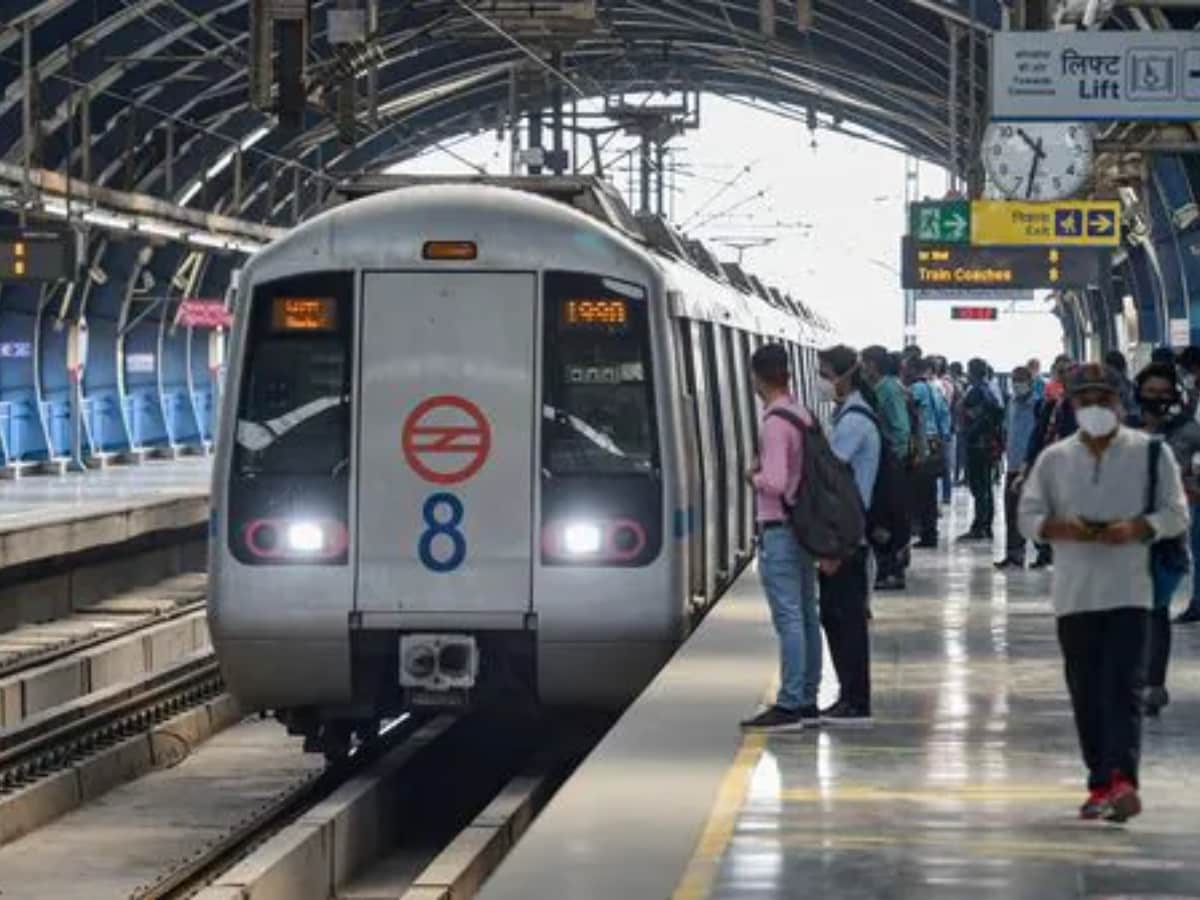
By late 2025, the focus shifted to Phase 4. Despite the challenges posed by the global pandemic in previous years, engineering teams accelerated tunneling works. In August 2025, the network saw its highest ridership in history, and by May 2026, the DMRC reached the 394-kilometer mark, leaving it just one corridor away from the world record.
Supporting Data: The Anatomy of a Giant
The scale of the Delhi Metro is best understood through its staggering data points:
Ridership and Demand
- Peak Ridership: On August 8, 2025, the Delhi Metro recorded a single-day ridership of 8,187,674 passengers. This figure is higher than the total population of several European nations and many Indian states, highlighting the sheer reliance the city has on this network.
- National Share: While India’s total metro network has crossed 1,000 kilometers, Delhi alone maintains nearly 40% of that total infrastructure, acting as the primary engine for the country’s transit growth.
Engineering Feats
- Deep Tunneling: As part of Phase 4, engineers utilized a 97-meter-long Tunnel Boring Machine (TBM) to carve a 1,475-meter tunnel between Chhatarpur Mandir and IGNOU Station.
- Depth: This tunnel reached an average depth of 26 meters, making it one of the deepest and most complex engineering tasks in the history of the DMRC, navigating through the hard rock of the Aravalli range and the dense urban foundations above.
Technological Prowess
- Automation: The DMRC operates 80 driverless trains. Its 121 kilometers of automated corridors place it in an elite tier of global transit systems, ahead of most systems in North America and Europe.
- Sustainability: The network is a leader in "green" transit. It utilizes regenerative braking—a system that recovers energy during braking to be reused—and has transitioned many of its stations to 100% solar power during daylight hours.
Official Responses: A Vision for "New India"
Government officials and DMRC leadership have framed this milestone not just as a transport achievement, but as a symbol of India’s "Atmanirbhar" (self-reliant) ambitions.
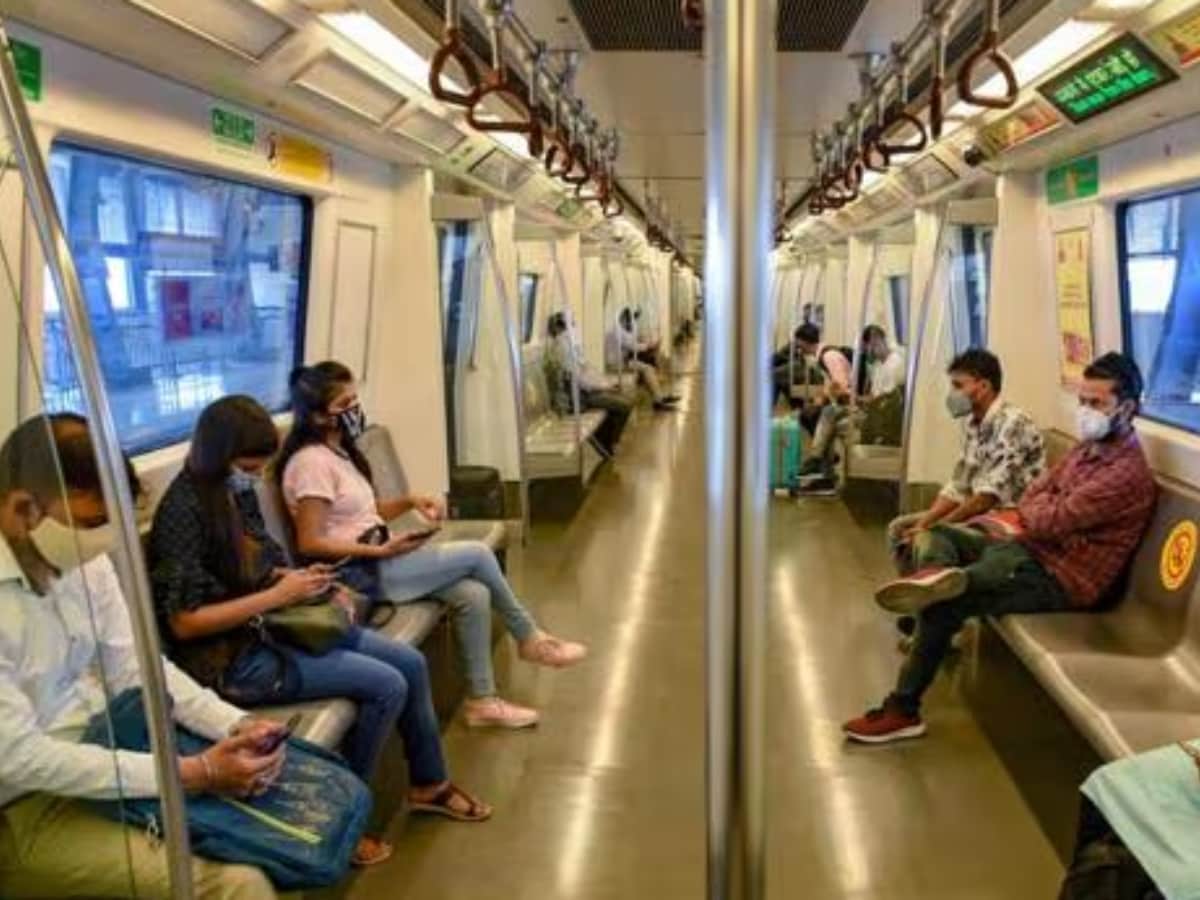
A senior official from the Ministry of Housing and Urban Affairs (MoHUA) stated, "The transition from 249 kilometers of metro nationwide in 2014 to over 1,000 kilometers today is a testament to a new era of Indian engineering. Delhi crossing the 400-kilometer mark is the crown jewel of this transformation. We are no longer just following international standards; we are setting them."
DMRC engineers have also highlighted the shift in construction methodology. "In the earlier phases, we relied heavily on international expertise," noted a lead project director for Phase 4. "Today, the tunneling, the rolling stock, and the signaling systems are increasingly ‘Made in India.’ Crossing the 400-km mark is a tribute to the thousands of Indian engineers who worked 26 meters underground to make history."
Implications: Beyond the Numbers
The implications of Delhi surpassing New York City are profound, touching on economics, environment, and geopolitics.
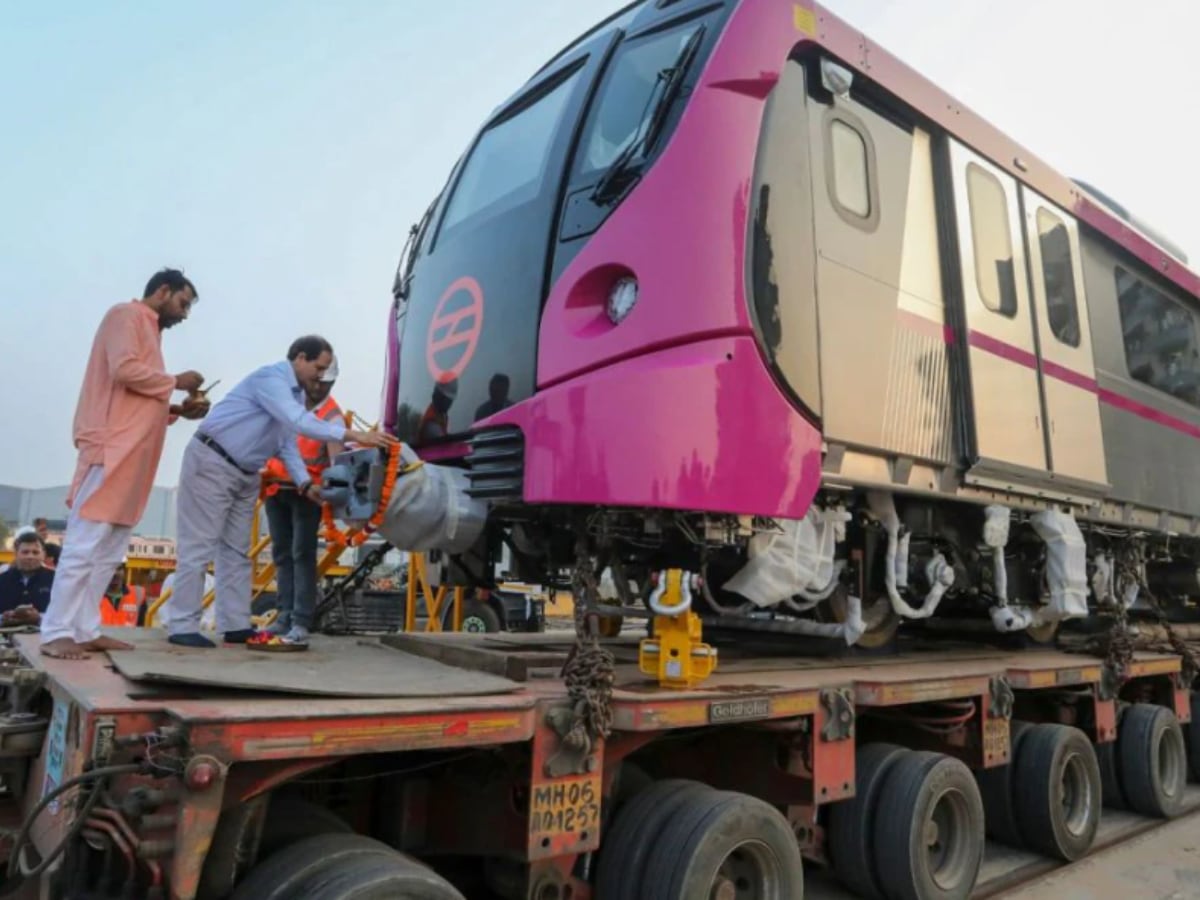
1. The Death of the "Global North" Infrastructure Monopoly
For decades, the gold standard of infrastructure was found in London, New York, and Paris. Delhi’s rise signals that the center of gravity for urban innovation has shifted to Asia. The Delhi Metro is cleaner, more technologically advanced (with QR ticketing and driverless operations), and more reliable than many of its aging Western counterparts.
2. Environmental Impact
By carrying over 8 million passengers daily, the Delhi Metro removes hundreds of thousands of private vehicles from the roads. In a city frequently embattled by air pollution, the expansion to 400 kilometers is the most effective "green" lungs the city possesses. The shift toward solar-powered stations and regenerative braking sets a blueprint for sustainable urbanization in the developing world.
3. Economic Productivity
The Aerocity–Tughlakabad corridor will connect the city’s business hubs with residential clusters that were previously underserved. By reducing commute times, the metro is directly contributing to the city’s GDP, allowing for a more mobile and efficient workforce.
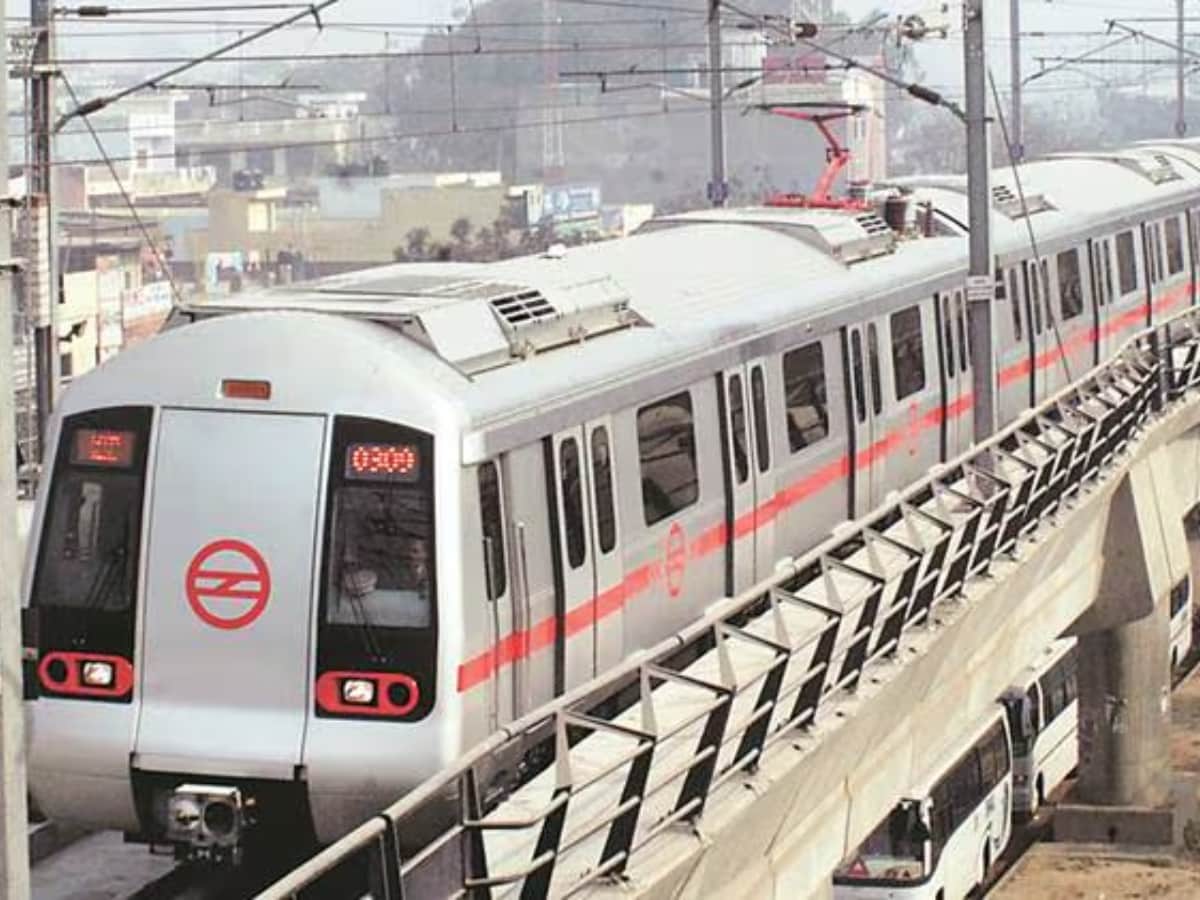
4. India’s Global Standing
India is currently the third-largest metro market in the world. With the current pace of expansion in cities like Mumbai, Bengaluru, and Hyderabad, India is on track to surpass the United States and become the world’s second-largest metro network, trailing only China. Delhi’s record-breaking feat is the vanguard of this national movement.
Conclusion: The New Standard of the 21st Century
As the Delhi Metro prepares to inaugurate the final stretch of the Aerocity–Tughlakabad corridor, the world is watching. The transition from 394 kilometers to over 400 kilometers is more than a geographic expansion; it is a declaration of intent.
New York City’s subway defined the 20th-century city—a gritty, expansive marvel of the industrial age. The Delhi Metro, however, is defining the 21st-century city: automated, sustainable, and built at a speed that matches the aspirations of a rising global power. When the record finally falls, it will be a reminder that in the race for the future, India is no longer just a participant—it is the pace-setter.
